The shift towards location independence has turned the dream of working from a Mediterranean terrace or a remote Scottish hideaway into a daily reality for millions. As of 2025, the global digital nomad population has surged to over 40 million, according to data, a 60% increase since 2020. While the freedom to choose your office location is unparalleled, it introduces a significant challenge: the physical safety of the technology that enables this lifestyle.
For the modern professional, a laptop is more than a device. It is a portal to their livelihood, especially for remote workers and digital nomads, containing sensitive client data, specialised software, and months of creative output. Standard laptop sleeves and padded backpacks offer basic protection against scratches, but they often fail when faced with the unpredictable nature of international travel.
The Reality of Tech Casualties in Transit
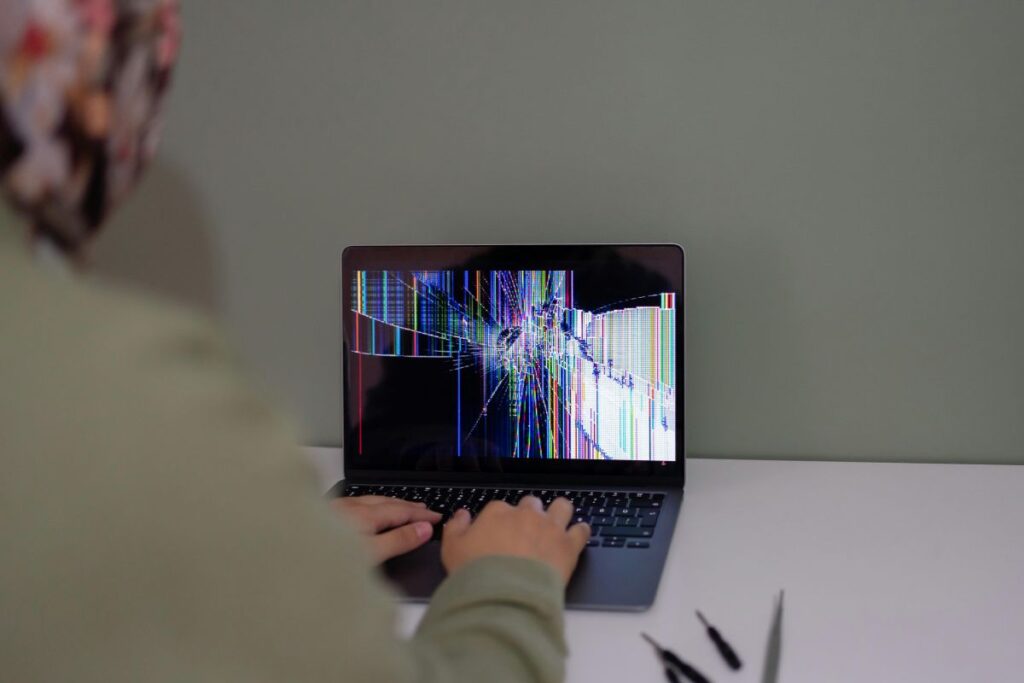
A remote workers environment is inherently more hazardous for hardware than stationary office environments. Statistics from industry research indicate that the rate of injury claims for remote workers, including equipment-related incidents and ergonomic issues, has risen by an average of 24% to 54% in recent years. This trend highlights a growing gap between how we work and how we protect our tools.
The transit process remains the primary point of failure. Whether it is the overhead bin of a budget airline, the luggage rack of a cross-country train, or the trunk of a bumpy taxi ride in a developing nation, your gear is constantly subjected to vibrations, pressure, and potential impact. Standard consumer bags lack the structural integrity to withstand a heavy suitcase falling on them or a sudden drop onto a terminal floor.
Beyond the Padded Sleeve: Why Structure Matters
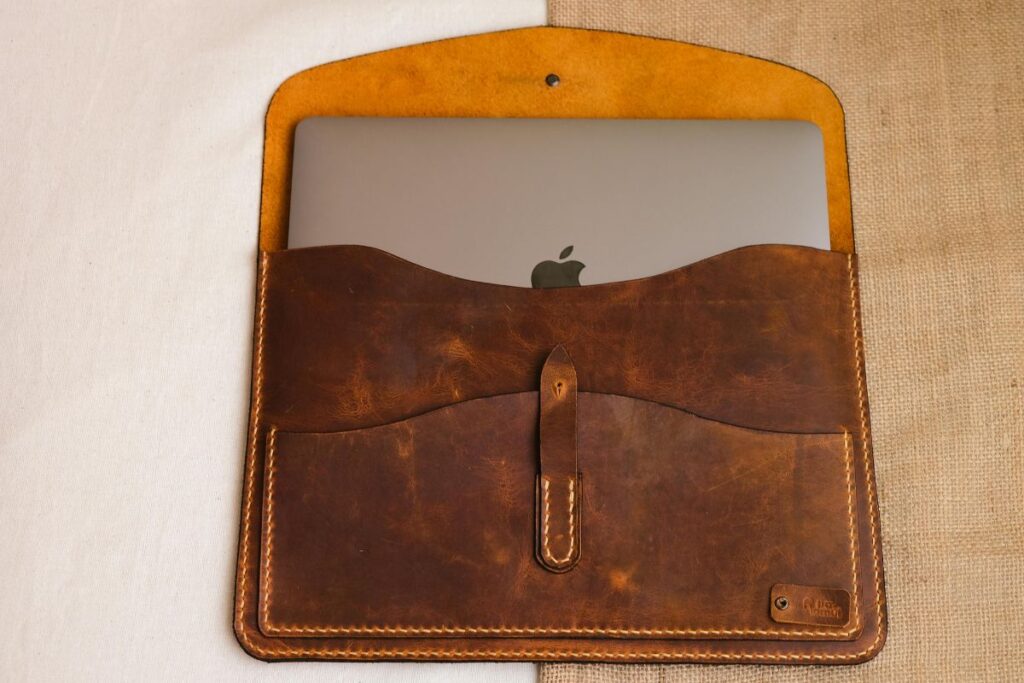
Most travellers and remote workers rely on soft-shell bags. While these are convenient for walking through a city, they offer zero crush resistance. For professionals carrying high-end equipment, such as 4K monitors, external GPUs, or delicate camera lenses, a soft bag is a gamble.
The most effective solution for high-value gear is the professional flight case. Originally engineered for the music and broadcast industries to protect delicate soundboards and lighting rigs, these cases have become the gold standard for tech-heavy nomads. A well-constructed case provides a rigid outer shell that distributes impact energy away from the contents, coupled with high-density foam that absorbs micro-vibrations during transit.
This level of protection is particularly vital for those practising slowmadism, where stays last between three and nine months. Moving entire workstations every few months requires a solution that can handle repeated handling by airport staff and diverse climate conditions.
Building a Secure Mobile Workstation

Securing your technology requires a multi-layered approach that addresses both physical and environmental threats.
Structural Integrity
Your primary devices should be housed in a hard-shell container. Unlike soft bags, these units do not compress. This prevents the “bending” of laptop screens, a common cause of dead pixels and internal hardware failure. When selecting a case, look for one with reinforced corners and heavy-duty latches that will not accidentally pop open under pressure.
Custom Internal Configuration
Generic foam inserts often leave gaps that allow gear to shift. High-quality protection systems use pick-and-pluck or custom-cut foam. This ensures each piece of equipment, from your primary laptop to your backup drives and adapters, has a snug fit. By eliminating movement, you eliminate the risk of internal components rattling loose from the constant hum of aeroplane engines or the jolts of road travel.
Environmental Sealing
Travelling through different climates exposes tech to humidity, dust, and sudden temperature shifts. A professional-grade case often features an O-ring seal, making it airtight and watertight. This prevents moisture from seeping into circuits in tropical environments and keeps fine sand out during desert stays.
The Financial Logic of Premium Protection
It is easy to view high-end protective gear as an added expense, but the math tells a different story. The average high-earning digital nomad earns between $75,000 and $250,000 annually. A single week of downtime due to a smashed screen or a failed motherboard can cost thousands of dollars in lost productivity, not to mention the stress of finding a reliable repair shop in a foreign country where parts might be scarce.
Investing in professional-grade housing is a form of business insurance. It ensures that when you arrive at your next destination, your office is ready to open immediately.
Practical Tips for the Travelling Professional

To maintain your edge as a remote worker, consider these logistical habits:
- Separate Your Essentials: Keep your primary work device in a compact, hard-shell case that fits within carry-on dimensions. Never check your livelihood into the hold of an aircraft unless it is in a case specifically rated for cargo handling.
- Climate Acclimatisation: If you have moved from a cold aeroplane hold to a humid tropical climate, let your gear sit inside its protective case for thirty minutes before opening it. This allows the internal temperature to equalise slowly, reducing the risk of condensation forming on internal motherboards.
- Cable Management: Use dedicated compartments for chargers and peripherals. Loose cables can scratch screens and clog ports if they are allowed to tumble freely in a bag.
- Weight Distribution: A rigid case allows for better weight distribution than a sagging backpack. This protects your gear and reduces the physical strain on your body during long travel days.
Conclusion
The freedom of the digital nomad lifestyle is built on the reliability of technology. As the population of remote professionals grows, the methods for transporting gear must evolve beyond the simple laptop bag. By adopting the standards of professional industries and utilising a flight case, you transition from a vulnerable traveller to a secure, mobile powerhouse.
In a world where your office can be anywhere, ensuring it actually works when you get there is the most important part of the journey. Protect your investment, secure your data, and focus on the work that matters, knowing your tools are safe from the rigours of the road.
Images courtesy of unsplash.com, Freepix.com and pexels.com