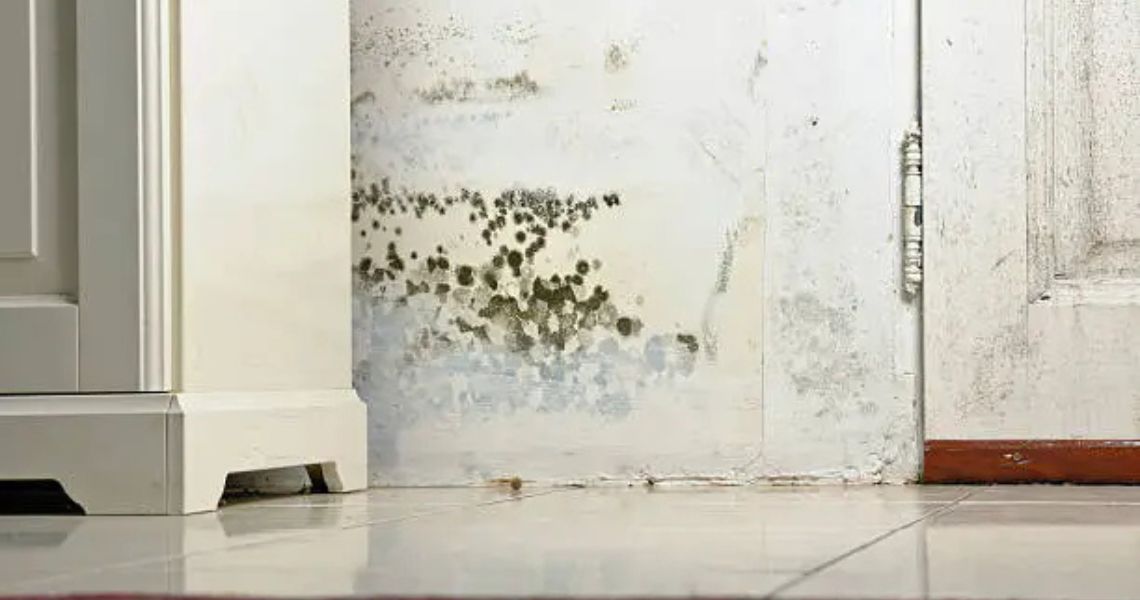
Are you looking to breathe easier? When was the last time you thought about your respiratory wellness? Most people don’t until they have a problem. Daily habits can build up over time and affect lung health whether you realize it or not.
The good news is that most of these habits are small. You can improve your respiratory wellness by simply…
- Being more intentional with little things every day
These little things don’t cost much money at all. Some will cost you nothing but your time.
…and can greatly improve your health in the long run.
What you’ll learn
- Why Respiratory Wellness Is Important
- Daily Habits That Can Damage Your Lungs
- Tiny Changes For Maximum Benefit
- How To Actually Breathe Cleaner Air
Why Respiratory Wellness Is Important
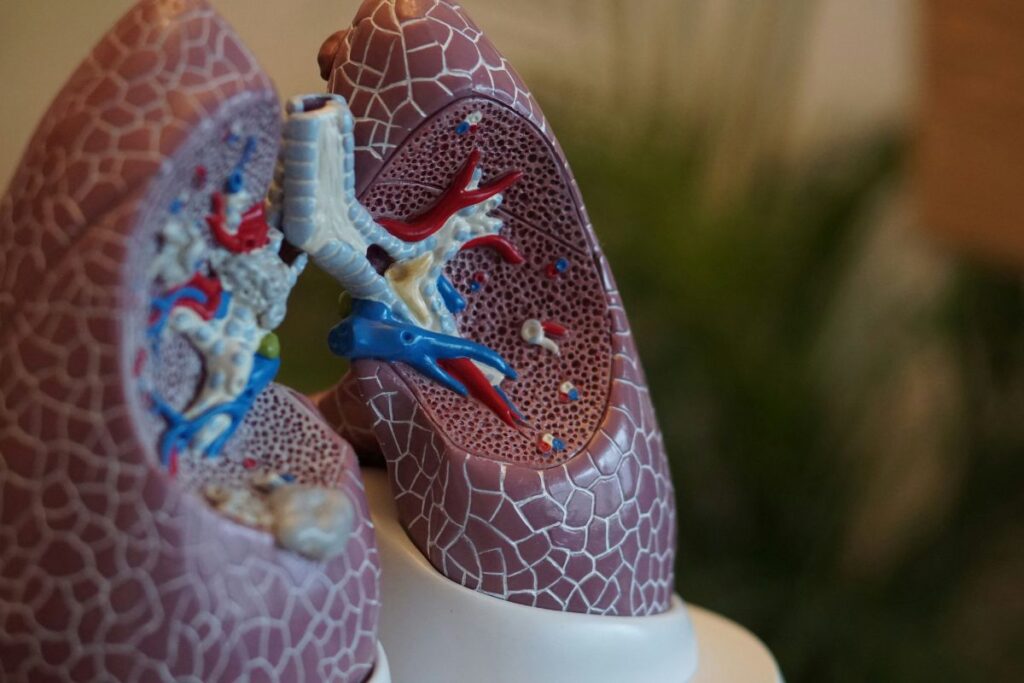
Your respiratory system is the foundation of good health.
Without clean lungs, your energy levels and ability to exercise plummets. Sleep suffers, mood plunges. If you’re constantly struggling to breathe, everything else in life suffers.
Here’s what a lot of people don’t realise…
Americans spend about 90% of their lives indoors. Inside where air quality can be two to five times worse than outdoors.
Yikes.
If you haven’t noticed symptoms yet, that doesn’t mean they’re not there. But it also doesn’t mean they won’t develop over time. When air pollutants aren’t visible to the eye, it’s easy to forget they’re being absorbed by your lungs with every breath you take.
Even more alarming?
The WHO estimates that over 4 million people die every year due to indoor air pollution. 4 MILLION PEOPLE.
That’s four times the amount of deaths caused by malaria.
When most people think about things poisoning their bodies, they think about food and water. But what you’re breathing in every day matters just as much.
Daily Habits That Can Damage Your Lungs


Of course, some things damage the lungs worse than others. Smoking is far and away the biggest offender. But outside of that, how you smoke matters too.
Pocket dab rigs have been seen plenty over the years, but many don’t realise that not all dab rigs are created equal when it comes to lung health. A poorly made rig that burns the mouth and throat from inhalation does more than just offer a bad experience. Your lungs aren’t used to that kind of irritation and fighting through it can cause long-term damage.
Consider making the swap to a higher quality mini dab rigs with some built-in water filtration. You’ll notice a smoother hit every time.
Outside of smoking, here are a few things that can harm your lungs without you knowing it:
- Chemicals: Smoke from woodstoves, fireplaces and chemical vapours from cleaners all decrease the quality of air you breathe.
- Lack of exercise: Physical activity keeps lungs in shape. Like any muscle, they require exercise to keep functioning properly.
- Dehydration: Water thins the mucous in the lungs which allows for easier breathing.
- Poor posture: Most people don’t use proper diaphragmatic breathing. Standing up straight allows the lungs to expand further.

Tiny Changes For Maximum Benefit
Fortunately, none of these things require turning life upside down. Just a few minor adjustments to the day-to-day routine.
Practice Deep Breathing
Diaphragmatic breathing, also known simply as deep breathing, has numerous benefits.
The practice of deep breathing helps relieve stress, increase energy levels, and allows full advantage of lung capacity. Those last two benefits are HUGE when it comes to the lungs.
Not only will practicing deep breathing allow physically getting more air in the lungs, but it also strengthens the muscles used for breathing.
If deep breathing is new territory, here’s a quick refresher.
- Sit up straight on a chair or lay down on a flat surface.
- Place one hand on the stomach, and the other on the chest.
- Breathe in deeply through the nose. The stomach should expand more than the chest.
- Exhale slowly through pursed lips.
Boom. Daily deep breathing done.

The difference is noticeable almost immediately with daily practice.
Get Moving
Pairing deep breathing exercises with some sort of physical activity takes things to the next level.
The more the body moves, the more the lungs have to work to provide oxygen. Think about that feeling at the gym when the legs are itching to stop but the body keeps going. Breathing gets harder and lung capacity increases.
It doesn’t have to be intense or excessive either. A brisk walk around the block for 30 minutes a day will show improvements.
Drink More Water
Water intake and respiratory health go hand in hand.
As stated above, water helps thin mucous in the lungs which allows for easier breathing. Staying hydrated also helps to keep the immune system strong and healthy.
Drinking more water is free.
How To Actually Breathe Cleaner Air
Again, most time is spent indoors. Taking care of the lungs starts at home.
Use An Air Purifier
Investing in a good air purifier isn’t a bad idea. Air filtration systems help remove particles in the air that the lungs don’t need to process.
Bonus points for finding one with a HEPA filter.
Open The Windows

This one may seem like a no-brainer but you’d be surprised how many people forget to open a window every once in a while.
Letting fresh air in helps clear the air inside the home. Especially for those living in an area that sees all four seasons.
Just 10 minutes a day of fresh air goes a long way.
Less Chemicals
Take a trip to the cleaning supply cabinet and look at the ingredients. Open a few bottles and take a big whiff.
Chances are there are things in those bottles damaging the lungs every time they’re used.
Chemicals like ammonia, bleach, artificial fragrances and aerosol propellants should all be avoided when possible. There are plenty of natural alternatives that work just as well without containing harmful chemicals.
Get Some Houseplants
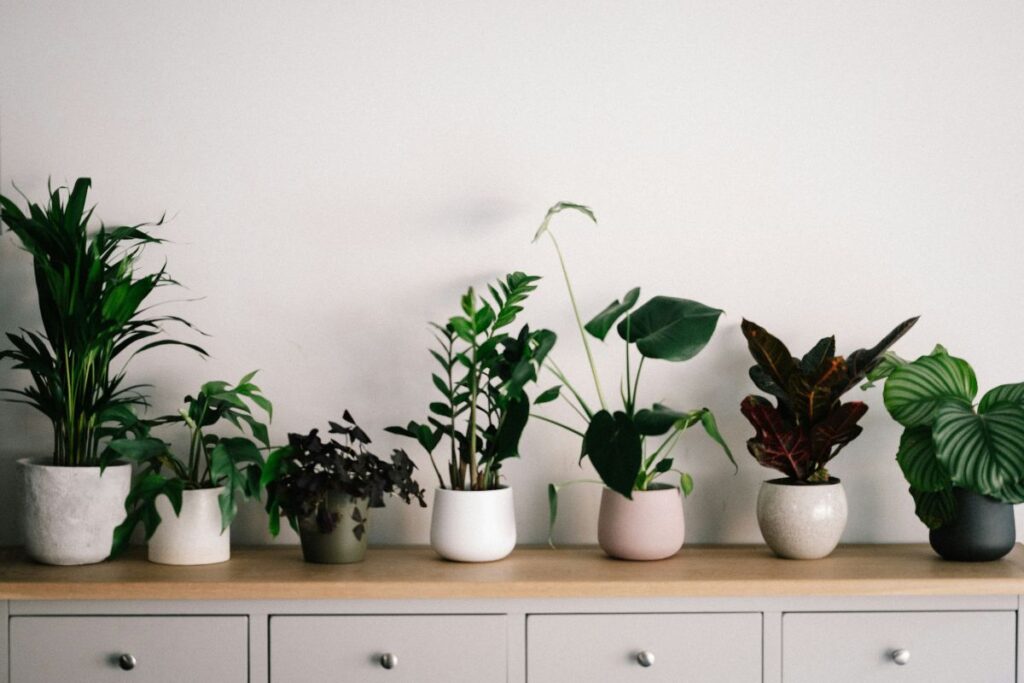
There are certain plants that help filter the air inside the home.
Spider plants, Peace Lilies and Snake Plants are great for filtering indoor air. Don’t have a green thumb? Most people don’t. But plants like these don’t require much attention.
They’re also aesthetically pleasing which helps with home decor.
Control Indoor Humidity
Last but not least, keep humidity levels in the home under control.
Ideal humidity levels should be between 30-50%. Higher levels promote the growth of mould and dust mites.
A cheap way to monitor this is by picking up a humidity monitor. If needed, get a dehumidifier to help reduce humidity in the home.
Wrap Up
Simple changes. Cheap changes. The only investment is time.
Committing to breathing cleaner on a daily basis can drastically improve respiratory health down the road. Here’s what to try every day…
- Practice deep breathing
- Get physical. Stay active
- Hydrate often
- Run the air through a purification system and open windows when possible
- Cut chemical exposure with natural alternatives
- Make sure indoor air quality is up to par
Just by making a few of these changes today, the difference in your respiratory wellness will be noticeable. The lungs will work better than ever before and breathing easier comes from knowing something proactive is being done to keep them healthy.
Images courtesy of unsplash.com and pexels.com