As the wheels of innovation churn relentlessly forward, the emergence of 3D printing, or additive manufacturing, heralds a new epoch in electronic engineering. It’s akin to a master artist discovering a palette of untouched colours, ready to paint unforeseen possibilities across the canvas of modern technology.
The canvas, in this case, is the expansive domain of electronic engineering where precision, efficiency, and innovation are the cornerstone requisites. The palette is the myriad of avenues 3D printing unfurls, allowing for a fine blend of artistry and engineering acumen. This metamorphosis not only redefines the conventional blueprint of designing and manufacturing but also propels the industry towards a horizon brimming with unchartered potential.
The Transition from Conventional to Contemporary
The traditional ethos of manufacturing has been akin to a well-trodden path, reliable yet laden with inherent limitations. The method of subtractive manufacturing, where material is removed to achieve desired shapes, has served us well but at the cost of material waste and often, a cap on creativity due to design constraints. The narrative, however, is pivoting with the advent of additive manufacturing.
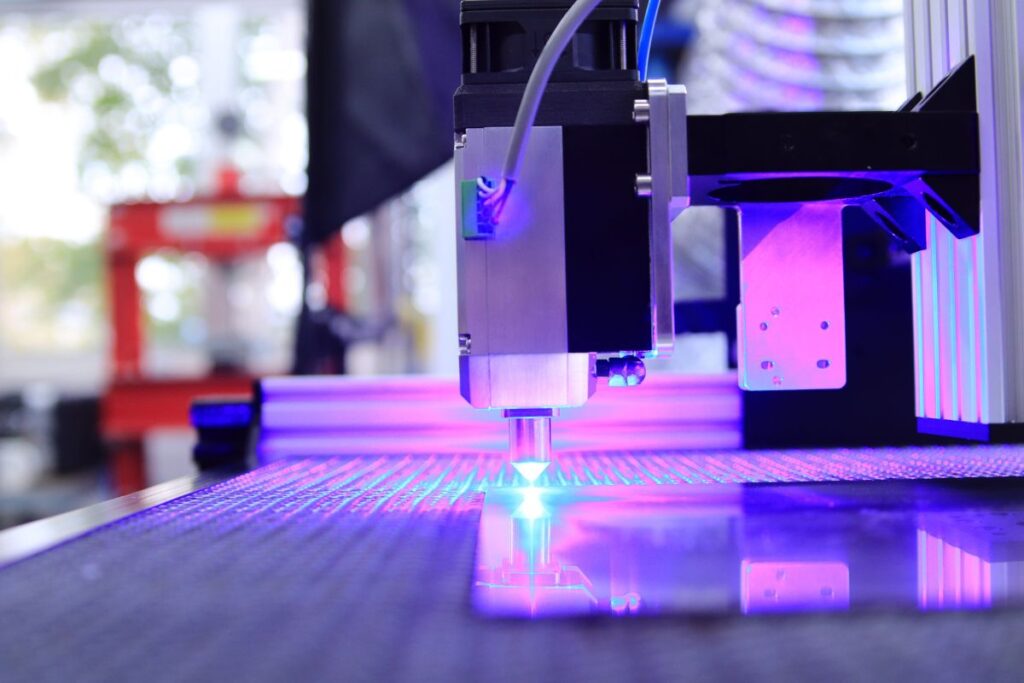
3D printing or additive manufacturing is less a leap and more a quantum jump from its traditional counterpart. Unlike subtractive manufacturing, 3D printing builds products layer by layer, a method that not only minimises material waste but also opens up a realm of design possibilities hitherto deemed unfeasible. This subtle yet profound shift in approach is akin to transitioning from a chisel to a paintbrush, where the former is bound by the rigidness of material and the latter is liberated by the fluidity of imagination.
The words of Julian Ware, UK & Ireland Sales Manager for ABB Robotics, underscore the promise held by this technology. He states, “Robotic 3D printing offers a solution to some of the biggest challenges facing the construction industry today.” This observation, although rooted in the construction sector, resonates across the spectrum of electronic engineering where the challenges of material waste, design limitations, and time constraints are equally prevalent.
Advancements Bridging the Gap
The journey from blueprint to product undergoes a metamorphosis as 3D printing takes the reins. This is especially salient in the realm of electronics, where precision and miniaturisation are paramount. As AI-powered design tools continue to evolve, many innovators now ask, How do I generate a 3D model from a text prompt, in order to accelerate prototyping and streamline the creative process. The once rigid boundaries that encapsulated electronic engineering are now being nudged, stretched, and redefined. This transition is more than just a technological advancement; it’s a paradigm shift enabling designers and engineers to venture beyond the conventional, into a realm where the complex geometries and bespoke designs become the norm rather than the exception.
The entwining of 3D printing within electronic engineering has yielded a symbiotic relationship, each propelling the other towards uncharted territories. The ability to create intricate components with a high degree of precision significantly broadens the horizon for electronic products. A case in point is the rumoured initiative by Apple to employ 3D printing in crafting its upcoming smartwatches. While details remain under wraps, the mere notion sheds light on the vast potential awaiting exploration. For those keen on keeping abreast with the unfolding narratives in electronics engineering, platforms like Electronic Specifier provide a window into the latest developments and innovations bridging the realms of 3D printing and electronics.
A Glimpse into the Future
One of the intriguing frontiers where 3D printing is making significant strides is in the production of solar panels. The traditional approach to solar panel manufacturing, despite its merits, often runs into the hurdles of material wastage, particularly during the slicing of silicon wafers. 3D printing, with its additive mantra, sidesteps this hurdle, ensuring that every droplet of material finds its rightful place in the grand scheme of the design.
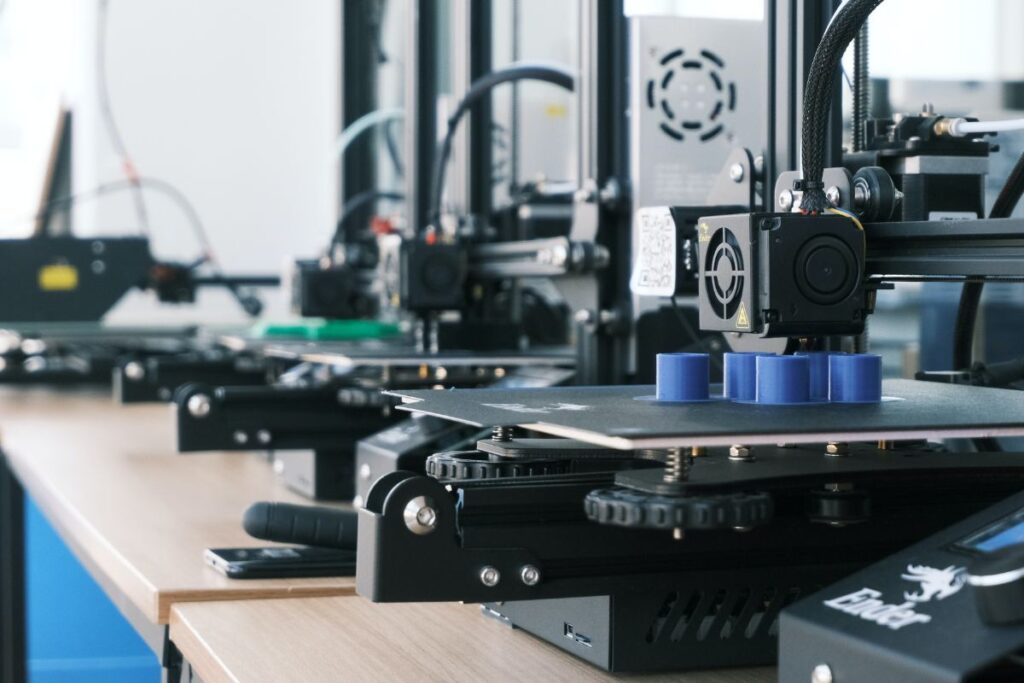
The finesse doesn’t stop at material conservation. The hallmark of 3D printing, its capability for intricate and tailored designs, shines brightly in the solar industry. The ability to craft solar panels with unique contours and dimensions tailored to specific installations morphs into a significant advantage, especially when integrating solar panels into architectural elements, whether it’s the curvature of building facades or other unconventional surfaces.
A Step Towards Sustainable Practices
A notable advantage of 3D printing lies in its penchant for material efficiency. The traditional manufacturing narrative often entails a tale of material wastage, where the quest for precision comes at the cost of excess. However, 3D printing, with its layer-by-layer approach, heralds a new era where material efficiency and design precision coexist. The stark contrast in material utilisation between traditional manufacturing and 3D printing isn’t merely a step towards cost-effectiveness but resonates profoundly with the burgeoning emphasis on sustainable practices within the industry.
Dr. Gregory Hayes, Senior Vice President Applied Technology at EOS North America, aptly articulates the evolving narrative of additive manufacturing. He observes, “Additive manufacturing is still currently an emerging technology in the manufacturing world with early adopters showing success and many inroads being made slowly but steadily – application by application.” This evolution echoes the incremental yet significant strides towards a manufacturing paradigm imbued with a greater sense of responsibility towards material utilisation and environmental consciousness.
Unleashing a Torrent of Opportunities
The marriage between 3D printing and electronic engineering is more than just a technical alliance; it’s an odyssey towards unbounded creativity and innovation. The ability to rapidly prototype designs, coupled with the freedom to explore intricate geometries, fosters a fertile ground for innovation. It’s akin to providing an artist with a palette laden with an array of colours and the liberty to paint without bounds.
One such canvas that is being vividly painted is the realm of aerospace and automotive industries. The inclusion of 3D-printed parts in modern aircraft and an increasing number of cars signifies a seismic shift in design and manufacturing ideologies. The narrative doesn’t stop here; industries from dentistry to athletics are riding the wave of 3D printing. Whether it’s the production of custom hearing aids, teeth aligners, or even bespoke footwear by giants like Adidas and Nike, the tendrils of 3D printing are weaving through various sectors, redefining the conventional blueprint.
Market Momentum
The economic narrative of 3D printing is as compelling as its technological one. The estimated market size for 3D printing in the UK stands at a robust £468 million, positioning it as the second-largest market in Europe and the fifth-largest globally. The trajectory is upward, with the UK 3D printing market anticipated to burgeon to a value of £685 million by 2026, growing at a Compound Annual Growth Rate (CAGR) of around 10%. The global stage is set for a similar ascension, with projections placing the global market value at a staggering $62.76 billion (£48.88 billion) by 2030, marking an annual increase of 20.8%. These figures aren’t mere numbers but a testament to the economic vitality and potential encapsulated within the realm of 3D printing.
This burgeoning market isn’t solely an economic phenomenon but a catalyst for further innovation. The infusion of financial vigour fuels research, development, and the quest for exploring uncharted territories within electronic engineering. The symbiotic relationship between market growth and technological advancement sets a dynamic stage for the unfolding narrative of 3D printing in electronic engineering.
A Revolutionary Canvas
The tapestry of innovation being woven by 3D printing extends beyond the conventional domains. A riveting illustration of this is the creation of a fleet of bee-inspired flying 3D printers by researchers at Imperial College London and Empa. These aerial artisans are envisioned for building and repairing structures in-flight, opening avenues for manufacturing and construction in perilous or hard-to-access locales. This venture could revolutionise post-disaster relief construction or maintenance of tall edifices, underscoring the boundless potential harboured by 3D printing technology.
The narrative of 3D printing is still in its nascent stages, yet the chapters penned so far are replete with promise and a glimpse into an exhilarating future. As Dr. Hayes aptly puts it, the sector is on a trajectory where understanding and acceptance of additive manufacturing as a vital tool in the toolbox of engineers and manufacturing entities will continue to deepen.
Conclusion
The odyssey of 3D printing in the realm of electronic engineering is akin to a burgeoning narrative, each chapter unfolding a medley of innovations that stretch the boundaries of what was once deemed possible. The symbiotic confluence between 3D printing and electronic engineering has not only redrawn the traditional blueprint of manufacturing but has also imbued the industry with a newfound vigour, propelling it towards a horizon replete with untold possibilities.
The economic vitality showcased by the burgeoning market statistics, coupled with the expansive scope of applications spanning from the minutiae of custom hearing aids to the grandeur of aerospace engineering, underscores the revolutionary essence of 3D printing. The tales of success echoed by industry pioneers and the compelling narrative penned by the statistics are a testament to the transformative potential of 3D printing.
As we stand on the cusp of a technological renaissance, the fusion of 3D printing and electronic engineering emerges as a beacon of innovation, casting a promising light on the road ahead. The ventures by industry behemoths like Apple, the strides in solar panel manufacturing, and the visionary applications in realms as diverse as construction and aerospace, are but the precursors to an exhilarating journey ahead. A journey where the shackles of traditional manufacturing are cast aside, giving wing to a realm where imagination, innovation, and environmental consciousness reign supreme.
The narrative of 3D printing in electronic engineering is far from its final chapter; instead, it’s a riveting prologue to a saga of unbounded innovation and a promise of a sustainable, efficient, and creatively fulfilling future.
Images courtesy of unsplash.com and pexels.com