Travelling across different landscapes comes down to how each place is experienced, especially in how the environment shapes the way you move, what you notice, and how your days unfold. A coastal stay, for instance, feels completely different from time spent in the mountains or a desert, even when the distances aren’t that far on a map.
This guide looks at a mix of travel destinations where the landscape shapes the experience. From residential neighbourhoods in Orlando to alpine routes in Switzerland and desert tracks in Morocco, each offers a distinct way to spend your time without overcomplicating movement between locations.
Relax in Luxury Private Estates in Orlando, USA
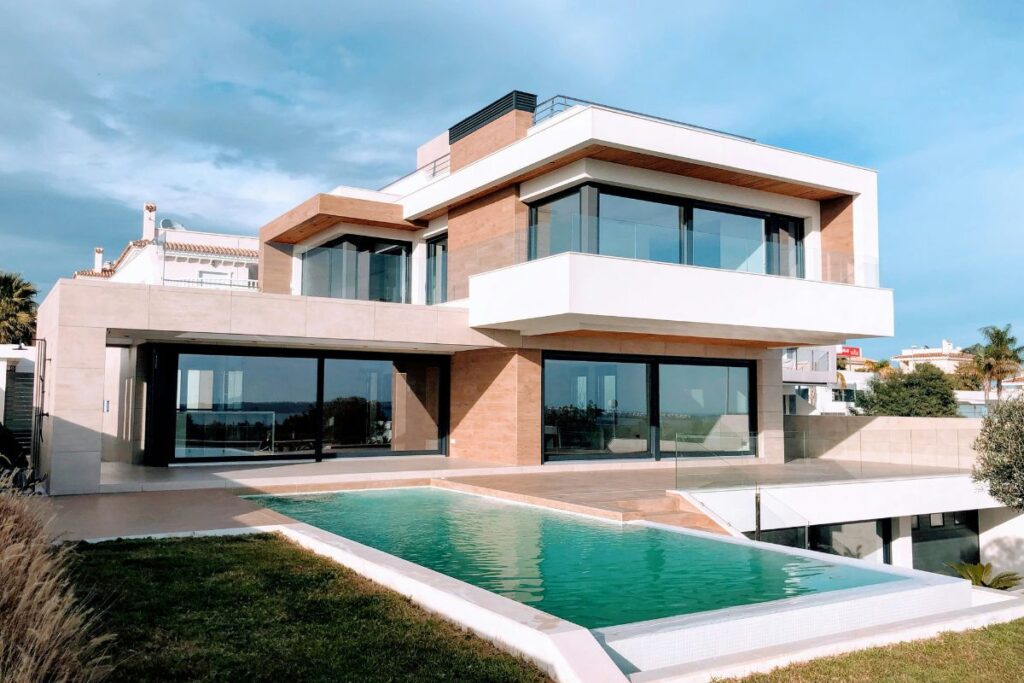
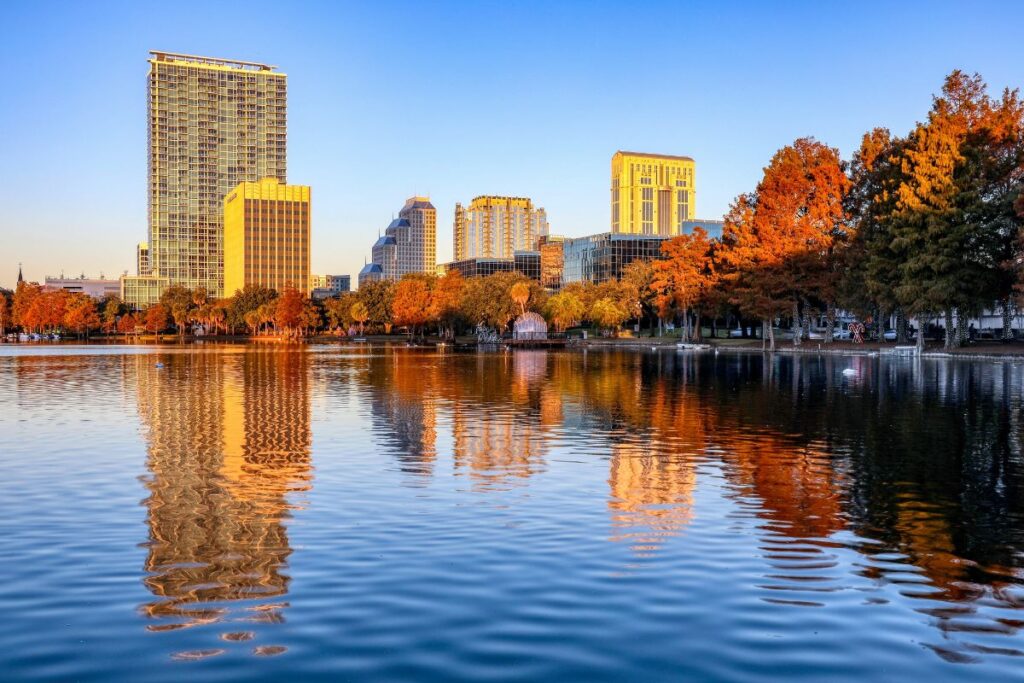
The best way to make the most of an Orlando trip is to choose the right base. Areas like Reunion Resort, Windsor Hills, and parts of Davenport sit just outside the main theme park zones, with direct access to World Drive and Interstate 4. This makes it easier to reach Walt Disney World or Universal without having to cut through unnecessary traffic routes.
It makes more sense to stay in Orlando villas, especially for families who travel together or in groups. Properties in these residential communities typically include full kitchens, private pools, and multiple living areas, which helps the day feel more balanced after hours spent at the parks. Reunion’s internal roads are easy to navigate, and the drive to Disney’s Animal Kingdom entrance is often under 20 minutes, depending on traffic.
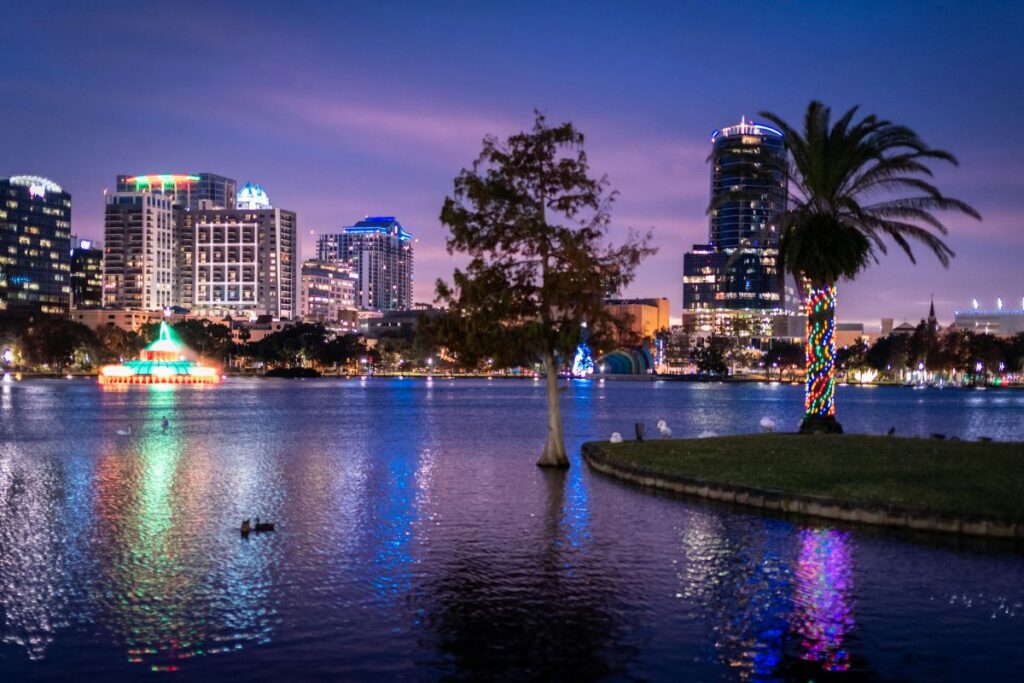
After spending some time at the parks, it’s worth heading out toward Celebration, a planned town just south of Disney property, where Market Street and the surrounding lakeside paths offer a quieter place to walk in the evening. Lake Buena Vista Factory Stores are also close by for a quick stop that doesn’t require a full day commitment.
Explore the High-Altitude Peaks of the Swiss Alps, Switzerland
The Swiss Alps are best approached by rail. Routes like the Glacier Express and Bernina Express link major alpine regions without the need to deal with mountain roads. Zermatt is one of the easiest places to base yourself since it’s car-free, with arrivals handled via Täsch and a short train connection into the village.
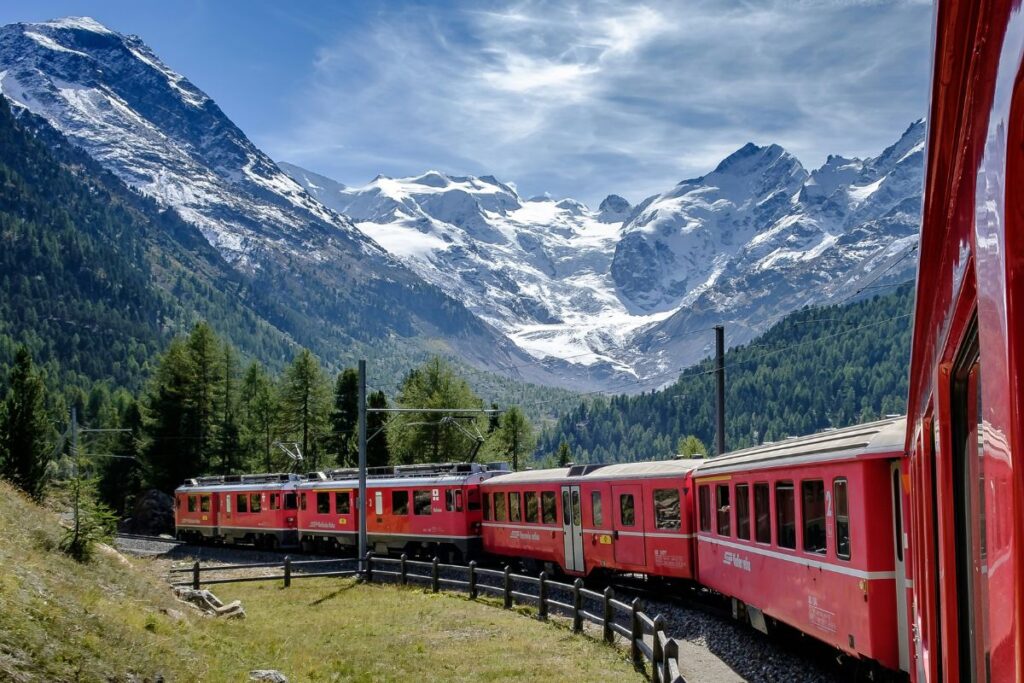
From Zermatt Bahnhof, most routes branch out on foot or by cogwheel train. The Gornergrat Railway runs directly up to one of the clearest viewpoints over the Matterhorn and surrounding peaks. For something less structured, the trail between Sunnegga and Blauherd opens into a series of lakes, including Stellisee, where the mountain reflects clearly on still mornings.
Further east, St. Moritz connects to the Engadin Valley, where the terrain widens slightly, and walking routes stretch between villages like Sils and Silvaplana. Movement here feels more linear, which helps avoid doubling back. Most lifts and trains are well timed, making it easy to travel between elevations without needing to plan too far ahead.
Experience Immersive Cultural Journeys in the Rural United Kingdom
The rural parts of the UK reveal themselves slowly, especially when you move along local roads and footpaths instead of major transport routes. The Cotswolds are a good starting point, particularly around towns like Stow-on-the-Wold and Bourton-on-the-Water, where narrow streets connect stone cottages, village greens, and weekly markets.
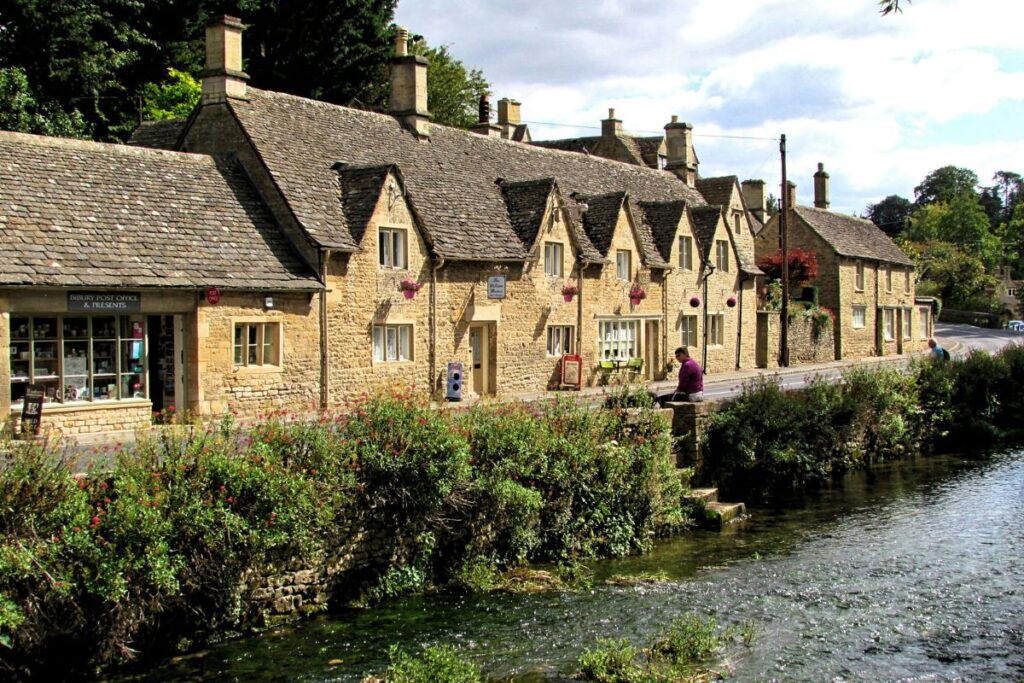
Moving between villages works best when you combine short drives with walking routes. The path between Broadway and Snowshill passes through open farmland and low hills, with clear signage and steady terrain. Market days in towns like Cirencester bring in local produce and crafts, which helps you understand how these places function day to day.
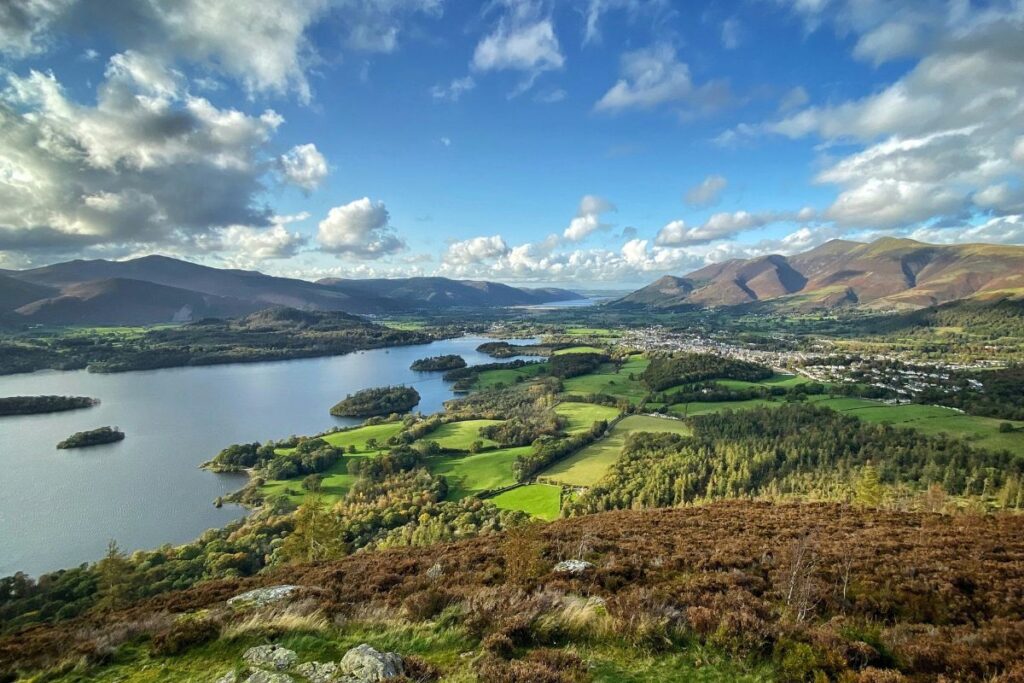
For those looking to enjoy slow travel adventures in the UK, guided routes that link regions like the Lake District or Northumberland make the experience easier to follow without losing a sense of the local detail. Routes often pass through places like Keswick Market Square or along sections of Hadrian’s Wall Path, where the landscape and history naturally overlap.
Discover the Vast Golden Sand Dunes of the Sahara Desert, Morocco
The Sahara is usually accessed through towns like Merzouga or M’Hamid, depending on which edge of the desert you’re approaching. Merzouga sits right on the edge of the Erg Chebbi dunes, which rise sharply from the surrounding flatlands and are accessible within minutes of leaving the main road.
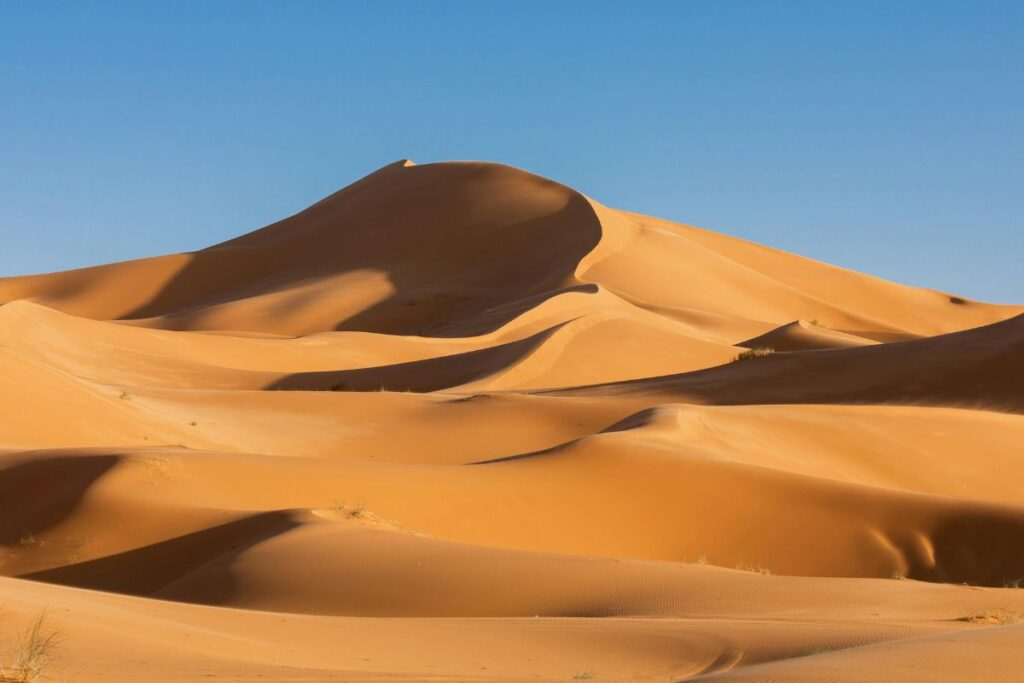
Movement here is more about timing than distance. Early mornings and late afternoons are when most people head into the dunes, either on foot or by camel. The sand shifts constantly, so landmarks aren’t fixed, but the general routes from Merzouga toward the taller dunes remain consistent.
Getting there usually involves travelling from Marrakech via the N9 toward Ouarzazate, then continuing through the Dades Valley and Todra Gorge before reaching the desert edge. These stops break up the journey and show how the terrain shifts, from rocky valleys to open sand. Once in the dunes, there’s very little structure. It’s one of the few places where the landscape removes the need for a fixed route.
Find the Best Mediterranean Coastal Stays in Rhodes, Greece
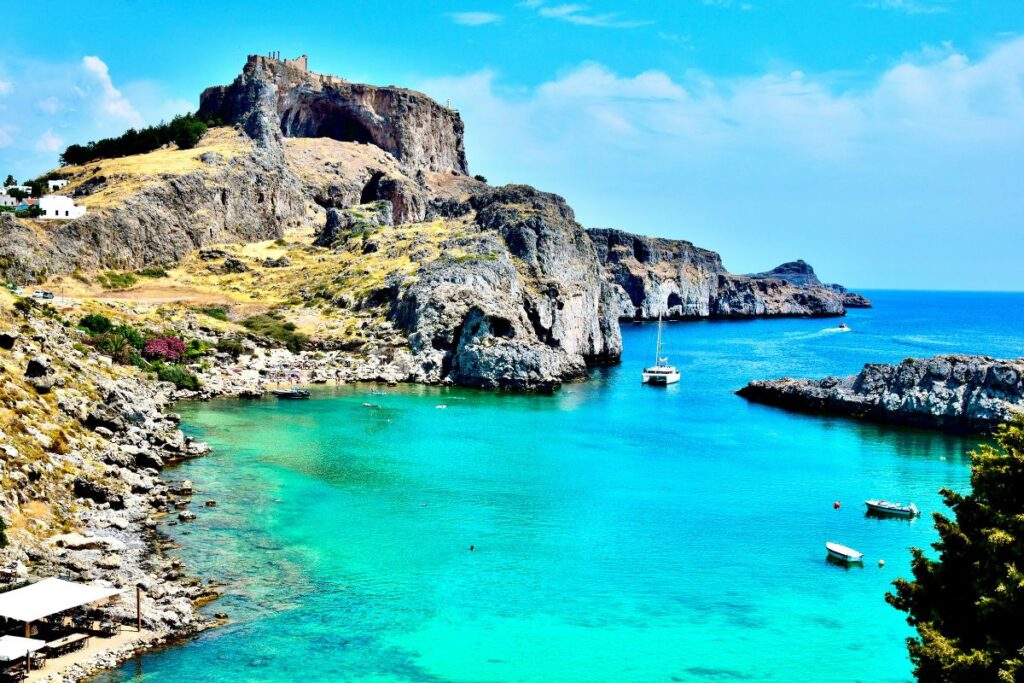
Rhodes splits quite naturally between its historic north and more open coastal areas further south. Rhodes Old Town is usually the starting point, especially around the Street of the Knights and the Palace of the Grand Master, where the layout still follows its medieval structure.
For beach-focused stays, areas like Faliraki and Kolymbia along the east coast are well connected by the main coastal road. Staying here makes it easy to travel between beaches like Anthony Quinn Bay and Tsambika Beach without long detours. Lindos, further south, is worth setting aside half a day for, especially to walk up to the Acropolis and then back down through narrow lanes that lead toward St Paul’s Bay.
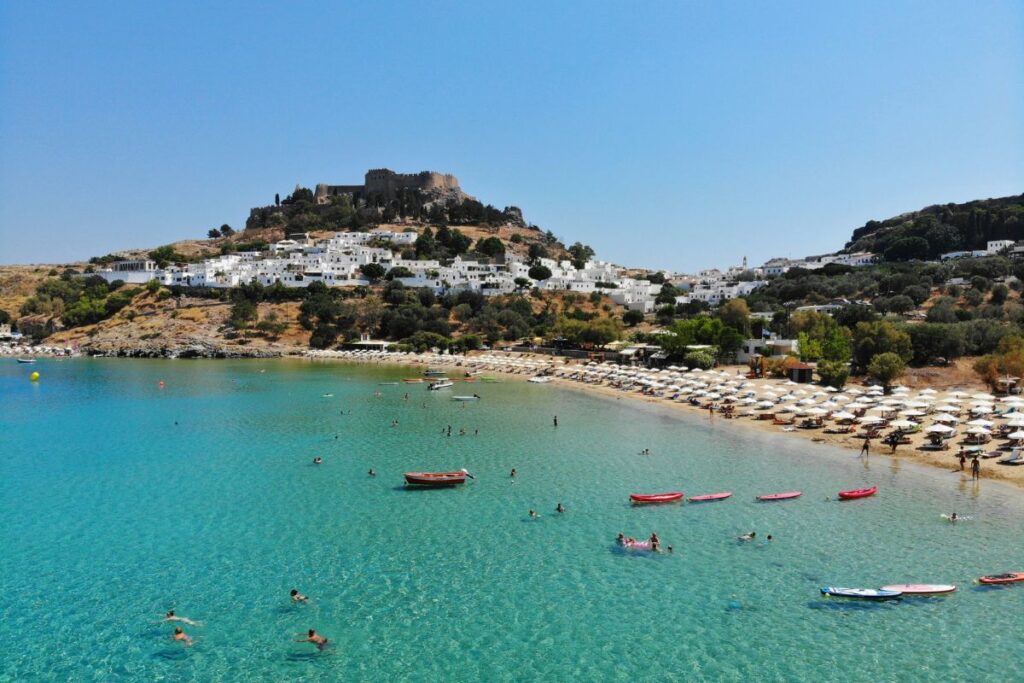
Booking picturesque accommodation in Rhodes often comes down to how close you want to be to either the Old Town or the coastline. Properties within walking distance of the Old Town walls offer easy access to historical sites, while those along the east coast tend to be closer to swimming spots and longer stretches of beach. Buses run regularly along the main routes, but having a car makes it easier to reach quieter parts of the island.
Which global landscape will you explore?
Each of these destinations is shaped by how the landscape directs movement. Orlando spreads across residential zones and park entrances, the Swiss Alps move vertically through rail and lift systems, and the UK’s rural regions follow older routes that connect villages and farmland. Morocco’s desert shifts the focus to timing and direction, while Rhodes balances between historical sites and coastal access. The choice isn’t just about where to go, but how each landscape shapes the way you experience it once you’re there.
Images courtesy of unsplash.com and pexels.com