Wealth has a texture. It shows up in the weight of linen sheets, the silence of private beaches, and the particular way staff remember your name without being told twice. Some places sell this feeling better than others. The question is where to find it and how much you’re willing to pay.
The answer depends on what you’re after. Maybe it’s a suite with a terrace overlooking the Aegean. Maybe it’s a chartered route through the Norwegian fjords with no other passengers in sight. The destinations that deliver genuine exclusivity share common traits: they’re hard to reach, limited in capacity, or both. They make crowds impossible.
Where the Money Goes
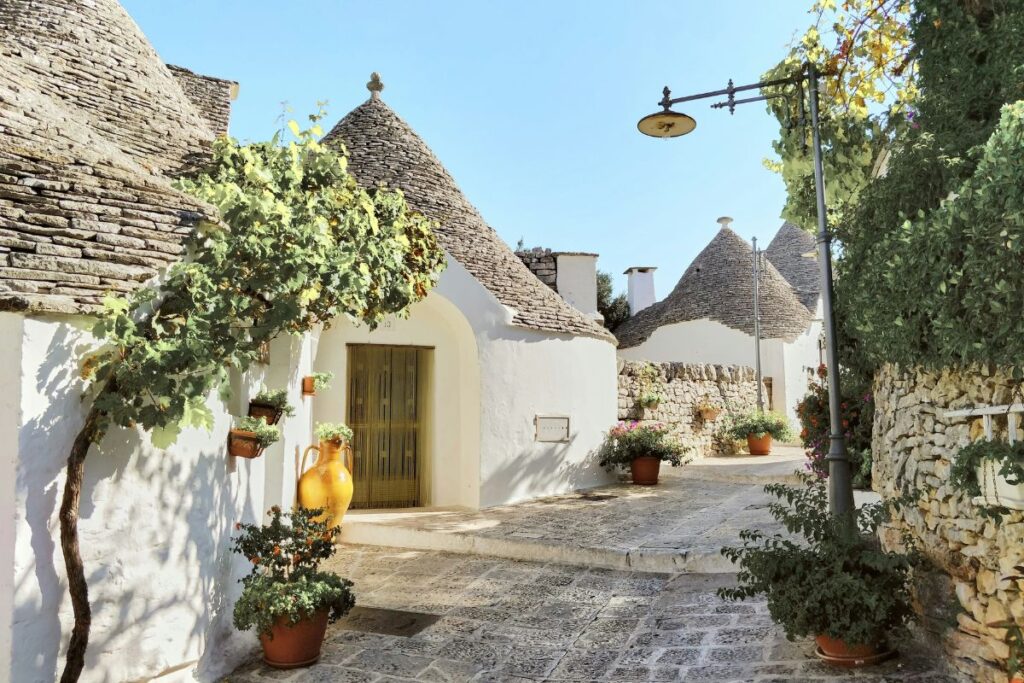
Italy remains the default for anyone chasing old-world refinement. The Amalfi Coast draws the same crowd it always has, but the quieter stretches of Sicily and Puglia now pull travellers who want proximity to the Mediterranean without fighting for restaurant reservations. Greece follows a similar pattern. Santorini still fills with tourists every summer, but the private villas scattered across the Cyclades offer retreat for those who know where to look.
Japan has moved firmly into the luxury travel rotation. Kyoto and Tokyo both cater to high-end visitors, but the real draw lies in ryokans with century-old traditions and kaiseki meals that take hours to complete. Portugal saw a surge in interest over the past few years. Lisbon draws attention for its architecture and wine, while the Algarve coastline provides beach access with fewer interruptions.
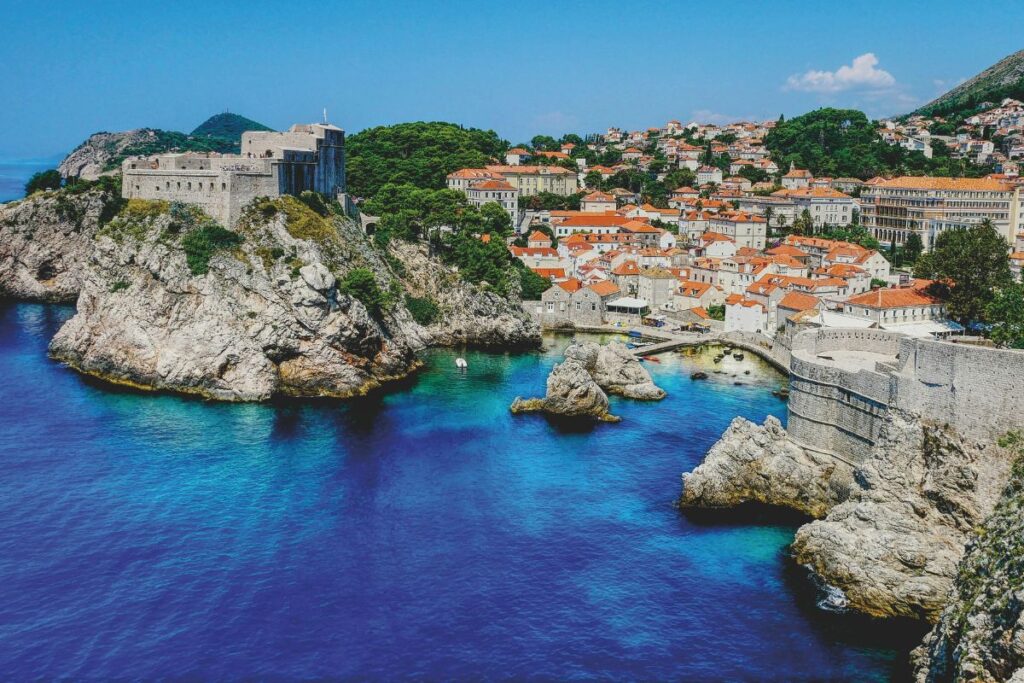
Croatia continues to attract yachts along its Dalmatian shores. Split and Dubrovnik serve as anchor points, but the smaller islands between them offer moorings with no one else around. France never really leaves the conversation. Provence, the Côte d’Azur, and Bordeaux all remain fixtures in the itinerary of anyone spending freely.
Luxury Without the Label
Travel in 2026 leans heavily toward privacy and personalization. According to recent industry reports, 77% of advisors expect luxury travel demand to climb this year, with 71% noting that clients are prepared to spend more per trip. Yachting has surged in popularity among those seeking full control over their itineraries. Four Seasons launches its first yacht this year, offering 95 suites and routes through the Mediterranean and Caribbean.
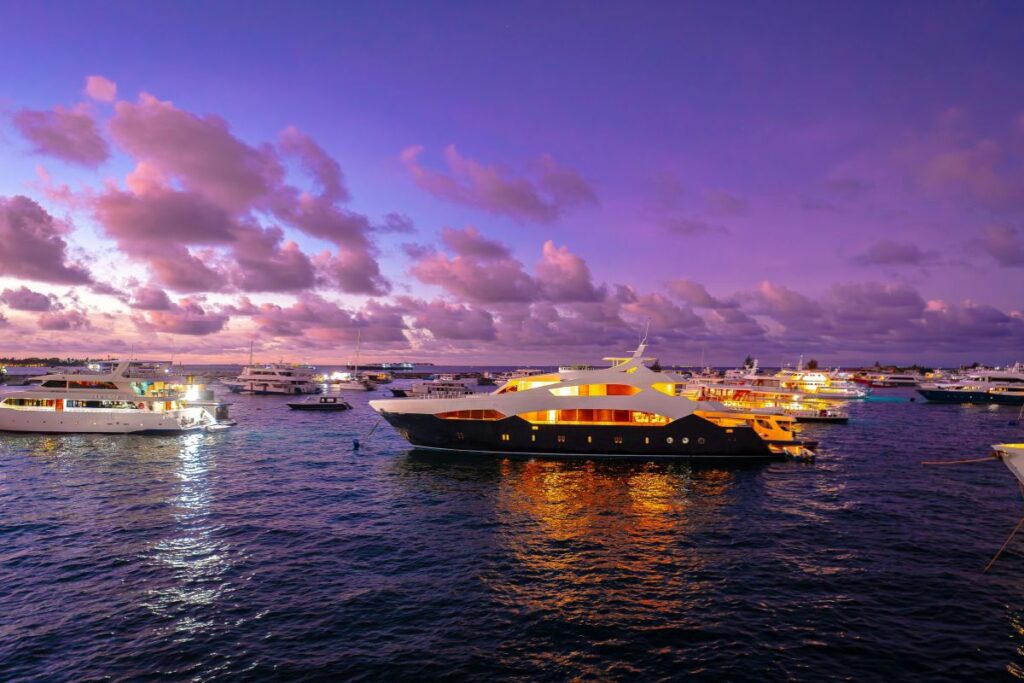
You don’t have to be a sugar daddy to enjoy luxury. Destinations like Iceland, Antarctica, and Norway are drawing travellers who want remote settings and rare access. South Korea saw international visitors jump 48.4% between 2024 and 2025, placing it among the top destinations for high-end vacations.
Domestic Options Worth the Fare
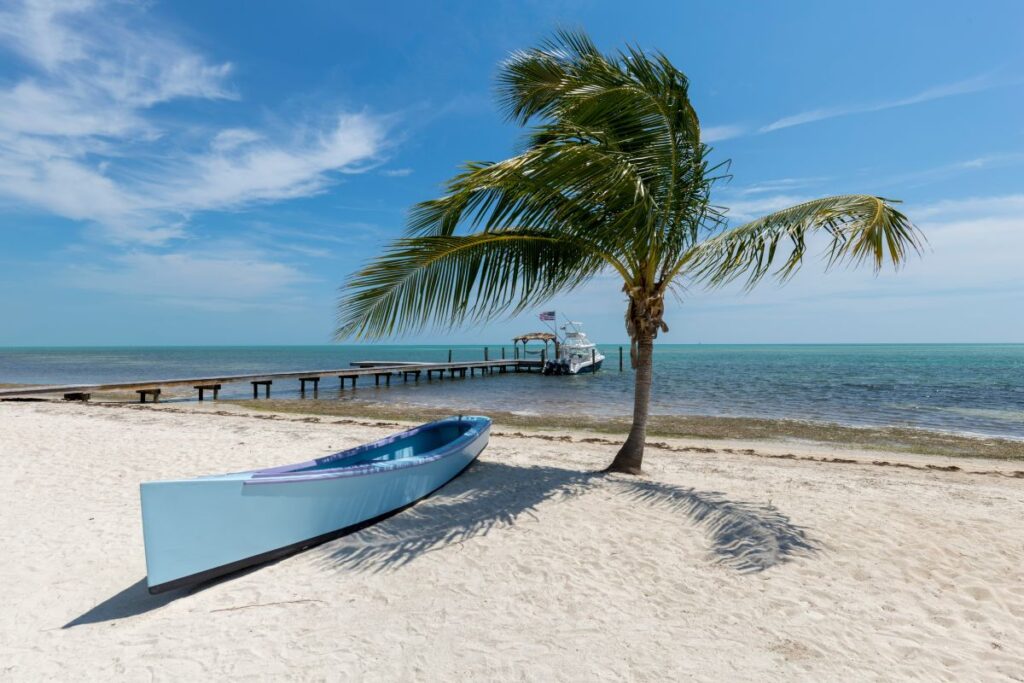
Hawaii holds its place for obvious reasons. The islands offer ocean views, warm weather, and resort infrastructure built over decades. The Four Seasons on Maui and the Halekulani in Waikiki both cater to travellers who want polish without pretence. The Florida Keys attract a different sort of crowd, one that prefers fishing charters and waterfront dining to large-scale resorts. Key West has its share of tourists, but the smaller keys above it remain quieter.
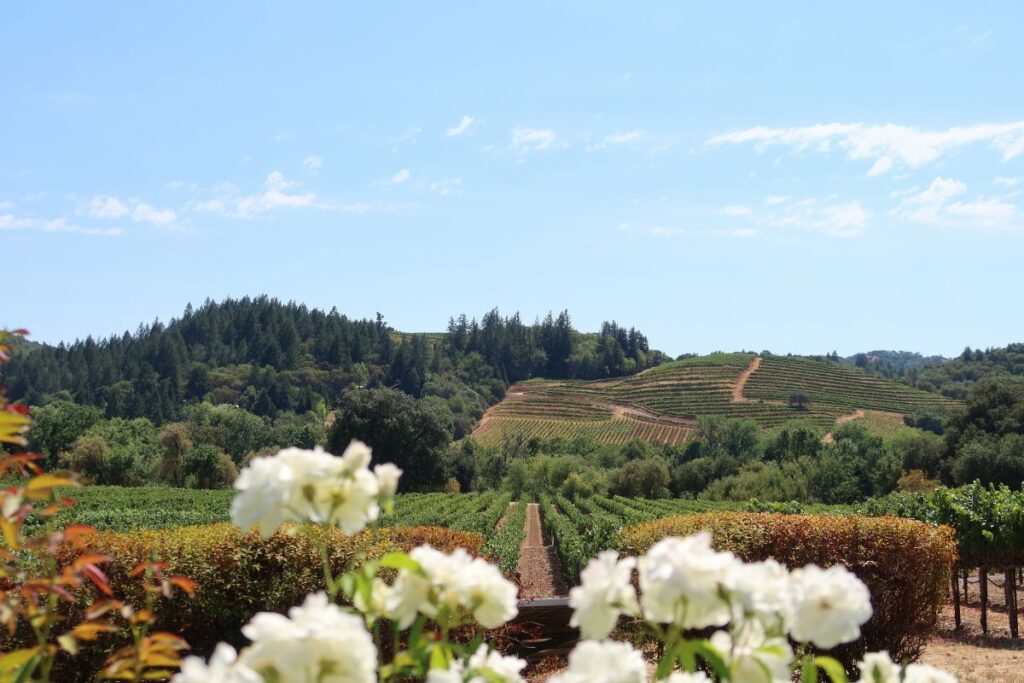
Napa Valley continues to serve as the primary destination for wine tourism in the country. Tastings at top estates often require advance booking and carry fees that filter out casual visitors. New York City offers a different kind of luxury altogether. The right suite at the right hotel can feel like an entirely separate city from the one on the street below.
Scottsdale rounds out the list. Desert resorts there provide spa treatments, golf courses, and temperatures that make winter tolerable. The crowd skews older and quieter.
The Rise of Remote Destinations
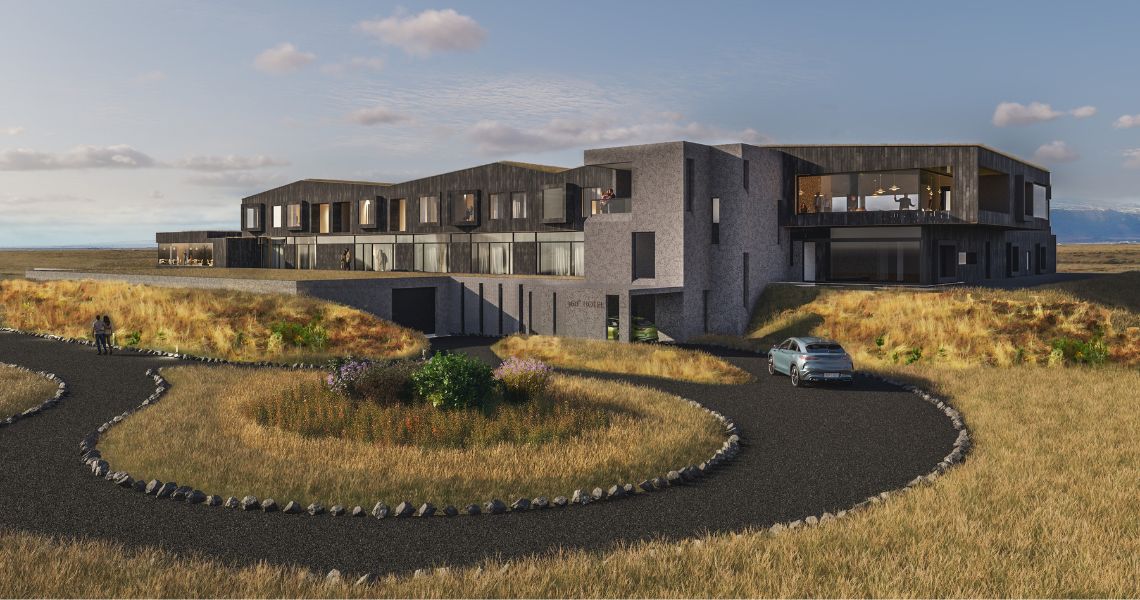
Antarctica has become a destination for those who want something impossible to replicate elsewhere. Expedition ships carry small groups to the continent for brief landings and wildlife sightings. The cost runs high, often exceeding $20,000 per person, but the isolation delivers on its promise. Iceland draws visitors for reasons that have nothing to do with beaches or warmth. Volcanic terrain, geothermal springs, and sparse population make it feel detached from the rest of the world.
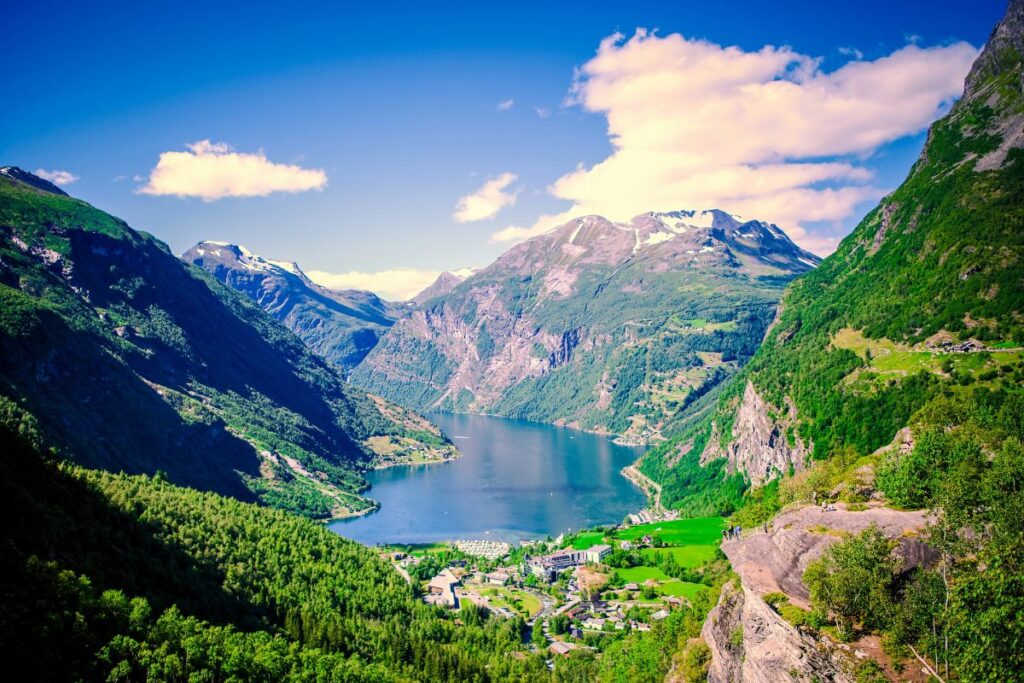
Norway offers fjord cruises and northern lights in winter. The best routes include overnight stays in remote lodges accessible only by boat.
What Travellers Want Now
Mega suites have become more common across hotel portfolios. Guests ask for more square footage, more separation from other travellers, and more control over their surroundings. Some properties now build entire floors around a single suite, complete with private kitchens and dedicated staff.
Personalization has replaced standardization as the benchmark for luxury service. Hotels track guest preferences across stays and adjust accordingly. Room temperature, pillow type, and dietary restrictions all get logged and anticipated. The same applies to yachts and private jets. The goal is to remove friction entirely, to make travel feel effortless even when it involves crossing oceans.
Spending Without Regret
The travellers spending most freely in 2026 share a particular mindset. They want access, not accumulation. They’re less interested in collecting stamps on a passport than in securing entry to places with limited capacity. They book far in advance, rely on advisors with insider relationships, and pay premiums for exclusivity.
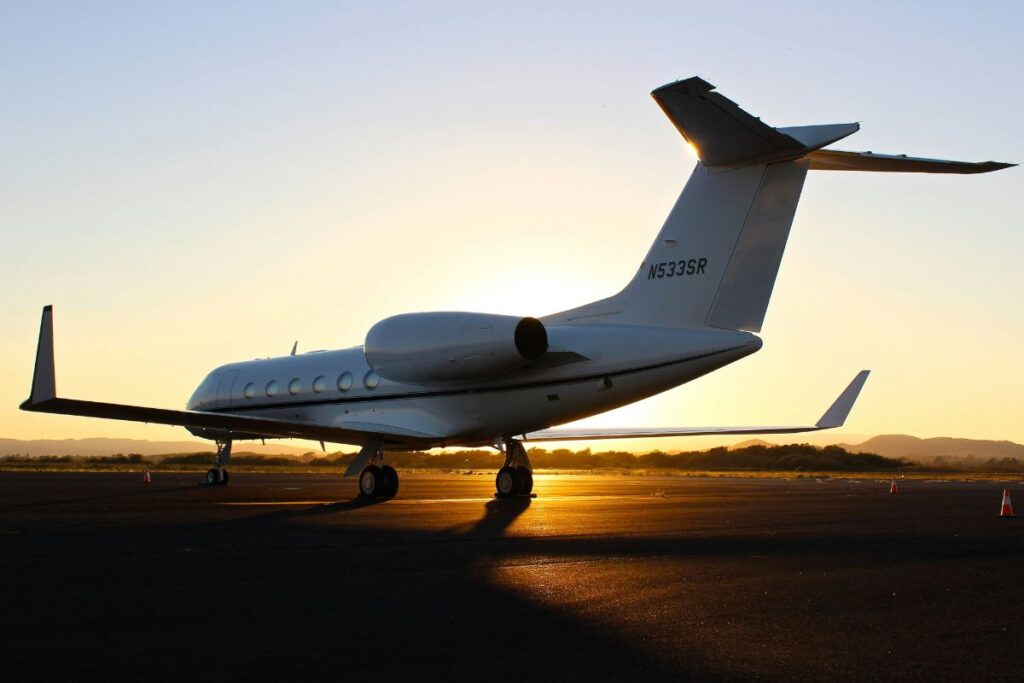
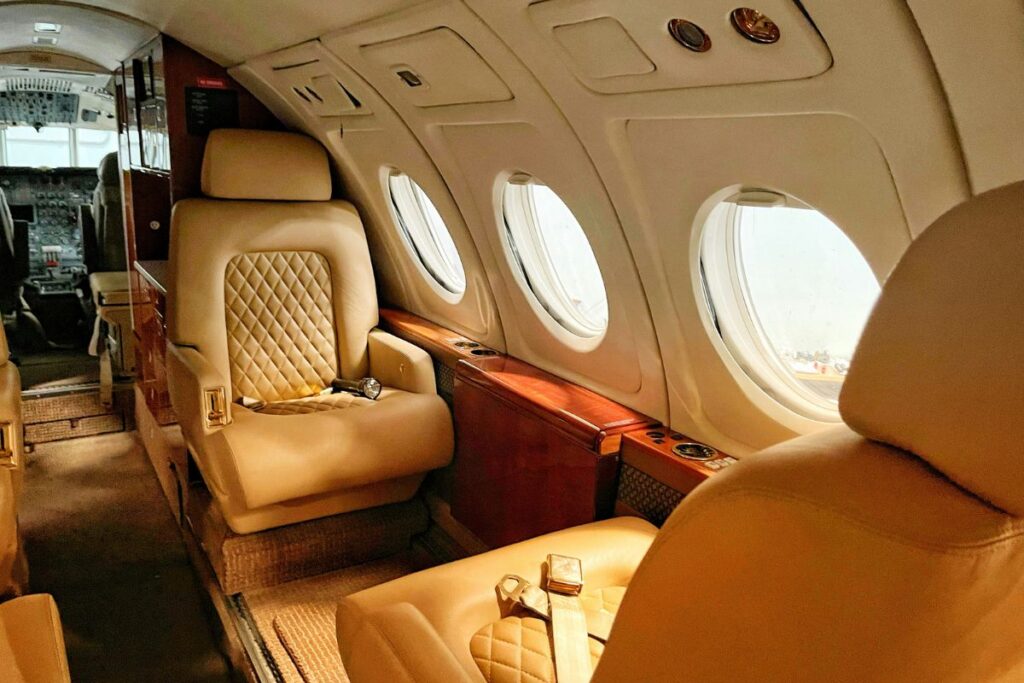
The result is a trip that feels different from the start. Airports become lounges. Transfers become private cars. Hotels become residences for the week. Every friction point gets smoothed over by someone else. That’s the real value of luxury travel. It removes the parts of travel that exhaust you and replaces them with rest.
Conclusion
Luxury travel today is less about showing status and more about protecting time, space, and peace of mind. Whether it’s a private villa in Greece, a yacht through quiet Croatian islands, or a remote lodge under the northern lights, the true reward lies in experiences that feel rare and personal. For those willing to invest, these destinations offer more than comfort—they offer escape from the ordinary. And in a world that rarely slows down, that kind of exclusivity feels priceless.