Travelling independently often works well, but some destinations are shaped by terrain, access, or logistics that need a bit more planning. That doesn’t mean giving up flexibility. It simply means understanding how to move through a place without unnecessary delays. In some cases, that involves permits for protected areas.
In others, it’s about timing, transport links, or knowing how to connect scattered sites without losing half a day in transit. The destinations below aren’t difficult to navigate, but they do benefit from a more structured way of getting around.
Witness the Great Migration in Tanzania, Africa
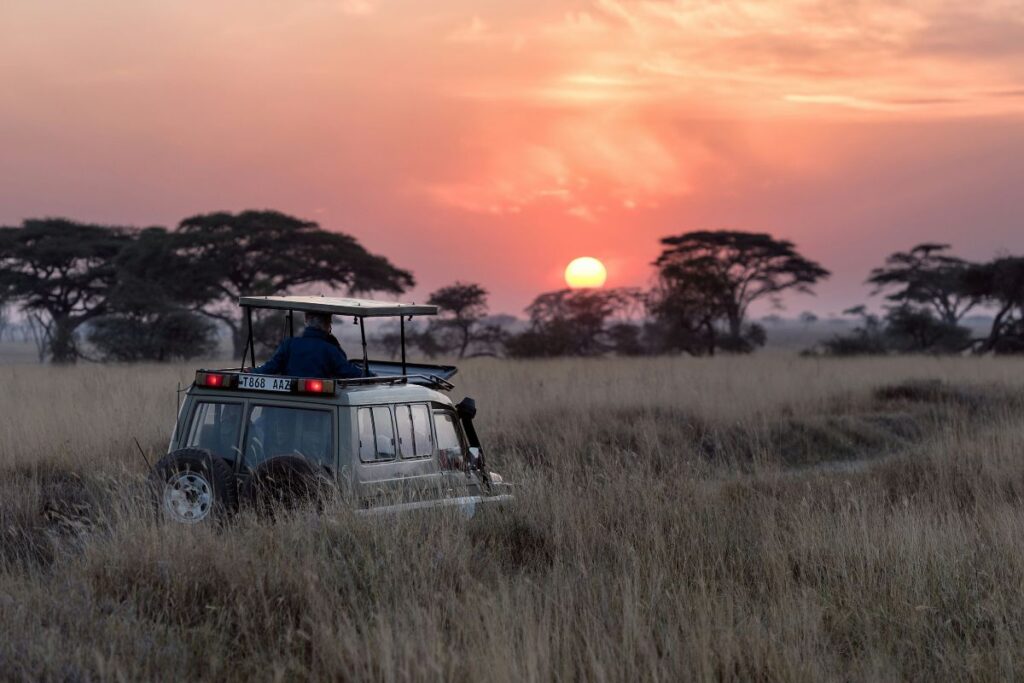
The scale of the Serengeti becomes clearer once you’re out on the tracks. Distances between areas, such as Seronera, the Western Corridor, and the northern Mara River crossing zones, are significant, and animal movement shifts throughout the year. That’s why most travellers follow a route that moves with the migration instead of staying in one place.
It may be worth taking the time to try tailor-made Tanzania safari holidays, which usually involve aligning camps and game drives with where herds are expected to be, whether around Ndutu during calving season or further north near Kogatende when river crossings begin. This planning is also tied to specific access points, including airstrips like Seronera and Kogatende, along with the road conditions between them.
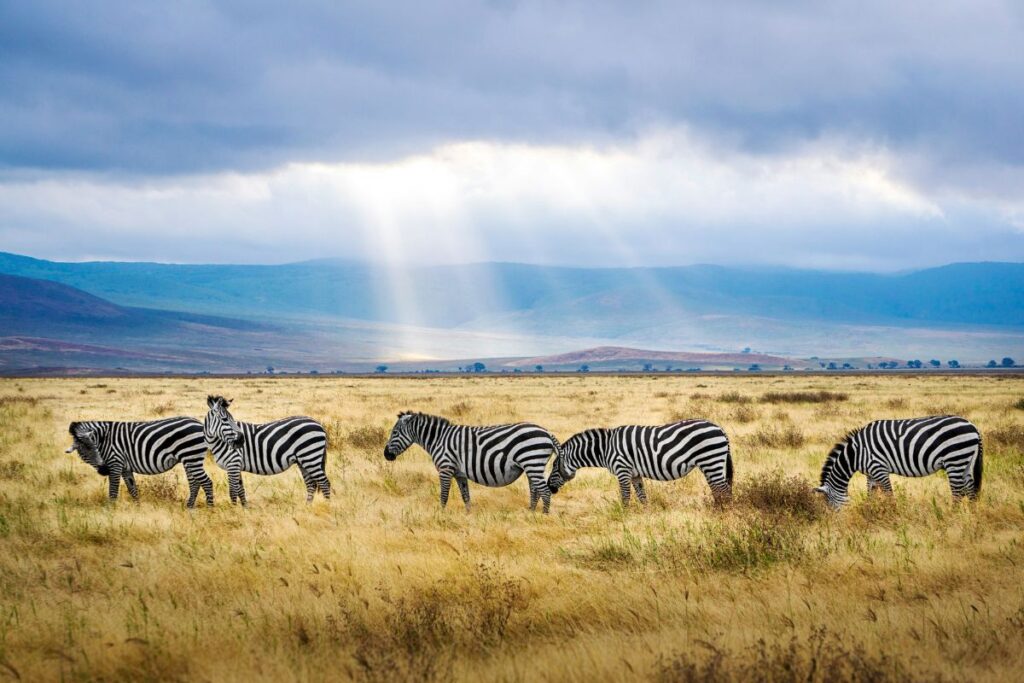
On the ground, days start early. Vehicles head out along dirt tracks where sightings depend on recent movement. One morning might follow the Grumeti River, the next might loop back through open plains. Without that structure, it’s easy to miss the migration entirely.
Navigate the Rose-Red City of Petra, Jordan
Petra looks compact on a map, but once inside, it stretches out into a network of trails, viewpoints, and side routes. Most visitors enter through the Siq, the narrow gorge that leads to Al-Khazneh, but that’s just the starting point. From there, the main path runs past the Street of Facades and the Royal Tombs before opening out towards the Colonnaded Street.
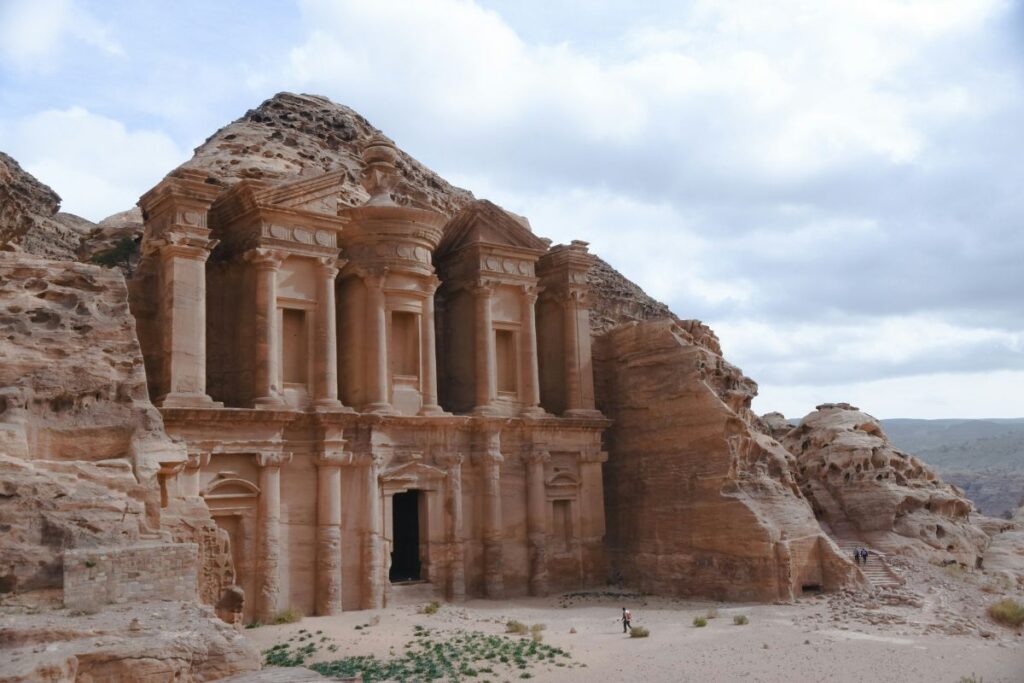
The climb up to the Monastery (Ad Deir) takes longer than expected. The steps are uneven, and the route winds through shaded sections before opening up at the top. It’s worth timing this for earlier in the day, as the heat builds quickly across the exposed rock.
Getting around Petra is easier when routes are grouped. Covering the High Place of Sacrifice and Wadi Farasa trails in the same stretch helps avoid backtracking. While the site isn’t difficult to navigate, distances do add up. Having a clear route in mind helps keep the day manageable once you’re inside.
Explore the Remote Arctic Wilderness of Svalbard, Norway
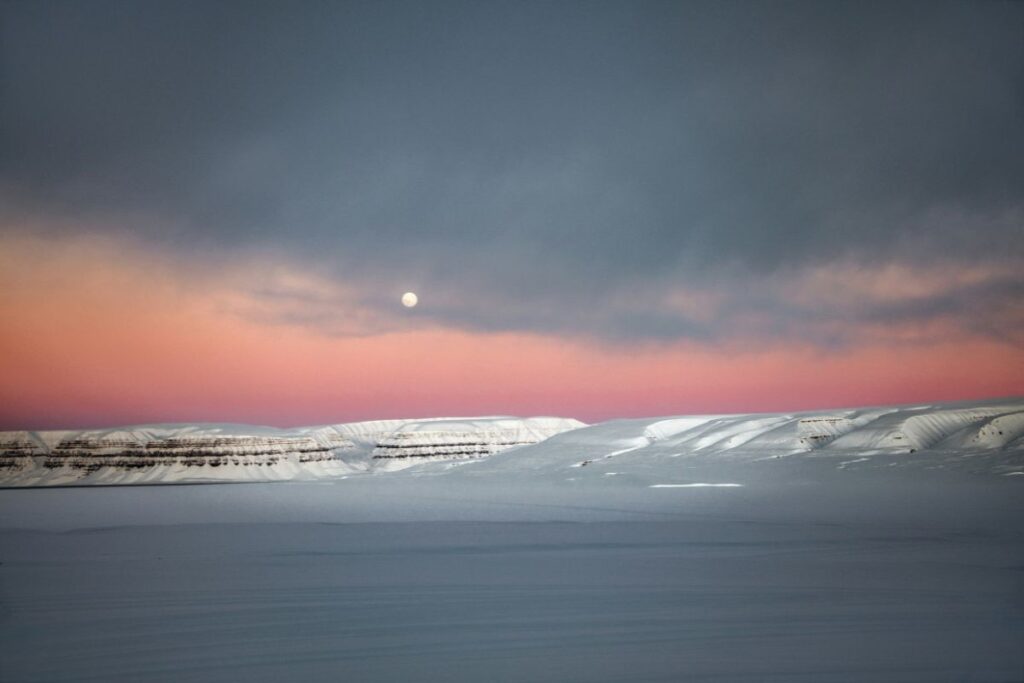
Svalbard isn’t somewhere you explore independently in the usual sense. Longyearbyen acts as the main base, but beyond that, access is tightly controlled due to wildlife risks and environmental protection. Moving outside the settlement usually requires a guide, especially in areas where polar bears are present.
Despite its remoteness, it’s still possible to enjoy cruises to Svalbard, with routes that access fjords and coastlines unreachable by land. These often include areas like Isfjorden, the cliffs of Alkefjellet, or the ice edges near Hinlopen Strait, where wildlife sightings are more likely. It’s worth noting that there are no fixed stops. Conditions change quickly, and itineraries adjust depending on ice coverage and weather.
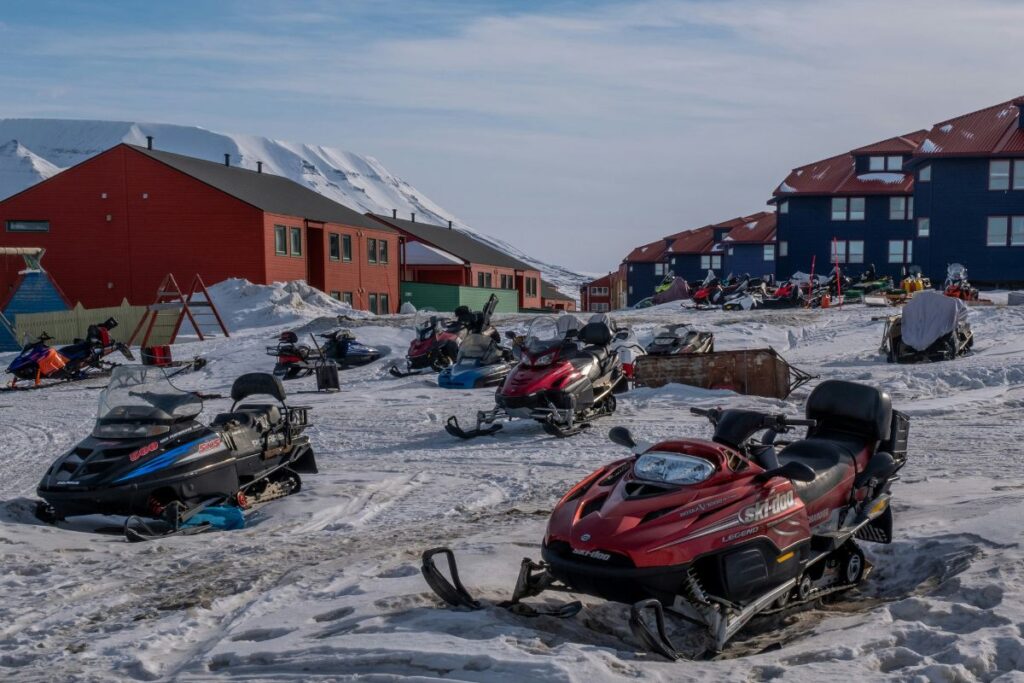
On land, guided excursions might head towards the abandoned mining town of Pyramiden or across Adventdalen by snowmobile in winter. Distances are vast, and there are no marked walking routes outside town limits. Everything here depends on knowing where it’s safe to go and how to get there.
Discover Ancient Samurai Heritage in Takayama, Japan
Takayama is easier to explore once you break it into walkable sections. The old town around Sannomachi Street holds preserved wooden buildings, narrow lanes, and merchant houses that still reflect Edo-period design. Early mornings are the best time to walk through here, before tour buses arrive.
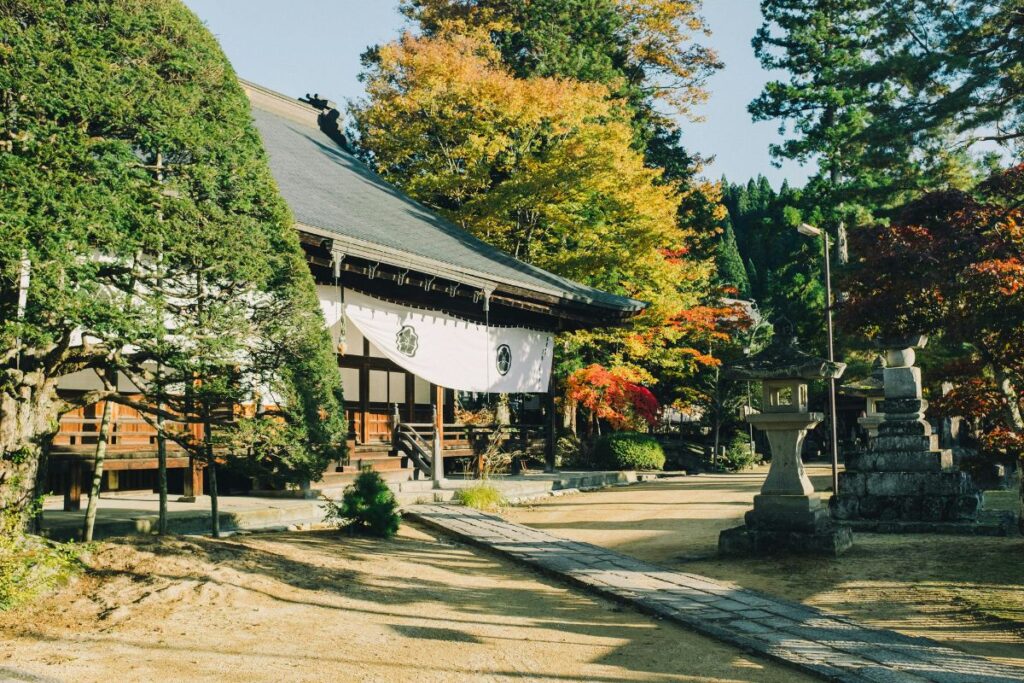
A short walk away, the Miyagawa Morning Market runs along the riverbank. It’s not large, but it offers a glimpse into local life and how the town functions. From there, it’s a steady walk towards Takayama Jinya, the former government office, which provides a more structured look at how the region was administered.
The Hida Folk Village sits further out, reachable by bus or a longer walk. Visiting it after the town centre makes more sense, as it adds context to what you’ve already seen. Takayama is easy to navigate, but grouping areas helps avoid unnecessary backtracking.
Experience the Unique Volcanic Landscapes of the Galapagos, Ecuador
The Galapagos aren’t difficult to navigate in terms of distance, but movement between islands is regulated. Each island has designated landing sites, and visitor numbers are controlled to protect the environment. That’s why most trips follow set routes with no open itineraries.
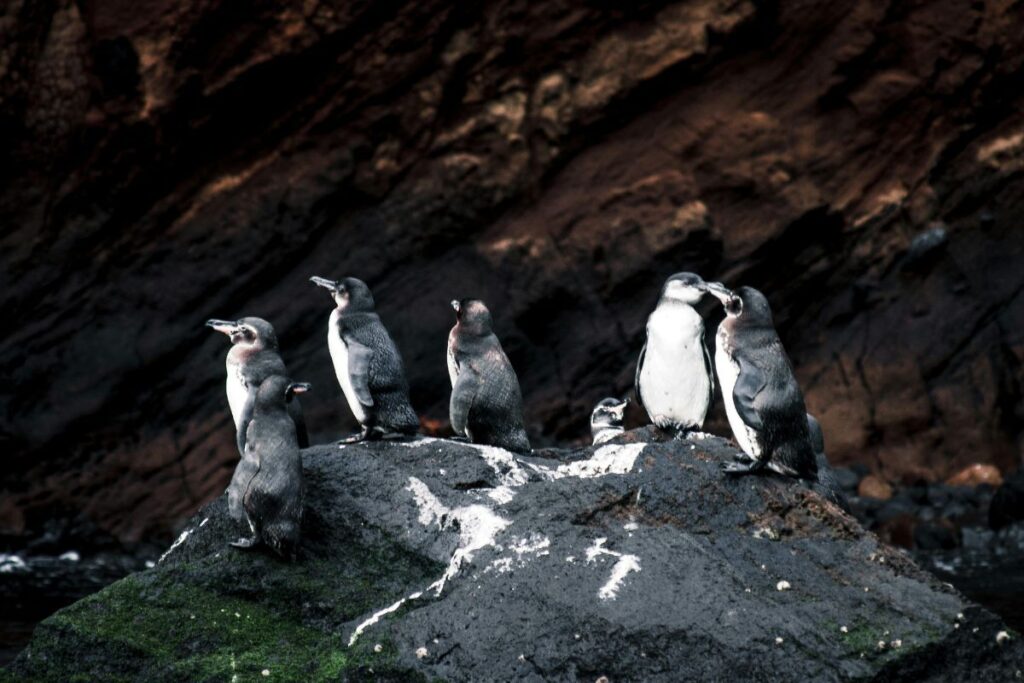
Santa Cruz acts as the starting point, with Puerto Ayora as the main town. From there, excursions head out to places like Tortuga Bay or the Charles Darwin Research Station. Boats then connect to other islands such as Isabela or Española, depending on the route.
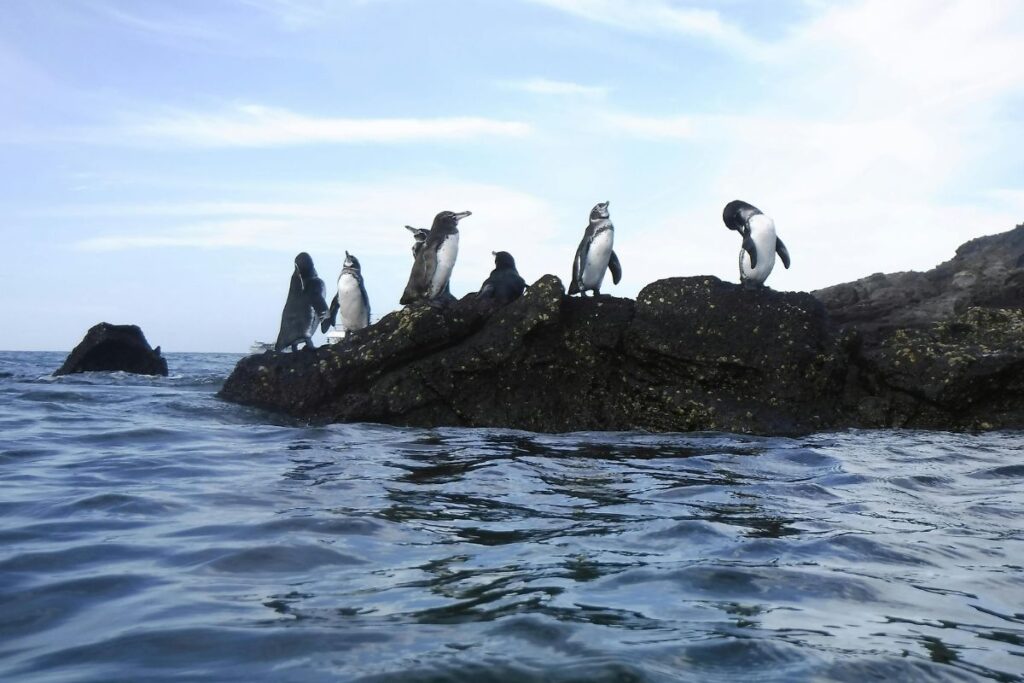
Each island stands out for how different it feels from the next. Isabela’s volcanic terrain near Sierra Negra contrasts with the bird colonies on North Seymour or the marine life around Floreana. Travel here is more about moving between specific ecosystems in a way that’s carefully managed. It’s structured, but for good reason.
Which global wonder will you choose?
The best way to enjoy these destinations is to approach them on their own terms. Tanzania follows the movement of wildlife across large distances. Petra unfolds through connected trails that are easy to underestimate. Svalbard depends on conditions that change daily, while Takayama benefits from knowing how to link its smaller areas. The Galapagos operates within strict environmental limits that shape how you move between islands.
Choosing which to explore first comes down to how you prefer to experience a place. Some are drawn to wildlife and open landscapes, others to historic sites or remote environments. Whatever your preference, a more structured approach makes it easier to reach places that would otherwise be hard to access.
Images courtesy of unsplash.com and pexels.com