Travelling can be one of the most enriching experiences of our lives, providing opportunities to explore new cultures, meet diverse people, and create lasting memories.
However, it’s essential to recognize that travel also comes with its own set of risks. From slips and falls to accidents caused by unfamiliar environments, injuries can occur anywhere, potentially ruining what should be a joyful journey. Understanding these hidden dangers of travel and taking proactive steps to prevent them is crucial for ensuring a safe and enjoyable travel experience. This guide will delve into common travel-related injuries, their causes, and effective prevention strategies to help you travel with confidence.
Common Travel-Related Injuries
Travel can expose individuals to various injuries due to unfamiliarity with the environment. Some of the most common travel-related injuries include slips, trips, and falls. These incidents often occur in hotels, airports, or tourist attractions where surfaces may be wet or uneven. It’s essential to remain vigilant and watch your step, especially in crowded or unfamiliar places.

Another prevalent issue is accidents due to road conditions. Whether driving a rental car or using public transportation, road safety can vary drastically from one locale to another. This unpredictability can lead to car accidents that result in serious injuries. Familiarizing yourself with local driving laws and practices can greatly reduce the risk of being involved in a collision. A reputable bicycle accident lawyer can provide insight into potential risks and precautions when cycling in different places. Cycling can be an enjoyable and eco-friendly way to explore a new place, but understanding local regulations and taking necessary precautions is crucial for avoiding accidents and the hidden dangers of travel.

Travellers may also face health-related injuries, including illnesses contracted while abroad. Exposure to different climates, food, and water can lead to gastrointestinal issues or more serious conditions like malaria or dengue fever. Ensuring you have appropriate vaccinations and taking necessary precautions regarding food and water is vital for a healthy trip.
Causes of Travel-Related Injuries
Understanding the causes of travel-related injuries can empower travellers to take preventive measures. One primary cause is a lack of awareness regarding personal surroundings. When absorbed in the excitement of travel, individuals may overlook hazards such as loose tiles, uneven walkways, or even oncoming traffic. By staying alert and assessing risks, travellers can navigate their environments more safely.

Inadequate preparation can also contribute to injuries. Failing to research your destination can result in mishaps during activities like hiking, biking, or water sports. Knowing the terrain, potential weather conditions, and available safety equipment is essential for reducing risks associated with these adventures. Preparation can make a significant difference in ensuring personal safety.
Cultural differences often play a crucial role in travel-related injuries. Certain customs or practices may not align with how one is accustomed to behaving at home and you need to be aware of these hidden dangers of travel. For example, the perception of crosswalks or traffic rules can vary widely from place to place. Being mindful of cultural practices and adapting accordingly can help mitigate misunderstandings that may lead to accidents.
Effective Prevention Strategies
To minimize the risk of travel-related injuries, proper planning should be a priority. Start by researching the destination thoroughly, noting local customs, health advisories, and potential hazards. Consider creating an itinerary that includes rest periods, allowing time to recover from travel fatigue, which can impair one’s ability to react to dangers effectively.

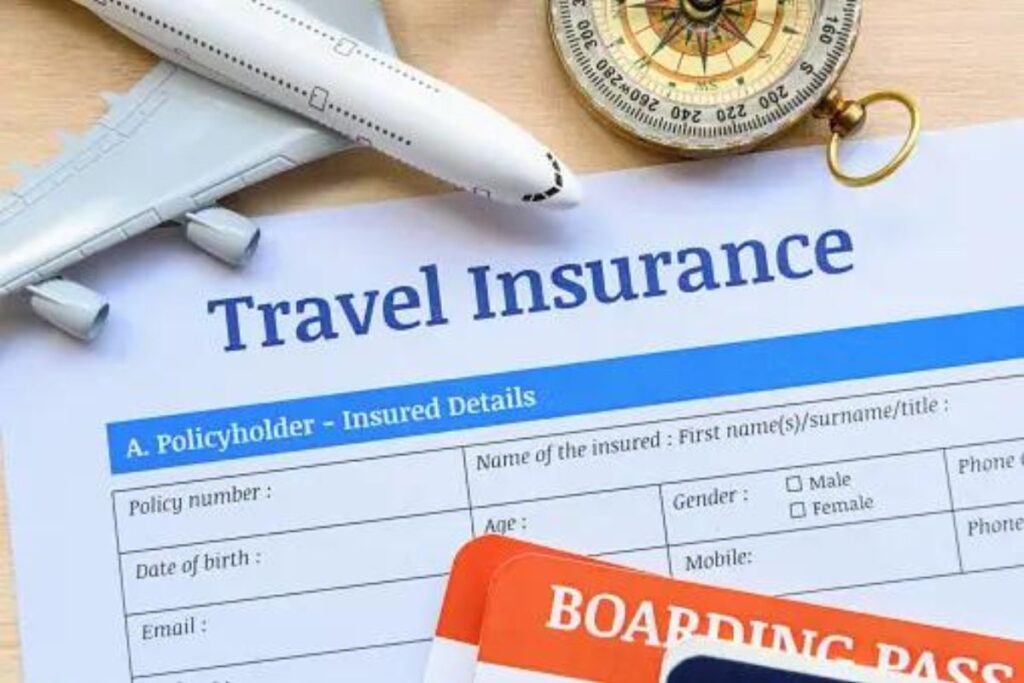
Investing in suitable travel insurance can provide peace of mind. Coverage should include accident and health-related issues, ensuring that you can receive necessary medical care in the event of an injury while abroad. This safety net can alleviate some of the stress associated with potential accidents during your journey.
Physical preparation also plays a critical role in preventing injuries. Engaging in exercise before your trip will help improve stamina and strength. Additionally, incorporating balance and flexibility training can reduce the likelihood of falls and other injuries. Being in good physical shape enhances your ability to respond to unforeseen situations that may arise during travel.
Handling Injuries When They Occur
Despite the best precautions, injuries can still occur while traveling. Knowing how to respond is crucial for minimizing the impact of these incidents. The first step is to assess the severity of the injury and seek medical attention if needed. Have a list of local medical facilities and emergency contact numbers readily available to avoid delays in care.

If an injury is minor, basic first-aid measures can be taken. Having a travel first-aid kit equipped with essential supplies such as adhesive bandages, antiseptics, and over-the-counter pain relievers can be invaluable. Adhering to basic first-aid protocols may alleviate discomfort and mitigate further complications.
Following up on any injuries is also vital. Even seemingly minor injuries can become problematic if not treated properly. Be vigilant about monitoring for signs of infection or worsening symptoms, and consult a healthcare professional if needed. Prioritizing your well-being helps ensure that you can continue enjoying your travel adventures.
Resources for Safe Travel
There are numerous resources available for travellers aiming to minimize their risk of injury. Online platforms provide insights and reviews from other travellers, offering valuable information about safe practices in various destinations. Websites dedicated to travel safety can guide users in preparing for different environments, ensuring they remain informed.
Local tourism boards often provide useful information, including emergency contacts, health advisories, and safety tips tailored to their regions. Engaging with these resources can enhance your understanding of your destination and highlight particular precautions to consider during your stay.
Another essential resource is travel safety apps that can provide real-time updates on hazards like severe weather, health alerts, or local crime incidents. Equipping yourself with these tools helps maintain a proactive approach to safety, enhancing your overall travel experience.
The Importance of Awareness
Awareness is one of the best tools to prevent travel-related injuries. Being conscious of your surroundings enables you to identify potential hazards and avoid them. Practicing situational awareness can be as simple as observing the people and environment around you, allowing for quick adjustments to your behaviour when necessary.
Building awareness extends beyond physical surroundings; it also includes understanding the cultural context of your destination. Being aware of local laws and customs can help prevent misunderstandings that could escalate into dangerous situations. Respecting cultural differences promotes positive interactions and minimizes risk.
Cultivating a mindset of adaptability can help you navigate travel challenges. Injuries and accidents can be disruptive, but maintaining a positive, flexible attitude can make it easier to handle any situation that arises. Embracing this mentality ensures that you approach travel with confidence and resilience while prioritizing safety.
Traveling is a rewarding experience that can open doors to new discoveries and personal growth. However, it’s essential to recognize and prepare for the potential risks associated with travel. By understanding common injuries, and their causes, and taking proactive measures to prevent them, you can ensure a safe and enjoyable journey. Remember to stay aware of your surroundings, be prepared for any situation, and prioritize your well-being throughout your travels.
Images courtesy of unsplash.com and pexels.com