I’ve always loved the Netherlands. I’m the kind of person who’ll frequently announce “I love the Dutch.” There’s something about their energy: that right level of directness, never rude but fair. Combine that with a dry sense of humour that lands perfectly on British ears, and you’ve got a country that feels effortlessly cool and friendly without trying too hard.
But why are the Dutch this way? Why is the Netherlands known as one of Europe’s most relaxed, progressive, and quietly impressive nations? It took me years to realise the answer is surprisingly simple – freedom.
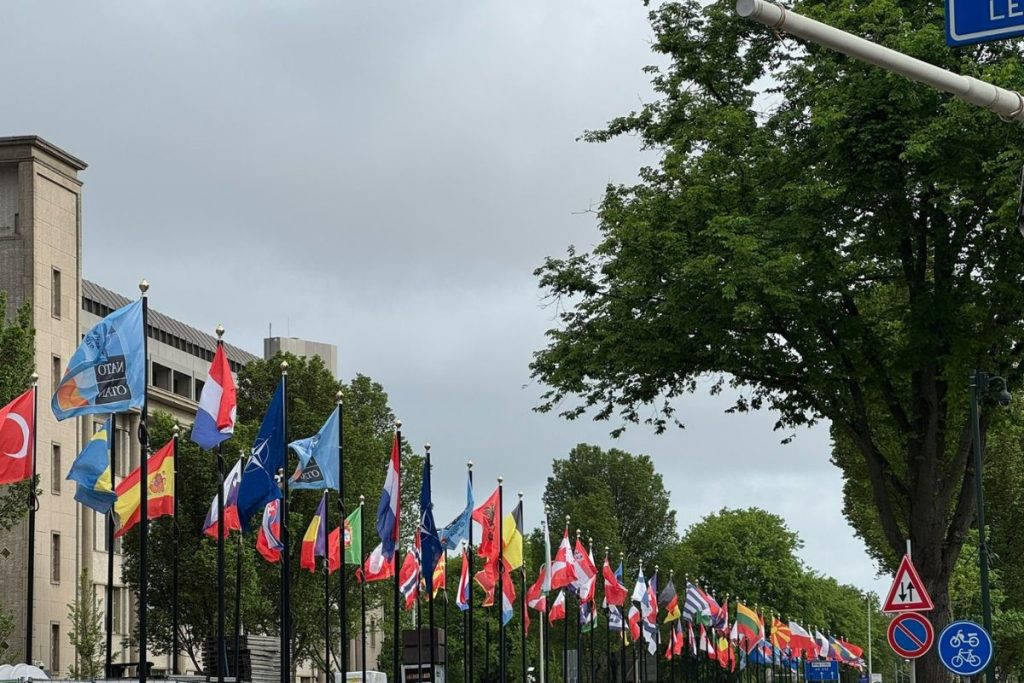
In my usual Brit-abroad mindset, that idea of Dutch “freedom” meant a colourful blend of relaxed laws, beautifully designed concept stores, and riding bikes without helmets. But on a recent visit to The Hague, I found something deeper. I was humbled by the resilience of the Dutch people during WWII and moved by the global significance of the Peace Palace, a place I’d barely heard of before, yet one that quietly upholds international law and justice on a scale that’s impossible to overstate.
But first: getting there. The Hague is surprisingly easy to reach. I took the Eurostar from St Pancras. I love how smooth and easy it is especially if you are travelling Business Premier, which I highly recommend. The food far exceeds any that I have eaten on an aeroplane and its far more climate-conscious than flying.
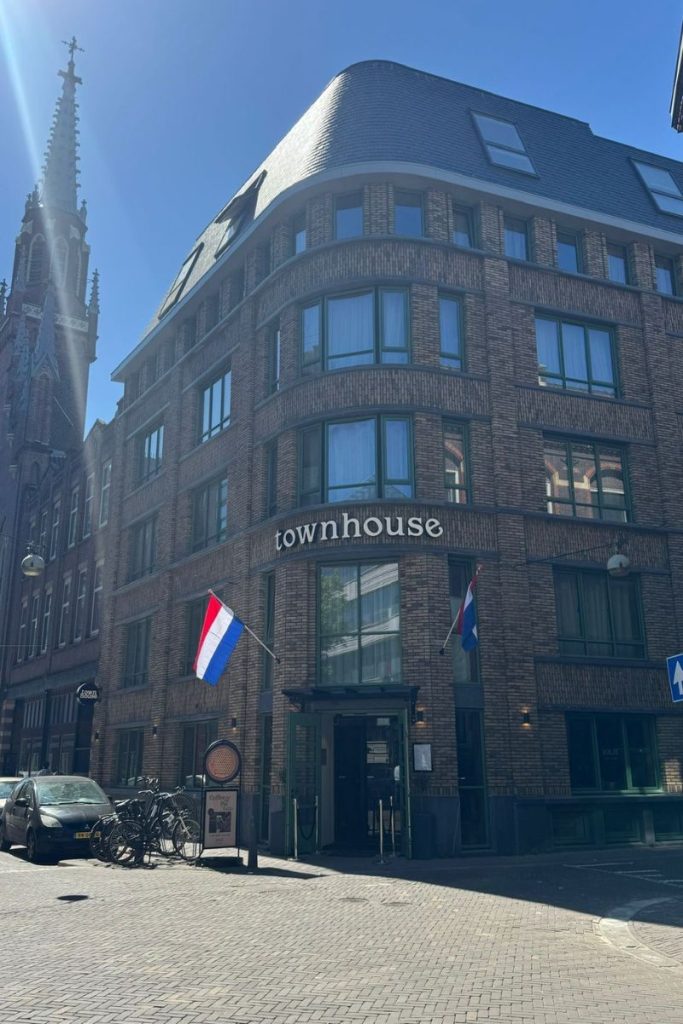
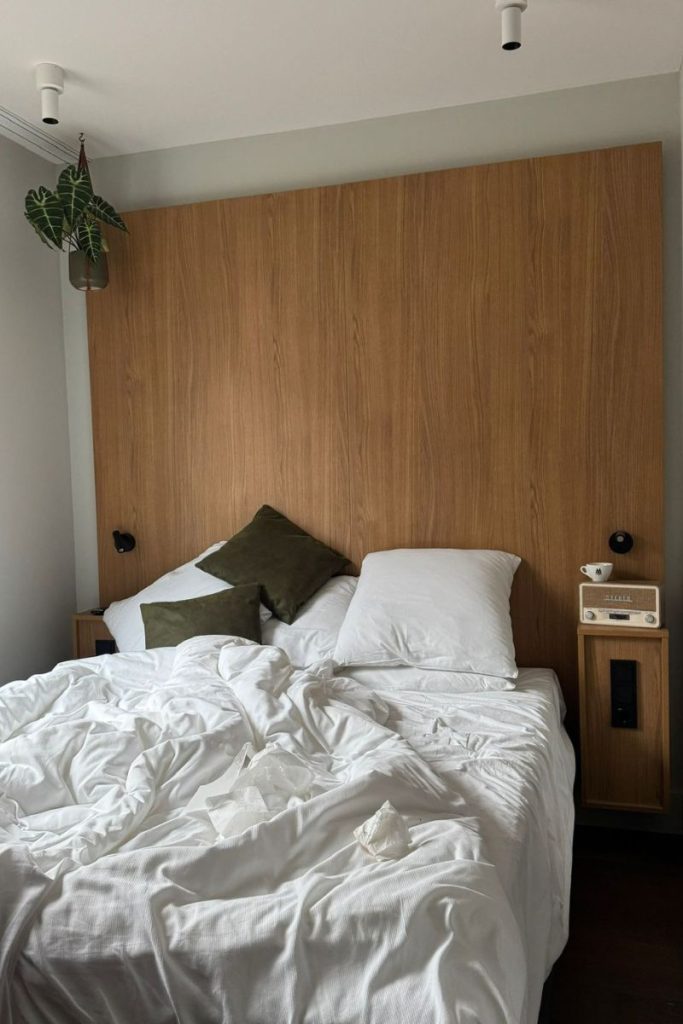
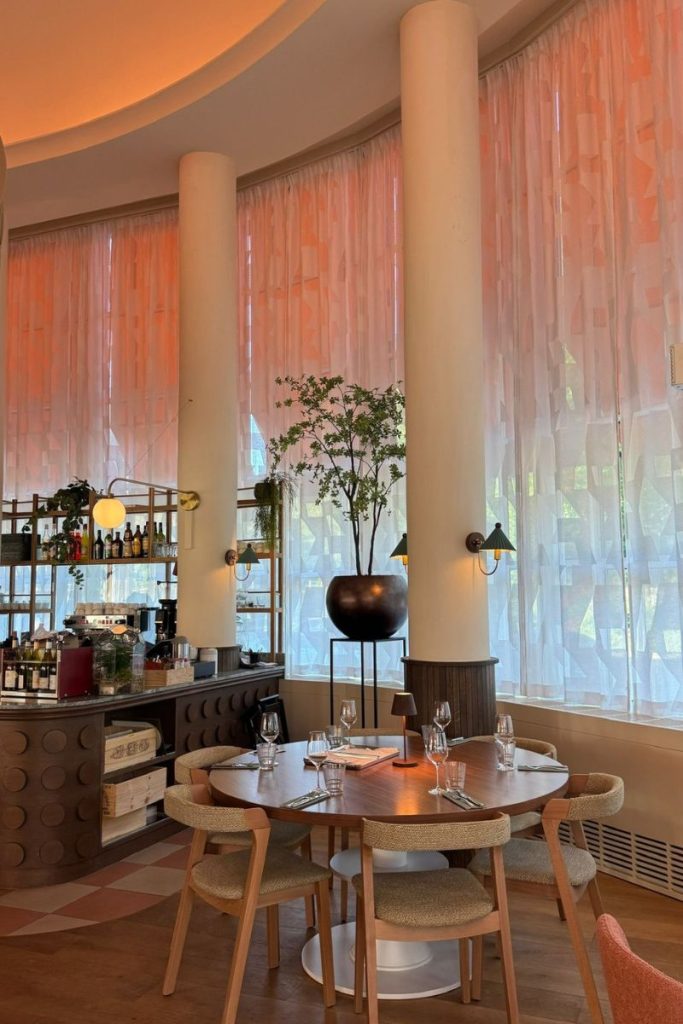
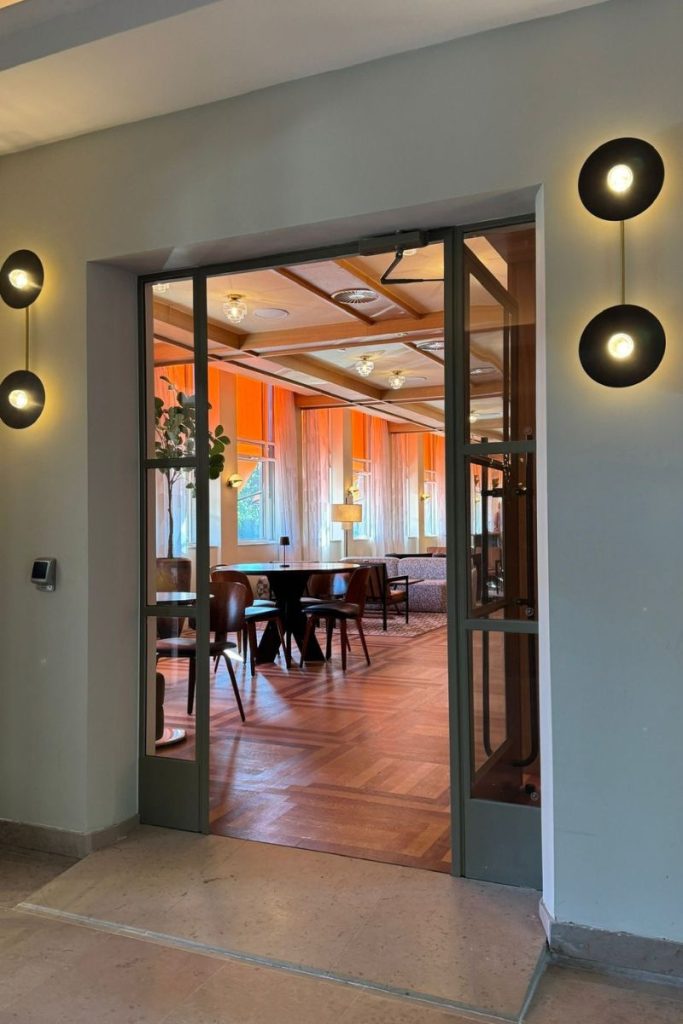
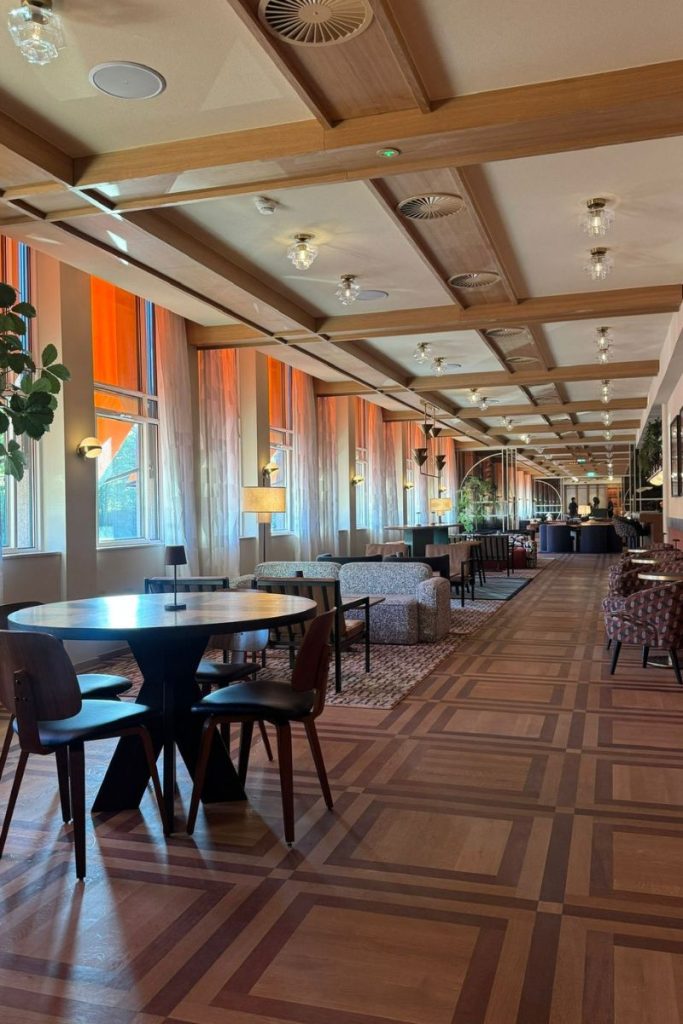
After a quick change in Rotterdam, you’re in The Hague in under four hours. I stayed at The Townhouse Hotel. Super central, unfussy, and ideal if you’re after ease and walkability. For something a bit more special, the newly opened Plesman Hotel is giving the Mad Men aesthetic in bucketloads. Housed in the old KLM headquarters, it blends Art Deco architecture with mid-century styling giving you a uber cool base without the Amsterdam price tag.
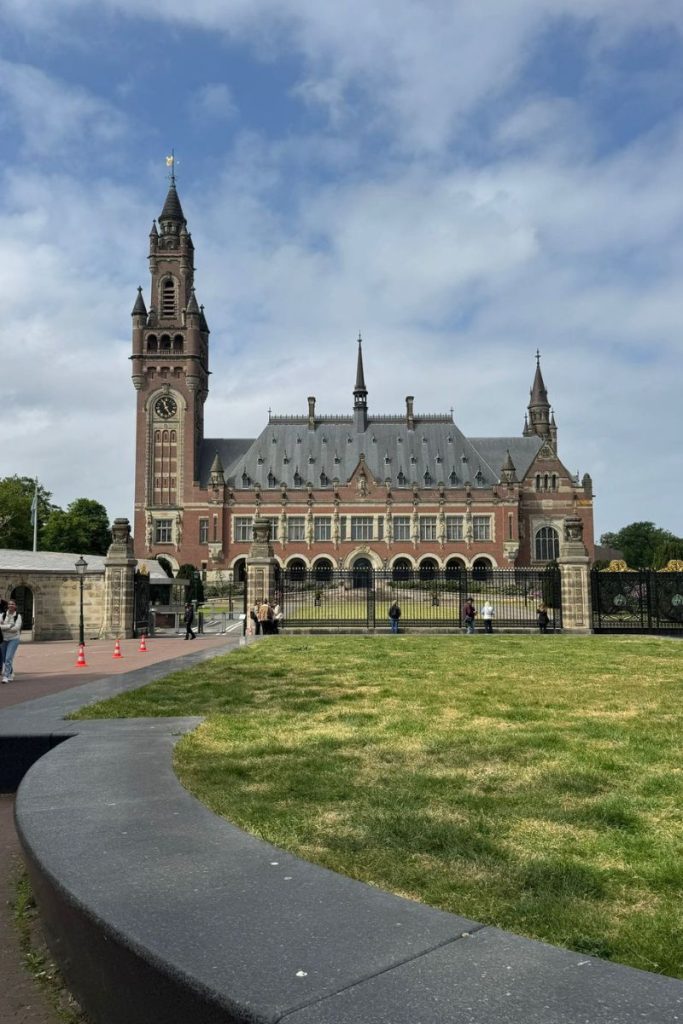
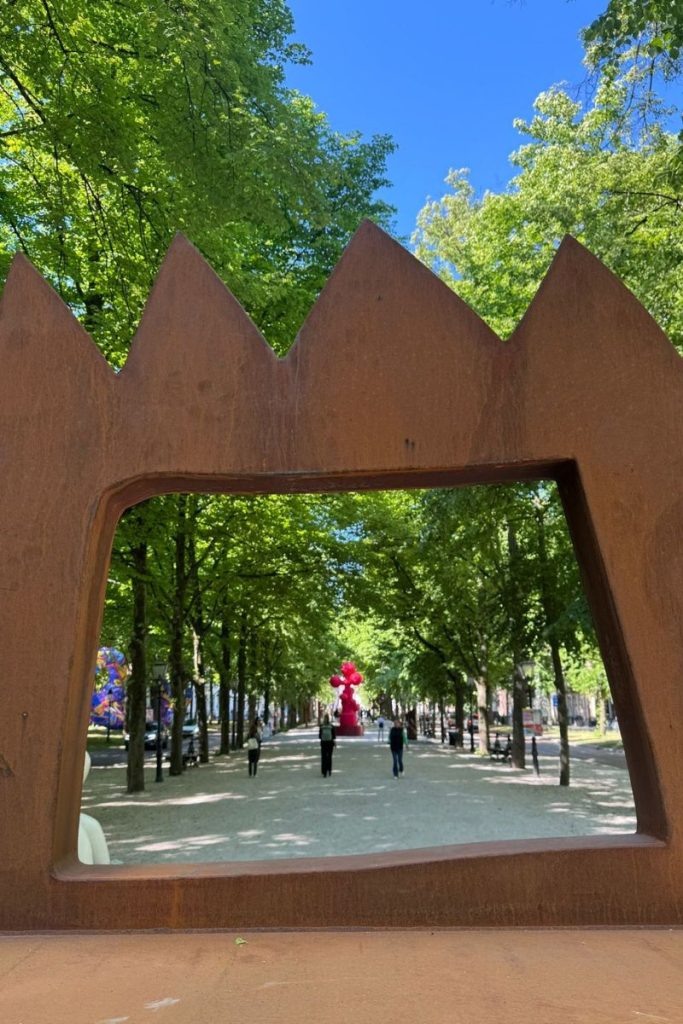
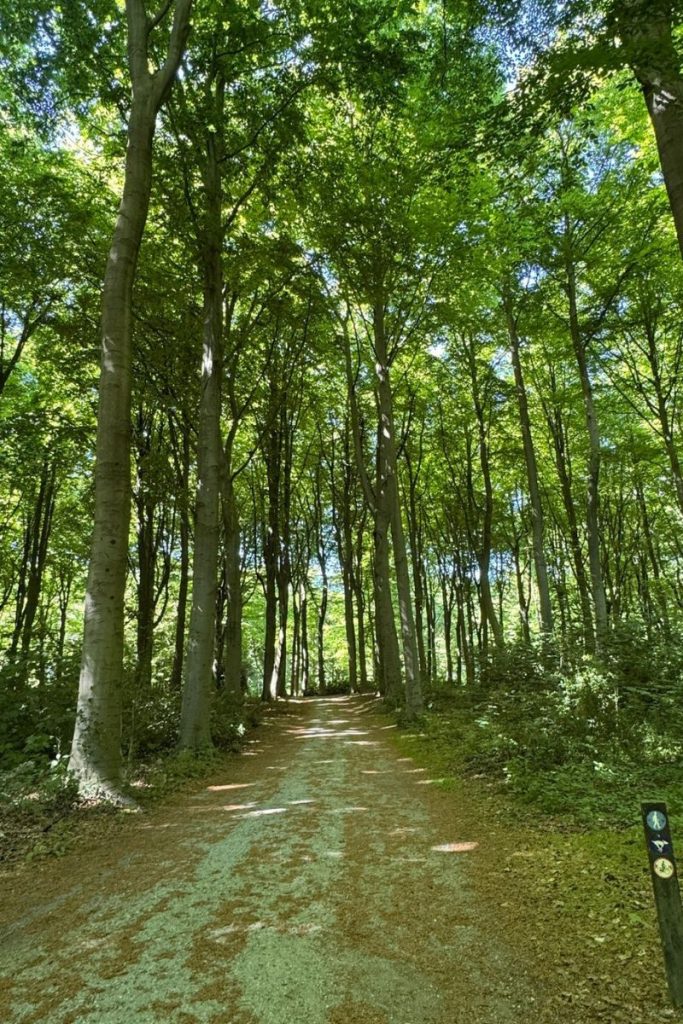
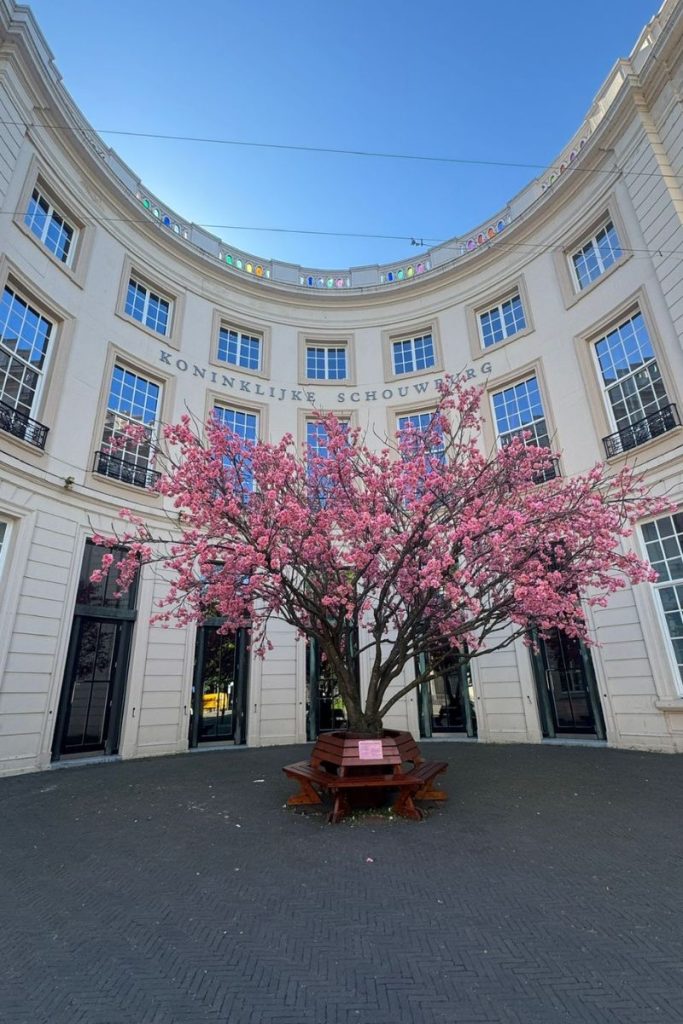
And that’s another thing: The Hague is better value for money than the capital. Less touristy, less busy, easier to navigate and it’s also incredibly green. They have the equivalent of Central Park right in the middle of the Hague offering a natural oasis with endless biking trails and spots for quiet contemplation. And art is everywhere, from the beautiful, coloured stain glass on top of the theatre to world class museums. And to top it off, Scheveningen Beach is just 15 minutes away, meaning you can blend a city break with a trip to the beach.
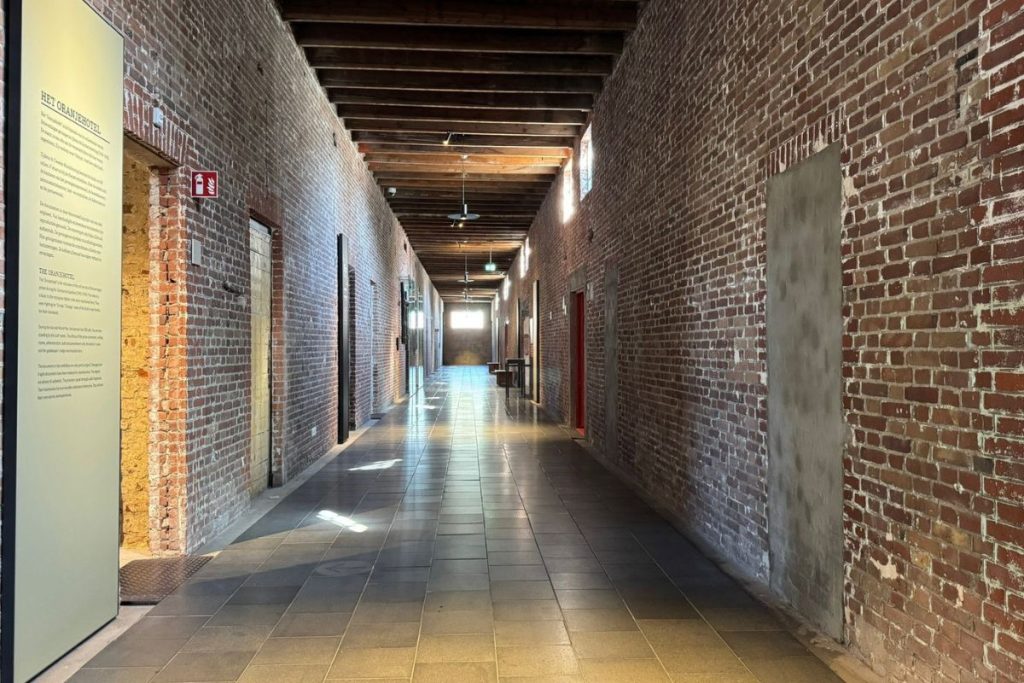
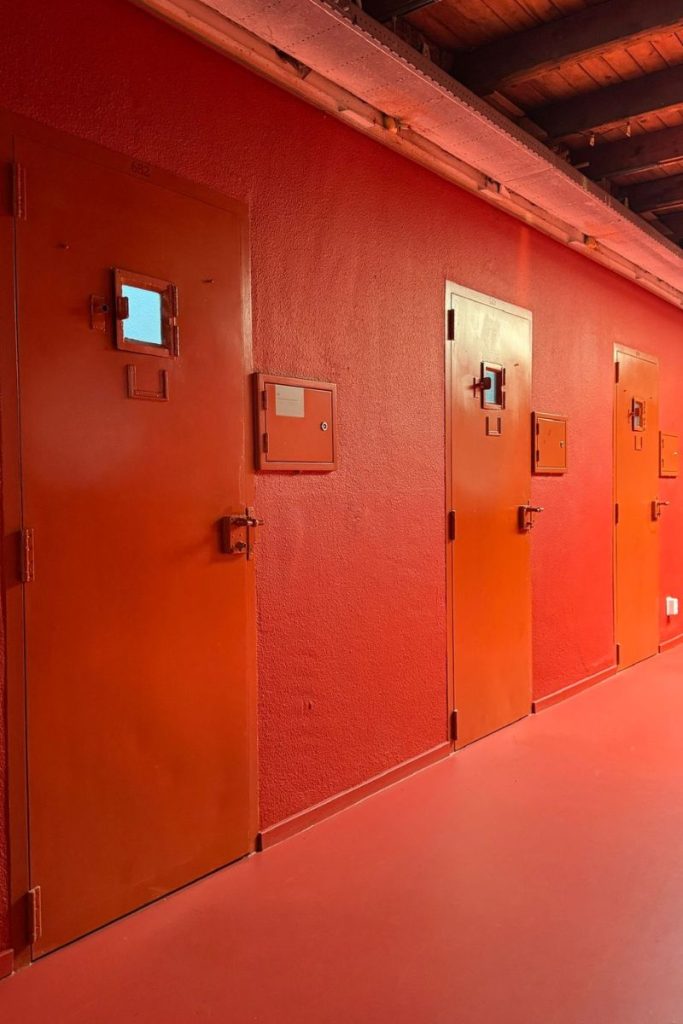
Culturally, the city runs deep. A standout moment for me was the Oranjehotel, a WWII prison-turned-museum. It’s beautifully done. Sensitive, informative, and truly moving. The timeline installations and preserved prison cells remind you that this threat to our freedom was only 80 years ago. During my visit, there was also an exhibition at Mauritshuis about the Dutch efforts to save precious artwork during the war, preserving identity and memory in the face of life threatening danger. Hearing the stories, I even shed a tear at bravery displayed by our Dutch allies and maybe came one step closer to my unexplained affection for the Dutch.
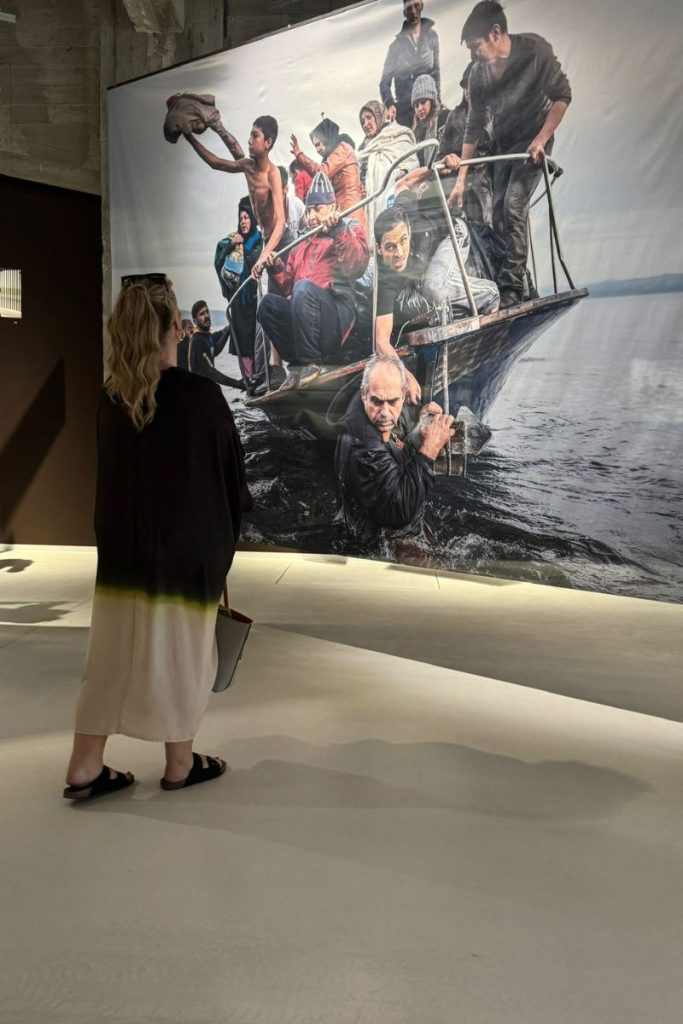
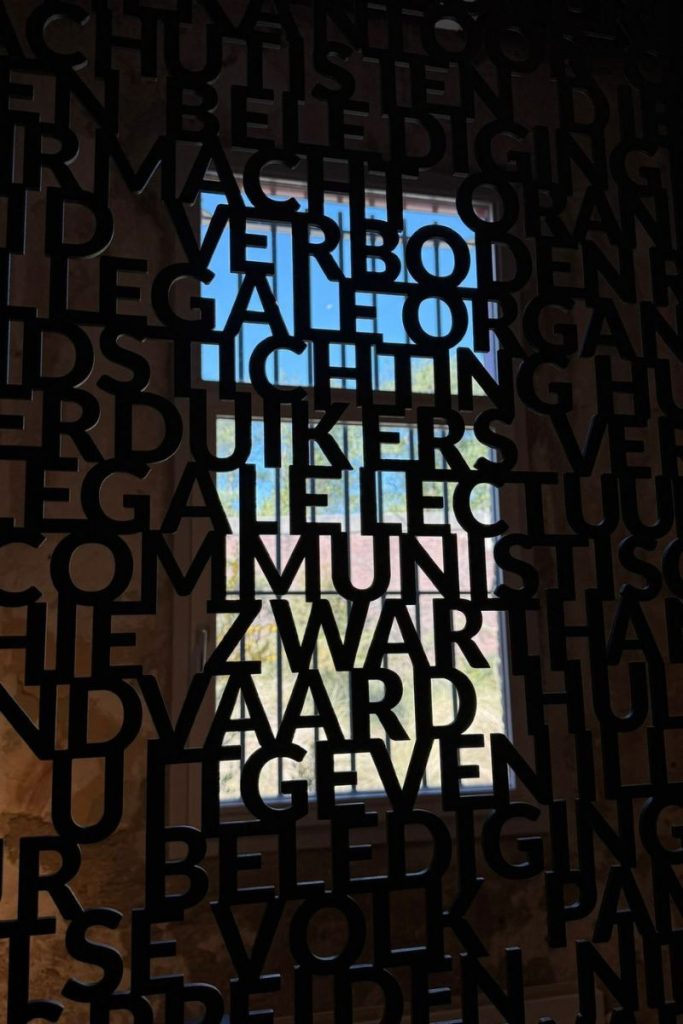
Just down the road from The Hague sits Rotterdam, a complete contrast to the Hague with its modern skyline and cool, urban, creative energy. It’s just a 30-minute train ride, and worth the trip, especially now that it’s home to the newly opened FENIX Migration Museum. The new exhibition centre tells the story of global migration through modern art, personal artefacts and photography.
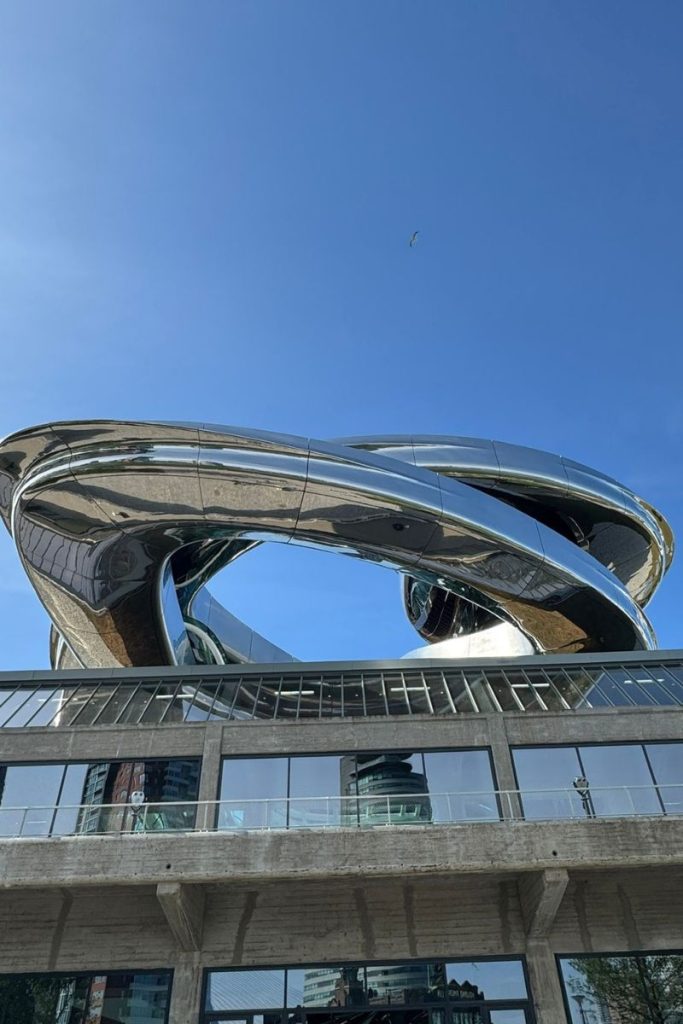
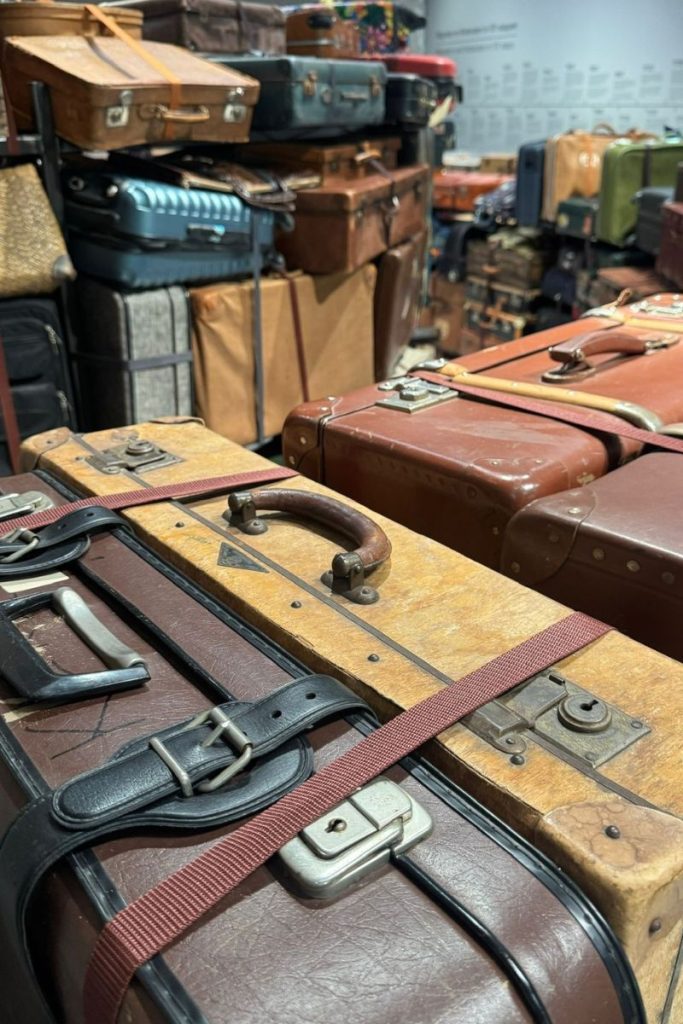
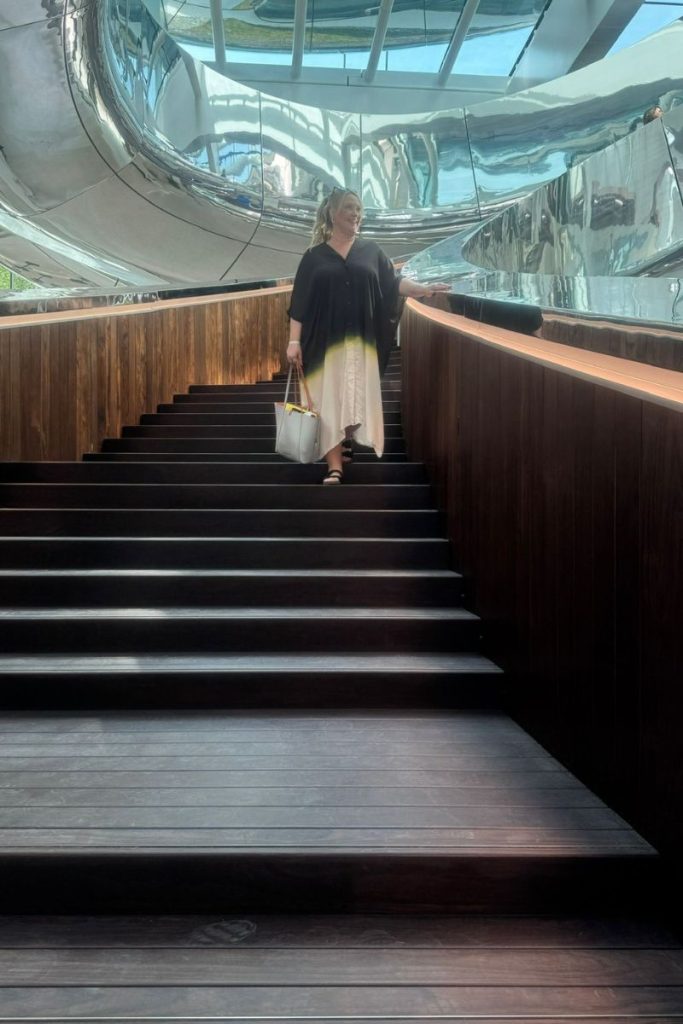
The Suitcase Labyrinth is an installation created out of 2000 bags. It symbolises the feeling of having to pack your whole life in to one bag and move countries to start afresh. It brings mass displacement down to a human level and is incredibly powerful.
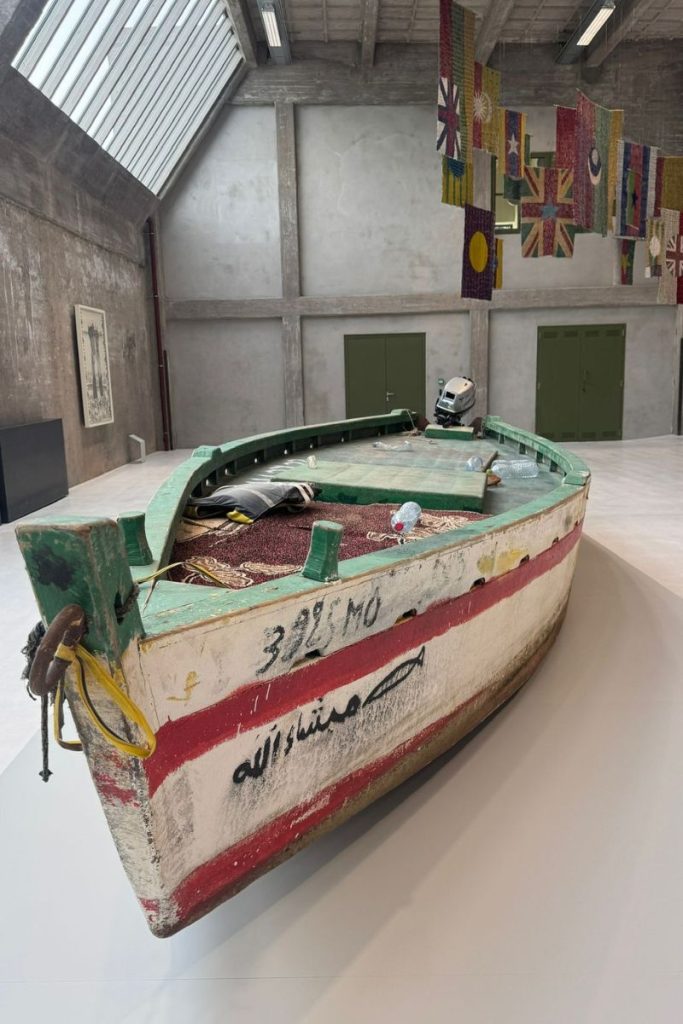
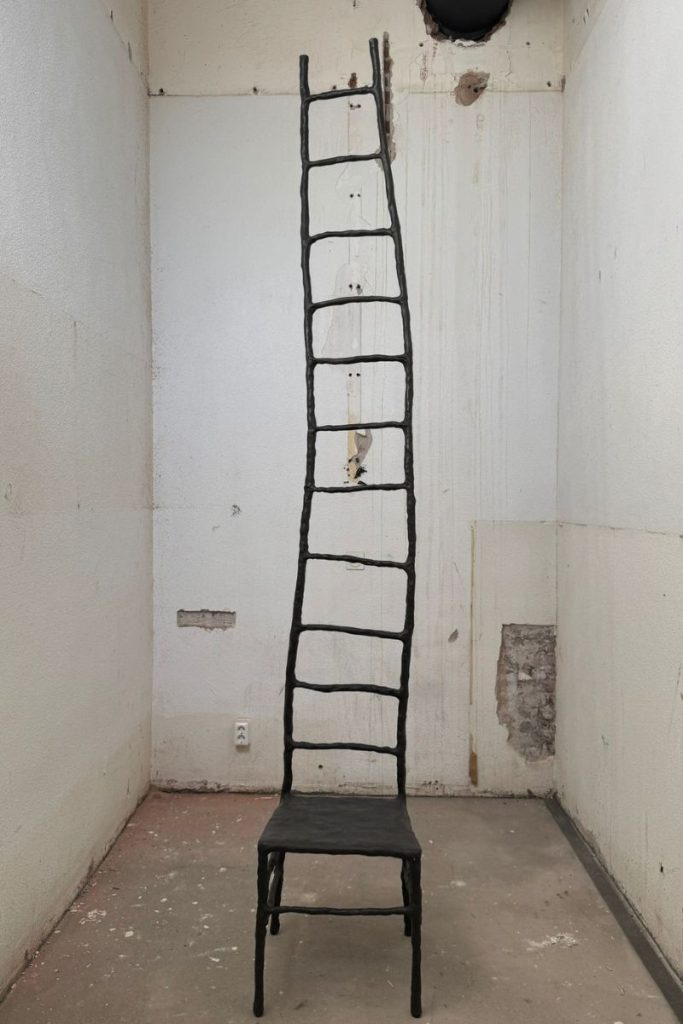
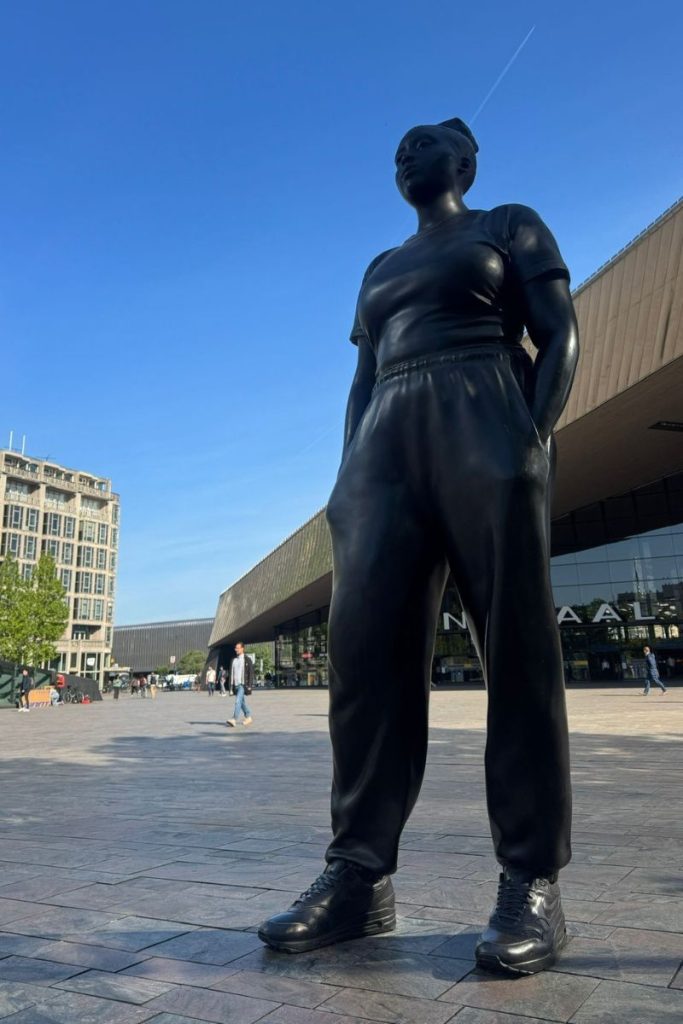
Fenix also houses a community kitchen, creative workshops, and public spaces designed for connection and conversation, making it not just a museum, but a living, breathing hub of empathy and learning.
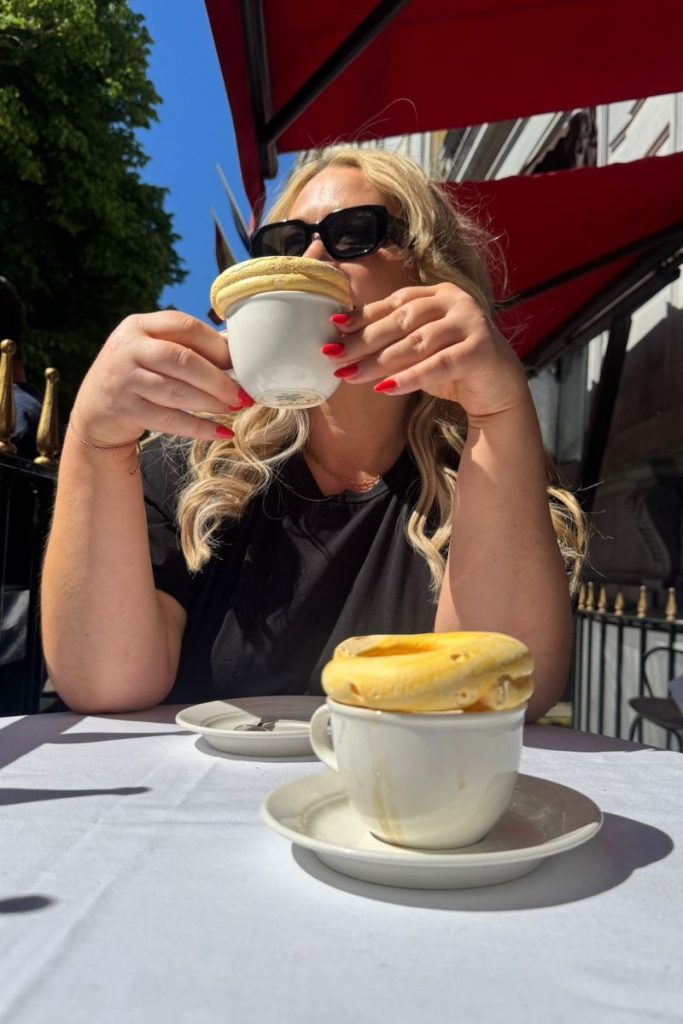
As I left The Hague, I realised this trip had done something quietly profound. It gave me pause for thought and a recalibration of sorts. Travel can so easily become another version of consumption, ticking off landmarks and posing for pictures. But this journey asked something of me. It reminded me to travel more consciously.
And luckily, my instincts were right about the Dutch. It’s not just about the cycling infrastructure or street art. It’s about a shared belief in living with integrity and openness. I came home a little more thoughtful, and a lot more grateful.
Review and Images by Emmie Blower @emmiebhungry