An East Africa journey can move from sunrise game drives and comfortable wilderness lodges to steep forest trails in search of mountain gorillas. The challenge is not finding memorable experiences, but combining them without turning the trip into an exhausting sequence of transfers.
Travellers planning the Kenyan part of their adventure can explore routes at africasafaritrips.com/kenya/tours, then consider how savannah safaris, a stay in one of the lodges and more active experiences fit together. The most rewarding itineraries balance comfort and adventure, leaving enough time to appreciate each destination rather than simply collecting famous parks and wildlife encounters.
Start with the experiences that matter most
East Africa offers so many possibilities that it is easy to build an itinerary backwards. Travellers often start with a list of famous parks and then try to connect them, even when the resulting route involves too much driving.
A better approach is to identify a few priority experiences first. These might include photographing elephants on open plains, spending several nights at a remote lodge or trekking through rainforest in search of gorillas.
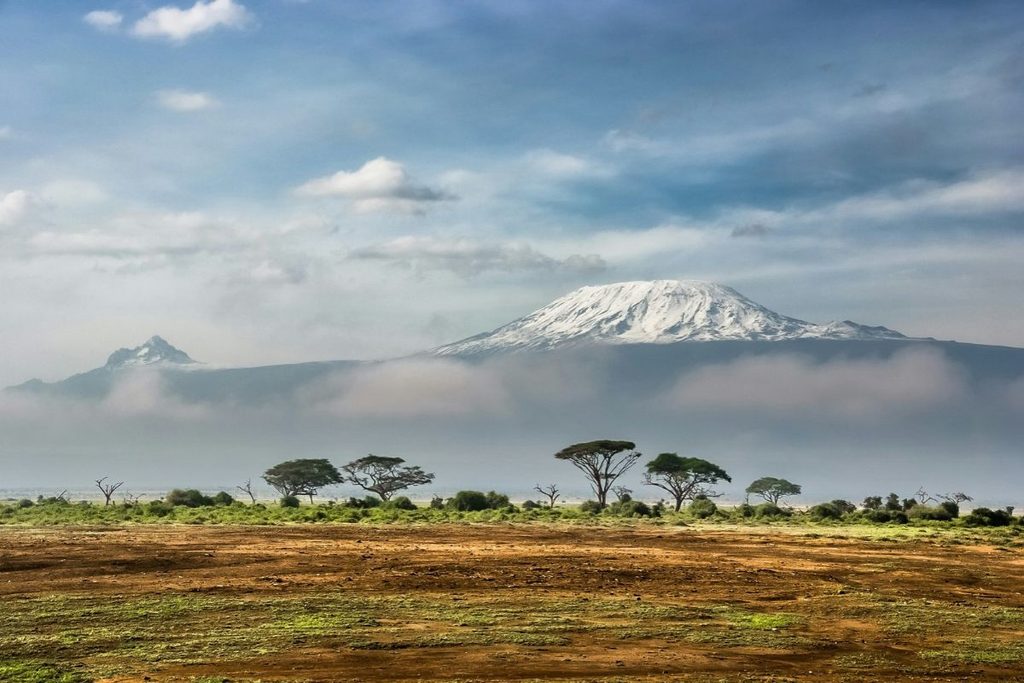
Kenya is particularly suited to classic safari experiences. According to the Kenya Wildlife Service, its protected areas include savannahs, forests, wetlands and mountain ecosystems, supporting wildlife such as elephants, lions, rhinos, giraffes and buffalo.
Choosing two or three contrasting areas usually provides more variety than moving rapidly between reserves with similar landscapes. It also creates more time for wildlife viewing, which matters because memorable sightings cannot be scheduled.
Choose safari lodges for location, not just luxury
A luxury safari lodge should contribute more than a comfortable room. Its location can determine how early the day begins, how much time is spent driving and how easily travellers can enjoy the landscape between activities.
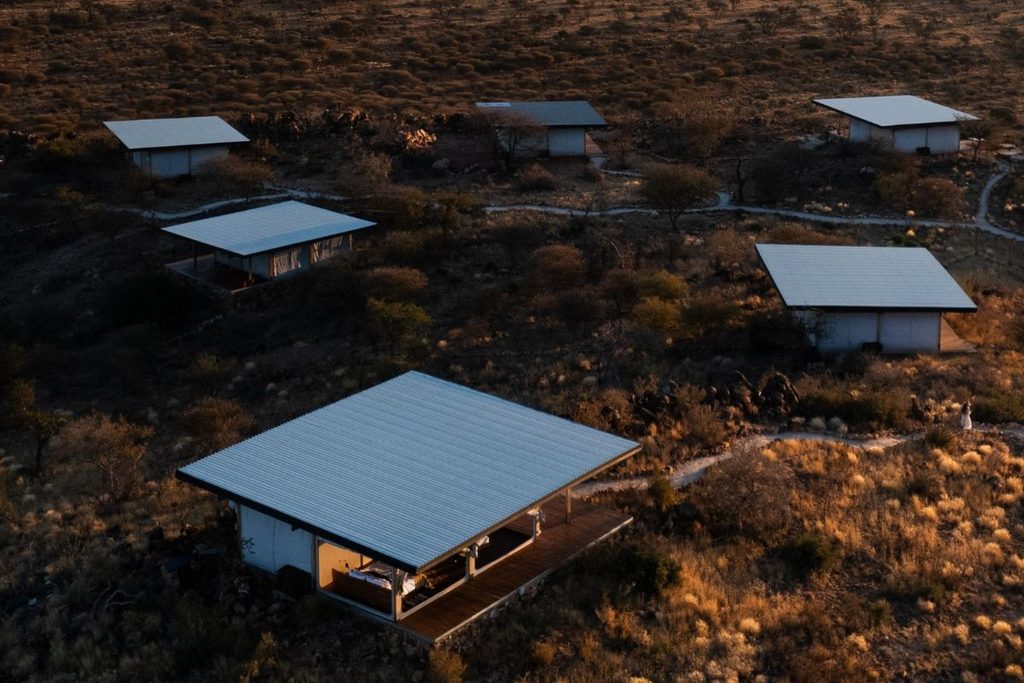
A property close to productive wildlife areas may allow an early game drive without a long transfer. Elsewhere, a lodge overlooking a water source or open plain can provide wildlife viewing without even leaving the property.
That makes location at least as important as facilities. When comparing accommodation, it is useful to consider:
- driving time to the areas you want to explore;
- whether activities are private or shared;
- how many nights are needed to make the location worthwhile;
- opportunities to relax between game drives;
- the lodge’s environmental and community practices.
The most expensive option is not automatically the most suitable. A smaller lodge in the right location can add more to the overall journey than a more luxurious property that requires hours of additional driving.
Let Kenya provide the classic savannah experience
Kenya works naturally as the safari-focused section of a broader East African journey. Its parks offer very different scenery, so a route can be varied without requiring a new country every few days.
Tsavo West, for example, combines savannah with lava landscapes, springs, hills and river environments. The Kenya Wildlife Service describes the park as a landscape of volcanic terrain, open plains and water sources including Mzima Springs.
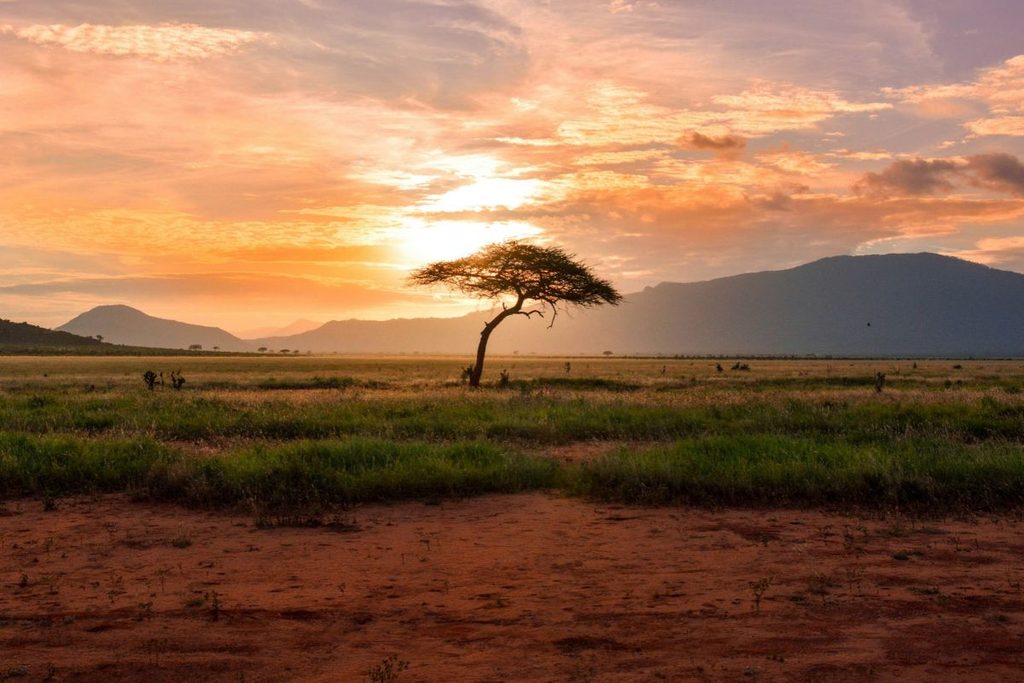
Elsewhere, travellers can experience the open landscapes associated with traditional East African safaris or cooler highland environments such as the Aberdares.
Africa Safari Trips organises tailor-made private safaris in Kenya with dedicated driver-guides and private safari vehicles. Its itineraries can be adjusted around interests such as wildlife photography, birdwatching or family travel.
That flexibility becomes particularly useful on a multi-country journey, where the Kenyan safari needs to fit around flights, trekking permits and recovery days elsewhere.
Gorilla trekking changes the pace completely
Combining Kenya with Uganda introduces a very different kind of wildlife encounter.
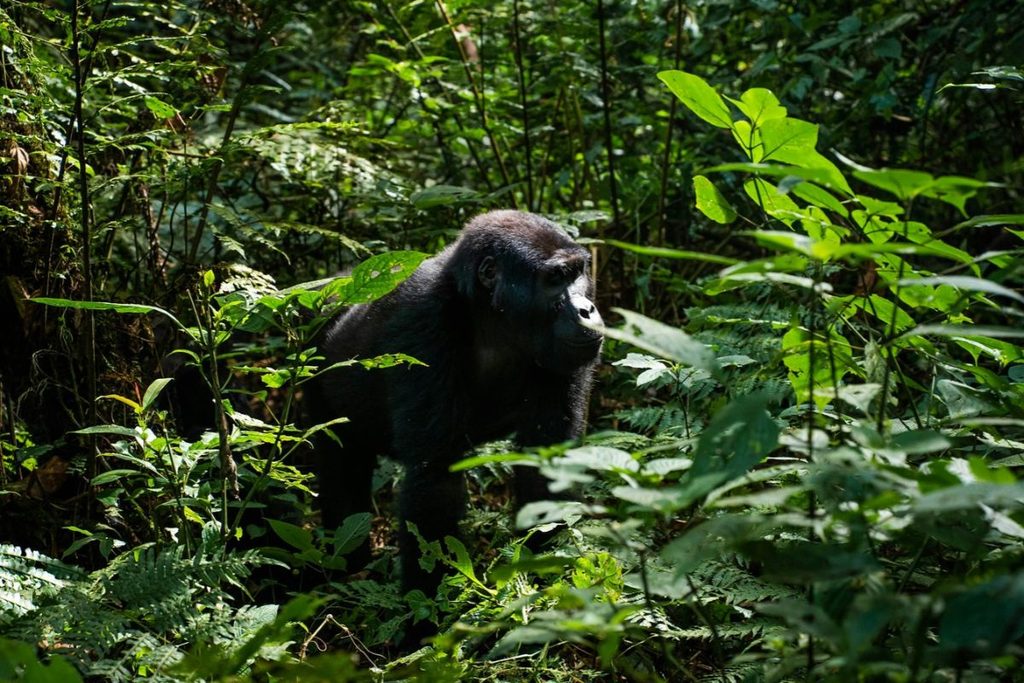
During a game drive, most of the physical work is done by the vehicle. Gorilla trekking requires travellers to enter the animals’ forest habitat on foot. According to the Uganda Wildlife Authority, gorilla tracking takes place in Bwindi Impenetrable National Park and Mgahinga Gorilla National Park, with trekking times varying according to where the gorilla families are located.
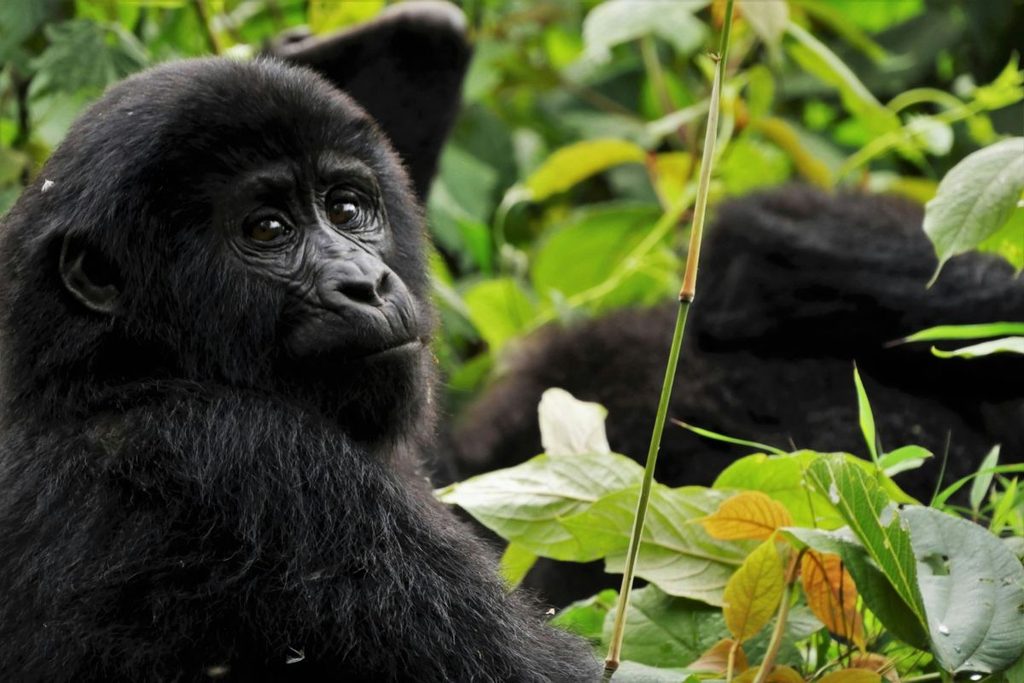
For travellers considering a Uganda safari with Africa Safari Trips, gorilla trekking can form the active centrepiece of a wider itinerary that also includes savannah parks and other wildlife experiences. Africa Safari Trips operates tailor-made private journeys, which allows the Uganda section to be planned around trekking permits, travel times and the desired pace of the trip.
Those physical demands should influence the structure of the itinerary. It rarely makes sense to schedule a difficult trek immediately after a long transfer. Travellers benefit from arriving near the trekking area beforehand and keeping the following day relatively flexible.
The unpredictability is part of the experience. Trails may be muddy, the terrain can be steep and nobody knows exactly how long it will take to locate a gorilla family.
Alternate active days with time to recover
One of the easiest ways to improve an East African itinerary is to vary its intensity.
Several consecutive days of early departures, long drives and physical activities can make even remarkable experiences begin to feel rushed. A slower afternoon or an extra night at a lodge creates time to recover before the next highlight.
A balanced journey might begin with several days of game drives in Kenya, followed by a relaxed lodge stay before travelling to Uganda. Gorilla trekking then becomes a deliberate change of pace rather than another activity squeezed into an already full programme.
The reverse can work too. Some travellers prefer to undertake the most physically demanding part first and finish with several comfortable safari days.
There is no universally correct order. The important factor is allowing each section enough space.
Avoid turning East Africa into a checklist
Distances across East Africa can be deceptive. Two destinations may appear close on a map while still requiring most of a day to connect by road or air.
Adding another national park is therefore not always an improvement. Too many one-night stays lead to frequent packing, repeated check-ins and large amounts of time in transit.
Instead, consider what each new stop contributes. If two locations offer similar wildlife and landscapes, staying longer in one may provide a better experience. Wildlife is unpredictable, and an additional morning in the same reserve may be more valuable than rushing to another park simply to add its name to the itinerary.
This is especially important when combining countries. Border crossings, regional flights and trekking logistics already introduce fixed travel elements that need space around them.
Combine comfort and adventure instead of choosing between them
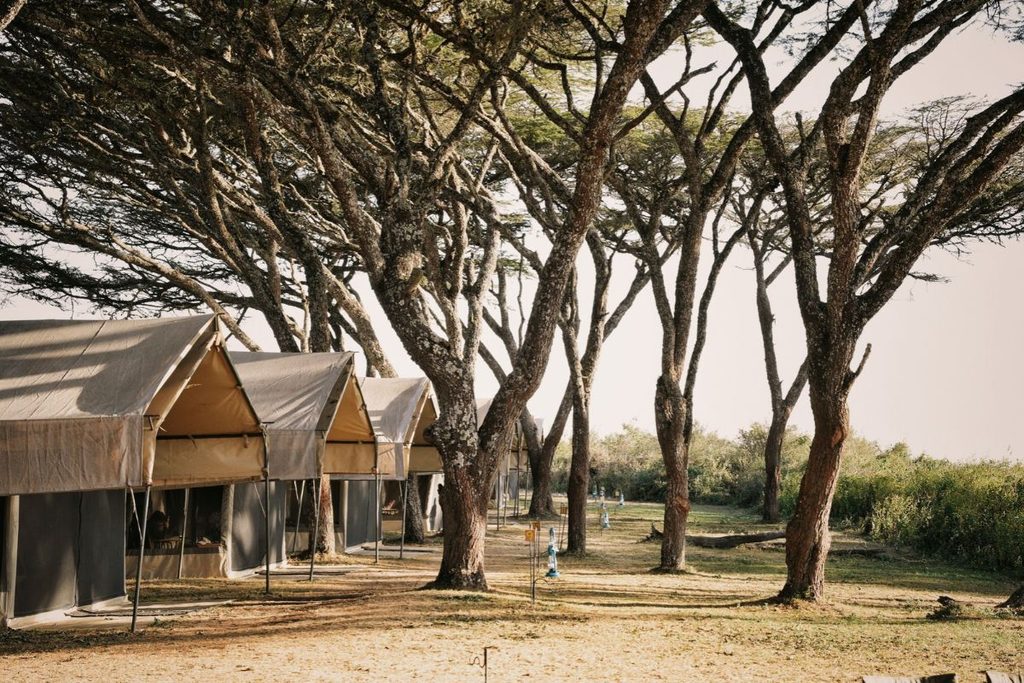
Luxury and adventure do not need to sit at opposite ends of an East African journey. In practice, they often work best together.
Comfortable lodge stays create opportunities to rest between early game drives and long transfers. Active experiences such as gorilla trekking then provide a strong contrast to the slower safari rhythm.
The result is a journey shaped by changing landscapes, different ways of encountering wildlife and varying levels of activity. Kenya can provide broad savannahs and classic game drives, while Uganda adds dense forests and wildlife encounters reached on foot.
By limiting unnecessary transfers and giving major experiences enough time, travellers can create an East Africa adventure that feels varied without becoming hectic. The most memorable itinerary is rarely the one containing the greatest number of destinations. It is the one in which every stop adds something genuinely different.
Images courtesy of unsplash.com and pexels.com