Nature-focused travel in Europe doesn’t always mean heading to remote or hard-to-reach places. Some of the most rewarding landscapes sit within easy reach of towns, small villages, and well-used local roads. You’ll find coastal paths starting just beyond a harbour, forest trails a short walk from a train stop, and mountain routes that begin behind everyday hotels.
This guide focuses on places where time outdoors comes naturally, whether that’s along a shoreline in Greece, across volcanic terrain in Iceland, or up in the nature and high meadows of northern Italy.
Lush Olive Groves and Secluded Shorelines in Corfu, Greece
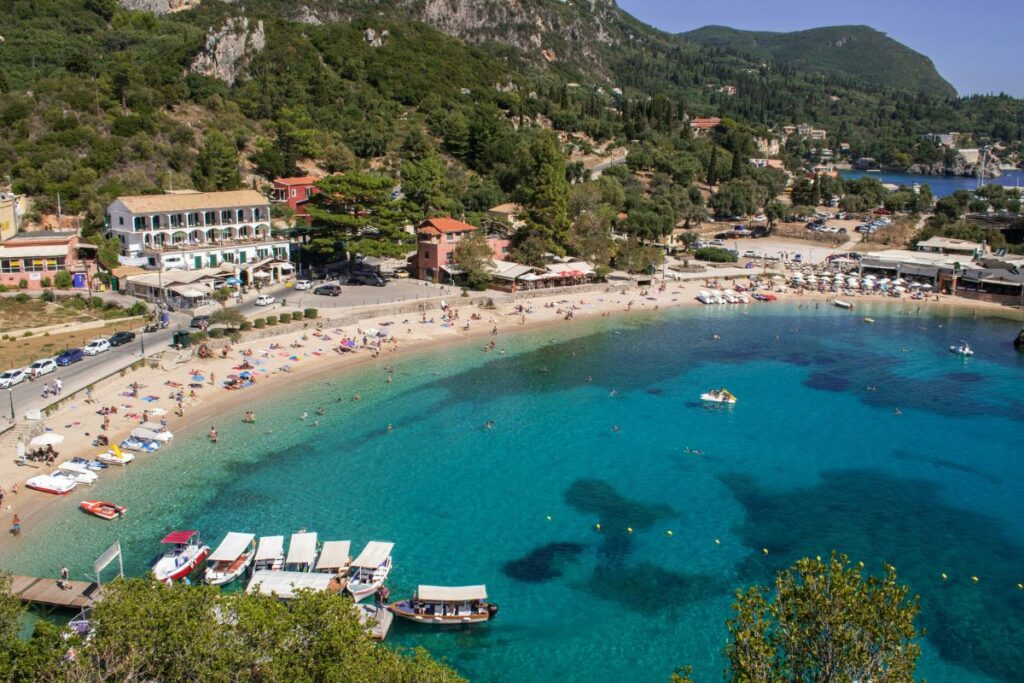
Corfu is greener than most Greek islands, especially once you move beyond Corfu Town. Streets like Nikiforou Theotoki lead through the old centre, with pastel buildings and narrow passages that open into small squares. Around Paleokastritsa, the coastline cuts into a series of coves, with walking paths leading down to smaller beaches that don’t show up clearly on maps. The water here is calm in the mornings, and locals often arrive early, parking along the road and walking down with bags and umbrellas.
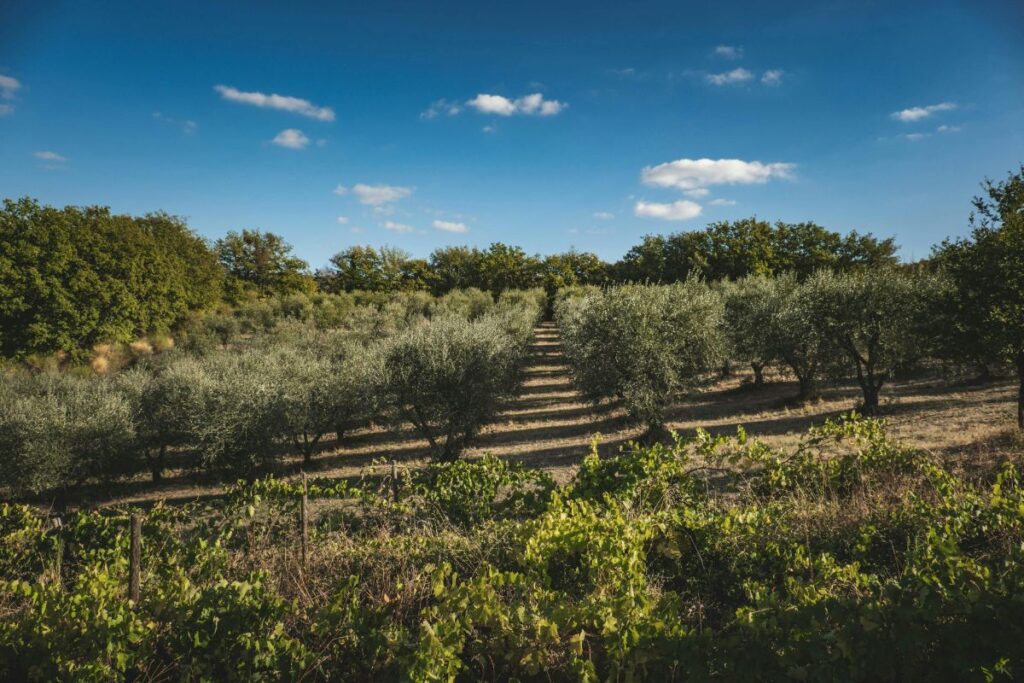
Inland, villages like Doukades and Lakones sit among olive groves that stretch across the hills. You’ll pass stone houses, small chapels, and terraces still in use during harvest season. Local markets in areas like Lefkimmi bring together fresh produce, cheeses, and olive oil from nearby farms, giving a clearer sense of how much of Corfu’s landscape is still actively used.
If you’re staying longer, it helps to find holiday villas in Corfu, especially in areas outside the main tourist hubs. Many of these properties are built into the hillside, surrounded by nature and olive trees, and others have direct access to walking paths or quieter stretches of coast. Choosing places like Agios Stefanos or near Kassiopi gives you early access to the shoreline before day visitors arrive, and it’s common to have smaller beaches almost to yourself for part of the day.
Volcanic Plateaus and Thermal Springs in Iceland
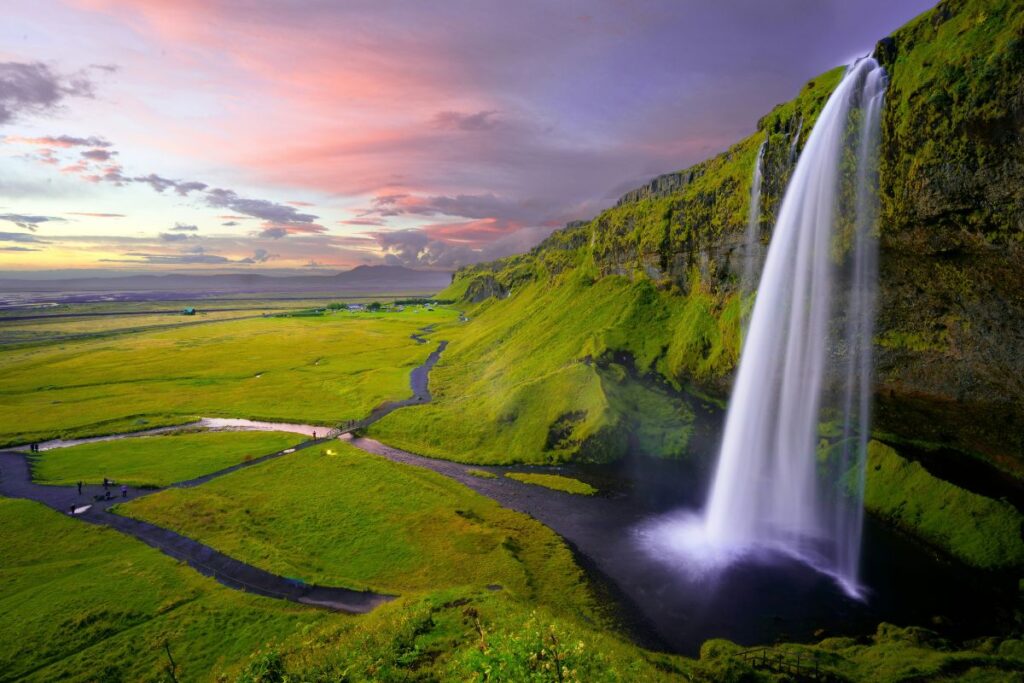
Reykjavík acts as a base for most trips in Iceland, but it doesn’t take long before the nature and terrain becomes more exposed. Heading out along the Golden Circle, Þingvellir National Park is usually the first stop people make. The Almannagjá gorge runs through the park, marking the boundary between tectonic plates, and walking along its edge gives you a close look at how the land has opened over time. There are clear paths, but it still feels raw, especially early in the day when fewer people are around.
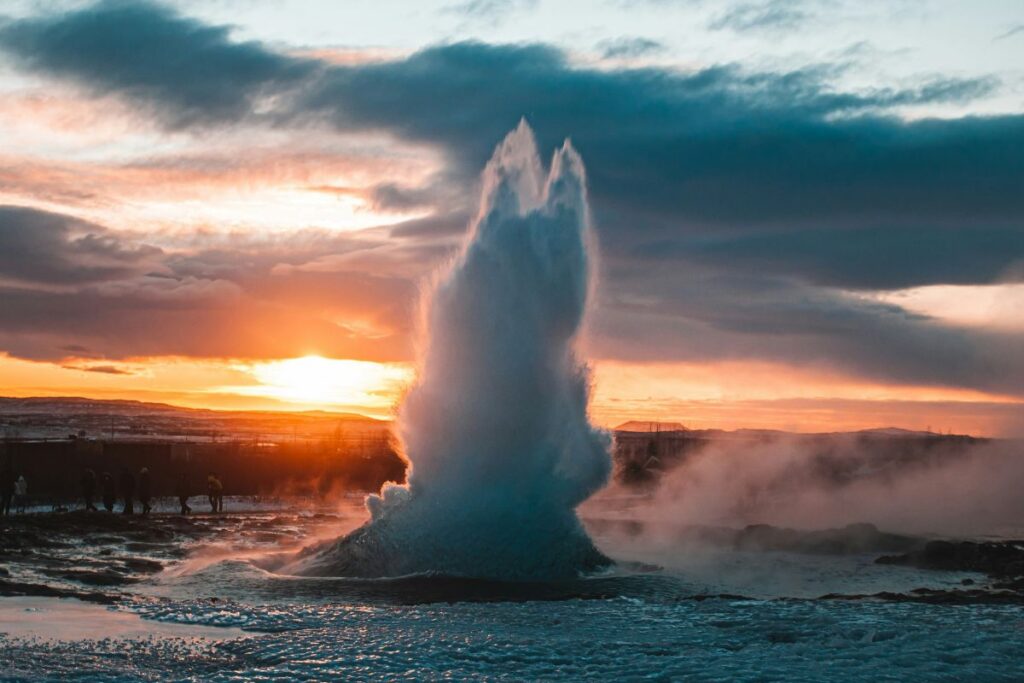
Further east, the ground changes again around Geysir and Strokkur. Steam rises constantly from the earth, and the smell of sulphur hangs in the air. A short drive from here takes you to the Kerið crater, where a red volcanic rim circles a small lake. You can walk the full loop in under an hour, and it’s worth doing for the different angles across the water.
Thermal bathing is part of everyday life here, not just something reserved for visitors. While the Blue Lagoon gets most of the attention, smaller pools like the Secret Lagoon in Flúðir have fewer crowds and simpler facilities. You’ll often find locals there after work, sitting quietly in the warm water even when the weather turns.
Glacial Carvings and Deep Blue Waters in the Norwegian Fjords
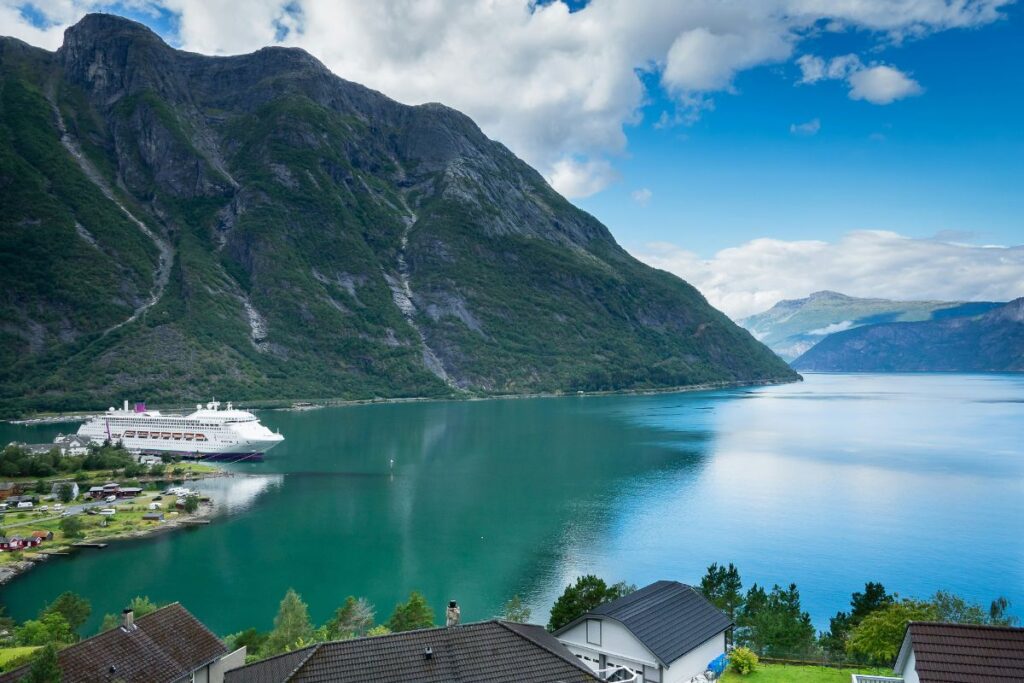
The Norwegian fjords stretch across western Norway, and each one feels slightly different depending on how you approach it. In Bergen, Bryggen Wharf lines the harbour with its wooden buildings, while the fish market near Torget is busy from early morning. From here, boats leave regularly for places like Sognefjord and Hardangerfjord, but once you move deeper into the landscape, everything begins to open up.
In Geiranger, tall cliffs rise directly from the water, and waterfalls like the Seven Sisters cut down through the rock face. You can view them from the water, but the roads above give a wider perspective. The Ørnesvingen viewpoint looks straight across the fjord, and it’s easy to spend time there just watching ferries move slowly below.
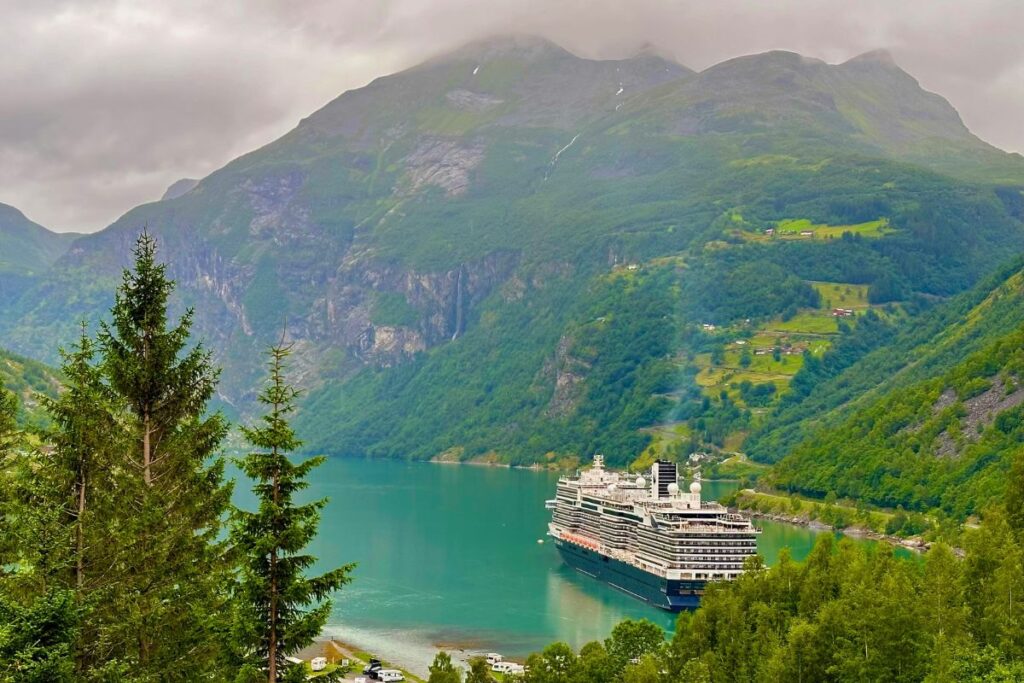
One of the best ways to experience this coastline is by booking incredible small ship cruises in Norway, which are designed to navigate narrower fjord sections that larger vessels can’t reach. These routes often include stops at smaller ports such as Flåm, where the railway climbs into nature and the mountains, and Undredal, known for its stave church and traditional farms.
Pristine Pine Forests and Crystal Lakes in Finland
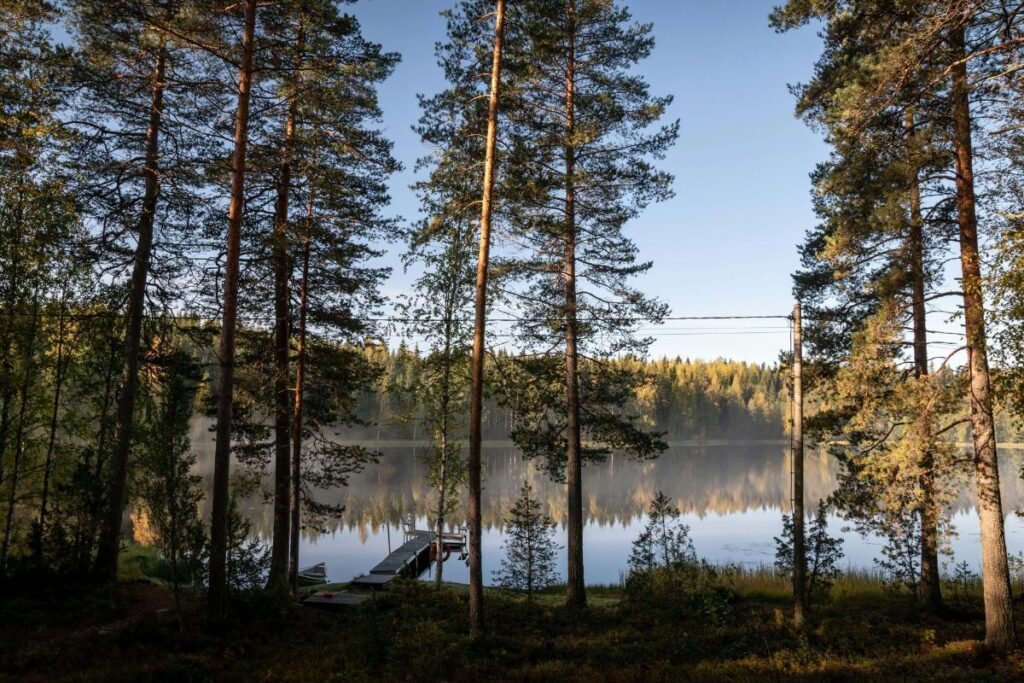
Finland’s landscapes remain consistent over long distances, with forests, lakes, and open skies shaping the scenery. Around the Lakeland region, towns like Savonlinna sit right on the water, with small harbours and walking paths that follow the shoreline. Olavinlinna Castle stands on its own island, connected by a short bridge, and it’s one of those landmarks that looks almost unchanged from a distance.
Koli National Park offers a slightly different perspective. The trails lead up through the forest before opening onto higher viewpoints, where lakes stretch out in multiple directions. The Ukko-Koli viewpoint is the most visited, but there are quieter paths nearby with similar views but without as many people.
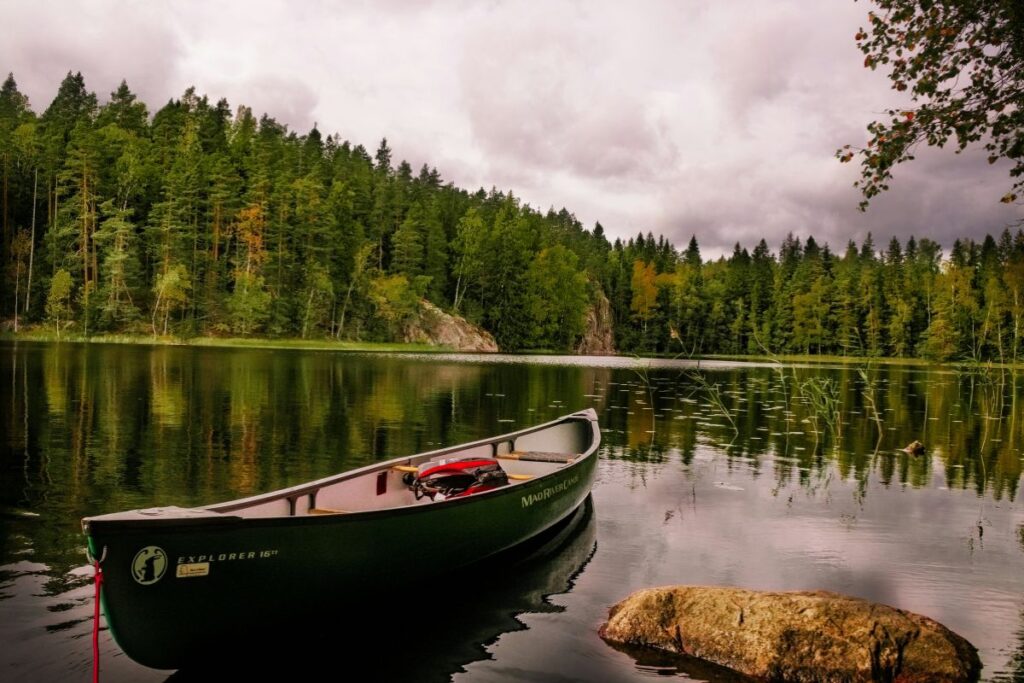
Public saunas are easy to find, even in smaller towns. They’re often set right by the water so you can move between the heat and the lake in just a few steps. In summer, swimming becomes part of the day, while in colder months, the same lakes freeze over and are used for walking or cross-country skiing.
Dramatic Limestone Peaks and Alpine Meadows in the Dolomites, Italy
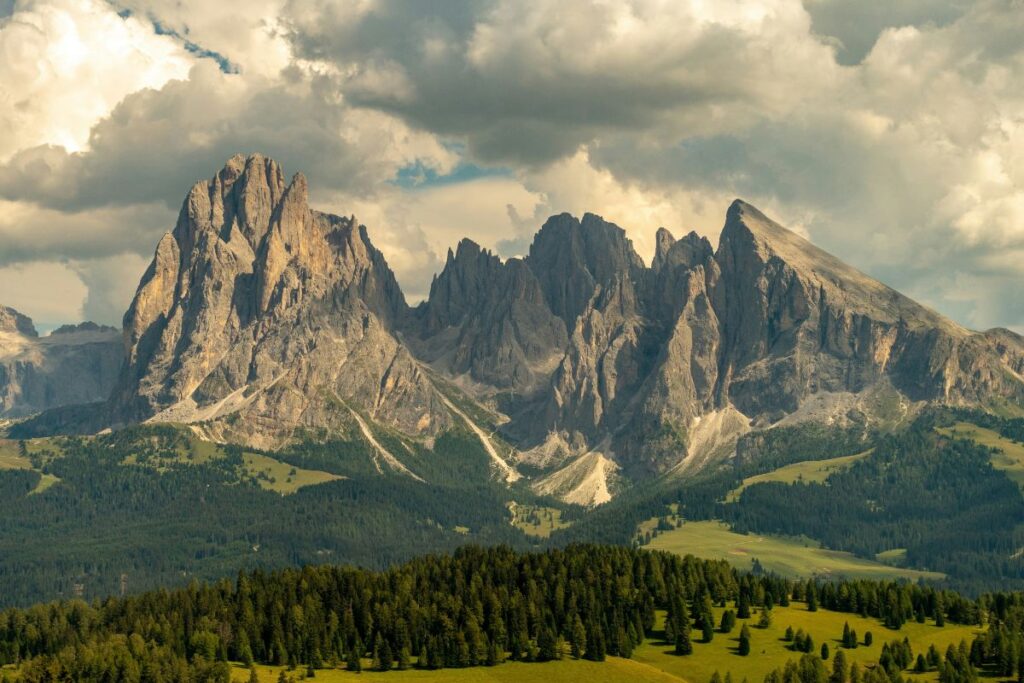
The Dolomites have a very distinct look, with pale rock formations rising sharply above green valleys. Cortina d’Ampezzo is one of the main towns, and from there, you can reach places like Lago di Sorapis and Tre Cime di Lavaredo without too much effort. Early starts are common here, especially in summer, as car parks fill quickly and trails become busy by mid-morning.
In Val Gardena, villages like Ortisei and Selva sit between steep slopes and open meadows. Cable cars run up to higher ground, where paths lead across wide alpine plateaus. Seceda is a popular spot, with a ridgeline that drops sharply on one side and opens onto rolling pasture on the other. You’ll often see hikers, cyclists, and local farmers sharing the same space.
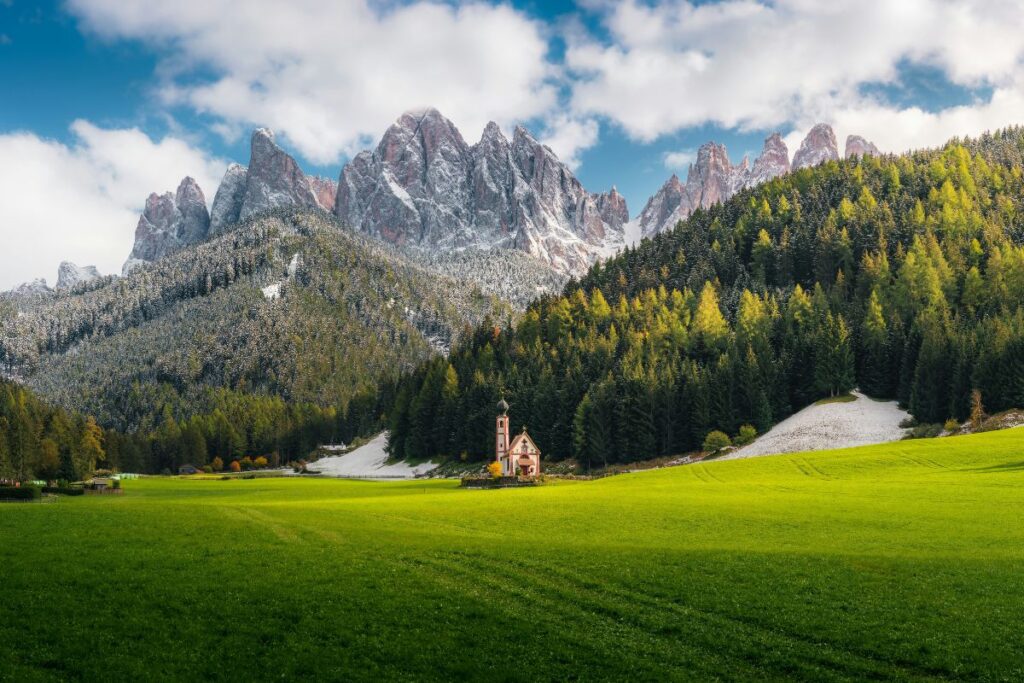
Markets in towns such as Bolzano reflect the region’s Italian and Austrian influences. Stalls sell cured meats, cheeses, and bread that feel closer to what you’d find in the Alps further north. It’s a good place to pause before heading back out into the mountains, especially if you’ve spent the morning walking.
Which European escape calls to you?
What stands out across these places is how varied the experience can be without needing to travel far. One trip might centre on coastal walks and small beaches in Corfu, while another focuses on volcanic landscapes in Iceland or time on the water in Norway’s fjords.
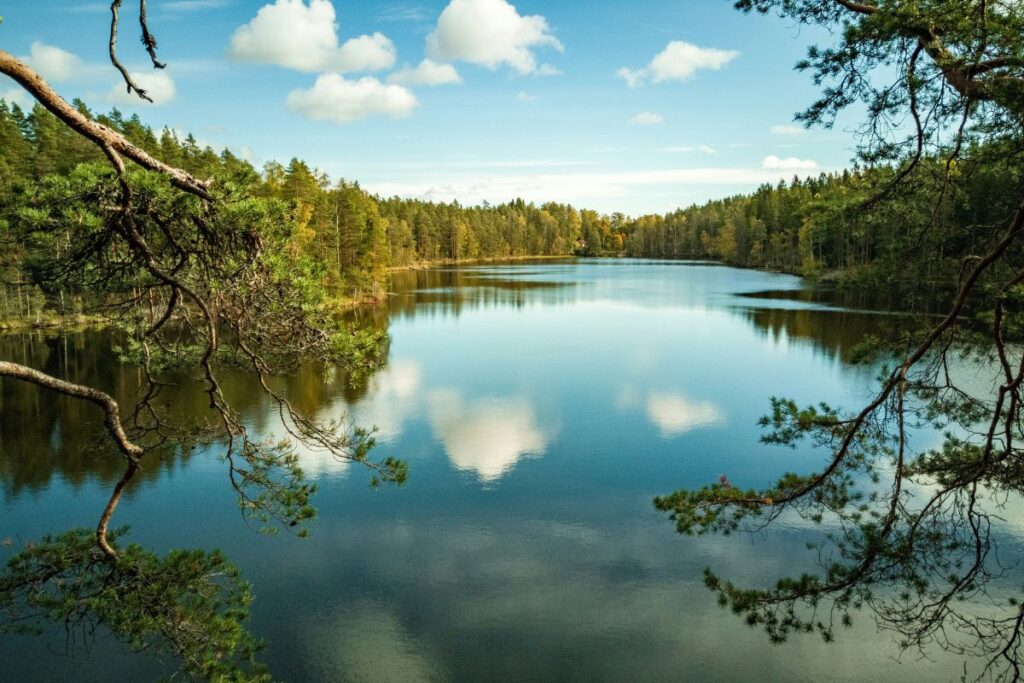
Finland offers something quieter, with long stretches of forest and lake, while the Dolomites bring elevation and wide-open views. Choosing the right European escape comes down to the kind of nature experience you’re looking for.
Images courtesy of unsplash.com and pexels.com