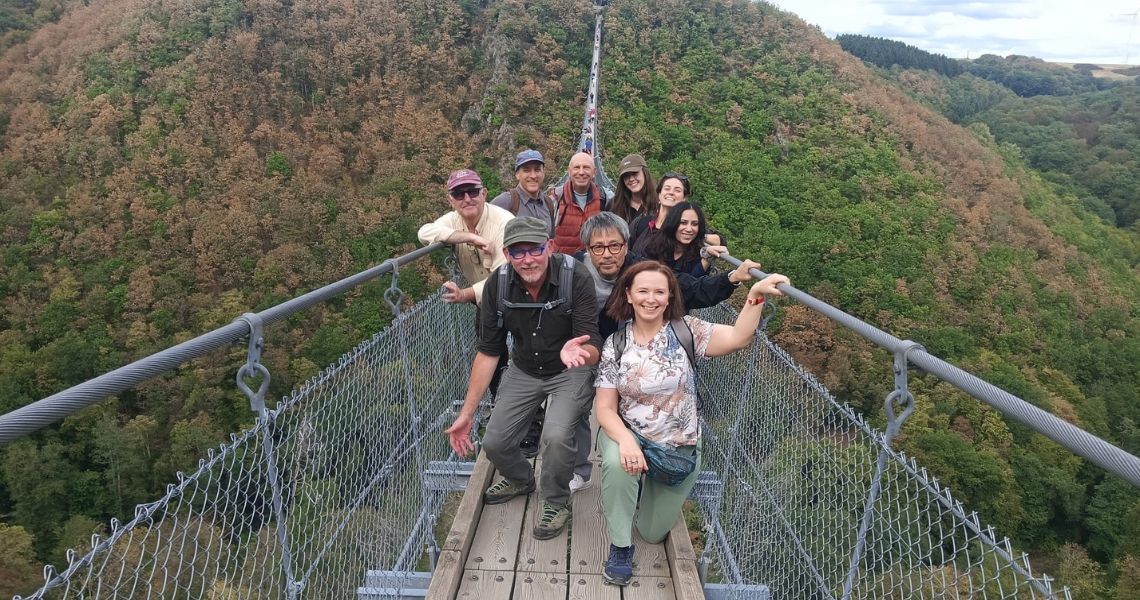
Providing students with educational experiences that extend beyond the classroom walls is more important than ever. Educational trips offer an invaluable opportunity for students to engage with the real world, develop critical thinking skills, and foster a lifelong love of learning.
As a teacher, planning educational trips can be a daunting task, but with careful consideration and planning, it can be a rewarding and impactful experience for both you and your students.
Key Considerations When Planning Educational Trips

The first step in planning an educational trip is to determine the learning objectives. What do you want your students to learn from this experience? How does it align with the curriculum? Setting clear and measurable goals for the trip is important, as this will help you select the appropriate destination and activities.
Next, consider the logistics of the trip. How will you get there? What is the budget? How many students will be attending, and what is the teacher-to-student ratio? It is important to plan for transportation, accommodation, meals, and any other logistical considerations well in advance.
Steps to Ensure Safe and Productive Educational Trips

Safety is of paramount importance when planning an educational trip. Make sure to conduct a thorough risk assessment of the destination and activities. Consider the location, transportation, and any potential hazards. It is important to have a detailed emergency plan in place and to communicate this plan to all students and accompanying staff.
Establishing clear expectations and guidelines for behaviour during the trip is also important. Make sure that students understand the rules and the consequences of breaking them. It is also helpful to establish a clear trip schedule and communicate this schedule to students and parents in advance.
Tips for Selecting the Right Destination and Activities

Selecting the appropriate destination and activities is crucial to the success of your educational trip. When considering different options, think about how they align with the learning objectives of the trip. For example, London school trips offer a wide range of educational opportunities, from historical landmarks to world-class museums and cultural institutions.
It is also important to consider the interests and abilities of your students. Select activities that are engaging and appropriate for their age and developmental level. Make sure also to consider any special needs or requirements of your students.
Incorporating Curriculum Goals into Your Educational Trip

An educational trip should not be an isolated event, but rather an integral part of the curriculum. It is important to plan activities and experiences that align with the learning objectives of the trip and the curriculum as a whole.
Before the trip, prepare your students by providing them with background information and context about the destination and activities. During the trip, engage students in active learning experiences, such as guided tours, hands-on activities, and group discussions. After the trip, encourage reflection by having students write about their experiences, create presentations, or participate in group discussions.
Images courtesy of unsplash.com and pexels.com