A landmark exhibition at Haarlem’s Frans Hals Museum brings together two of the greatest Dutch Masters, but why stop at the gallery? Victoria Reddington explores Leiden, Haarlem and Amsterdam, discovering the places, the people and stories that give their masterpieces an entirely new perspective.
How much more can we discover about a painting when we understand the world in which it was created? The streets an artist walked, the people they encountered, the influences that shaped their creativity and the circumstances that defined their lives? One of the great pleasures of cultural travel is the opportunity to make these connections; to step beyond the confines of a gallery and explore the very places that provide context to the artworks we admire. I am speaking about the Dutch Masters.
As someone who has long admired the Dutch Masters, the opportunity to be among the first to experience Hals-Rembrandt, a landmark exhibition at the Frans Hals Museum in Haarlem, was an exciting prospect. But the opportunity to explore the cities that shaped these two remarkable artists is equally compelling.
The exhibition itself marks a significant moment in Dutch art history. For the first time, 19 paintings by Frans Hals and Rembrandt van Rijn have been brought together in an exhibition devoted entirely to their artistic relationship, offering a rare opportunity to explore the parallels in their work and the distinctive qualities that set them apart.
For those planning to visit the exhibition, there is a compelling case for extending your stay. Each city offers a distinct perspective on the artists’ lives and work, revealing the influences, experiences and artistic communities that helped shape their extraordinary careers. Together, they provide a richer understanding of the paintings brought into conversation at the Frans Hals Museum. With all three cities so easily connected by the Dutch rail network, the exhibition presents the perfect opportunity to curate your own cultural city break, combining world-class art with an exploration of the remarkable places that inspired it.
Leiden: Where Rembrandt’s Story Began
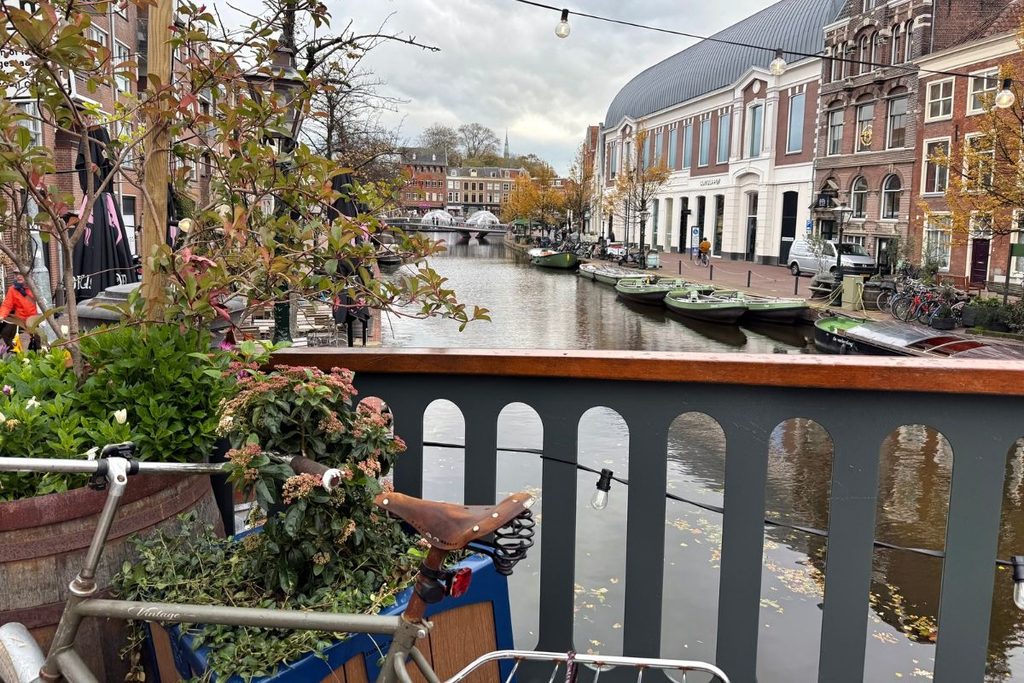
Before Rembrandt became one of the most celebrated painters in history, he was the son of a miller growing up in Leiden. Born there in 1606, Rembrandt spent his formative years in a city with a thriving textile industry, an established university and a productive artistic community. It was here that he received his education, began his artistic training and established his first studio.
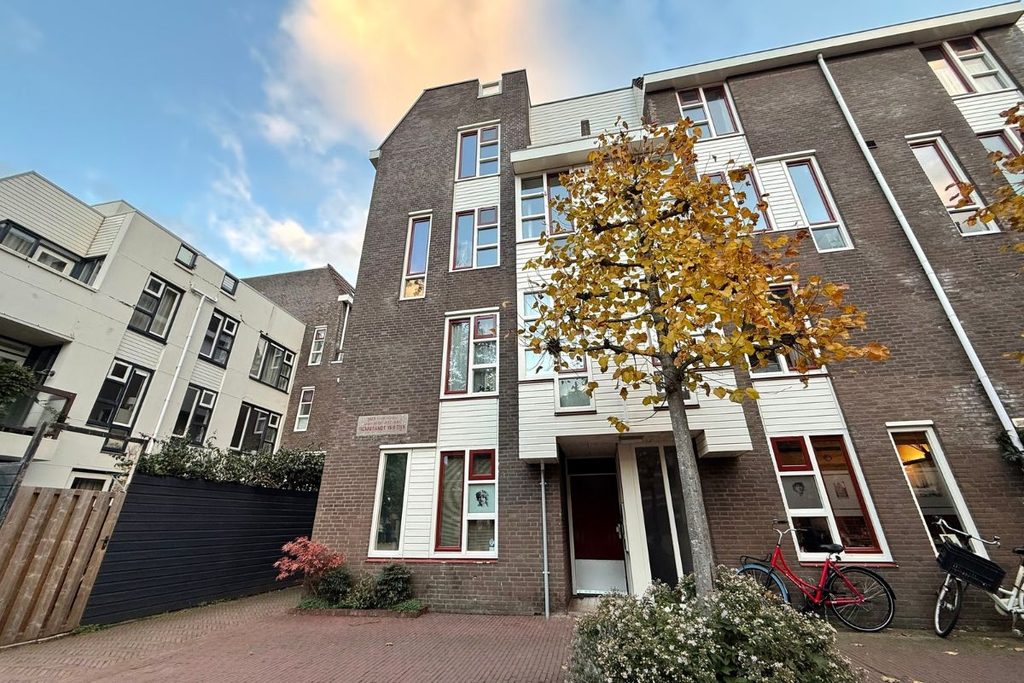
Leiden itself is a delight. Canals reflect the distinctive Dutch architecture, bicycles line the bridges and the historic centre lends itself perfectly to exploration on foot. It has much of what draws visitors to Amsterdam, but with a considerably gentler pace and it’s own distinctive vibe. For anyone interested in Rembrandt, the city offers something particularly special; the opportunity to discover the artist before he became the Master.
Museum De Lakenhal: The Making of a Master
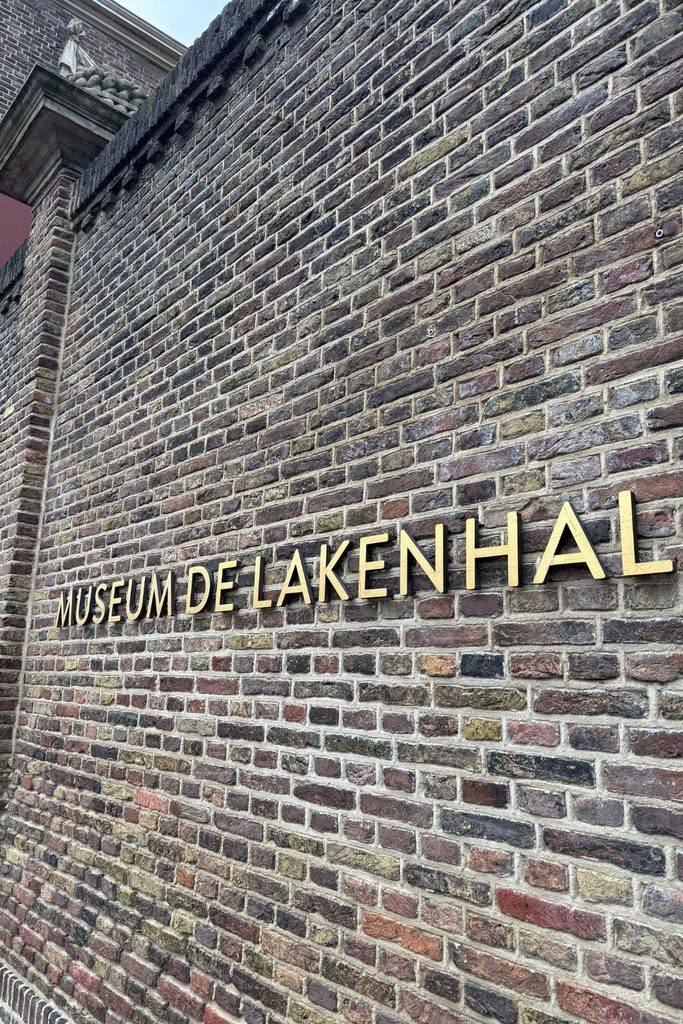

My introduction to Leiden began over lunch at Café Laken, before a fascinating tour of Museum De Lakenhal with Janneke van Asperen, curator of Old Master paintings. The museum occupies the former Laecken-Halle, a building dating to 1640 where Leiden’s renowned woollen cloth was once inspected and approved for trade. Today, its collection tells the story of the city through art, industry and craftsmanship.
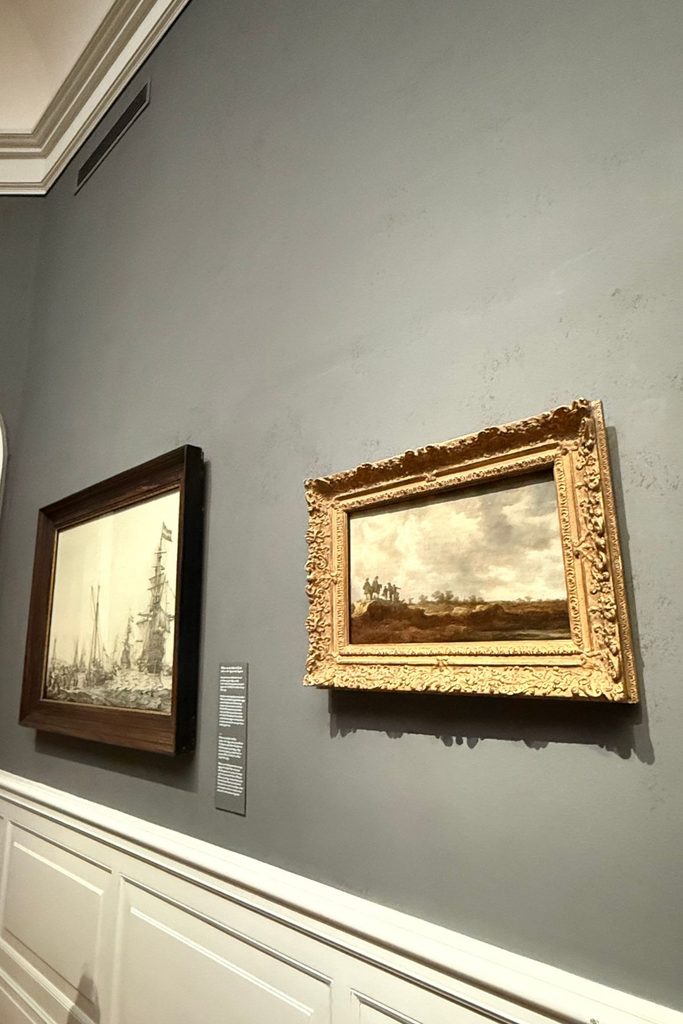
What made our tour particularly interesting was exploring Rembrandt’s work within the wider context of Leiden’s artistic history. Great artists rarely develop in isolation, and understanding the painters who preceded, taught and worked alongside Rembrandt reveals much about his development.
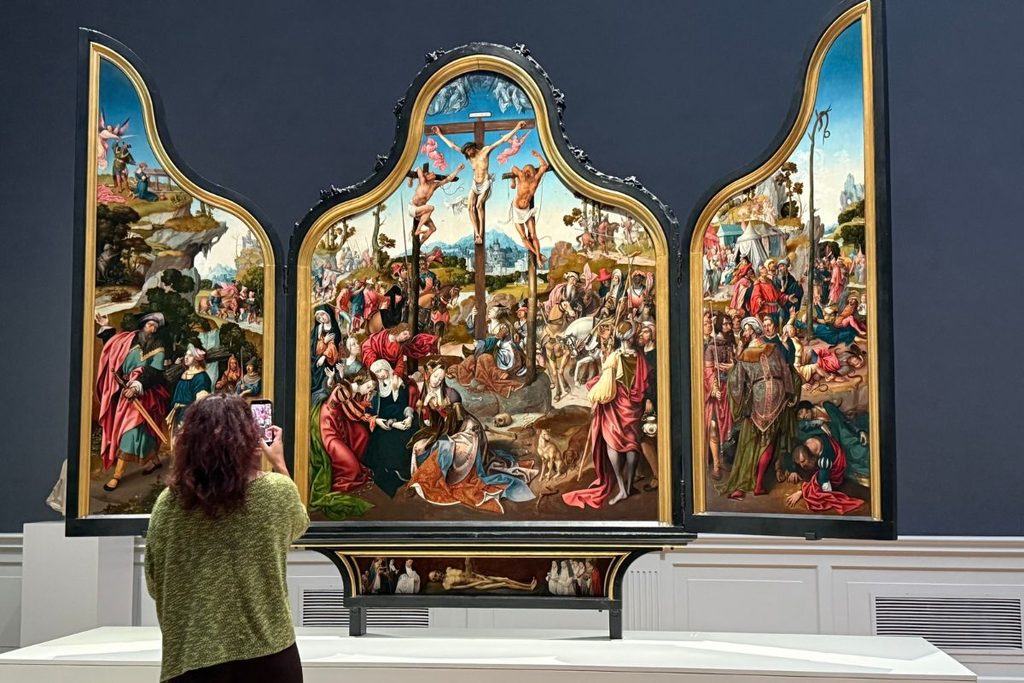
Among the museum’s treasures is Lucas van Leyden’s monumental Last Judgment, an elaborate triptych completed a century before Rembrandt began painting. Its extraordinary detail and wealth of human expression make it a compelling introduction to the artistic traditions of the city. The collection also encompasses work by Rembrandt’s contemporary Jan Lievens and Gerrit Dou, who trained in Rembrandt’s Leiden studio.
Rembrandt’s early paintings, including The Spectacle Seller and History Painting, demonstrate an artist already experimenting with composition, expression and technique. There is something compelling about looking at the work of a young person whose name would eventually become synonymous with artistic brilliance.
Walking in the Footsteps of a Young Rembrandt
Having explored Leiden’s artistic heritage inside the museum, we took to the streets for a guided Rembrandt walking tour. The city’s Rembrandt Route connects locations associated with his early life, including the Latin School he attended, the area around Pieterskerk and the Weddesteeg, where he was born.
Although his birthplace no longer survives, the location is marked, and the nearby Molen De Put windmill helps put his family’s milling background into context. Walking these streets allows you to appreciate the scale of the city in which Rembrandt grew up and the proximity of the places that shaped him.
One particularly memorable stop was the Young Rembrandt Studio.
Young Rembrandt Studio: A Masterpiece of Your Own
Tucked away on Langebrug is a modest 17th-century building with an extraordinary claim to fame and it was here that Rembrandt received his early artistic training under his first teacher, Jacob van Swanenburgh.
Inside, a seven-minute immersive film introduces visitors to the young artist, his formative experiences and the people who influenced his development. The presentation makes inventive use of the historic room itself, bringing the story to life without requiring any prior knowledge of art history.
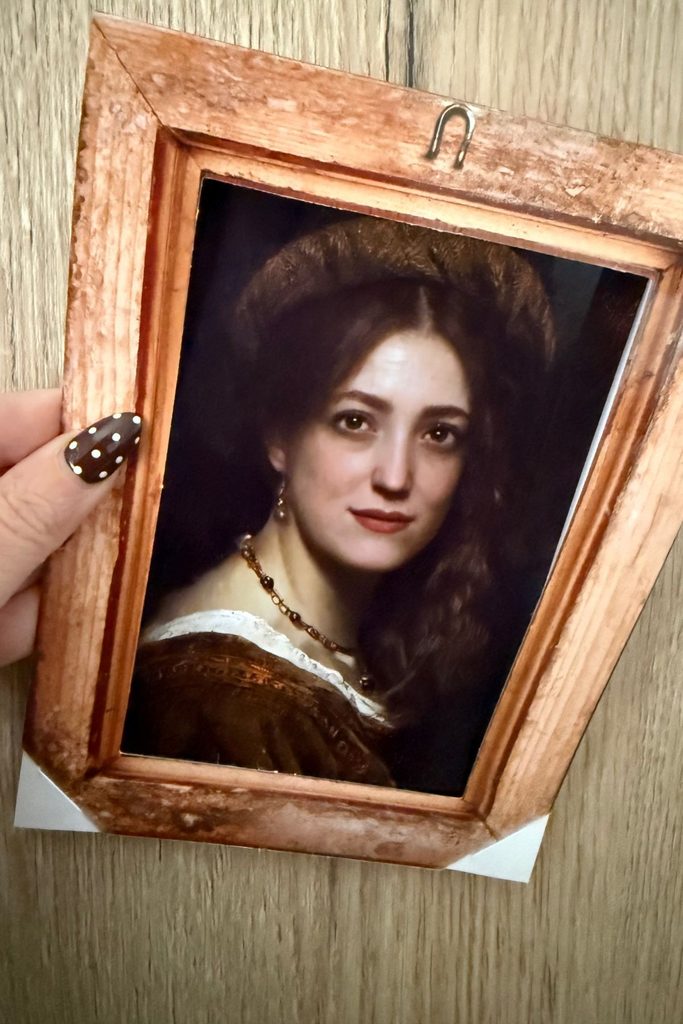
There is also a rather fun contemporary twist; using digital photographic technology, visitors can have their own Rembrandt-inspired portrait created. You stand in front of the camera and six different interpretations of your portrait appear on screen, each offering a rather more 17th-century version of yourself! Visitors can have their chosen portrait printed for €10. As souvenirs go, I think it is much more entertaining than another fridge magnet!
Haarlem: The City of Frans Hals
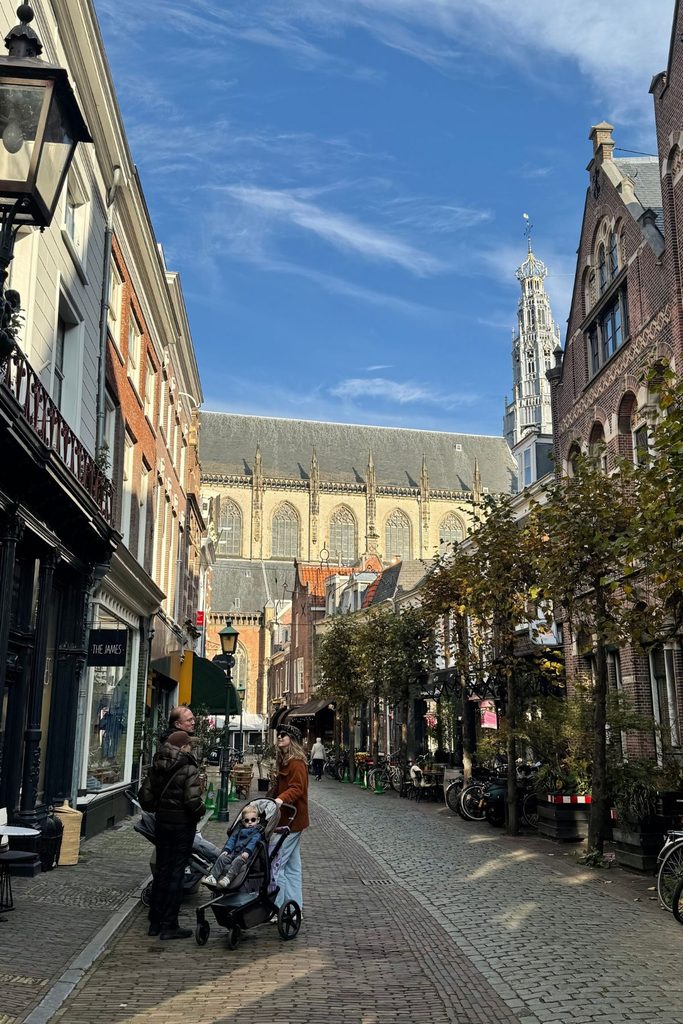
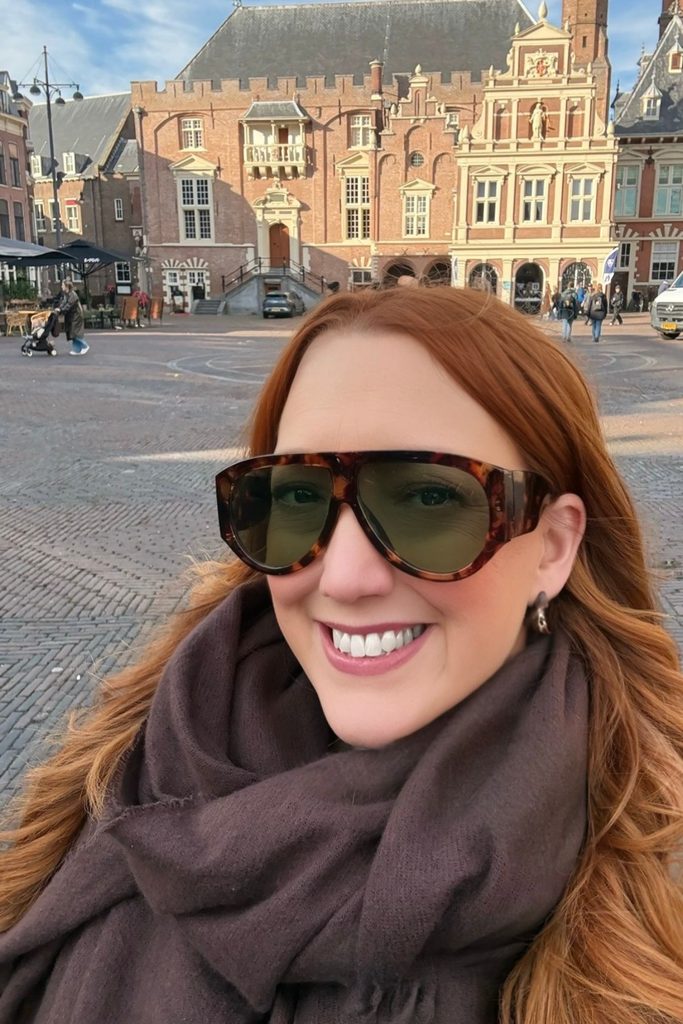
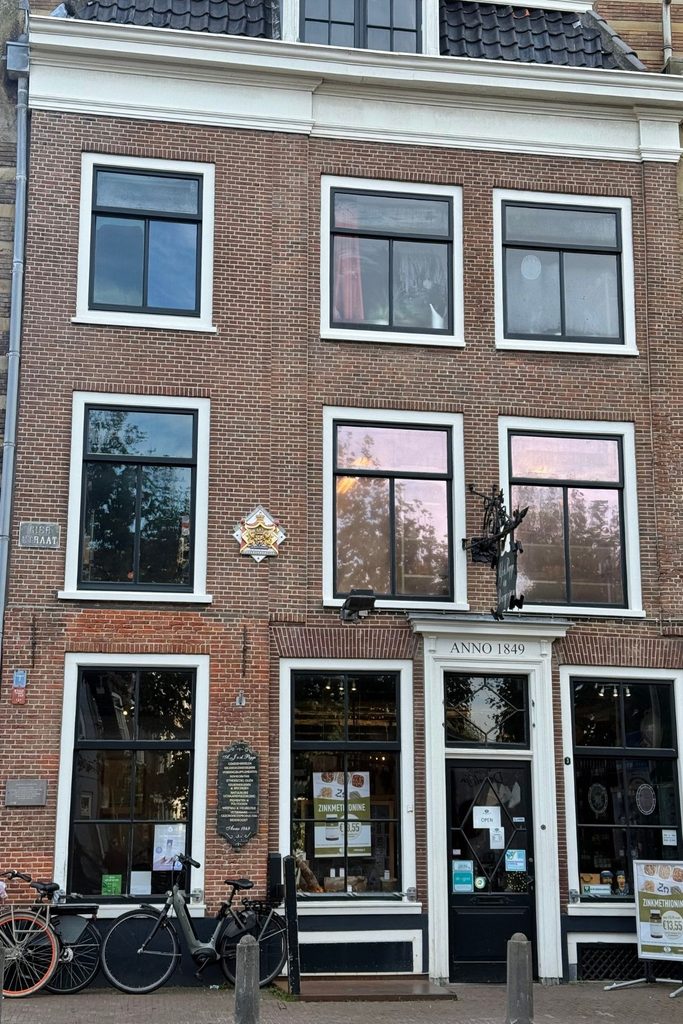
An approximate 20-minute train journey took us onwards to Haarlem, our base for the next two nights and the city most closely associated with Frans Hals.
Although Hals was born in Antwerp around 1582 or 1583, his family relocated to Haarlem while he was young. It was here that he established his reputation as one of the most innovative portrait painters of the 17th century. Haarlem is a city I am eager return to for a weekend, even without the incentive of a major art exhibition. Its historic centre is compact, its independent shopping scene is excellent and there is a particularly appealing combination of grand architecture and beautifully intimate little streets. The Grote Markt, dominated by the magnificent Grote Kerk, provides a natural starting point, with cafés, restaurants and shops extending into the surrounding streets.
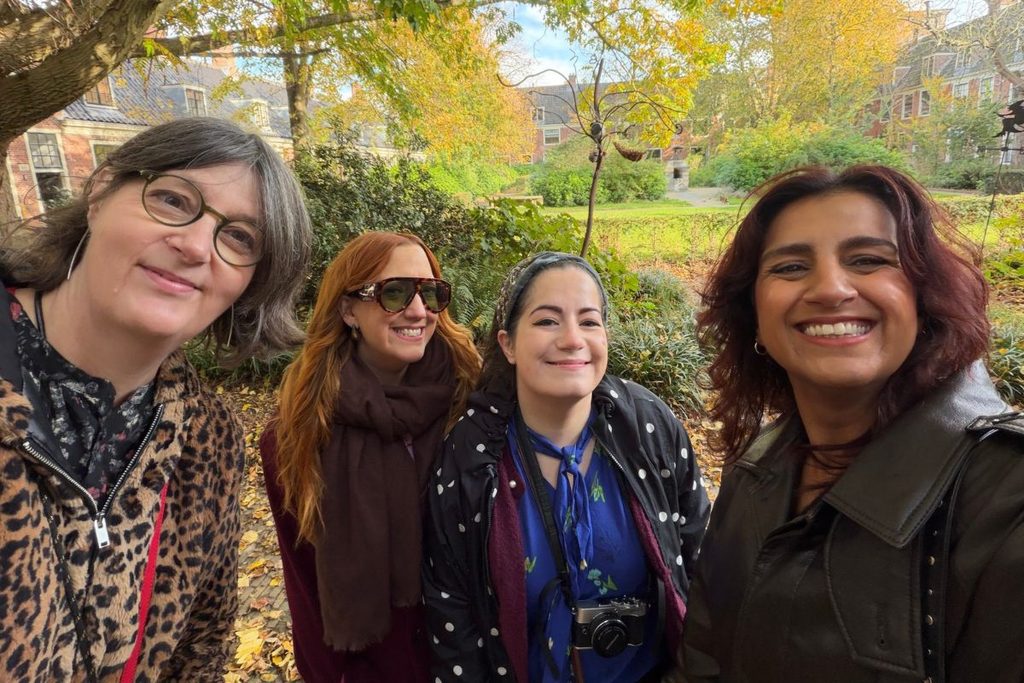
We enjoyed dinner at Grand Café Brinkmann on our first evening, a lovely introduction to Haarlem’s appeal as a city break destination in its own right.
Where to Stay: Amrâth Grand Hotel Frans Hals
Rather appropriately for the purpose of our trip, our home in Haarlem was the four-star Amrâth Grand Hotel Frans Hals. Situated on Damstraat, just moments from the Grote Markt, the hotel has 82 rooms and suites, a lounge and an intimate bar.

Offering comfortable accommodation at an affordable price, it is a great option for those looking to enjoy a cultural city break without spending a fortune on a hotel. Its central location is ideal with Frans Hals Museum, the main shopping streets and many of Haarlem’s historic buildings within easy walking distance.
The hotel also offers a museum package incorporating accommodation and admission to the Frans Hals Museum, making it a particularly appealing choice for anyone planning a stay around the exhibition.
Discovering the People and Places Behind Hals’ Paintings
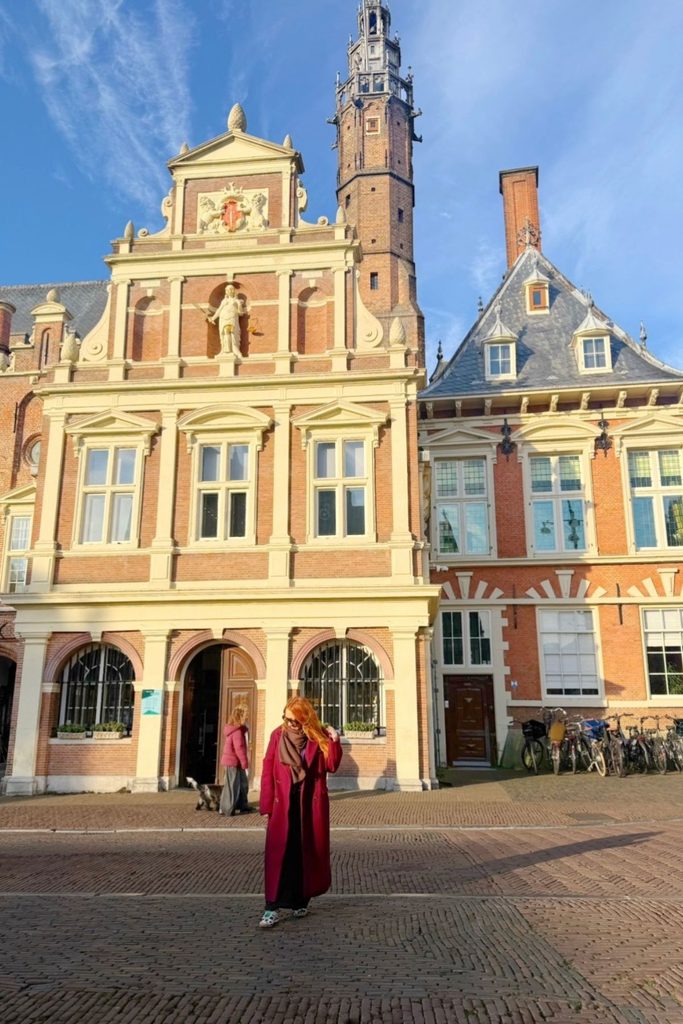
Our second morning was devoted to a guided Frans Hals walking tour, introducing us to the artist and the Haarlem society in which he lived. While Rembrandt explored numerous artistic territories, Hals built his reputation primarily through portraiture. His ability to capture a fleeting expression, a sense of movement or the individuality of his subjects was remarkably distinctive. He painted wealthy citizens and civic officials, but some of his most engaging works depict musicians, children and people enjoying a drink.
Haarlem retains several locations connected to the world he painted. The Oude Doelen on Gasthuisstraat and the Proveniershuis have links to the city’s historic civic guard companies, whose members became the subjects of Hals’ celebrated group portraits. There is also Peuzelaarsteeg, a small street associated with his working life, and the magnificent Grote Kerk, also known as the St Bavokerk, where Hals was buried in 1666.
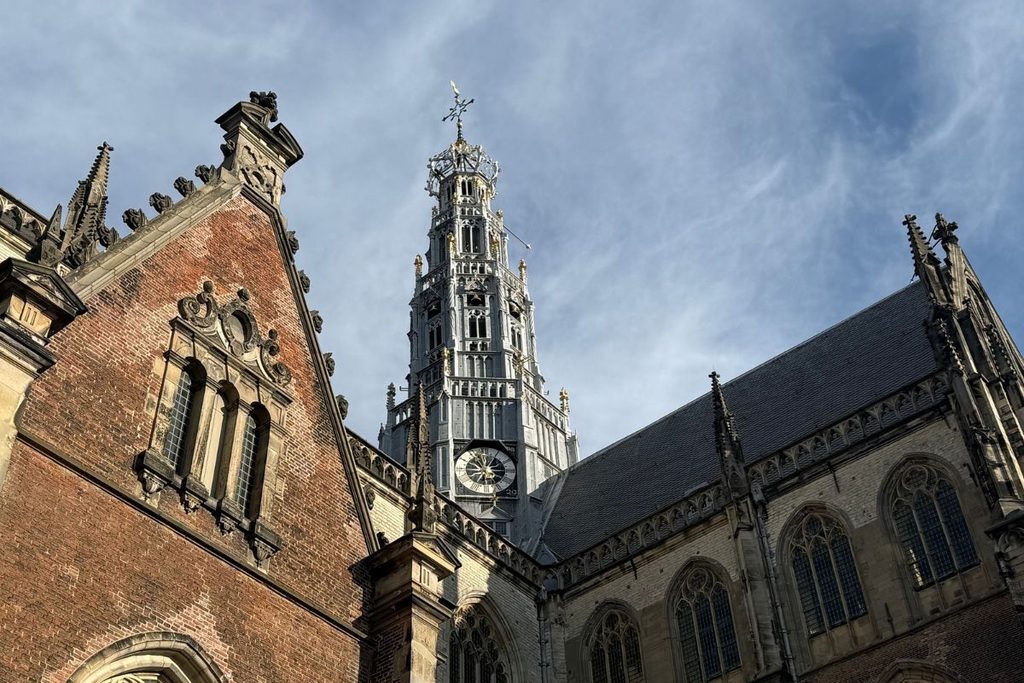
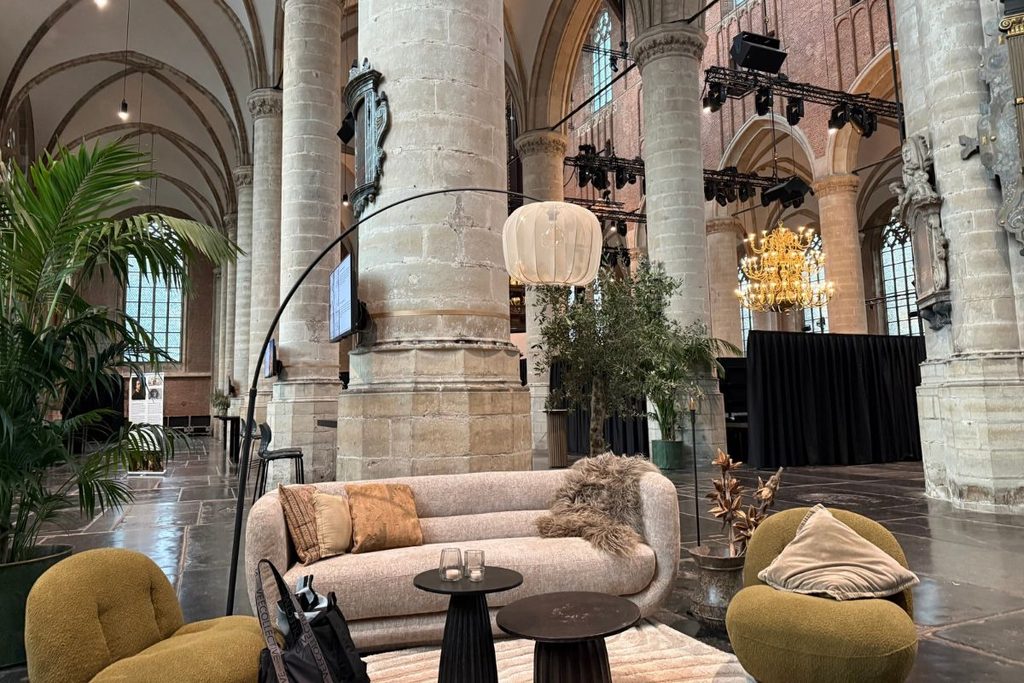
The church itself in particular is worth a visit. Dominating Haarlem’s Grote Markt, this magnificent late-medieval church has been a defining feature of the city’s skyline for centuries. Its soaring Gothic interior, beautifully vaulted wooden ceiling and stained-glass windows are impressive, but perhaps its greatest treasure is the extraordinary Müller organ. Completed in 1738, standing almost 30 metres tall and comprising more than 5,000 pipes, the instrument was famously played by Handel and a ten-year-old Mozart. For those following in the footsteps of Frans Hals, the church holds particular significance as the artist’s final resting place.
Exploring these locations gives Hals’ portraits additional context. The merchants, civic guards and governors he painted belonged to a society whose institutions and buildings can still be discovered today.
The Frans Hals Museum offers a free English-language audio walking tour, or ‘podwalk’, connecting several of these locations. I would thoroughly recommend doing this before visiting the exhibition.
Hals – Rembrandt: Two Artists in Conversation
Following lunch at Meneer Frans, a charming lunchroom with an attractive courtyard garden, it was time for the very reason behind our trip.
I had the privilege of attending the exclusive press conference at the Frans Hals Museum on 4 November, two days before the exhibition opened to the public. Museum director Lidewij de Koekkoek introduced the vision for the exhibition, while curator Christi Klinkert and project manager Kathelijne Eisses provided further insight into its artistic content and presentation.

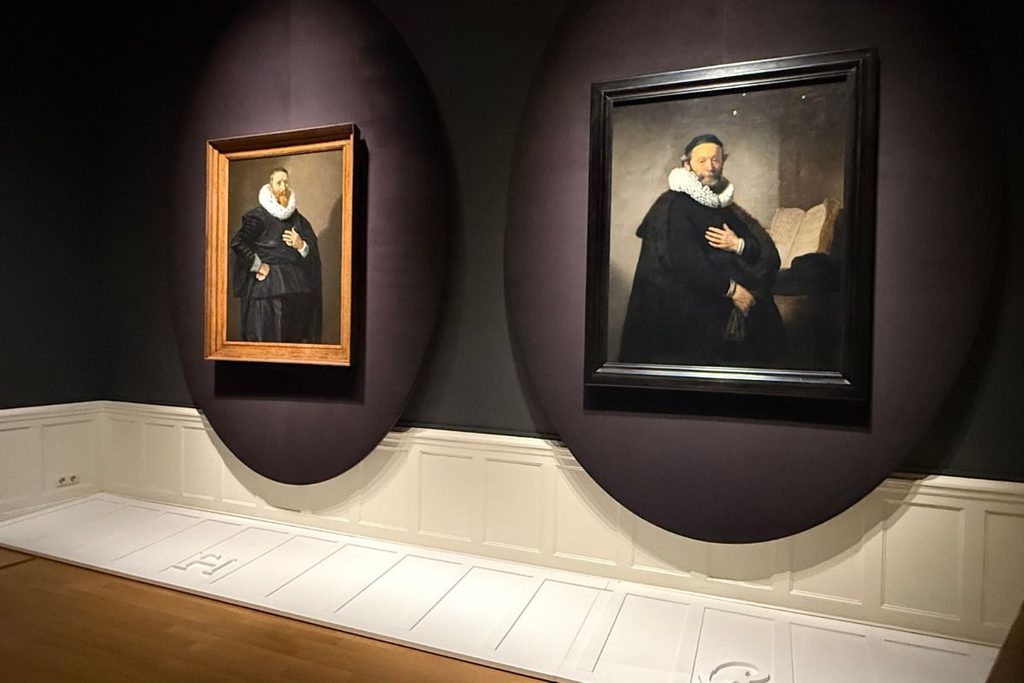
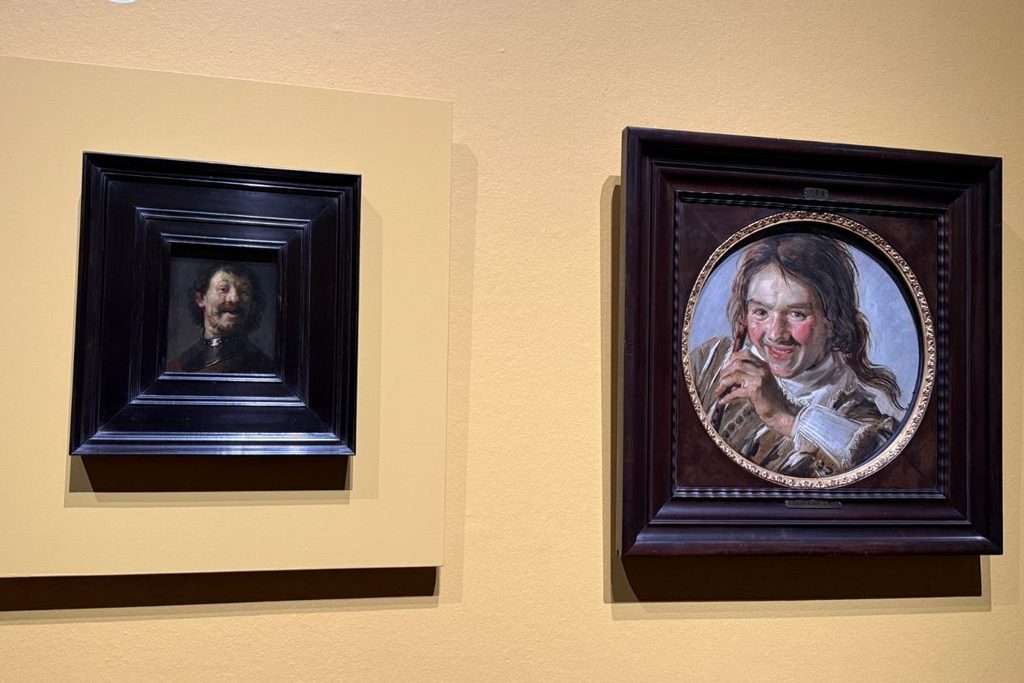
Hals-Rembrandt brings together 19 paintings, including five important loans from the Rijksmuseum, in a series of carefully considered pairings. Rather than attempting to provide an exhaustive overview of either artist’s career, the exhibition invites visitors to compare their individual approaches.
How did each artist portray children? How could music be suggested through a still image? How might a painter convey the individuality of several people within the constraints of a commissioned group portrait? These questions become considerably more interesting when the paintings are hanging beside one another.
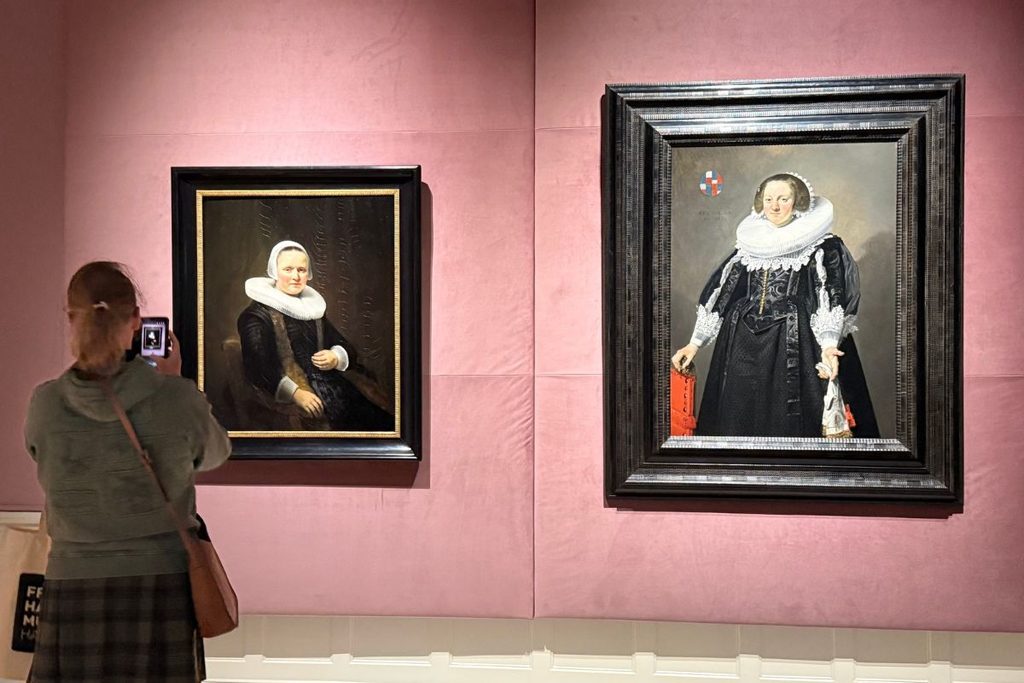
There is no surviving evidence that Hals and Rembrandt ever met. They inhabited overlapping artistic worlds, but their careers were largely centred on different cities.
Both developed increasingly expressive approaches to brushwork and possessed an extraordinary ability to convey character. Yet Hals often gives the impression of capturing a person in a fleeting moment, while Rembrandt’s subtle layers of paint, light and darkness create a remarkable sense of psychological depth.
One of my favourite aspects of the exhibition was the opportunity to sit in front of the paintings and really look at them.
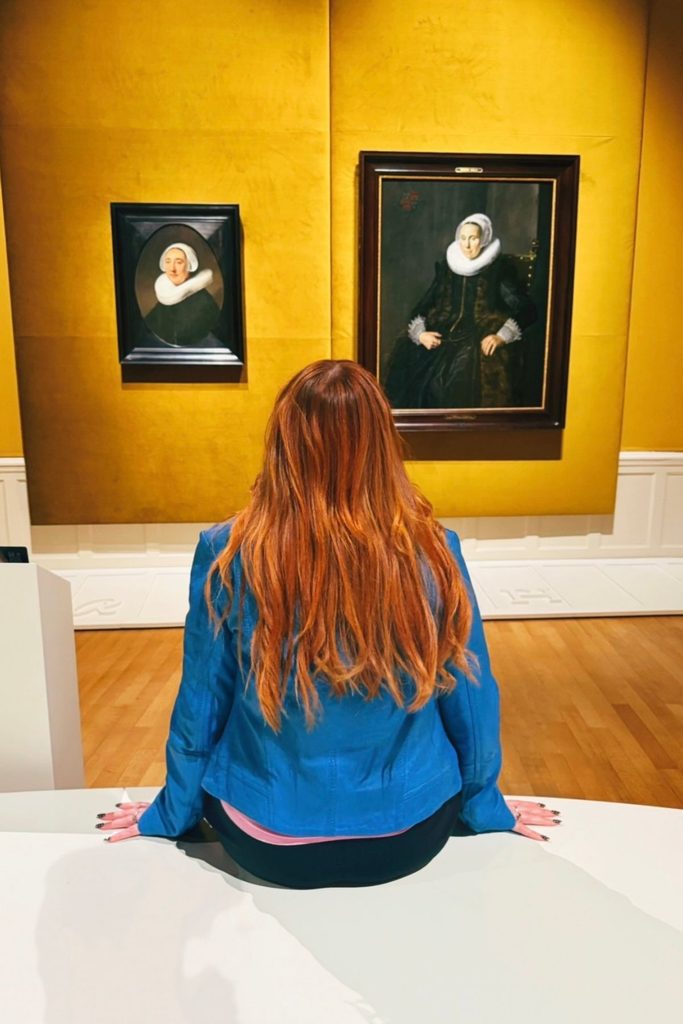
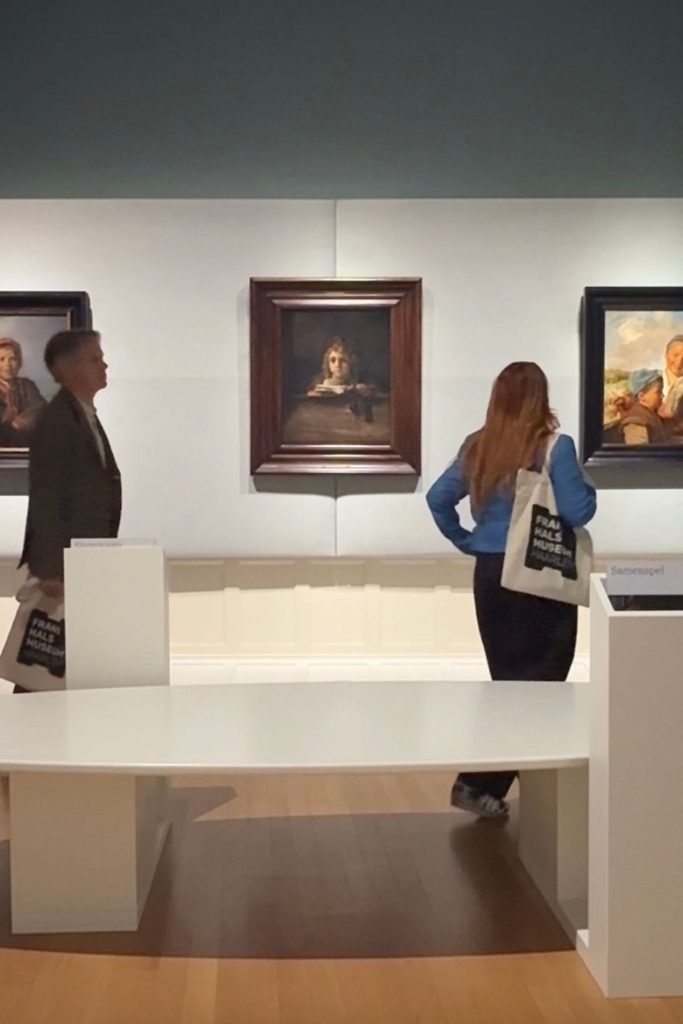
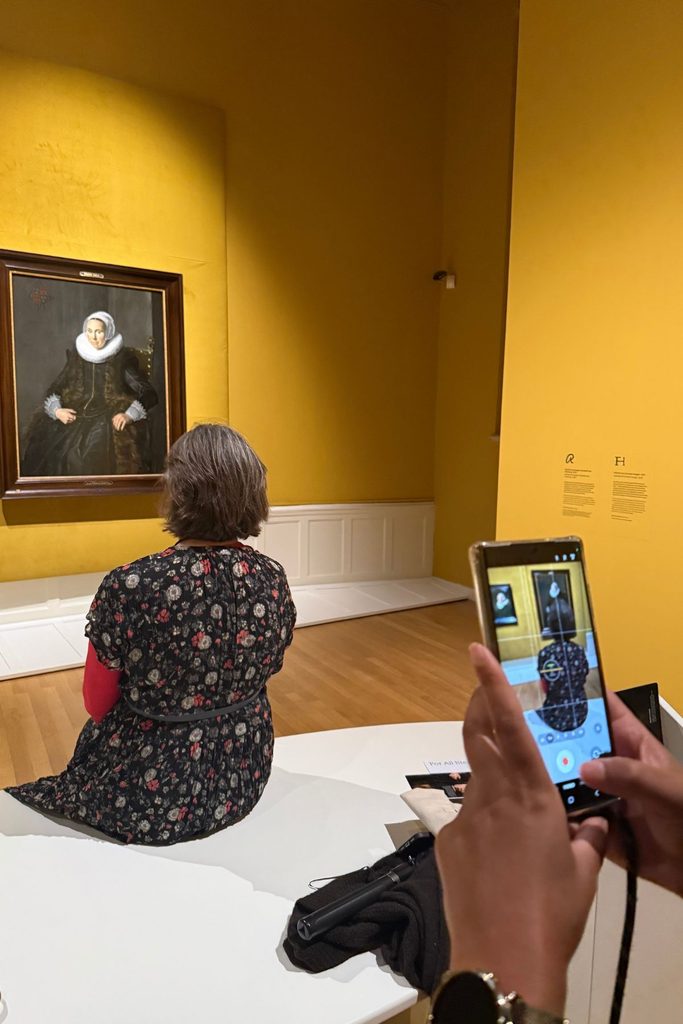
As a former fashion designer, I find myself particularly drawn to the way clothing is depicted in historic portraiture. The lace collars, elaborate fabrics and restrained palettes communicate much about wealth, status and social convention. Looking closely at how each artist approaches a white collar or the folds of a dark garment is fascinating; what initially appears to be painstaking detail can reveal itself as a remarkably economical arrangement of brushstrokes.
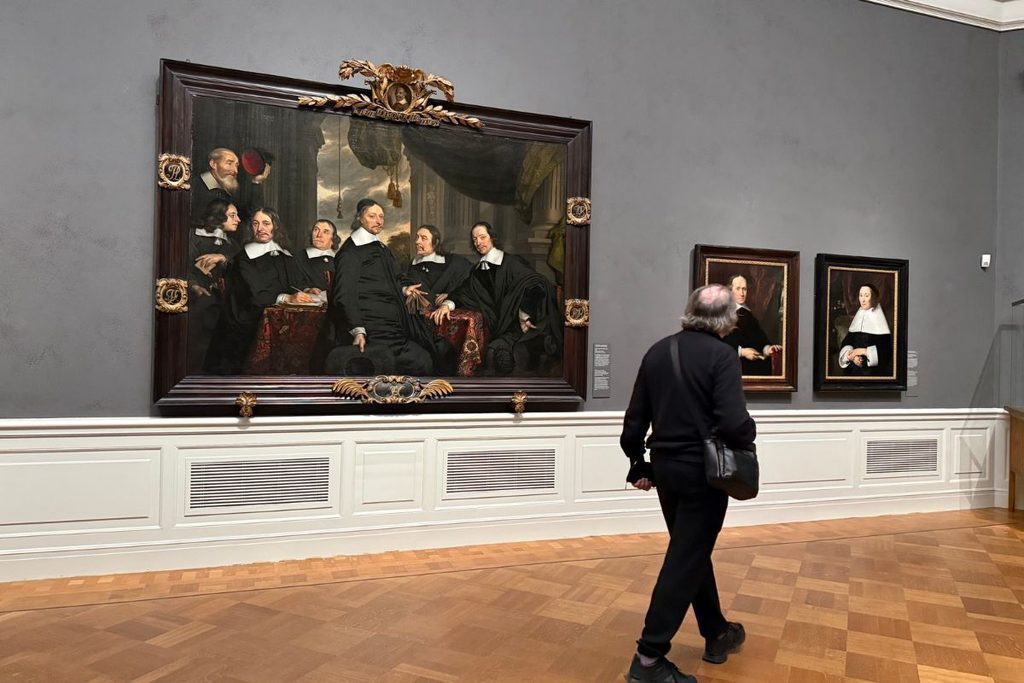
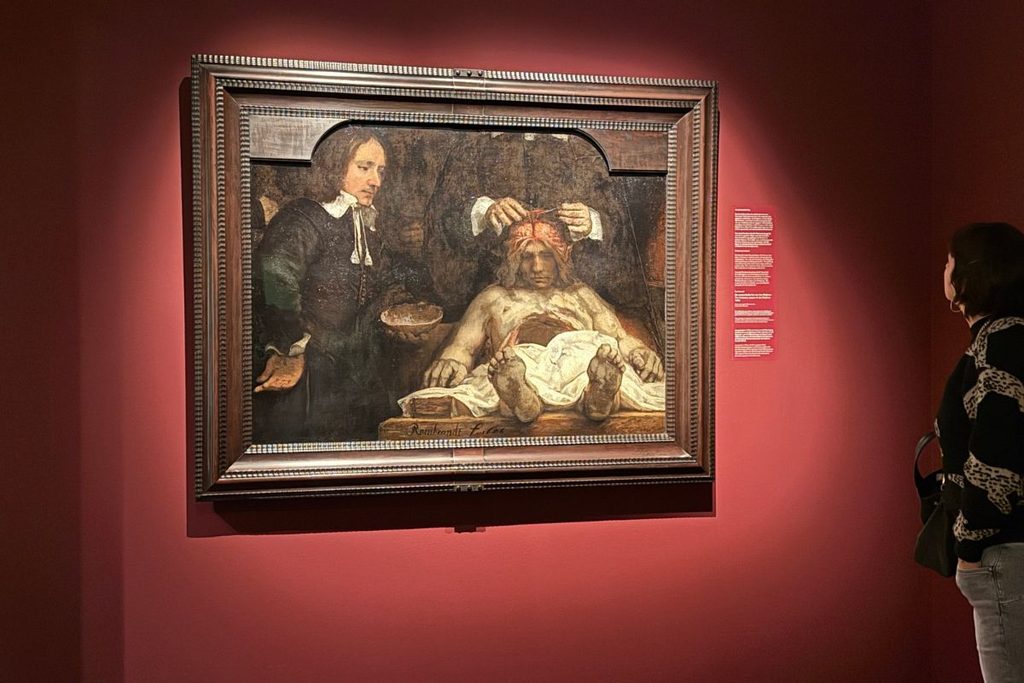
Among the significant works on display is Rembrandt’s The Syndics of the Drapers’ Guild (1662), loaned by the Rijksmuseum. Presented in relation to Hals’ group portraits of regents, it demonstrates how inventive both artists could be within an established format.
For me, this is where the exhibition truly excels. Its appeal extends far beyond those with an established knowledge of art history, inviting visitors to develop their own observations, appreciate the nuances of each artist’s approach and discover the remarkable individuality of two painters who helped define an era.
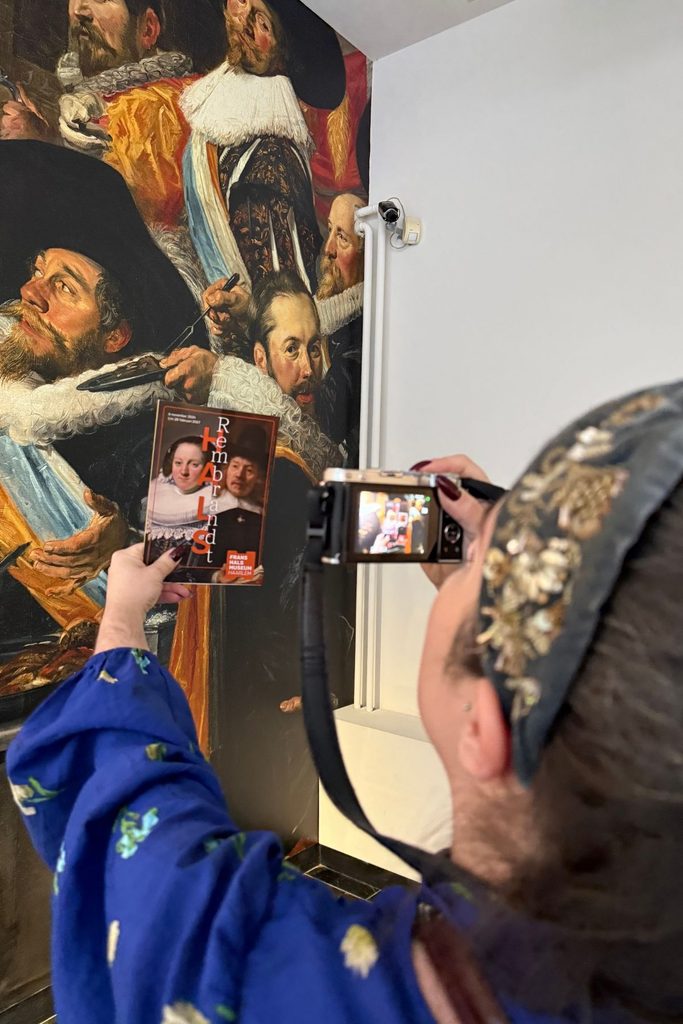

Make sure you also allow time to explore the museum’s permanent collection, particularly Hals’ celebrated civic guard portraits. The museum occupies the site of a former almshouse for elderly men, adding another historical dimension to its collection.
Haarlem: Dining Above the City
Our second evening took us somewhere rather unexpected: the rooftop of a multi-storey car park. DeDAKKAS is a contemporary restaurant housed within a greenhouse above Haarlem. Its elevated position offers panoramic views across the city, while its commitment to sustainability makes the concept particularly interesting.
The restaurant works with local producers, prioritises seasonal ingredients and champions a largely plant-led menu alongside meat and fish. It is a brilliant example of an otherwise unremarkable urban space being reimagined as somewhere people actively want to spend time.
After a day immersed in 17th-century Haarlem, this decidedly contemporary dining experience provided a welcome contrast.
Amsterdam: Inside Rembrandt’s World
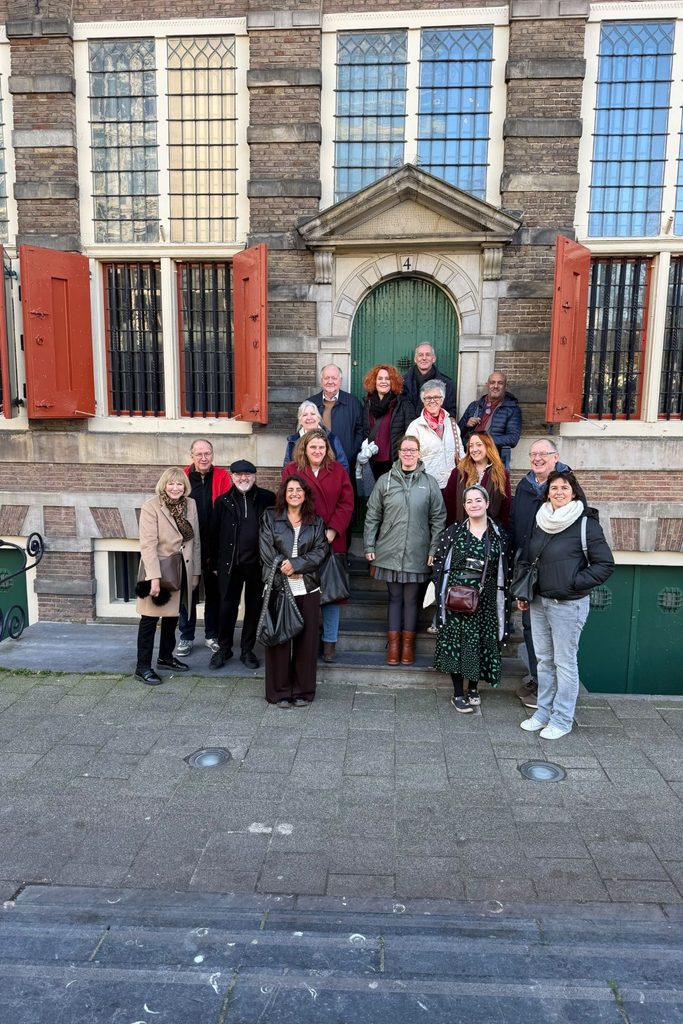
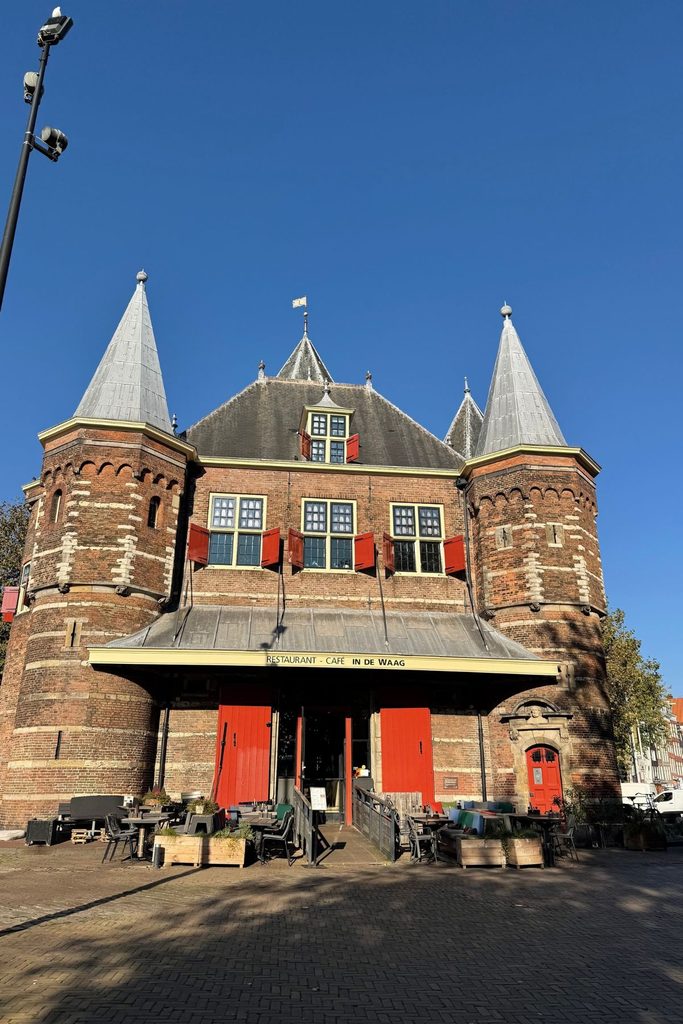
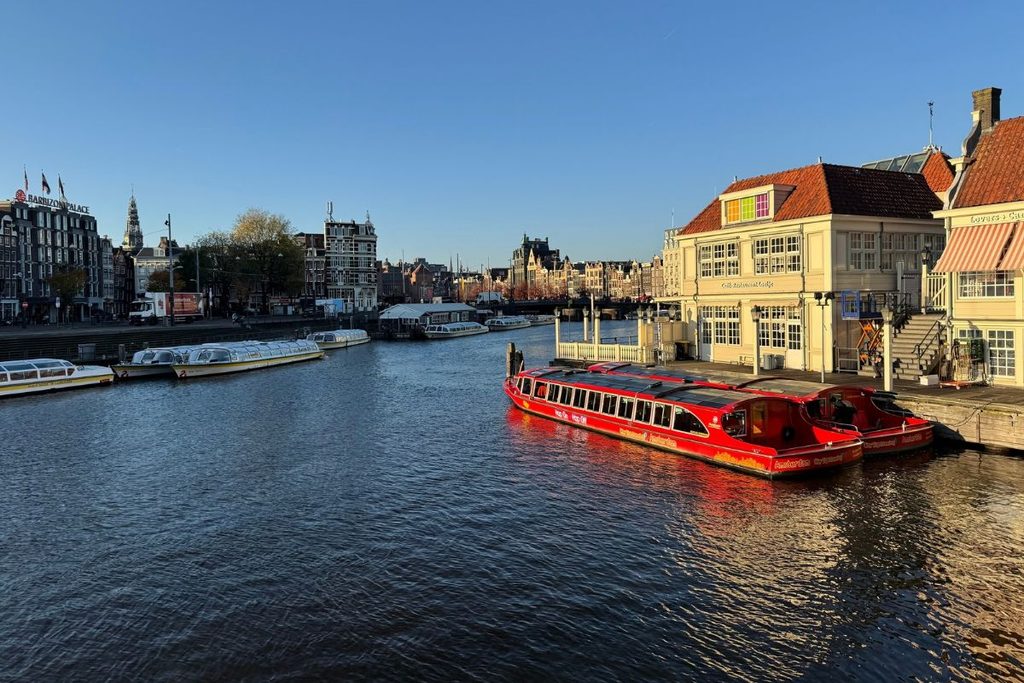
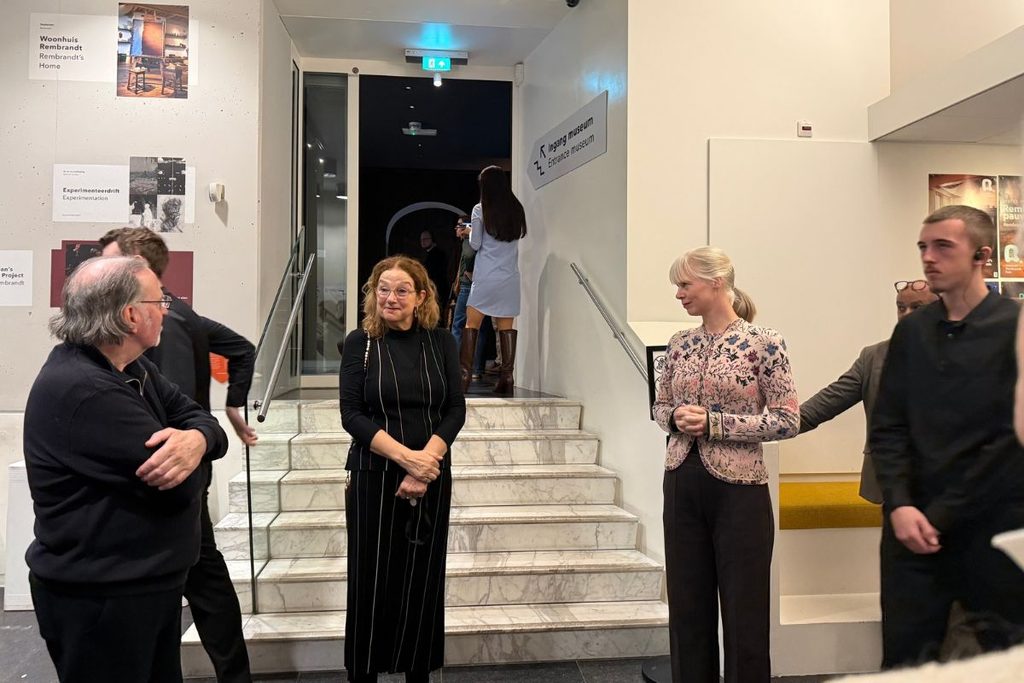
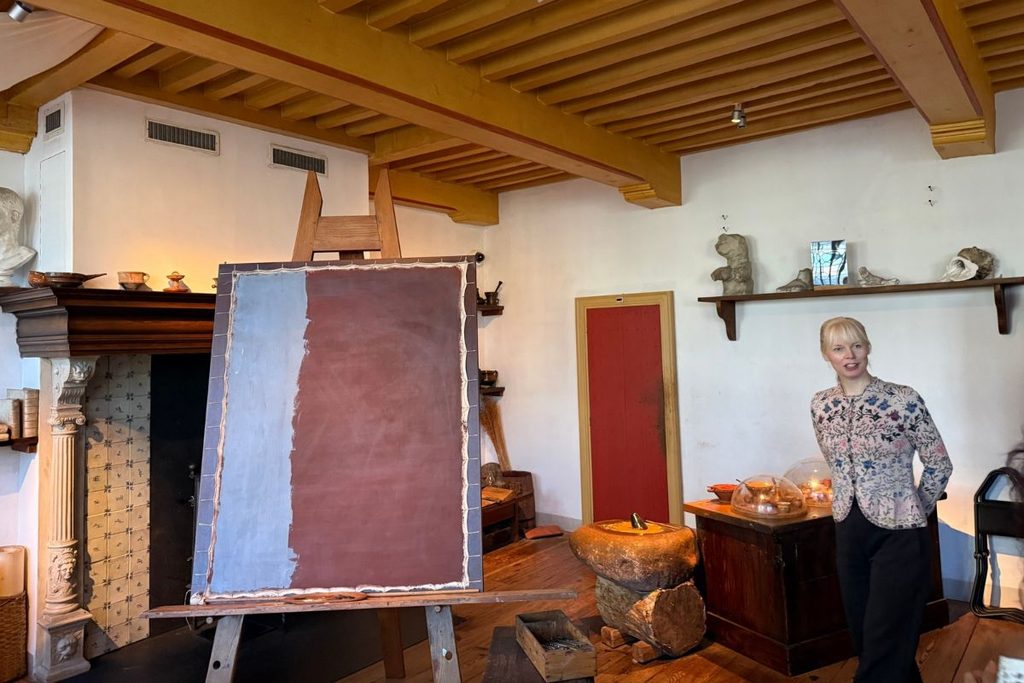
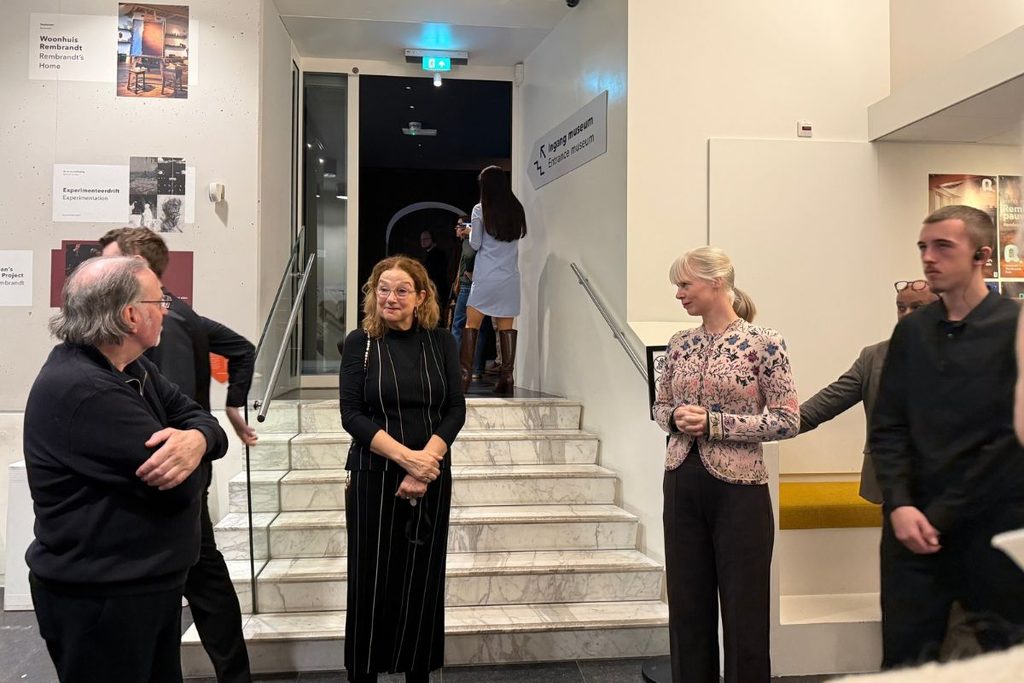
Our final day took us to Amsterdam, where Rembrandt moved to during the 1630s and established himself as a successful portrait painter. Our principal stop was Museum Rembrandthuis, the house on Jodenbreestraat where he lived and worked between 1639 and 1658.
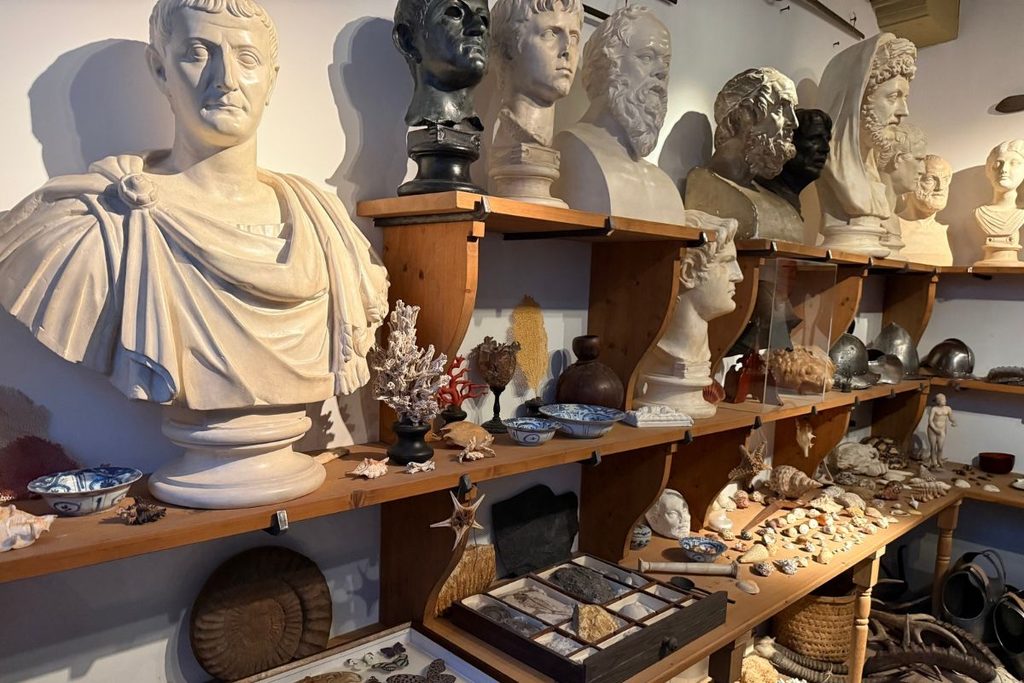
The house has been furnished to evoke its 17th-century appearance, informed by historical records, including the inventory compiled when Rembrandt experienced financial difficulties. Visitors can explore his living quarters, his studio and the room housing the kind of objects he collected for artistic reference.
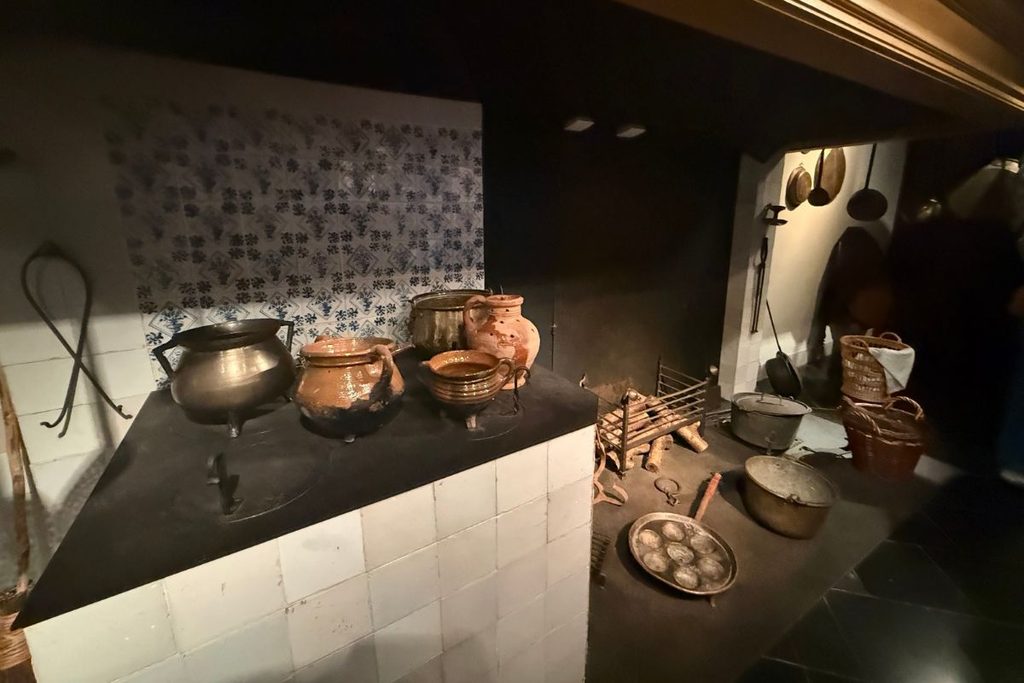
This was a place of considerable creative activity, but also a family home in which Rembrandt experienced personal tragedy and financial uncertainty. His wife Saskia died in 1642, leaving him with their young son Titus, and his worsening financial circumstances eventually forced him to leave the house.
What I found particularly compelling about the museum was its exploration of the craftsmanship and technical ingenuity underpinning Rembrandt’s artistic achievements. A demonstration of Rembrandt’s etching techniques revealed the intricacy of transferring an image onto paper using a copper plate. Rembrandt experimented with different papers, inks and methods of manipulating printing plates, producing artworks that could be shared and collected much more widely than an individual oil painting.
And during our visit, there was another, altogether more surprising, demonstration of what can be achieved with ink.
The Poor Man’s Rembrandt Project: Art That Gets Under Your Skin
Four hundred years later, Rembrandt’s work is still getting under people’s skin. Literally. One of the most unexpected things I have ever encountered in a museum was the working tattoo studio temporarily installed inside Rembrandt’s former home.
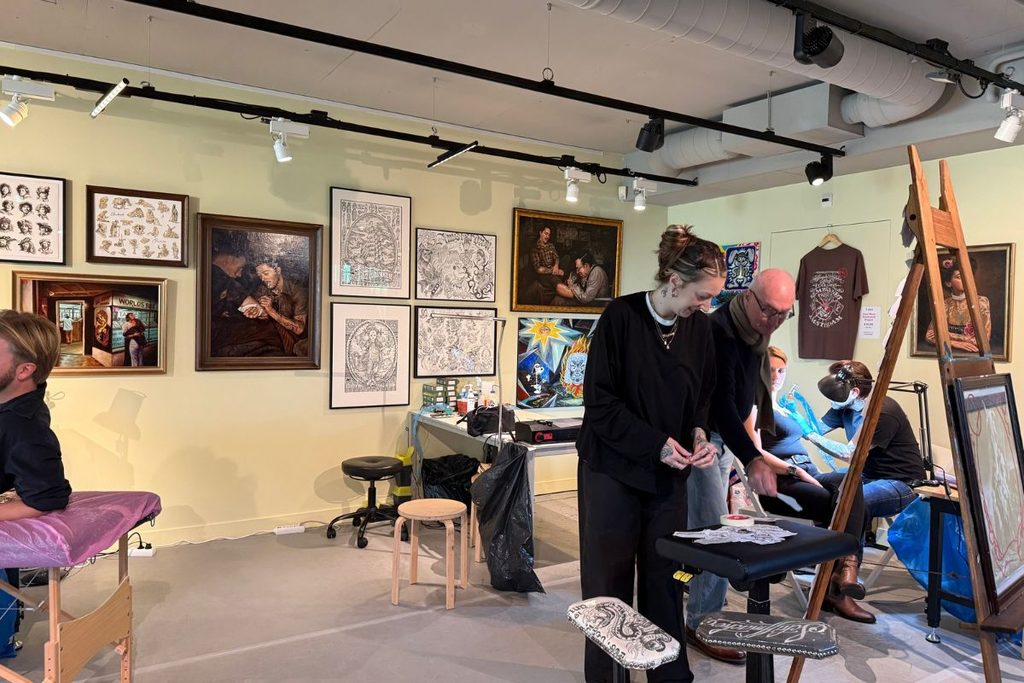
The Poor Man’s Rembrandt Project, a collaboration with legendary Dutch tattoo artist Henk Schiffmacher and the internationally renowned artists of Schiffmacher & Veldhoen Tattooing, invited visitors to have designs inspired by Rembrandt’s etchings permanently tattooed onto their skin. The project, which returned in 2026 following a successful first edition in 2023, takes its name from the idea that a tattoo is an attainable piece of art its owner can carry throughout their lifetime. Both etching and tattooing require confidence, precision, an understanding of line and shading, and considerable technical ability. The surface may be different, but there is a shared appreciation of what can be achieved through ink.
Watching contemporary artists at work inside the former home of one of history’s greatest painters was a wonderful illustration of how relevant his creative legacy remains.
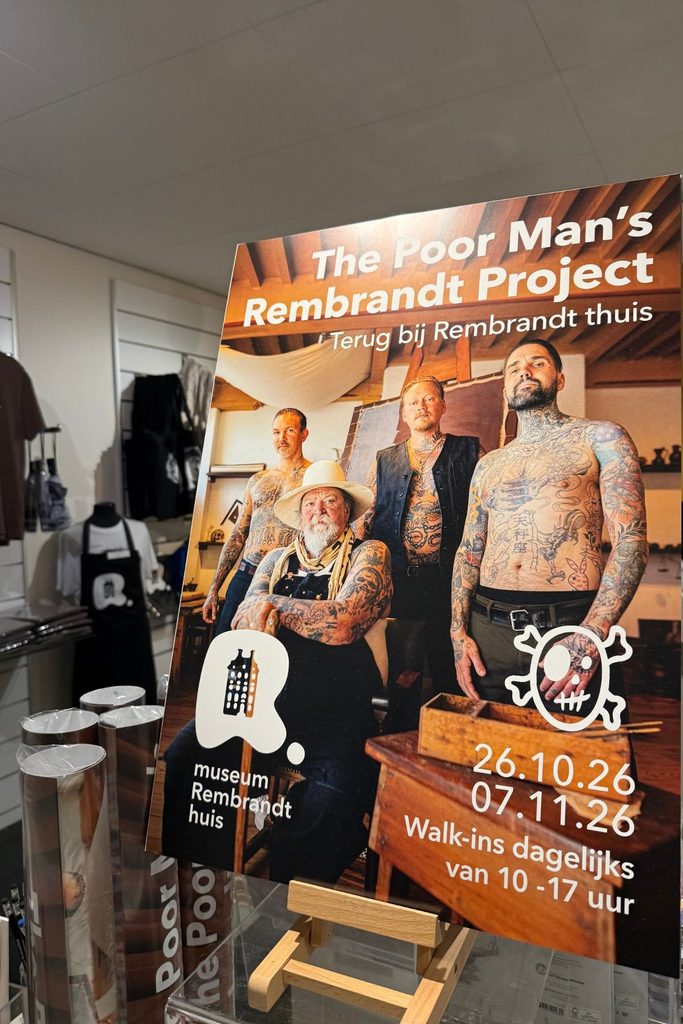
And am I gutted that I didn’t get a tattoo myself? Absolutely! Unfortunately, I had a plane to catch. Perhaps that is reason enough for another trip to Amsterdam.
Although the tattoo pop-up has concluded, the museum continues to support contemporary creativity. Rembrandt Open Studio, running until 10 January 2027, invites visitors to watch contemporary artists Marije Gertenbach and Shani Leseman developing new work inside the museum.
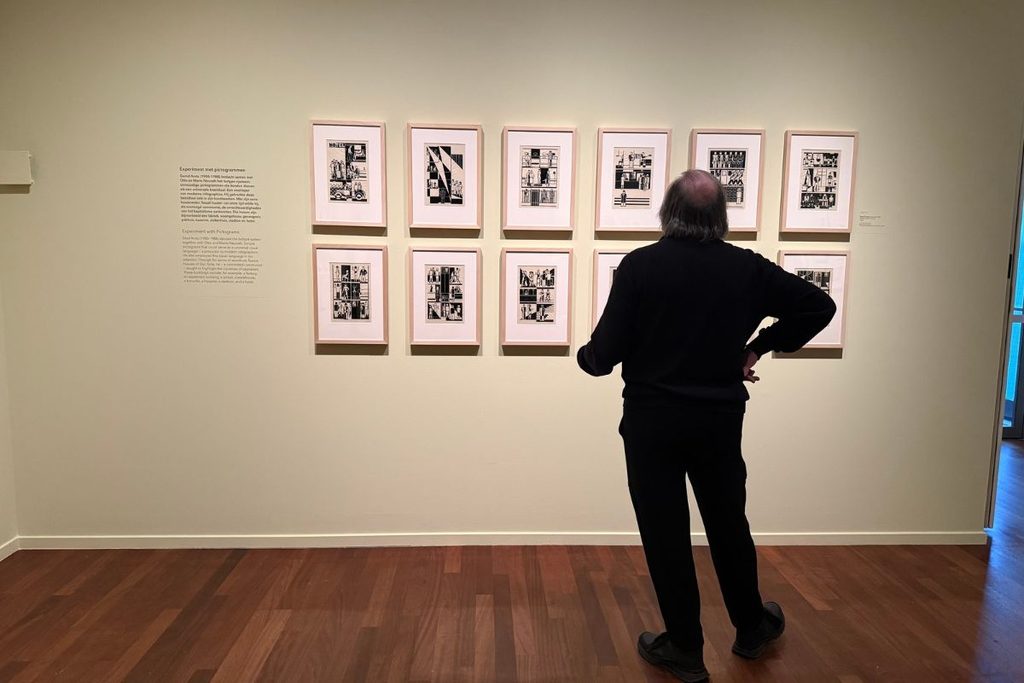
Meanwhile, Experimental Urge, running until 3 January 2027, explores artistic experimentation through works on paper and encourages visitors to try their hand at drawing.
Three Cities, Two Masters, One Unforgettable Experience
If you are planning a trip to Haarlem for the Hals-Rembrandt exhibition, I would wholeheartedly encourage you to make time for Leiden and Amsterdam too.
In Leiden, you encounter the young Rembrandt and discover the artistic community that helped shape him. In Haarlem, the streets and institutions associated with Frans Hals give context to the characters who populate his portraits. Amsterdam reveals Rembrandt’s domestic life, his working practices and the enduring influence of his art.
And at the Frans Hals Museum, those stories come together.
You could follow the same itinerary as I did, beginning in Leiden, spending two nights in Haarlem and finishing in Amsterdam. Alternatively, visit Leiden and Amsterdam first, allowing the exhibition to become the culmination of your journey.
What I came away with was a renewed appreciation not only of the paintings themselves but also of the people who created them; Frans Hals and Rembrandt were extraordinary artists, but they were also individuals shaped by education, opportunity, relationships, financial circumstances and the societies in which they lived.
Go to Haarlem for the exhibition, but give yourself a few extra days to explore the places that made these two Dutch Masters.
I promise you will look at their paintings a little differently afterwards.

Plan Your Dutch Masters City Break
THE EXHIBITION
Hals–Rembrandt
6 November 2026 – 28 February 2027
Frans Hals Museum, Groot Heiligland 62, 2011 ES Haarlem, the Netherlands.
Adult admission: €18.50. Ages 19–24: €9. Under 19s: free.
Open Tuesday to Sunday, 10am–5pm, with some additional opening dates and holiday exceptions.
Book tickets online in advance.
GETTING THERE AND GETTING AROUND
Fly into Amsterdam Schiphol Airport or travel by Eurostar between London St Pancras International and the Netherlands.
Leiden, Haarlem and Amsterdam are easily connected by rail. Direct trains between Leiden and Haarlem typically take around 20 minutes, while Haarlem is approximately 15–20 minutes from Amsterdam Centraal.
Plan your journeys and check fares at ns.nl/en.
WHERE TO STAY
Amrâth Grand Hotel Frans Hals
Damstraat 10, Haarlem.
Affordable four-star accommodation in the historic city centre, with museum packages available.
WHAT TO SEE IN LEIDEN
Museum De Lakenhal
Oude Singel 32, Leiden.
Adult admission €16. Under 18s free.
Young Rembrandt Studio
Langebrug 89, Leiden.
Adult admission €2.50. Personalised printed portraits €10.
Rembrandt walking route
Self-guided route booklet €6.95, available through Leiden’s tourist information office.
WHAT TO SEE IN HAARLEM
Frans Hals Museum and the Hals-Rembrandt exhibition.
Frans Hals Podwalk
Free self-guided audio walking tour, available in English.
Grote Kerk (St Bavokerk)
Grote Markt, Haarlem.
WHAT TO SEE IN AMSTERDAM
Museum Rembrandthuis
Jodenbreestraat 4, Amsterdam.
Standard adult admission €23.50, including a multimedia tour.
Rembrandt Open Studio
November 13th 2026 – January 10th 2027.
Experimental Urge
September 19th 2026 – January 3rd 2027.
Schiffmacher & Veldhoen Tattooing
For anyone inspired to discover the contemporary tattoo artists behind The Poor Man’s Rembrandt Project.
WHERE TO EAT
Café Laken, Leiden – cafelaken.nl
Grand Café Brinkmann, Haarlem – grandcafebrinkmann.nl
Meneer Frans, Haarlem – meneerfrans.nl
DeDAKKAS, Haarlem – dedakkas.nl
FURTHER TRAVEL INSPIRATION
Review and images by Victoria Reddington @vic_reddington