Modern travelers are increasingly moving beyond classic sightseeing and beach holidays. The experiential tourism model — where the primary value lies in memorable experiences — is drawing millions toward destinations where gambling is seamlessly woven into the resort ecosystem. Casinos have long ceased to be mere rooms filled with roulette wheels and poker tables. Today they represent a comprehensive tourism product with a tangible economic impact on host regions.
This article covers the concept of casino tourism itself, key destinations, economic impact, traveler motivations, trends for 2025, and the practical implications for tourists and host economies alike.
Key takeaways

- Casino tourism refers to travel motivated by visits to gaming resorts offering a full spectrum of entertainment, from shows to fine dining.
- The leading destinations are Las Vegas, Macau, Monte-Carlo, Singapore, and Atlantic City.
- Economic impact is delivered through direct revenues, job creation, infrastructure development, and tax contributions.
- Travelers are drawn by diverse entertainment options, luxury, cultural context, VIP programs, and major events.
- Key trends include AI-powered smart casinos, mobile and AR services, sustainability initiatives, and the continued rise of integrated resorts.
What casino tourism is and how it differs from an ordinary trip
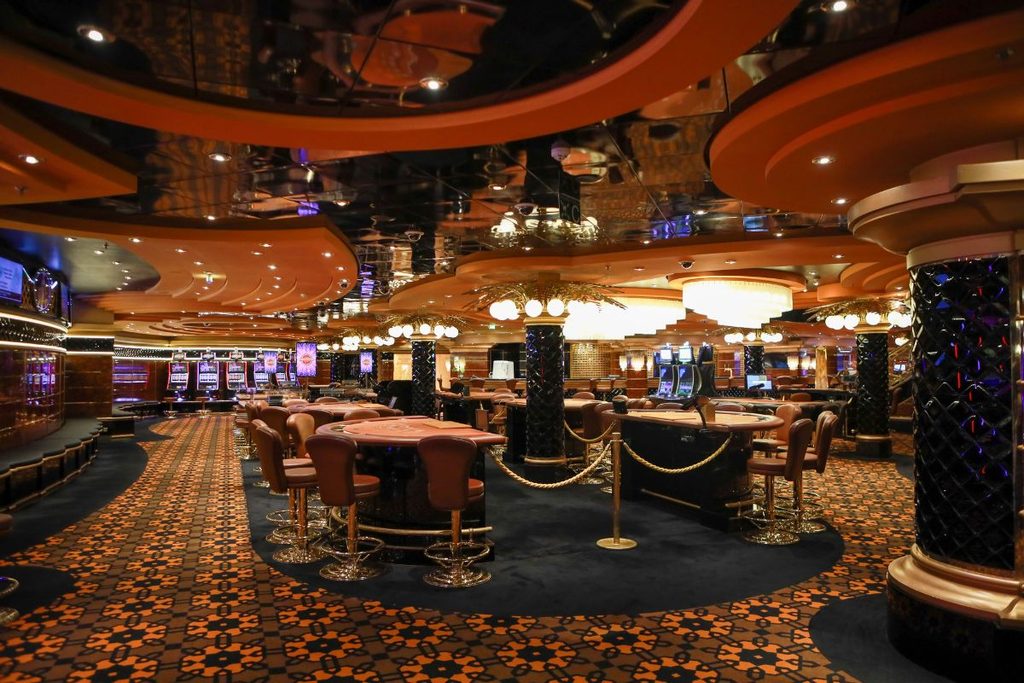
Casino tourism refers to travel in which visiting gambling venues and the surrounding industry serves as the primary or a significant motivation. The standard package extends well beyond gaming floors to encompass stays at premium hotels, dining, theatrical and concert shows, spas, shopping, and nightlife.
The audience is far from homogeneous. At one end of the spectrum are high rollers ready to place large bets; at the other are mainstream tourists for whom the appeal lies in a combined entertainment-and-vacation format. What unites them is a demand for vivid experiences and a high standard of service all in one place.
Where casino tourism acts as a magnet
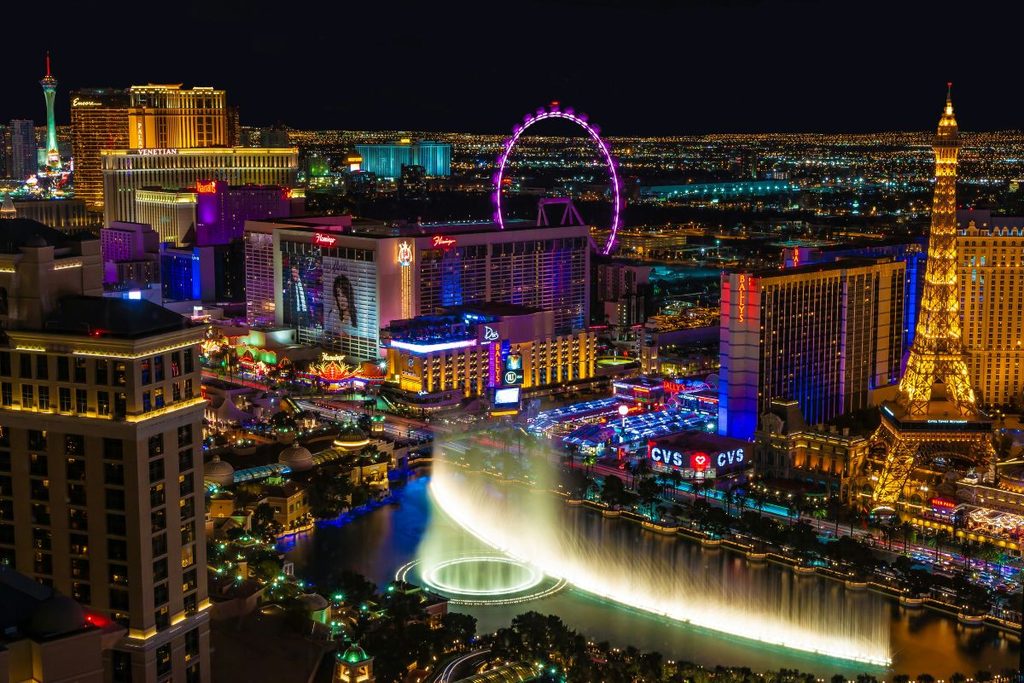
- Las Vegas (USA). The famous Strip, home to mega-resorts such as Bellagio, Caesars Palace, and The Venetian, welcomes more than 40 million visitors each year. Guests enjoy a combination of gambling, concerts, poker tournaments, and world-class hotel luxury.
- Macau (China). The region has surpassed Las Vegas in gaming revenue and has built its identity around integrated resorts. Eastern and Western aesthetics intertwine here, with premium service catering to both affluent players and international tourists.
- Monte-Carlo (Monaco). Casino de Monte-Carlo, built in the nineteenth century, remains a symbol of European glamour. Its intimate scale and exclusivity attract a wealthy clientele that values “classic” luxury.
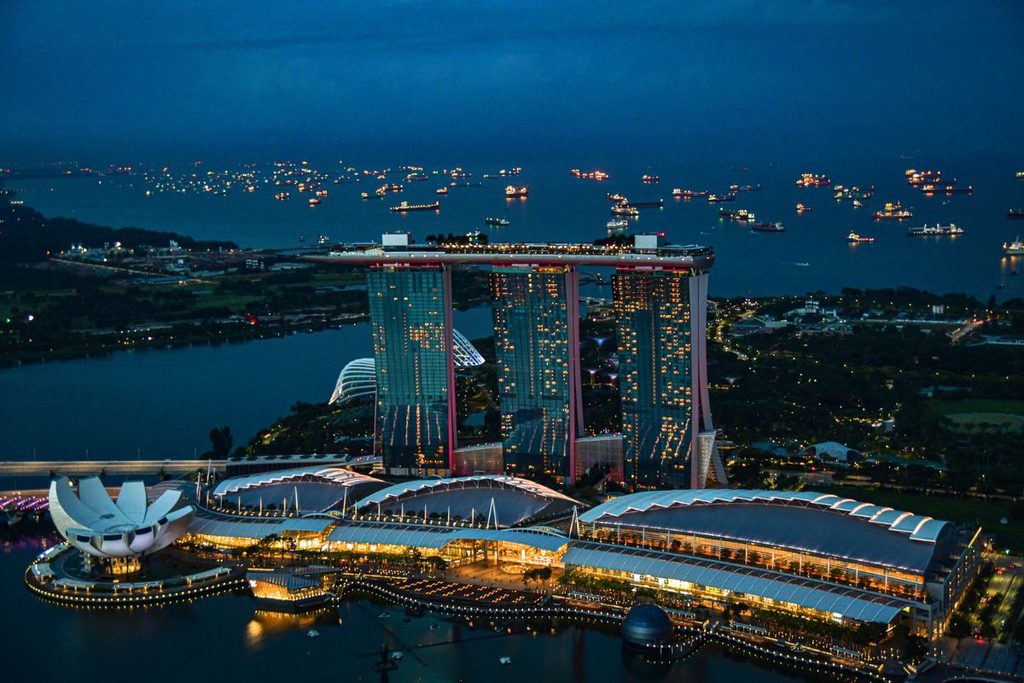
- Singapore. Marina Bay Sands and Resorts World Sentosa combine strict regulation with a “casino plus infrastructure plus family entertainment” model within a single metropolis.
- Atlantic City (USA). Its casinos and the famous Boardwalk create a resort atmosphere for those who want to combine gaming with oceanside relaxation and nightlife.
The economics of gambling travel
Gaming revenues, hotel bookings, and restaurant and retail sales generate a powerful stream of income. A telling example is Macau, where gambling alone brings in more than $30 billion per year.
Casino resorts rank among the largest employers in tourism regions, providing thousands of positions ranging from dealers and administrators to performers and retail staff. Simultaneously, governments and private investors channel funds into airports, roads, and hotel clusters that benefit local residents as well. Licensing fees and taxes on the gambling industry replenish public budgets, financing education, healthcare, and civic infrastructure.
Who visits gaming resorts and why

The audience ranges from professional gamblers to families, yet the unifying demand is the same: experiences and all-in-one-place service.
- Diverse entertainment beyond gaming floors — concerts, clubs, and shopping.
- Comfort and premium infrastructure, from luxury suites to Michelin-starred restaurants.
- Cultural depth — Macau’s colonial architecture, heritage sites, and local cuisine.
- Exclusive options and loyalty programs, including VIP rooms and personal concierges.
- Event-driven occasions — poker tournaments, boxing bouts, esports championships, and headline performances.
In this model, the casino acts as an “anchor” around which a trip frequently evolves into a full-fledged resort holiday.
In recent years, however, the share of travelers motivated solely by visits to land-based casinos has been gradually declining. A growing number of players prefer the online format, where modern technology allows participation in live dealer sessions from home. Next-generation game shows recreate the atmosphere of a real gaming floor: a studio host, an interactive wheel, and a chat with fellow participants. The expanding audience for projects such as Sweet Bonanza or lightning storm casino game reflects the rising popularity of these formats. For resort operators, this means intensifying competition not only between destinations but also between the offline and online environments, compelling physical venues to invest more actively in unique experiences that cannot be replicated remotely.
Where the industry is heading in 2025

Technology. AI, facial recognition, and cashless payments are enhancing security and accelerating guest services:
- Guest experience. Mobile applications and AR tools help visitors plan itineraries, engage with virtual games, and manage loyalty bonuses.
- Sustainability. Green building standards and responsible consumption are becoming a competitive advantage for next-generation resorts.
- Resort format. Integrated complexes that bring together a casino, hotel, retail galleries, and family activities under one roof are setting the direction for market development.
What is changing in practice
Casino tourism has established itself as a distinct segment at the intersection of entertainment, hospitality, and urban economics. For travelers, this means an expanding “resort plus show plus dining plus gaming” format, enhanced digital services, and increasingly personalized offerings. For host economies, it translates into additional revenues, new jobs, infrastructure investment, and intensifying competition among destinations for a growing tourist flow.
Images courtesy of unsplash.com and pexels.com