If you are in a rush and just want the list so you can get on the road, here is the short answer. To plan a successful UK road trip you need seven specific tools. A reliable Sat Nav or phone mount to stay legal, a fuel price app to save money, a portable tyre inflator for emergencies, a dash cam for insurance purposes, a high-capacity power bank, a paper road atlas for when the signal dies & a well-stocked first aid kit. That is the core gear list.
Having these items in your vehicle turns a potential disaster into a minor inconvenience. But if you have a few minutes, I want to explain exactly why each one matters because I have learned some of these lessons on a UK road trip the hard way on the side of the M6 in the pouring rain.
Staying found and staying legal
Getting lost used to be part of the fun. I remember driving to Cornwall in my twenties with nothing but a vague sense of direction and a lot of optimism. It usually ended with me shouting at a hedgerow.
Things are different now.
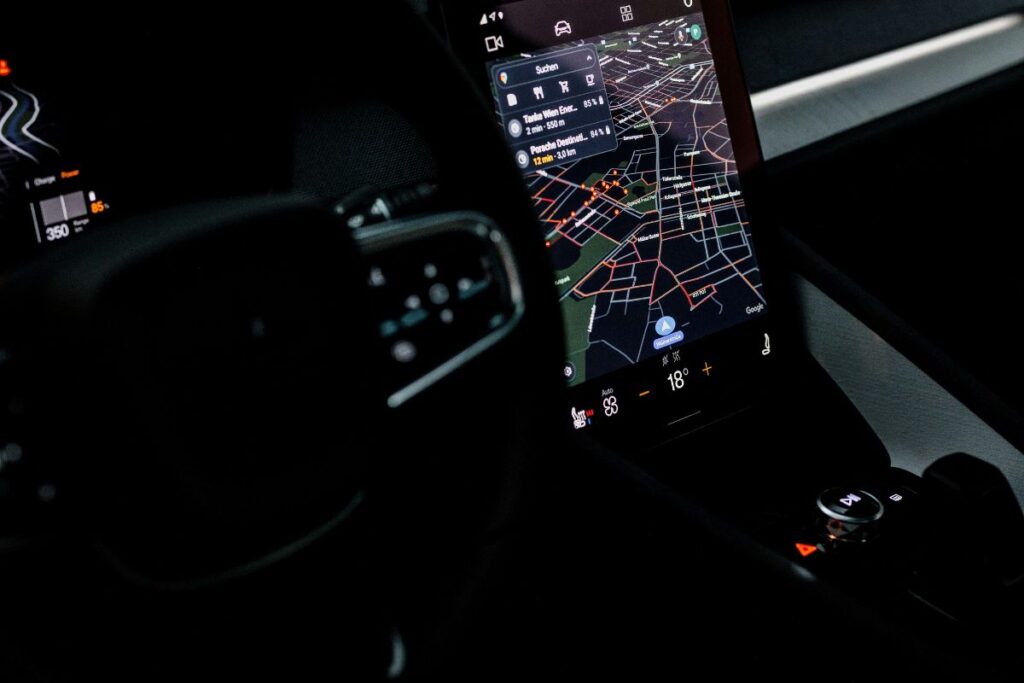
You need a proper navigation system. Most people just use their phones and that is fine. Apps like Waze are brilliant because they warn you about potholes and police cars. But here is the thing that catches people out. The law in the UK is incredibly strict about touching your phone while driving. You get six points and a £200 fine just for touching it. It is not worth the risk.
You must have a secure phone mount. It needs to be fixed to the dashboard or the windscreen so the phone is in your eye line but not blocking your view. It makes the device hands-free. If you are using a dedicated Sat Nav unit from someone like TomTom or Garmin that is also great but make sure the maps are updated. I once trusted an old unit and ended up in a farmyard in Wales that definitely was not a road.
Watching the pennies at the pump
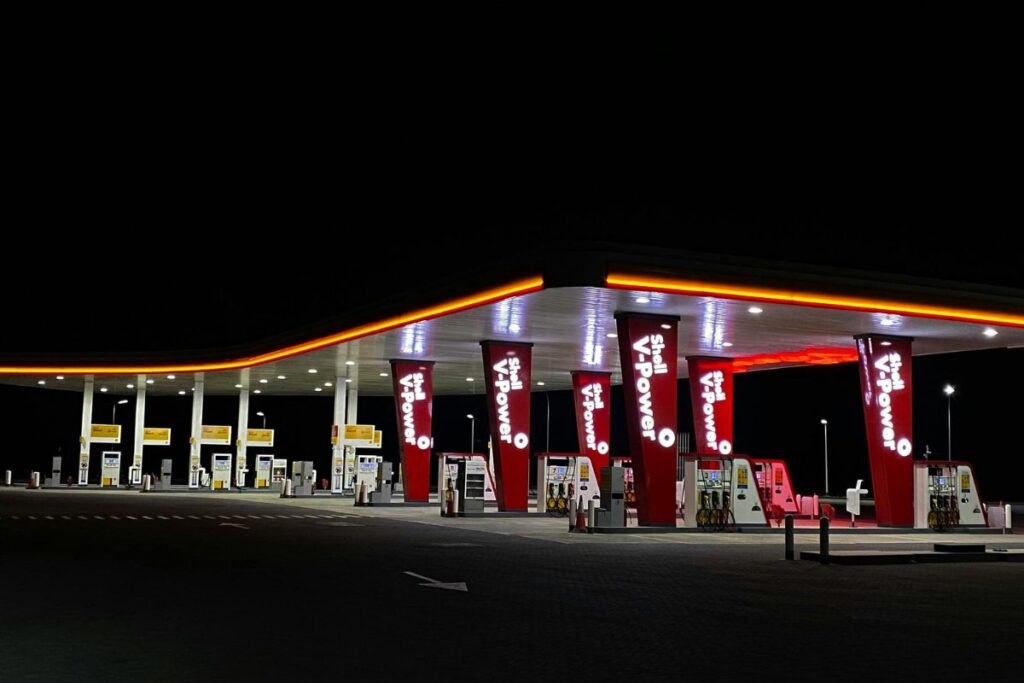
Fuel is expensive. It is usually the biggest cost of the whole trip unless you are staying in 5-star hotels every night. The price difference between a motorway service station and a supermarket forecourt just two miles away can be shocking. We are talking about 15p or 20p per litre difference sometimes.
I refuse to pay motorway prices on principle.
You should download a dedicated app to help you out here. PetrolPrices is the one most people use in the UK. It lets you check fuel prices along your route so you can plan your stops strategically. It feels like a small victory every time you fill up for less. Over a long trip to the Highlands and back those savings add up to a decent pub lunch. Why give that money to the oil companies if you do not have to?
When the road bites back
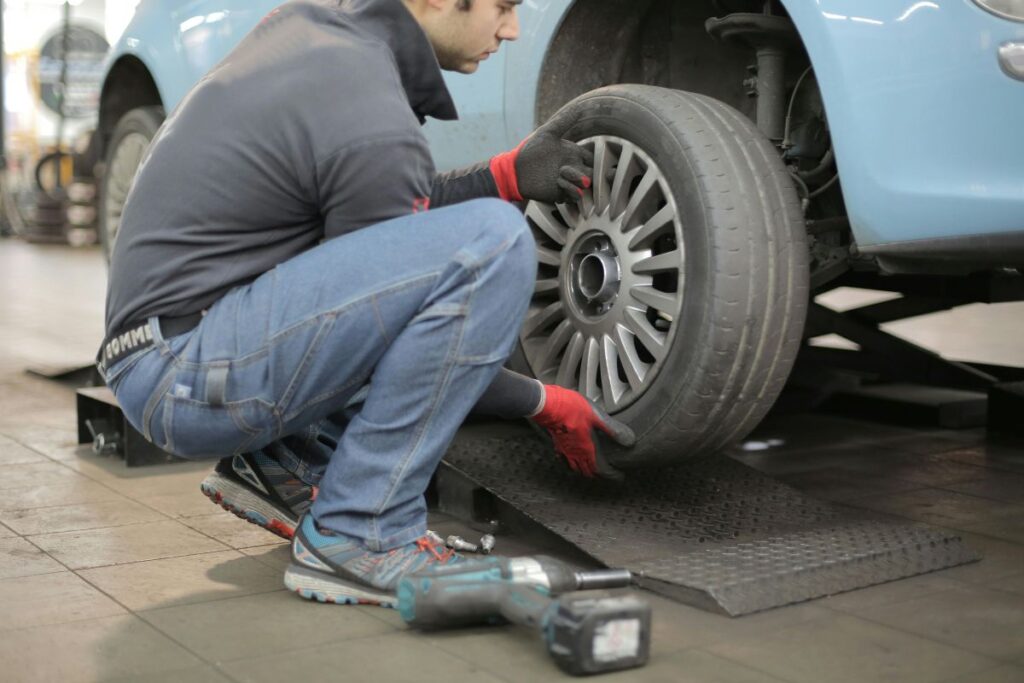
British roads are not exactly smooth. Potholes are everywhere and they are getting worse. It seems like every winter creates a fresh batch of tyre-killers. Getting a flat tyre is a misery I would not wish on anyone especially if it is raining. And it is usually raining.
A portable tyre inflator is a lifesaver.
You want one that plugs into your car’s 12V socket (the cigarette lighter). If you get a slow puncture or just a warning light on the dashboard you can pull over and top it up. It might give you enough pressure to limp to a garage instead of waiting three hours for the RAC to turn up. I keep a digital one in my boot at all times. It takes the guesswork out of pressure readings. Just set the PSI you need and press the button.
It also saves you from those broken air machines at petrol stations that always seem to eat your 50p coins without working properly.
The silent witness on your dashboard
I used to think dash cams were only for paranoid people or police interceptors. Then I had a minor scrape in a car park where the other driver lied about what happened. Now I do not drive without one.
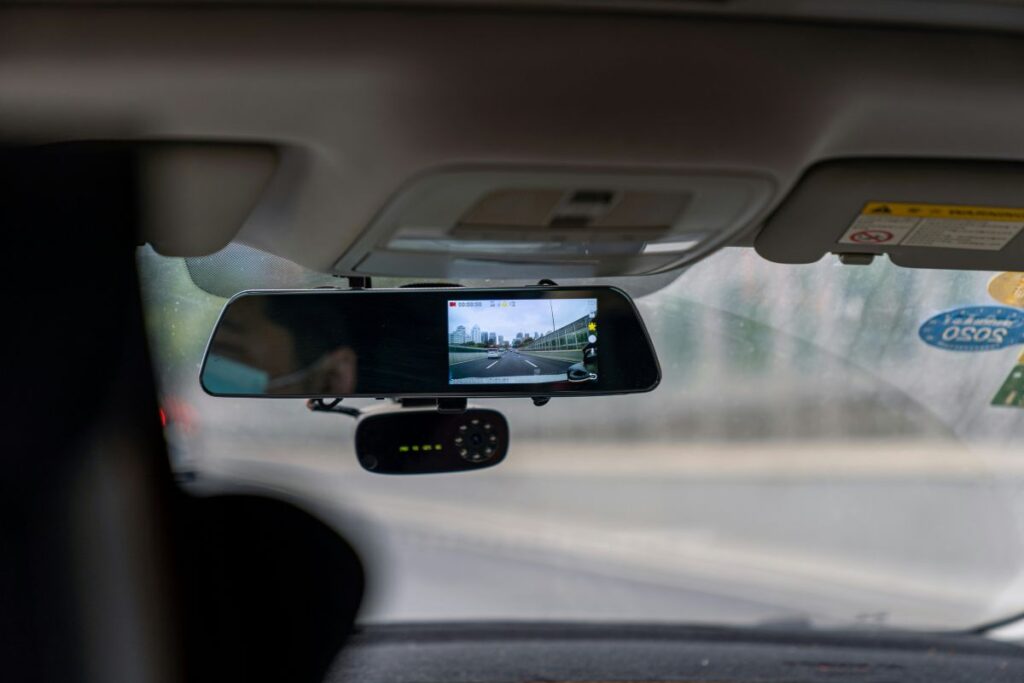
A dash cam records everything in front of you. Some record the rear too. If you are involved in an accident it proves you were not at fault. This can protect your no-claims bonus and save you a massive headache. Brands like Nextbase are very popular here.
Some insurance companies even offer a discount if you have one installed. It is worth asking them. Even if they don’t give you a discount the peace of mind is worth the initial cost. You just stick it to the windscreen and forget about it until you need it. Hopefully you never will.
Keeping the lights on
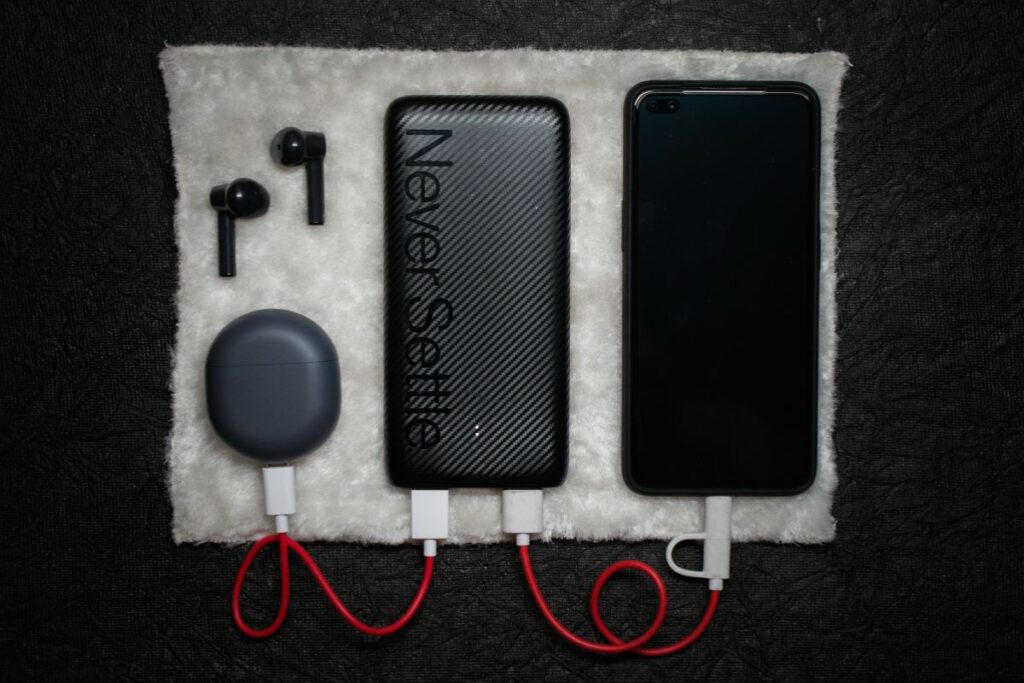
Using your phone for GPS and Spotify drains the battery incredibly fast. Even if you have it plugged into the car charger sometimes the charge rate cannot keep up with the power drain of a bright screen and 4G data usage. Or maybe your passenger is using the only charging port.
A high-capacity power bank is essential.
I recommend getting something with at least 10,000mAh. That is enough to charge a modern smartphone two or three times over. If you break down and the car battery dies you will still be able to call for help. It is a safety net. Plus it stops the arguments when the kids’ tablets run out of power in the middle of a four-hour drive.
Make sure you pack the right cables too. It is useless having a battery brick if you do not have the cable to connect it to your phone. I usually keep a spare cable in the glovebox just in case I leave the main one at home.
Going analogue in a digital age
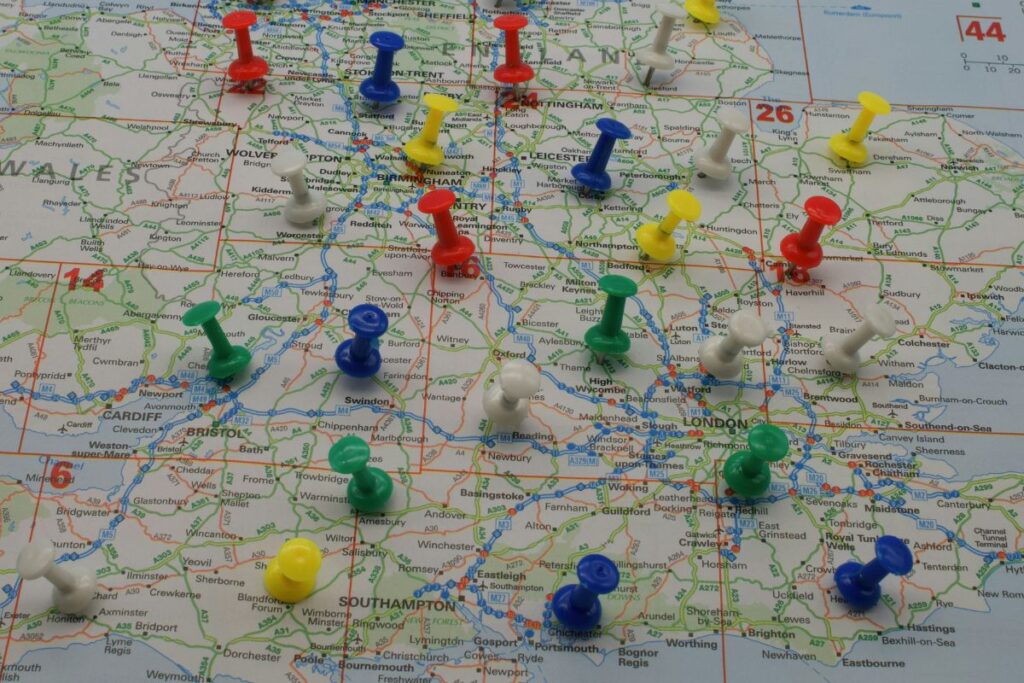
This might sound archaic. You might think I am crazy for suggesting a book made of paper. But hear me out. Technology fails. Batteries die. Satellites get blocked by mountains.
There are huge chunks of the UK where mobile signal is non-existent. The Lake District, the Scottish Highlands and even parts of the Peak District are notorious for dead zones. If your map app needs data to load the route and you lose signal you are stuck.
A physical paper road atlas never loses signal. It does not run out of battery. It gives you a much better overview of the wider region so you can spot scenic detours you might otherwise miss. The AA or A-Z atlases are the standard. You can pick them up at most service stations but they are cheaper if you buy them online beforehand.
I actually enjoy stopping for a coffee and tracing the route with my finger. It makes the trip feel like a proper adventure. Plus it is a good way to teach passengers about geography instead of them staring at screens the whole time.
Making space for everything

This is the problem with road trips. You start packing and suddenly the car looks very small. By the time you have loaded the suitcases, the hiking boots, the food and the dog there is no room left for the people.
Comfort is key on long drives. If you are crammed in with bags under your feet everyone gets grumpy very quickly. You need to expand your storage.
A roof box is the obvious solution. It effectively doubles your boot space. You can throw all the bulky lightweight stuff up there like sleeping bags or coats. The only issue is that roof boxes are expensive to buy and they take up a lot of space in your garage when you are not using them. Most people use them once a year and then trip over them for the other eleven months.
It makes more sense to rent one. You can get a high quality Thule box for a fraction of the purchase price. Check out RentMyRoofBox.uk if you need extra space for your next trip. It saves you the hassle of storing it and they usually fit it for you too which is a bonus.
First aid and safety gear
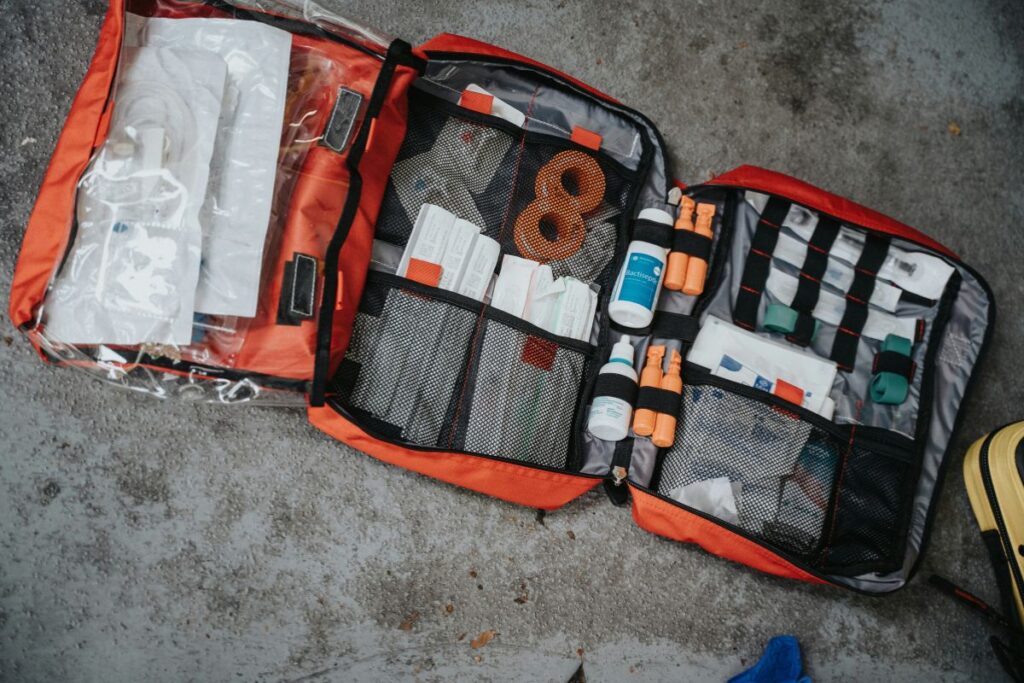
You hope you never need this stuff. But you really should have it.
A basic first aid kit is a must. You can buy pre-packed ones from St John Ambulance or just make your own. You need plasters for blisters after long walks, painkillers for headaches, antiseptic wipes and maybe some hay fever tablets. Driving with a streaming nose and itchy eyes is dangerous and miserable.
I also keep a few other bits in a “safety box” in the boot. A warning triangle is good to have. A high-visibility vest is essential if you break down on a dual carriageway. You want other drivers to see you. In some European countries these are legal requirements but in the UK they are just common sense.
I also throw in a torch. Trying to change a wheel in the dark using only your phone light is a nightmare. A proper torch with spare batteries makes life much easier. It does not have to be expensive. It just has to work.
The Bottom Line

Planning a UK road trip does not have to be stressful. It is mostly about anticipating the things that could go wrong and having a simple solution ready. If you have the right tools the journey becomes part of the holiday rather than just a way to get there. You can relax knowing that if you get a puncture or get lost you have the gear to sort it out.
The UK has some of the most beautiful drives on the planet. I truly believe that. But the weather is unpredictable and the roads can be quirky. Pack smart. Check your tyres before you leave. And maybe bring a few extra snacks just in case you get stuck in traffic on the M25. You probably will.
Images courtesy of unsplash.com and pexels.com