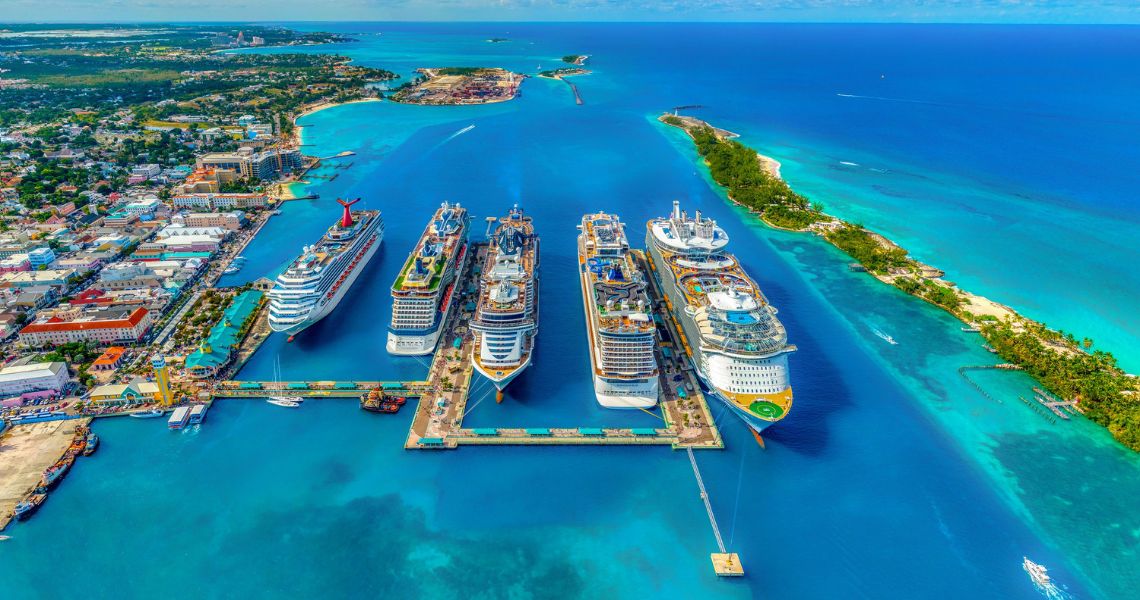
Every year, millions of people from all over the world travel to try their luck and immerse themselves in the atmosphere of the largest casino hubs. Las Vegas, Macau, Monaco, and Singapore are turning into symbols of luxury, entertainment, and cultural exchange.
Modern casino tourism is rapidly becoming not just a part of the travel industry, but a driving force of economic and cultural change, such as casino hubs which are shaping new trends and standards of leisure.
Why casino tourism is conquering the world and changing the face of travel
Over the past decades, casino tourism has become a significant phenomenon that influences the structure of global tourism. People choose these cities not only for gambling, but also for unique experiences that cannot be found anywhere else. Las Vegas is known for its neon lights and endless shows, Macau is considered the “Asian Las Vegas,” and Monaco and Singapore attract with a combination of exclusivity and innovation.

In each of these cities, casinos become real magnets for travellers. Their popularity is explained by their ability to combine excitement, luxury, and cultural diversity on one platform. For example, millions of tourists from China, Japan, and South Korea come to Macau every year to immerse themselves in the atmosphere of excitement and enjoy the impressive architecture.
What makes casino hubs centers of attraction for different people
Modern casino resorts have long ceased to be just places for gambling. They are turning into cultural crossroads where a wide variety of interests and lifestyles meet. The main components of their appeal include:
- luxurious hotels with unique design and a high level of service
- restaurants where famous Michelin-starred chefs work
- cultural events, concerts, and world-class shows
- architectural landmarks that have become calling cards of the cities, such as the Bellagio fountains in Las Vegas or the Marina Bay Sands skyscrapers in Singapore
Every guest finds something for themselves in such places: some come for the games, others for gastronomic discoveries or vivid impressions from concerts.
How online betting connects the virtual and real worlds in gambling

The development of internet technologies has led to the emergence of online betting, which has become an important part of the gambling industry. Online platforms allow people to place bets and play their favourite games without leaving home. This expands the audience and makes gambling entertainment more accessible.
Online casinos and iGaming services generate an even larger audience: up to half of new visitors are initially familiar with one or another game from the industry. In particular, the popularity of live games gives a strong boost to casino tourism, as players want to experience this in real life. Many highlight the game Andar Bahar as an entry point, especially since many are familiar with this national Indian game from long ago.

To clarify whether live games really popularize live casinos as described in the media, we contacted the authors of the well-known gambling community website https://andarbahargames.com/ with reviews of online casinos for playing Andar Bahar. The creators of the site shared that, according to their observations, live formats really work as a trial entry: people first get acquainted with the mechanics through online broadcasts, and only then become interested in the live experience.
It is possible that a trip to a casino hub is more often decided not by a single game, but by the whole range of experiences—shows, hotels, events, and service—so online games are more likely to fuel interest and expand the audience than automatically turn every player into a tourist.
Many large casino hubs integrate online services with real casinos, creating hybrid formats. Tourists can start playing online and then continue their experience at the casino resort itself. This approach attracts young and tech-savvy travelers, and also creates additional points of contact between the virtual and real worlds of gambling.
What economic effects does casino tourism bring to regions and countries

Casino tourism is becoming a powerful driver of economic development for entire regions. It affects the economy in several ways:
- ensures growth in tourism revenues and increases tax receipts to budgets
- creates new jobs in the hotel business, transportation, and entertainment sectors
- stimulates the development of infrastructure, including roads, airports, and service facilities
In Macau, for example, the casino industry forms more than 50% of the regional GDP. In Las Vegas, there is business diversification: in addition to gambling, the city is actively developing exhibitions, conferences, and family entertainment.
What cultural and event trends are shaped by casino hubs

Casino tourism contributes to active cultural exchange between countries and regions. In major casino hubs, people of many different nationalities meet, creating an atmosphere of openness and mutual enrichment.
Event and experience tourism play a special role. Casino resorts regularly organize:
- gastronomic festivals featuring world-class culinary stars
- concerts and residencies of famous artists such as Celine Dion or Elton John
- international exhibitions, shows, and sporting events
Such events shape the modern image of cities, making them centers of attraction for tourists regardless of their interest in gambling.
Why entertainment at casino resorts goes far beyond gambling
Modern casino resorts offer guests a huge selection of entertainment that is not directly related to gambling. Among the most popular areas of leisure and recreation:
- concerts, musicals, and theatrical performances featuring world stars
- restaurants with signature cuisine and renowned chefs
- boutiques and shopping galleries with luxury brands
- spa centers, wellness programs, and relaxation zones
Many tourists come to such places precisely for the festive atmosphere and variety of leisure, not for betting.
How the casino tourism industry responds to the challenges of environmental sustainability
Environmental issues are becoming increasingly important for the casino tourism industry. Resorts strive to meet the expectations of modern travelers who care about the environment. The main initiatives include:
- the use of green technologies in the construction and operation of buildings
- implementation of energy-efficient lighting and ventilation systems
- development of recycling and waste reduction programs
A vivid example is Marina Bay Sands in Singapore, where innovative solutions are used to save water and energy, as well as large-scale environmental projects are implemented.
What challenges does the casino tourism industry face today

Despite its successes, the industry faces serious challenges. The main problems include:
- strict regulation of gambling in a number of countries, which restrains the development of new markets
- economic fluctuations affecting the income level of tourists and their willingness to spend money on luxury
- growing competition from online gambling, which offers convenience and accessibility
In Japan, for example, the discussion of casino legalization is accompanied by public debates and regulatory difficulties. The pandemic has also shown the industry’s vulnerability to external shocks.
What innovations and trends are shaping the future of casino tourism
The future of casino tourism is directly linked to innovation and the ability to quickly adapt to changing audience demands. The most important areas of development include:
- the introduction of virtual and augmented reality to create new gaming experiences
- expansion of cultural integration, when resorts create collaborations with local artists, restaurateurs, and brands
- development of hybrid models that combine online platforms and traditional casinos to create a unified experience
The casino tourism industry is becoming a laboratory for new leisure formats, where excitement, culture, technology, and sustainable development are combined.
Images courtesy of unsplash.com and pexels.com