Industrial cooling technology is undergoing a quiet revolution. With stricter environmental regulations, rising energy costs, and growing expectations for sustainability, companies are rethinking how they cool their operations. Chiller units, once chosen primarily for performance and reliability, are now being evaluated through a wider lens. Questions around energy use, refrigerant type, longevity, and flexibility are all shaping the conversation.
As industries push towards net-zero targets, the future of industrial cooling technology is looking smarter, greener, and more adaptable than ever.
Shifting Priorities in Cooling System Design
Not long ago, the main concerns for an industrial cooling system were its cooling capacity and whether it would stand up to demanding conditions. These are still important, of course, but they’re now joined by other requirements. Efficiency is a key consideration, not just to reduce running costs, but to meet internal and external sustainability goals.
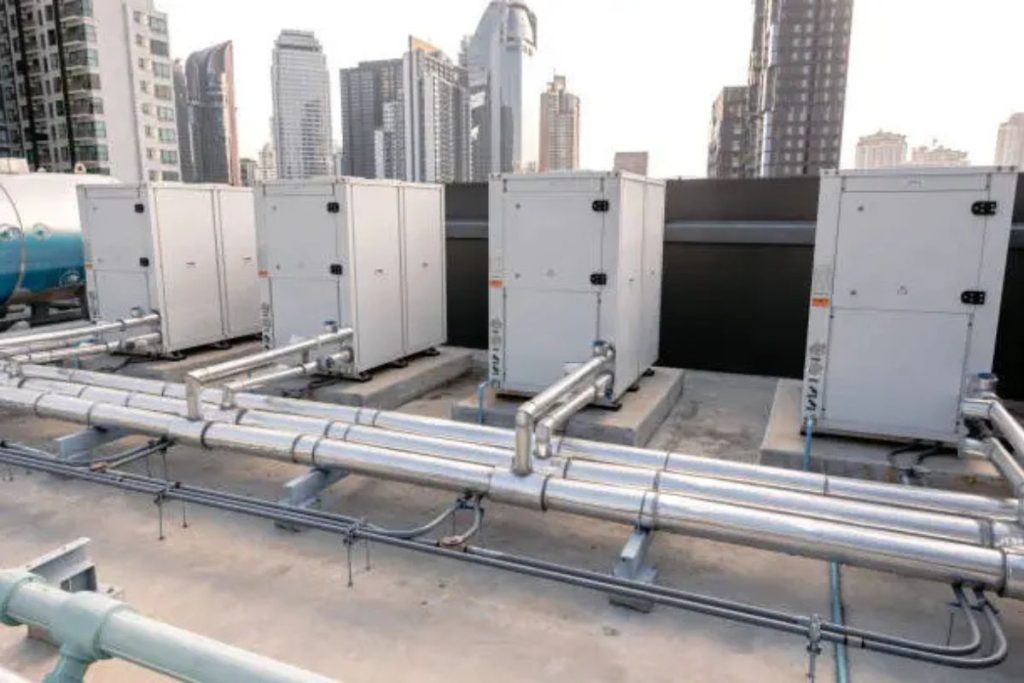
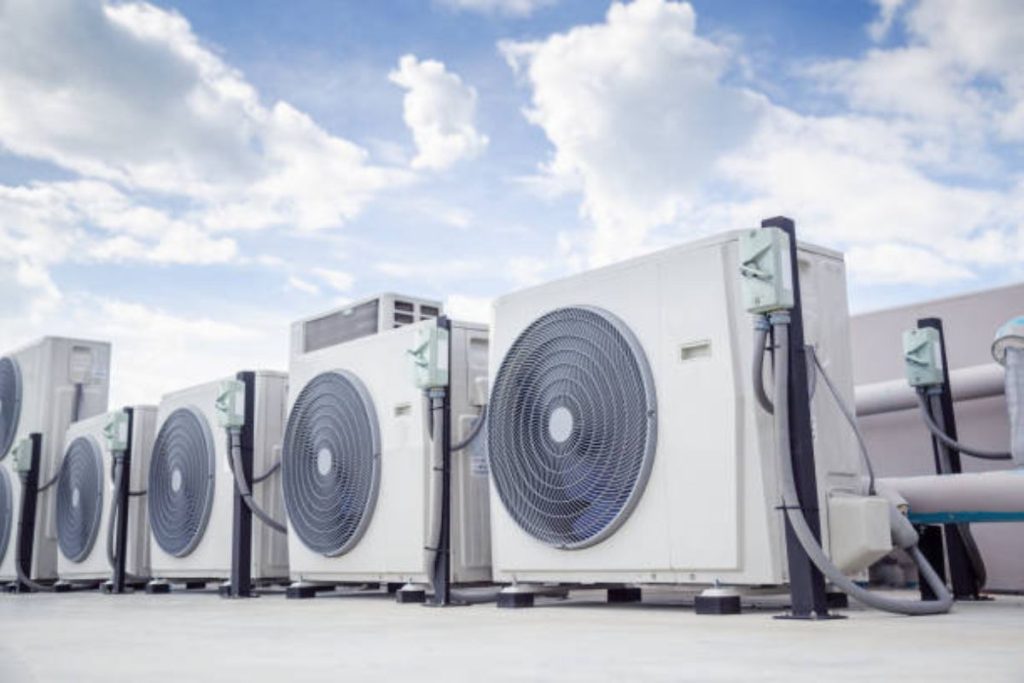
This shift in mindset has encouraged the uptake of systems that can deliver precise temperature control while using less power. It’s also influenced how companies think about the full lifecycle of an industrial cooling unit, from installation to long-term maintenance and eventual replacement.
The Move Towards Lower-GWP Refrigerants
Refrigerants have been at the centre of much of the change in cooling technology. Traditional refrigerants such as R-404A and R-134a are gradually being phased out in favour of alternatives with lower global warming potential (GWP). These new refrigerants help companies stay ahead of regulations while also supporting internal carbon reduction strategies.
Alongside this, there’s an increased interest in natural refrigerants like ammonia and CO₂. While these come with their own safety and engineering challenges, they offer strong environmental credentials and have proven reliable in many commercial and industrial settings.
Efficiency Through Smarter Controls
Modern chiller units now often come equipped with intelligent control systems that can respond to changes in demand. This is especially useful in facilities where cooling loads vary throughout the day. Smart controls allow for better energy distribution, preventing wasted capacity and reducing overall energy usage. Some systems can even be integrated into building management systems for more holistic control.
Load monitoring, remote diagnostics, and predictive maintenance features are becoming more common, helping engineers identify issues early and keep systems running efficiently. These improvements not only save energy but also cut down on unscheduled downtime, which can be costly in industrial settings.
The Rise of Modular and Scalable Cooling
Another key trend shaping the future is modular design. Instead of relying on one large central chiller, companies are now exploring the benefits of modular systems that can be scaled to match specific production zones or phased expansion plans. This approach provides flexibility, as additional cooling modules can be added as the need grows.
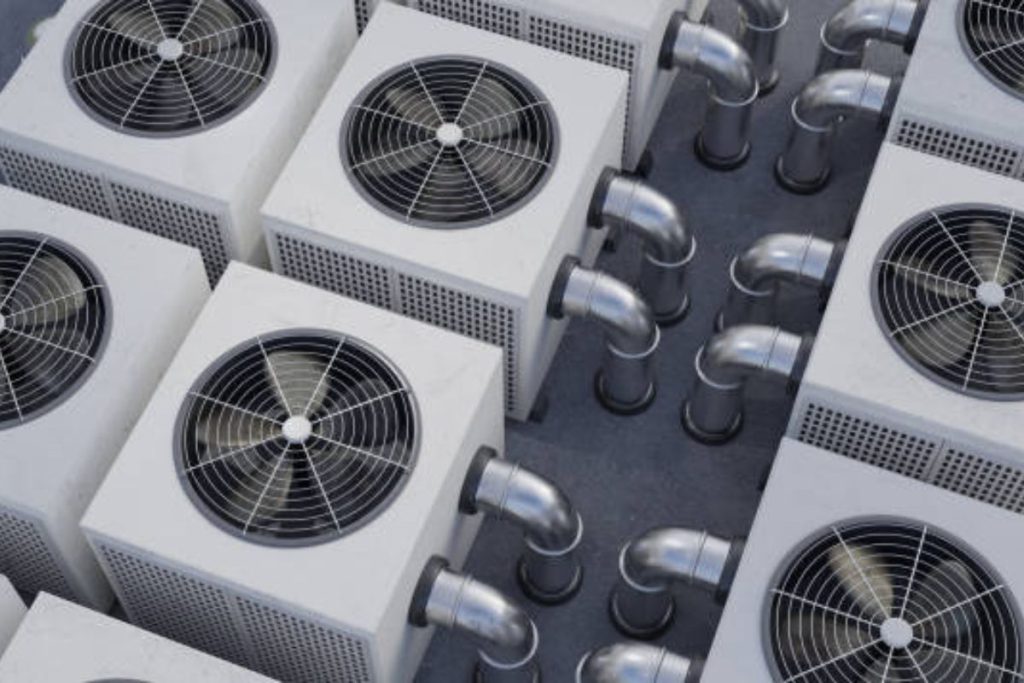
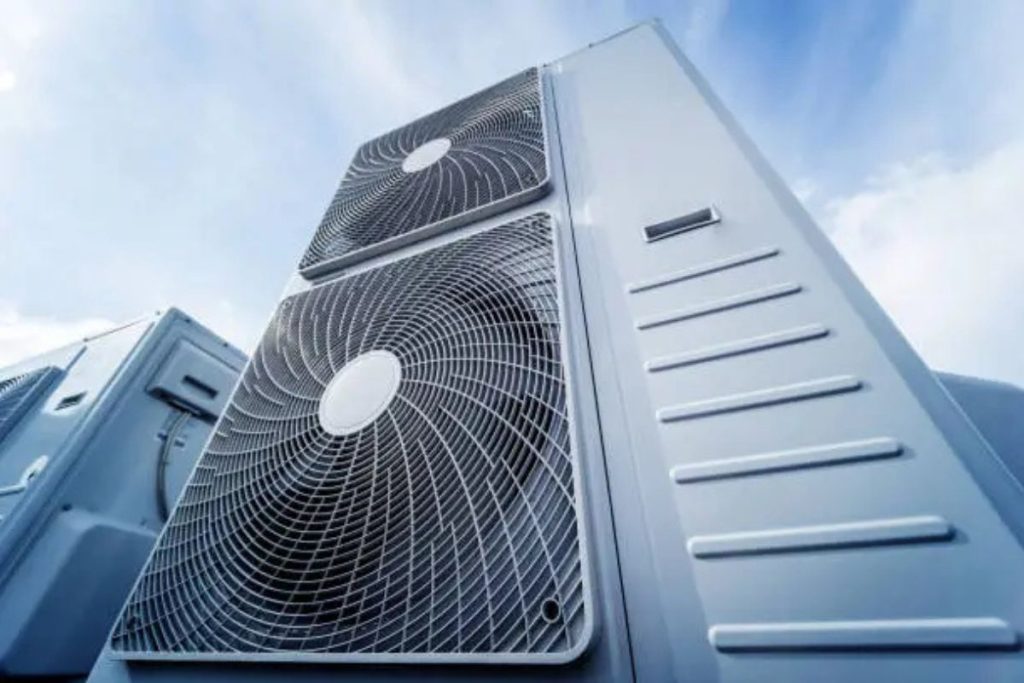
Modular chillers also reduce risk. If one unit needs servicing, the rest can continue operating. This is particularly useful in industries where downtime affects output or safety.
Meeting the Demands of Diverse Industries
Cooling needs vary widely depending on the industry. For example, a plastic injection moulding company might require consistent temperature control to maintain product quality, while a food production facility might prioritise hygiene and speed. As a result, the future of cooling technology must accommodate different standards and expectations.
Air-cooled, water-cooled, glycol-based, and hybrid systems are all used in different applications. The key is not only selecting the right chiller type but also tailoring it to the environment it serves. As technology advances, more systems are being developed with industry-specific performance features built in from the start.
Glycol Chillers and Eco-Focused Applications
Glycol chillers, in particular, have seen a rise in popularity, especially for industries that need temperature stability over longer distances or during fluctuating ambient temperatures. These units are ideal for beverage manufacturing, food storage, and similar applications where consistent cooling is needed across distributed piping systems.
With eco-efficiency becoming more important, glycol chiller designs are being refined to use less refrigerant while maximising output. Heat recovery options are also being explored, allowing businesses to reuse waste heat elsewhere on-site rather than lose it entirely.
The Role of Heat Pumps in Sustainable Cooling
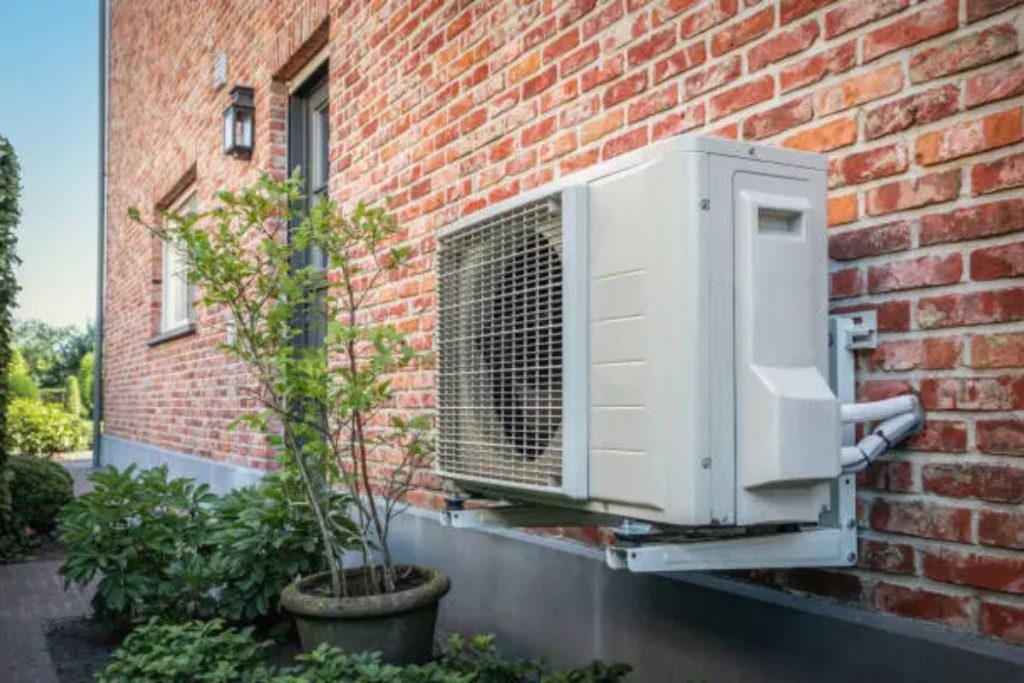
Heat pumps are also becoming more relevant in the cooling space. They can be used for both heating and cooling, making them a smart choice for companies looking to consolidate equipment and reduce their overall carbon footprint. In the right applications, a heat pump can replace both a chiller and a boiler, simplifying the plant room and saving money in the long term.
With government incentives in place and rising energy prices, it’s expected that heat pump integration will continue to grow across commercial and light industrial settings.
Portable Cooling for Flexible Demands
There’s also increasing demand for portable and temporary cooling solutions. Whether it’s to support seasonal production surges, manage emergency breakdowns, or provide cooling during maintenance work, portable chiller units offer flexibility without long-term commitment.
Hiring portable chillers is often a cost-effective way to deal with unpredictable requirements while still using efficient, modern equipment. These units are particularly useful in manufacturing, warehouse storage, and temporary event setups where temperature needs fluctuate.
What Comes Next for Industrial Cooling?
As industries continue to adapt to climate pressures and technological innovation, the future of industrial cooling will likely involve further integration of renewable energy sources, more use of data, and more collaboration between suppliers and operators. Equipment will need to be not only energy-efficient but also adaptable to new refrigerants, scalable for future growth, and easier to monitor remotely. There will also be more of an emphasis on eco-friendly solutions and longer-term chiller services.
The demand for cooling is not going away. In fact, as more processes become automated and equipment generates more heat, cooling loads are expected to increase. But rather than tackling this challenge with more of the same, the focus is now on doing more with less — cooling smarter, not harder.
A Smarter Solution for Industrial Cooling
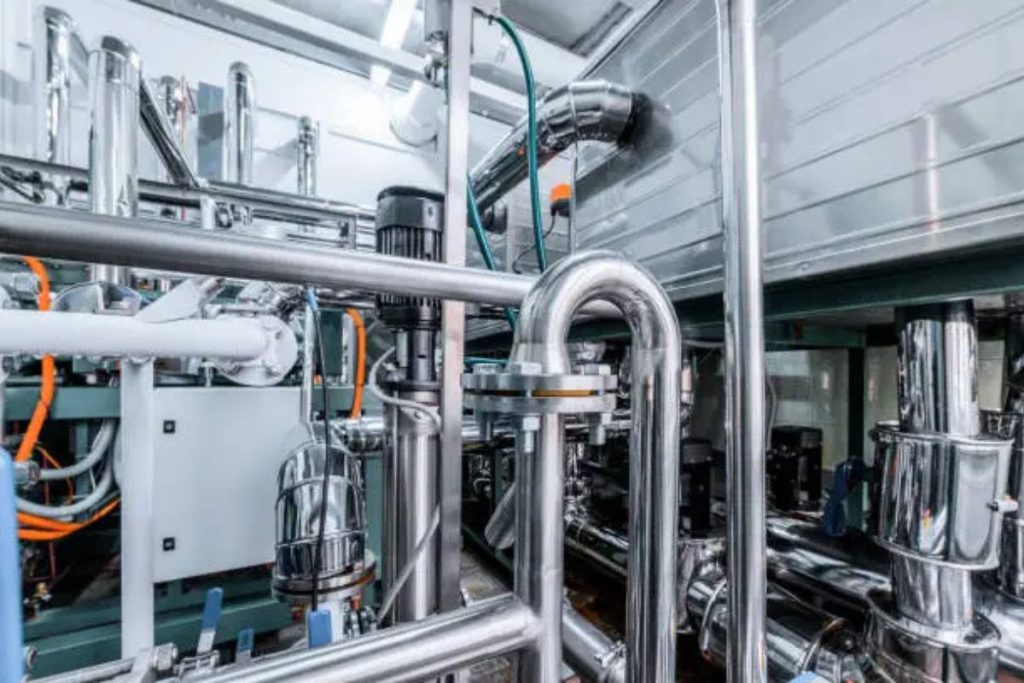
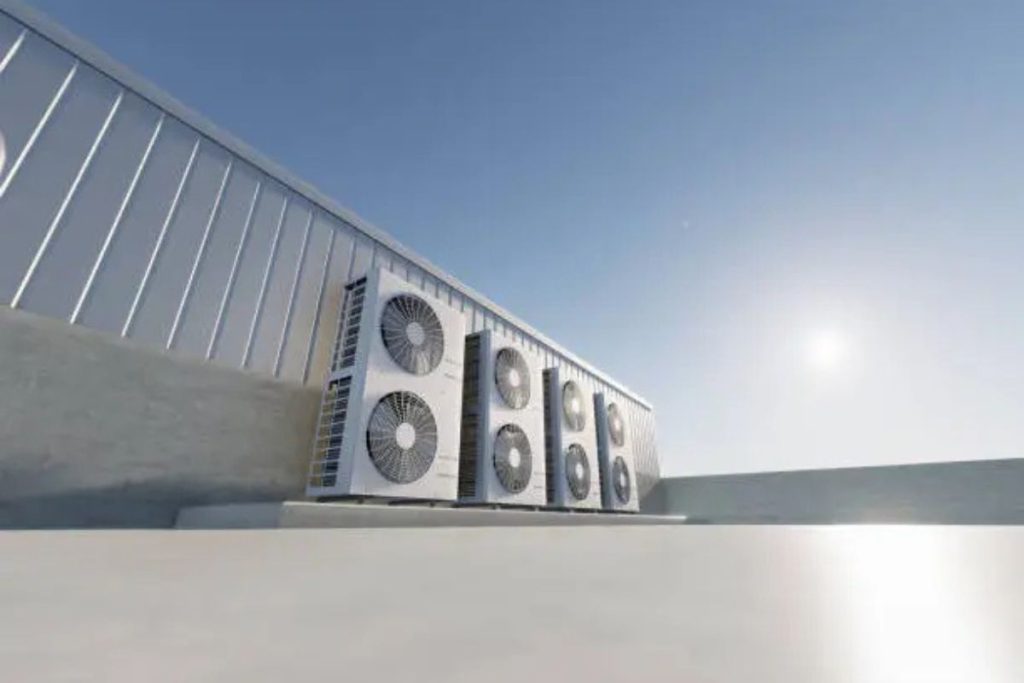
Choosing the right cooling technology is no longer just about capacity and upfront cost. Businesses are looking for long-term value, stability, and solutions that match their sustainability goals. Whether it’s through intelligent control systems, low-GWP refrigerants, modular units, or multi-use heat pumps, there are plenty of opportunities to make cooling part of a greener future.
Industrial cooling may not be the most glamorous part of production, but it plays a huge role behind the scenes. And in a world that’s pushing for cleaner, more responsible operations, it’s never been more important to get it right.
Images courtesy of unsplash.com and pexels.com