Steel. The word alone conjures images of hard hats and cranes, but that’s a narrow view—almost criminally so. It’s the backbone of modern industry, sure, but it’s also the silent force quietly redrawing how facilities rise. Developers aren’t simply stacking bricks or pouring concrete these days. Something fundamental has shifted behind those high fences on the city’s edge: speed, scale, even ambition have all found new fuel in steel.
Age-old constraints? They’re crumbling fast. Where slow timelines and rigid forms once set boundaries, today possibilities are opening at every turn, with efficiency and adaptability in steel structures leading the way.
Speed That Leaves Traditional Methods Behind
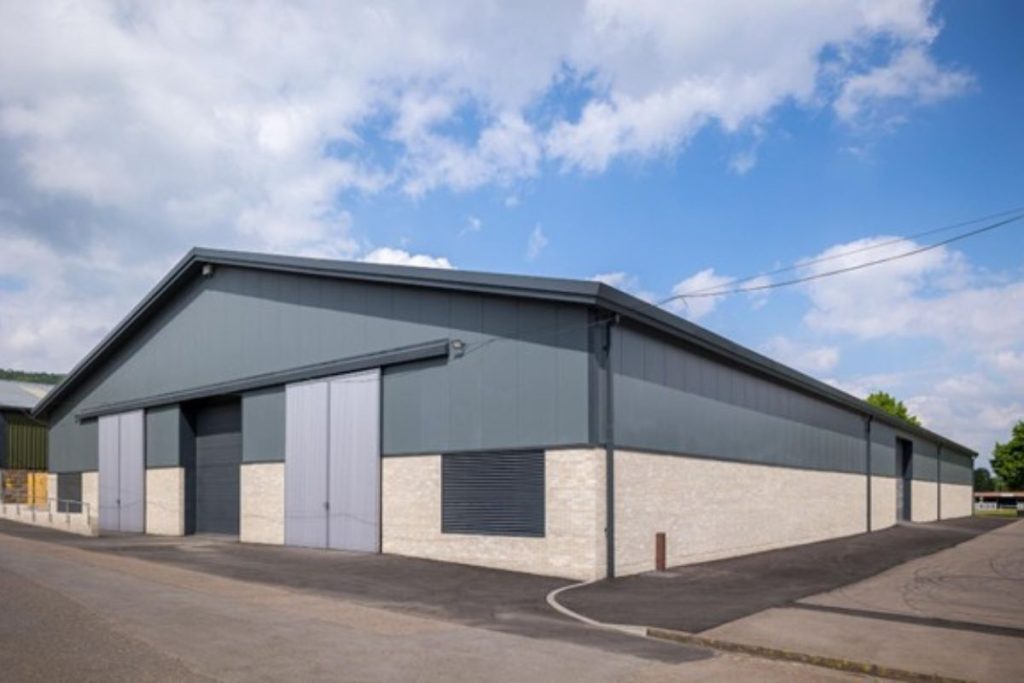
Time matters more than ever in industrial development. Delays cost money. Competition never sleeps—it barely blinks. Steel structures deliver a pace that’s frankly shocking compared to traditional building techniques. Factories and warehouses shoot up in months instead of years; while someone else is still digging foundations, steel frames already outline tomorrow’s productivity hubs above ground. That speed isn’t just about efficiency for its own sake; it completely reshapes business models. Flexibility seeps in too: changes can be made mid-project without drama or disaster. Anyone doubting this should take a look at how companies like MSB Group (www.msbgroupuk.com/) leverage precisely these benefits on project after project
Strength Without Bulk
Forget images of hulking support columns eating up floor space—modern engineering tells a different story now. Steel grants strength far out of proportion to its weight, which means architects can draw bolder plans: wider spans, higher ceilings, fewer obstructions between machines or shelving racks below. And here comes the beauty of it—fewer pillars translate directly into more usable square footage on every level that matters to an industrial operator’s bottom line. Space becomes flexible; layouts evolve with shifting needs, rather than locking firms into one path forever.
Sustainability in Focus
Environmental pressure ramps up by the month; regulators tighten their grip as public expectation shifts beneath them like dunes in a stormy wind (no embellishment needed). Steel steps forward again—as reusable as it is strong, as recyclable as any material on offer today, without compromising quality over countless cycles. Prefabrication slashes site waste and noise while shortening construction periods even further—a win against both carbon output and neighbourhood complaints alike.
Versatility Across Sectors
One size fits all? Not quite—but steel doesn’t care about such limits anyway. It’s assembled for logistics centres one week, then flexed for energy plants or bespoke manufacturing hubs the next, without missing a beat—or forcing everyone back to the drawing board each time something new crops up on a project manager’s list of demands. If industry is defined by constant change and shifting requirements (and who would deny it?), only materials that can dance alongside will keep pace.
Conclusion
Steel isn’t playing catch-up with evolving industrial needs—it sets the tempo now and drags everything else along for the ride, whether reluctant or not. Those old images of soot-stained girders miss what’s happening: this is about flexibility married to raw power, elegance paired with practicality. As regulations grow stricter and land gets tighter (and pricier), those who ignore these advantages risk falling behind quicker than they imagine—not because steel simply builds faster or taller but because steel structures opens doors others won’t even notice until it’s too late.
Images courtesy of unsplash.com and pexels.com