BMW has built a reputation as a premium, tier-one luxury car brand, known for combining performance with everyday comfort – and you’ll see it across their lineup. The sporty 3 Series, the more refined 5 Series, and the powerful X range of SUVs all carry that same attention to detail. Everything feels deliberate, from how the car handles corners to how it responds on the road.
That level of engineering does come with a catch. These cars need proper care to keep running the way they should. Skipping basic maintenance or brushing off small issues can lead to repairs that cost far more than expected. A BMW is not difficult to look after, but they do expect a bit more attention compared to standard vehicles.
Are you a first-time BMW owner, or just looking for ways to take better care of your car? Knowing what mistakes to avoid can save you from unnecessary costs. Keep reading to keep your BMW running at its best for years.
Top 5 Common Maintenance Mistakes

BMWs are engineered with tight tolerances and advanced systems, which means small maintenance oversights can lead to expensive issues.
Here are the 5 common mistakes you should be aware of:
1) Using the Wrong Oil Type
BMW engines require specific oil standards such as BMW Longlife-01 or Longlife-04, especially for modern aluminium engines. Using non-approved oil can disrupt lubrication, particularly in systems like VANOS, which rely on precise oil pressure to function properly.
Over time, incorrect oil can lead to timing chain stretch, sludge build-up, and premature bearing wear. These are serious issues that often show up later, not immediately.
Oil should typically be changed every 8,000 to 10,000 miles, even if longer intervals are suggested. It is also worth checking for common oil leaks around the valve cover gasket and oil filter housing, which are known weak points in many BMW models.
2) Neglecting Transmission Fluid
BMW often labels transmission fluid as “lifetime,” but in real-world driving conditions, it does not last forever. Waiting too long to change it is one of the most common causes of transmission problems.
Fluid should ideally be replaced between 50,000 and 100,000 miles, depending on driving style and conditions. Old fluid loses its ability to lubricate and cool internal components, leading to rough shifting, slipping, or even full transmission failure.
Automatic gearboxes, especially ZF transmissions used in many BMWs, are sensitive to fluid conditions. Regular changes help maintain smooth gear transitions and extend the life of the transmission.
3) Ignoring Cooling System Wear
BMW cooling systems are known to rely heavily on plastic components, which can degrade over time due to heat cycles. Parts like expansion tanks, hoses, and thermostats can become brittle and fail without much warning. The water pump, particularly electric ones in newer models, typically lasts around 60,000 to 90,000 miles before showing signs of wear.
Coolant should be flushed every 2 to 3 years to maintain proper temperature control and prevent internal corrosion. Ignoring this can lead to overheating, which is one of the quickest ways to cause major engine damage.
4) Letting Carbon Build-Up in Direct Injection Engines
Most of the modern BMW engines use direct fuel injection, which improves performance but comes with a downside. Over time, carbon deposits can build up on intake valves because fuel no longer washes over them. This build-up can start affecting performance around 30,000 to 60,000 miles, leading to rough idling, reduced power, and lower fuel efficiency.
A process called walnut blasting is often used to clean the valves. While it may sound excessive, it is a common and effective maintenance step for keeping the engine running smoothly.
5) Ignoring Suspension and Bush Wear
BMWs are known for their handling, but that precision depends heavily on suspension components staying in good condition.
Parts like control arm bushes, ball joints, and dampers begin to wear out typically between 40,000 and 70,000 miles, depending on road conditions.
Worn suspension parts can cause uneven tyre wear, poor alignment, and a noticeable drop in handling performance. You might feel it as looseness in steering or vibrations at higher speeds.
When to See a Professional
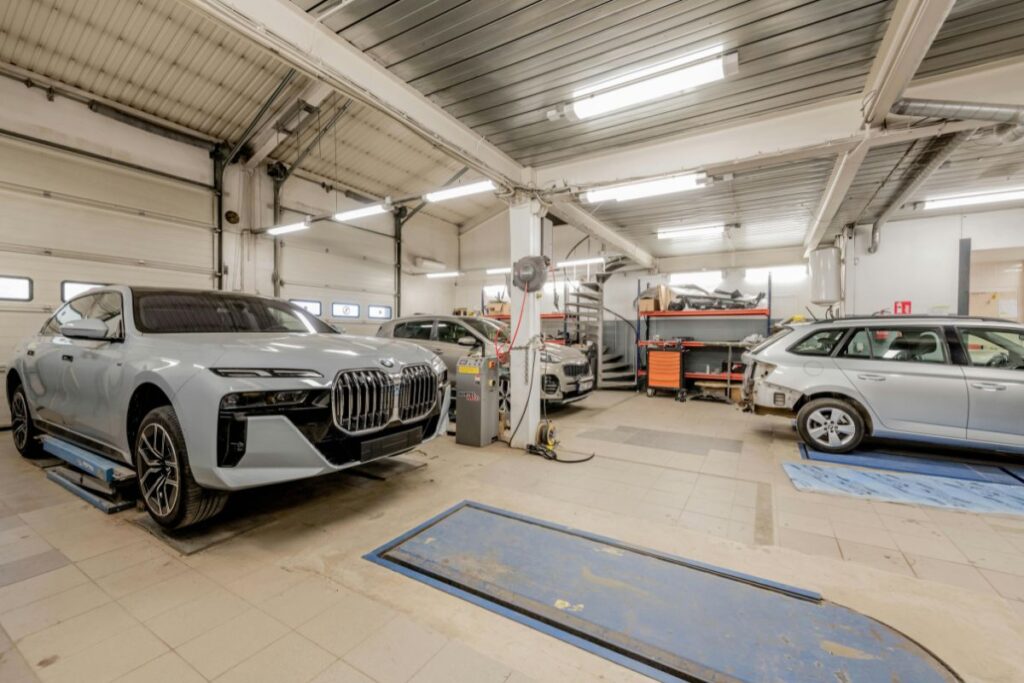
There will be a point where trying to fix things yourself can do more harm than good. BMWs are not like standard cars, where quick DIY fixes always work. They rely on advanced diagnostics, specialised tools, and brand-specific knowledge. One wrong move can turn a small issue into something that costs thousands of pounds to repair.
If you notice warning lights that will not go away, rough gear changes, overheating, or unusual noises, it is time to step back and let a professional take a look. The same goes for anything involving the engine, transmission, or electrical systems. These are not areas you want to guess your way through.
Going to experienced BMW repair specialists like Autocare Repair Centre in Liverpool gives you peace of mind that your car is being looked after properly. They are approved by some of the world’s leading car brands, including Volkswagen, Audi, SEAT, ŠKODA, CUPRA, BMW, Mini, and Tesla, which gives you confidence that your car is in the right hands.
Keep Your BMW In Top Condition

Owning a BMW is just as much about how you look after it as it is about the drive. Small maintenance mistakes, like using the wrong oil or delaying fluid changes, can quietly lead to bigger and more expensive problems. The good news is that most of these issues are avoidable once you know what to watch for.
Keeping up with regular servicing, paying attention to early warning signs, and knowing when to speak to a specialist can make all the difference. It’s important to stay on top of maintenance to avoid any expensive, longer-term issues.
Images courtesy of unsplash.com, Freepix.com and pexels.com