Remember when you had to wear those strange square-rimmed glasses with coloured lenses to view 3D media? Technology has come a long way in the years since those ruled the roost, heralding brand new forms of entertainment picking up where 3D left off.
Developers aren’t giving up on 3D, though. Indeed, major upgrades to displays are now available, with the ability to offer 3D viewing without the need for superfluous glasses. If these take off, they could have a huge impact on the entertainment industry.
The Next Stage of Immersion
The entertainment industry has always strived to offer greater levels of immersion, and there have been various technological developments in recent times that have helped push this forward. Live streaming, for instance, is one of the best ways for people to feel completely absorbed by what they’re watching or playing. For example, in the past, people only had the option to play in land based casinos. Nowadays, though, live streaming offers the online casino experience to a much wider audience.
Indeed, many people who play roulette games choose to go for the live streaming options nowadays, as these aim to simulate the real world casino experience. In titles like Lucky 6 Roulette and Cash Collect Roulette, players can feel like they’re immersed in a casino setting, thanks to the real time interaction and varied camera angles that the technology offers.
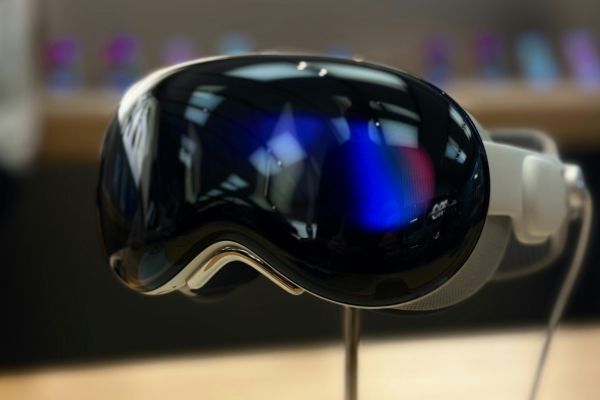
Aside from live streaming, developers have tried to achieve immersion in other ways. For instance, there has been a lot of focus on virtual reality, with this technology enabling people to experience different settings and observe them as if they were there. However, the industry has been slow to take off, and currently VR is far from the mainstream due to the various factors such as entry price.
How Do Glasses-Free 3D Displays Work?
There’s some exciting technology at play with glasses-free 3D displays, which use a clever mix of optics and software. Most systems use a lenticular lens, which is layered over the screen. This can send slightly different images to each eye, and this creates the illusion of depth. What makes them special is the addition of eye-tracking cameras and AI motion prediction.
The eye-tracking cameras monitor your eye position when you view a video or a game in real time, and then dynamically adjust the image accordingly. This ensures that the 3D effect holds even as your vision darts about across different areas of the screen. Companies such as Dolby have been working on glasses-free 3D displays for years, but now the technology is in place for them to offer a much greater experience.
How Will Entertainment Adapt to This Development?
The entertainment industry is always quick to adapt to new trends, and there’s a chance that developers will see the 3D display as something with the potential to go mainstream. Indeed, forward-thinking creators may already be planning how they can use it to their advantage and make content before others jump on.
However, it’s most likely that the biggest industries will adopt the wait-and-see approach. There’s no point going all-in on 3D displays now, as there’s a chance that they won’t even take off.
The glasses-free 3D display is an exciting development, and one that could have a serious impact on the entertainment industry in the years ahead. If these screens are affordable, they could permeate the mainstream. At that point, entertainment will have to adapt to this new medium.
Images courtesy of unsplash.com and pexels.com. YouTube supplied