Across Scotland, a quiet shift is happening in how homes are heated. Heat pumps, once seen as a niche choice for new eco-builds, are turning up on ordinary semis, terraces and stone-built villas from Glasgow to the Borders.
The reasons are more practical than ideological, and worth understanding whether you are due a new boiler soon or just weighing up your options, including heat pumps.
The trigger is usually a broken boiler, not the environment
It is tempting to assume people switch to a heat pump because they want to cut their carbon footprint. For most, the real prompt is far more mundane: the old boiler has died. Roughly half of all boiler replacements are distressed purchases, made when a unit fails and the household suddenly has no heating or hot water.
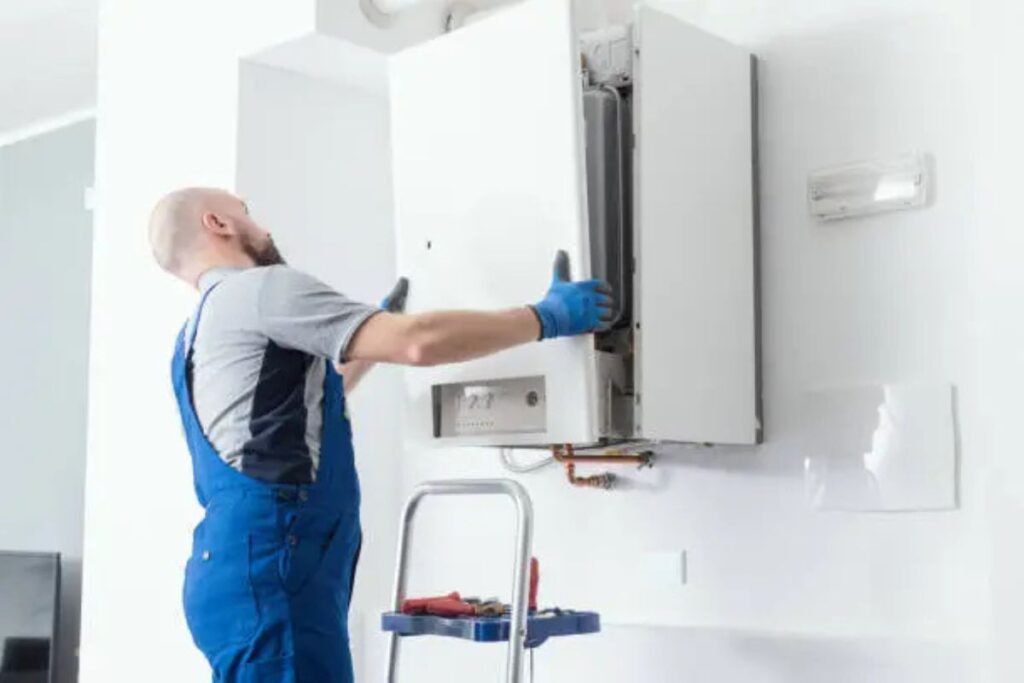
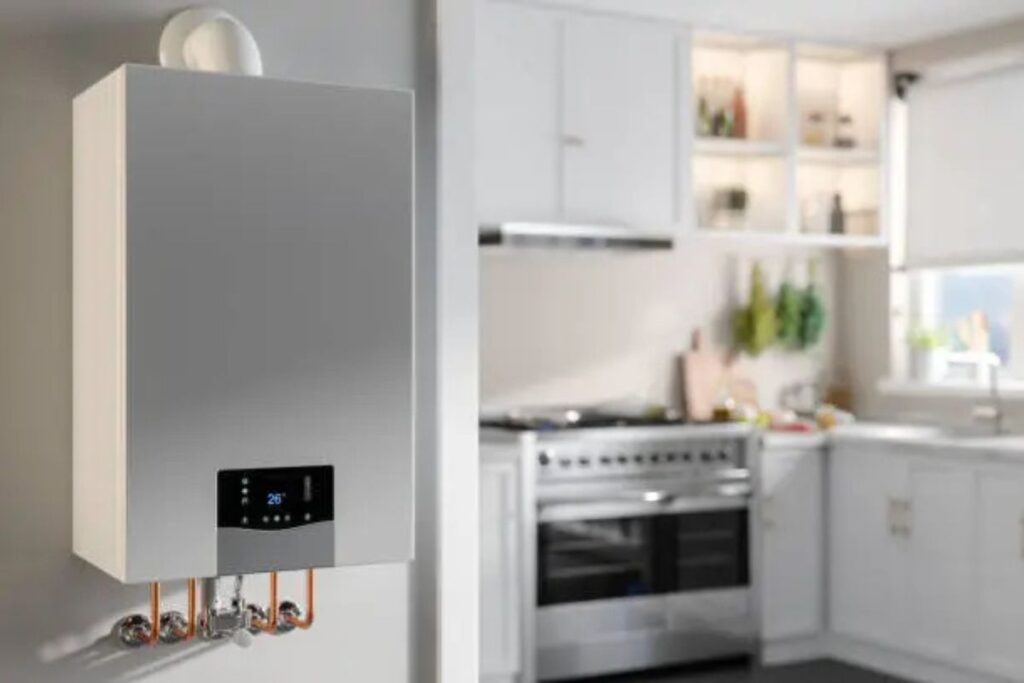
That moment is exactly when a heat pump becomes a live option rather than a someday idea. Instead of like-for-like replacing a gas or oil boiler that will be obsolete within its own lifetime, more homeowners are using the forced decision to move to something that runs on electricity and has no fuel to burn. The environmental benefit is real, but for most households it is a welcome side effect of a decision made on cost and practicality.
Scotland’s grant genuinely changes the maths
The single biggest reason heat pumps have moved into the mainstream in Scotland is money. Home Energy Scotland offers a grant of £7,500 towards an air source heat pump, with an optional interest-free loan of up to £7,500 on top, and a further uplift for rural and island homes. That support is more generous than what is available south of the border, and it turns a heat pump from an expensive upgrade into something comparable with a high-end boiler replacement once the grant is applied.
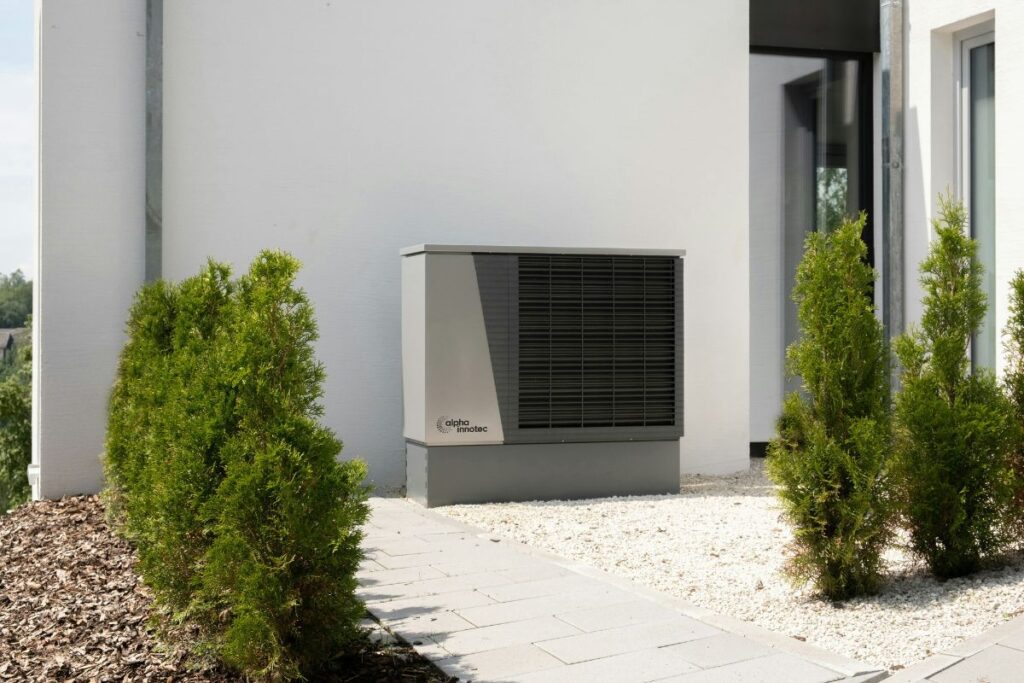
The detail matters, because eligibility, the loan, and how the grant interacts with the survey process all have conditions attached. Anyone weighing it up should read a full guide to air source heat pumps in Scotland before committing, so the funding, running costs and installation steps are clear from the outset rather than discovered halfway through. What tips many people over the line is realising that the up-front gap between a heat pump and a new boiler is far smaller than they assumed.
Do they actually work in a Scottish winter?
This is the question every Scottish homeowner asks, and it is a fair one. The honest answer is yes, provided the system is designed properly. Modern air source heat pumps are rated to keep working in temperatures well below anything a Scottish winter typically produces, and they extract heat from outside air even when it feels bitterly cold.
The catch is design, not climate. A heat pump works best running at a lower flow temperature than a gas boiler, which means the system has to be sized for the house, with radiators and pipework that can deliver enough heat at that gentler temperature. Done well, the home stays warm through the coldest months and the running costs stay sensible. Done as a rushed like-for-like swap, results disappoint. The technology is not the variable. The quality of the survey and the design is.
Older stone homes are not the barrier people think
There is a stubborn myth that heat pumps only suit new, highly insulated homes, and that Scotland’s older sandstone and stone-built housing stock is unsuitable. In reality, traditional homes across the country are being fitted with heat pumps successfully every week.
What makes the difference is treating the house as it is. A good installer assesses how the property loses heat, sizes the system to match, and improves the weak points that would undermine any heating system, old or new. Solid stone walls behave differently to modern cavity construction, but they are a known quantity, not an obstacle. Plenty of Victorian and Edwardian homes now run heat pumps comfortably, which quietly dismantles the idea that this is only a technology for new build.
What a good installation actually involves
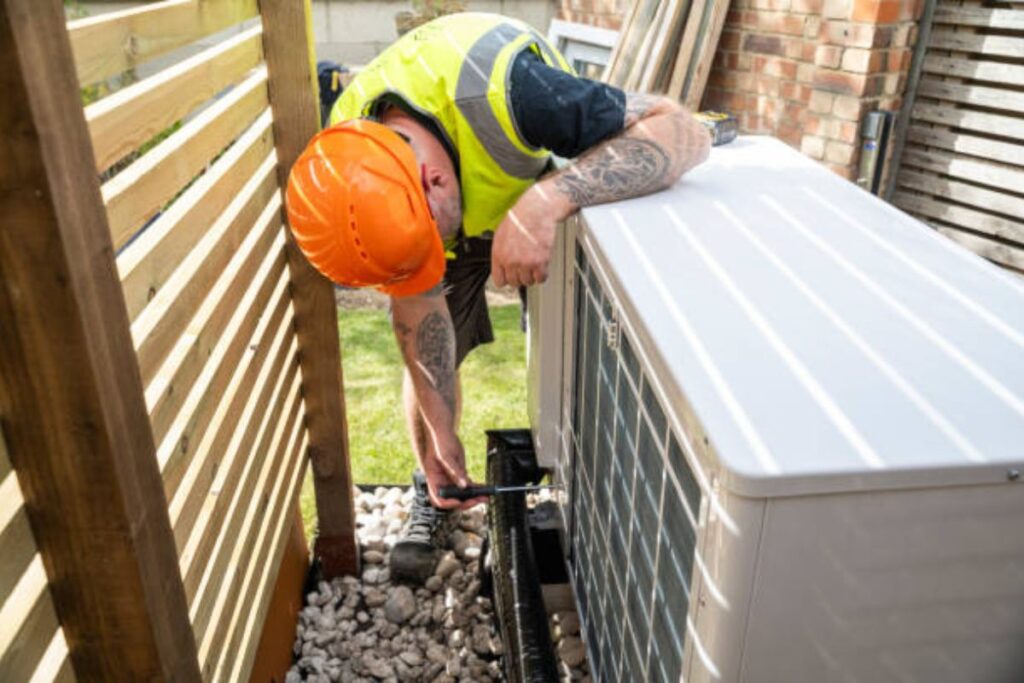
The gap between a heat pump that delights and one that disappoints comes down to the work behind it. A proper install starts with a heat loss survey, a room-by-room calculation of how much heat the house needs on a cold day. From there the installer sizes the unit, checks whether radiators need upgrading to run at lower temperatures, and plans the pipework and controls.
Certification matters too. An installation carried out by an accredited installer under the Microgeneration Certification Scheme is what unlocks the grant, keeps the manufacturer’s warranty valid, and covers the noise assessment that confirms the unit will not disturb neighbours. It is the difference between a system that hits its efficiency figures and one that never quite performs.
None of this is complicated for the homeowner, but it is worth knowing what separates a considered installation from a quick swap. The households that are happiest with their heat pumps are almost always the ones whose installer spent time on the survey before quoting a system.
The direction of travel
Heat pumps in Scotland have crossed the line from novelty to normal. Grant support has narrowed the cost gap, the technology has proven itself in real Scottish winters, and the myth that older homes cannot cope is steadily falling away. For a household facing a boiler replacement, the decision is no longer whether a heat pump is possible, but whether the moment has come to make the switch. On current evidence, a growing number of Scots are deciding that it has.
Images courtesy of unsplash.com and pexels.com. Feature image supplied