Garden rooms have become one of the most popular and practical ways to expand living space in the UK — without the time, stress, and paperwork of a full home extension. Whether you’re after a quiet office, a yoga retreat, a guest suite, or simply a place to escape the noise of daily life, a well-designed garden room can deliver year-round comfort and real lifestyle benefits.
But how do you make the right choice? With so many styles, materials, and features available, choosing the right garden room isn’t always straightforward. This guide will walk you through the most important factors to consider before you buy or build, helping you invest wisely in a space that works for you — in every season.
Start with purpose: What will you use it for?
Before you look at materials or finishes, be crystal clear on how you intend to use your garden room.


A workspace has different needs than a gym or guest room. If you plan to work there full-time, consider heating, lighting, and acoustic insulation from the start. If it’s a space for relaxing or occasional use, comfort may be more about atmosphere than climate control. Multi-purpose rooms are possible too, but may require a more flexible design with storage and zoning.
Ask yourself: will it be used daily or just on weekends? Should it be comfortable year-round, or just in warmer months? Do I need plumbing, power outlets, or internet access?
Clarity on purpose drives every decision that follows — from size and insulation to layout and lighting.
All-season comfort: Insulation and weatherproofing
British weather is famously unpredictable — which makes proper insulation non-negotiable if you plan to use your garden room throughout the year. Without adequate protection from the elements, your space can quickly become too cold in winter or uncomfortably hot in summer, making it impractical for regular use.
Start with the core: high-quality insulation in the walls, roof, and floor is essential. Many premium garden rooms now use SIPs (structural insulated panels), which offer excellent thermal efficiency and quick installation. This type of insulation not only maintains a consistent indoor temperature but also helps reduce energy bills when heating or cooling the space. Pair that with double- or triple-glazed windows to create a strong thermal envelope — keeping the cold out and the warmth in during the colder months, and preventing overheating when the sun is strong.
Don’t overlook ventilation, either. Without proper airflow, even the best-insulated room can suffer from stale air or damp. Installing trickle vents, roof vents, or small opening windows ensures healthy circulation and reduces the risk of condensation and mould.
Roof choice plays a major role in comfort and durability. While flat EPDM rubber roofs are cost-effective and easy to maintain, pitched roofs with tiles, shingles, or metal cladding often provide better water runoff, improved insulation space, and a more traditional architectural finish — particularly appealing for homes in conservation areas or with classic styling.
In short, insulation and weatherproofing aren’t just technicalities — they define how livable and enjoyable your garden room will be, all year round. For more detail you can check article https://bertsch-holzbau.eu/en/blog/how-to-waterproof-a-garden-shed/.
Build quality: Materials matter
The longevity and performance of a garden room depend heavily on the materials used.
Timber remains one of the most popular choices — and for good reason. Not only does it blend beautifully into garden environments, it also provides natural thermal performance and a timeless look. Look forpressure-treated or kiln-dried wood, preferably from sustainably managed forests (FSC-certified), to ensure resistance to rot, warping, and insects.
Composite materials and metal cladding are growing in popularity for their low maintenance and contemporary appearance. These are excellent for homeowners who want durability with minimal upkeep.
Whichever material you choose, don’t skimp on build quality. A cheap kit may look good on day one, but will quickly show wear if corners are cut in construction.
Don’t forget the foundation
A garden room is only as strong as the base it stands on — and yet, garden room foundations are often overlooked in early planning.
Depending on the weight and size of your structure, you may need a concrete slab, ground screws, or a timber frame base. In the UK, ground screws are increasingly popular due to minimal disruption and suitability for uneven terrain.
Proper foundations:
- prevent subsidence and structural movement
- keep moisture away from the timber base
- ensure long-term stability and level installation
Before building, check for underground services, tree roots, and local soil conditions. It’s also worth consulting with your supplier or builder to ensure the chosen foundation matches the garden room’s design and weight.
All about aesthetics: Make it yours
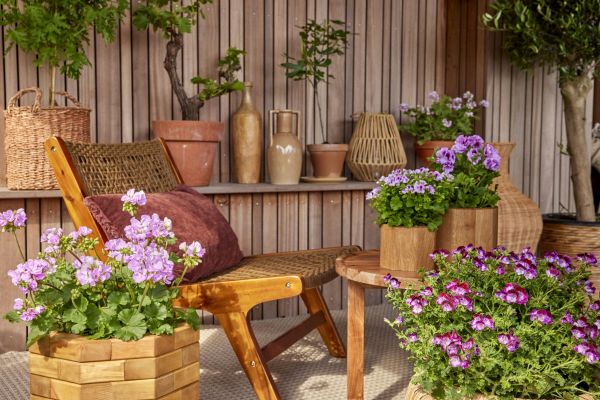
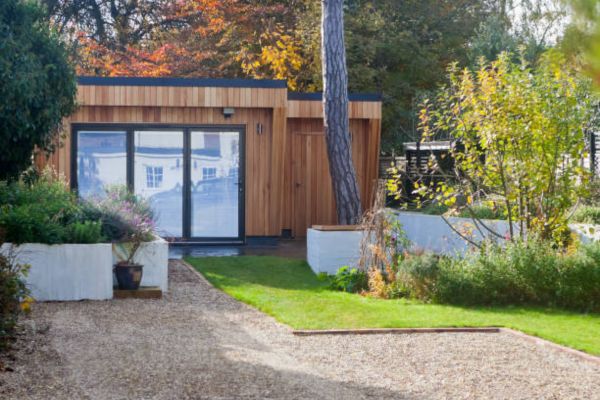
Your garden room should feel like a natural extension of your home — not an awkward afterthought. Start by matching its style and finish to your house and garden. A sleek, modern room with anthracite cladding and large glazing suits a contemporary property, while a timber-clad structure with a pitched roof may better complement a traditional brick home.
Consider adding for example: a small deck or patio to extend the usable space, planters or trellises for softening edges or integrated lighting to highlight the structure at night. Don’t forget the interior. Flooring, paint colours, and furnishings make just as much difference here as in your main home. Choose finishes that reflect how you want the space to feel — calm, energising, or practical.
Features and extras that make a difference
Once the structure is set, it’s time to think about the features that will elevate your experience.
Start with the essentials: lighting, power outlets, heating, and good internet connectivity. If you’re planning a garden office, this is non-negotiable. Many homeowners now add smart systems — like thermostats, blinds, and lighting — controlled via app.
For premium uses, consider:
- a small bathroom or wet room
- a compact kitchenette for guest stays or creative projects
- built-in storage, hidden desks, or convertible furniture
These extras can make your garden room feel less like an outbuilding and more like a true extension of your home.
Choosing the right manufacturer
Quality begins with the right supplier. In the UK, the market for garden rooms is vast — but not all providers deliver the same level of craftsmanship or reliability.
One standout example is Bertsch Holzbau, a long-established European manufacturer known for combining traditional carpentry with modern design and sustainability. Their garden rooms — crafted from premium, carefully sourced timber — are tailored to different styles and needs, from classic cabin charm to sleek architectural forms. With decades of experience and a growing presence in the UK market, Bertsch Holzbau stands out as a dependable choice for homeowners looking for both beauty and structural integrity.
A space that grows with you
A garden room is more than a project — it’s an investment in your home, your comfort, and how you live your life. When chosen and built well, it becomes a space that evolves with your needs: a quiet study today, a yoga studio tomorrow, and maybe even a guest house in years to come.
By considering purpose, insulation, materials, location, and the right builder from the start, you ensure your garden room will be a place you love — not just a structure you own.
So take your time, ask the right questions, and plan with care. Because the perfect garden room isn’t found — it’s thoughtfully created.
Images courtesy of unsplash.com and pexels.com