Future proofing a home is usually discussed in the language of bills, grants and regulations. For a growing number of households across Berkshire, though, the appeal is more immediate and more personal. It is about living, day to day, in a home that is evenly warm, genuinely quiet and inexpensive to run, and that will not need pulling apart again in a decade to keep up with where the country is heading.
Renewable energy has quietly stopped being a statement and started being a future proofing lifestyle choice.
A Different Kind of Warmth
Anyone who has lived with an ageing gas boiler knows its rhythm: a blast of heat, a click off, a slow cool, and then a scramble to catch up again. A well-designed heat pump warms a home in a completely different way. It runs gently and continuously at a low temperature, so the heat is steady and even from room to room, without the hot-then-cold swings or the cold spots at the far end of the house. For families at home through the day, and for the rising number of people working from spare rooms and garden offices, that consistent background warmth changes how a house feels to live in. It becomes less a system you operate and more a climate the house simply has. It is a quieter house, too, with none of the firing and cycling of an old boiler.
The Technologies Behind the Calm
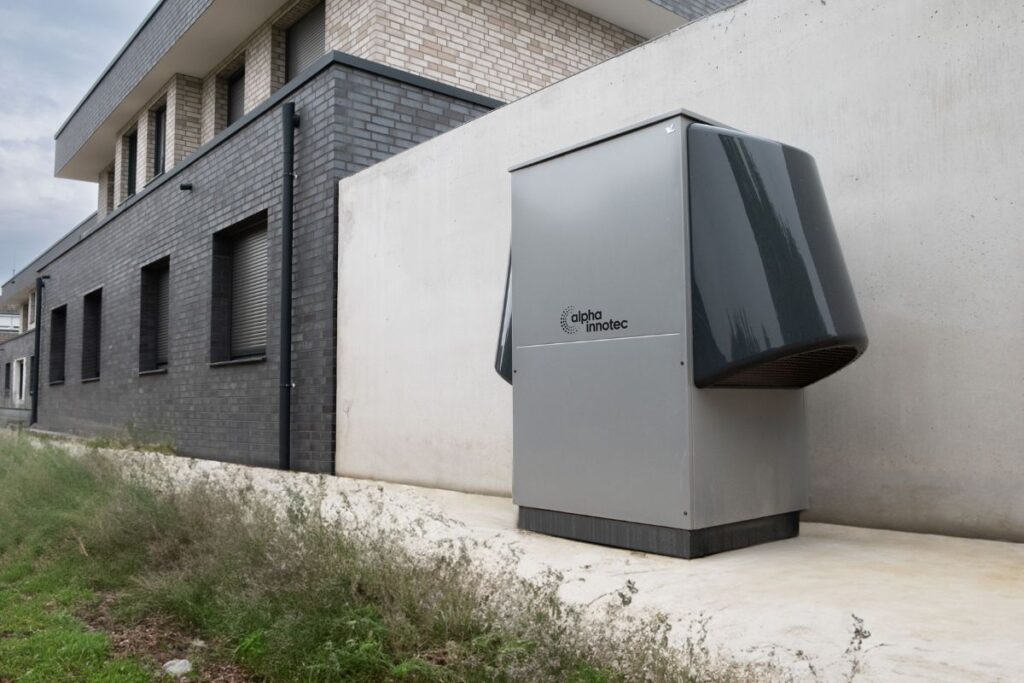
That calm is the product of a few technologies working together rather than any single gadget. An air source heat pump provides the heating and hot water, drawing several units of warmth from the outside air for every unit of electricity it uses. Solar panels generate power through the day, and a home battery stores it for the evening, so far more of what the roof produces is actually used in the house. The real skill is in the design, because these elements have to be sized and tuned around the specific property and the way the household lives. That is why people increasingly turn to local specialists such as ecorenewables.co.uk rather than buying components off a shelf. A heat pump matched properly to a home is quiet, efficient and almost invisible in daily life. One designed carelessly is the opposite, and it is the design, not the badge on the box, that decides which you get.
Lower Bills, and Less to Think About
There is a wellbeing dividend to all this that rarely gets a mention. A home that makes and stores much of its own energy is far less exposed to the swings in wholesale prices that have made recent winters so stressful. Bills become more predictable and, for a well-designed system on a suitable electricity tariff, considerably lower. What a heat pump actually costs to run comes down almost entirely to how well it was designed and set up, and a good installation can sit comfortably below the cost of the gas boiler it replaced. The quieter benefit is the mental one: a home that largely looks after itself, and one less volatile bill to keep half an eye on through the colder months.
Designed Around the Home You Actually Live In
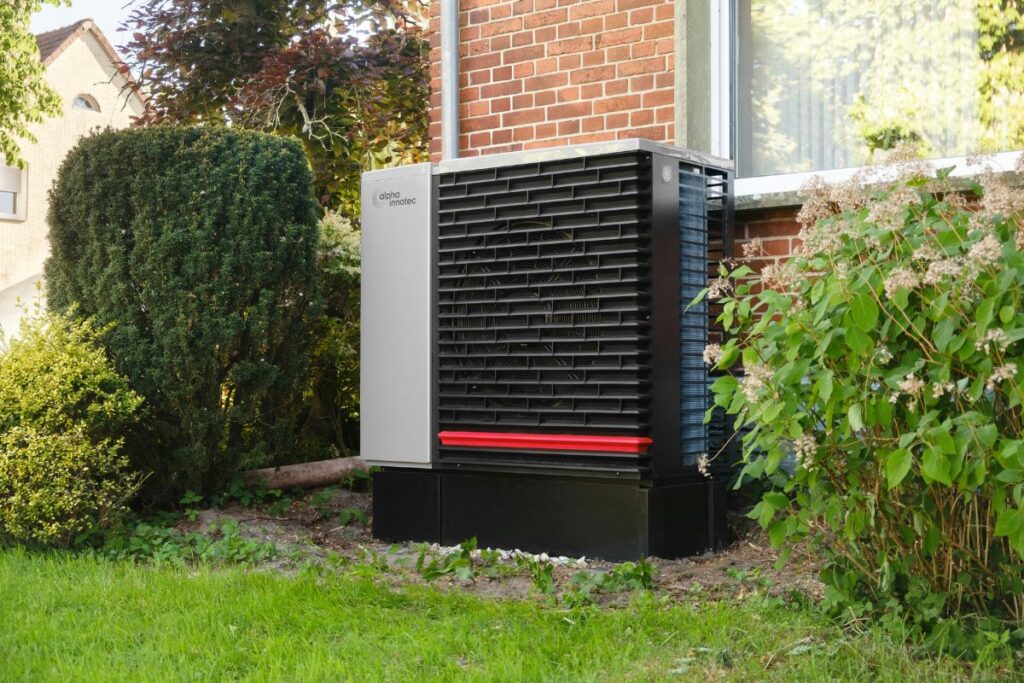
Future-proofing only appeals if it fits both the life and the look of the house. Modern outdoor units are compact and can be tucked discreetly to the side or rear of a property, and indoors the hot water cylinder is the main addition to find space for. For the period and characterful homes that fill so much of Berkshire, the warmth can be delivered through traditional-style column radiators or underfloor heating rather than utilitarian panels, so comfort never has to come at the expense of how a room looks. The whole point of designing the system around the home, rather than forcing the home to accommodate the system, is that a good upgrade should more or less disappear into the way you already live.
Getting Ahead Without the Upheaval
The households doing this well are rarely tearing everything out in one dramatic go. They are timing it sensibly: when the old boiler is clearly on its last legs, during a planned renovation, or as part of a wider set of improvements. The most effective order starts with the fabric of the home, insulation and draught-proofing, so that whatever heating follows has less work to do, before layering in the heat pump, solar and storage to suit. Current support helps with the timing, with a £7,500 contribution towards an air source heat pump available in England and zero per cent VAT on qualifying installations until spring 2027.

Taken step by step, future-proofing a Berkshire home turns out to be less a disruptive project than a series of sensible upgrades. The result is not a sacrifice or a science experiment. It is a house that is warmer, quieter, cheaper to run and calmer to own, and one that happens to be ready for a world moving steadily away from fossil-fuelled heating. For many across Berkshire, that combination is reason enough.
Images courtesy of unsplash.com and pexels.com