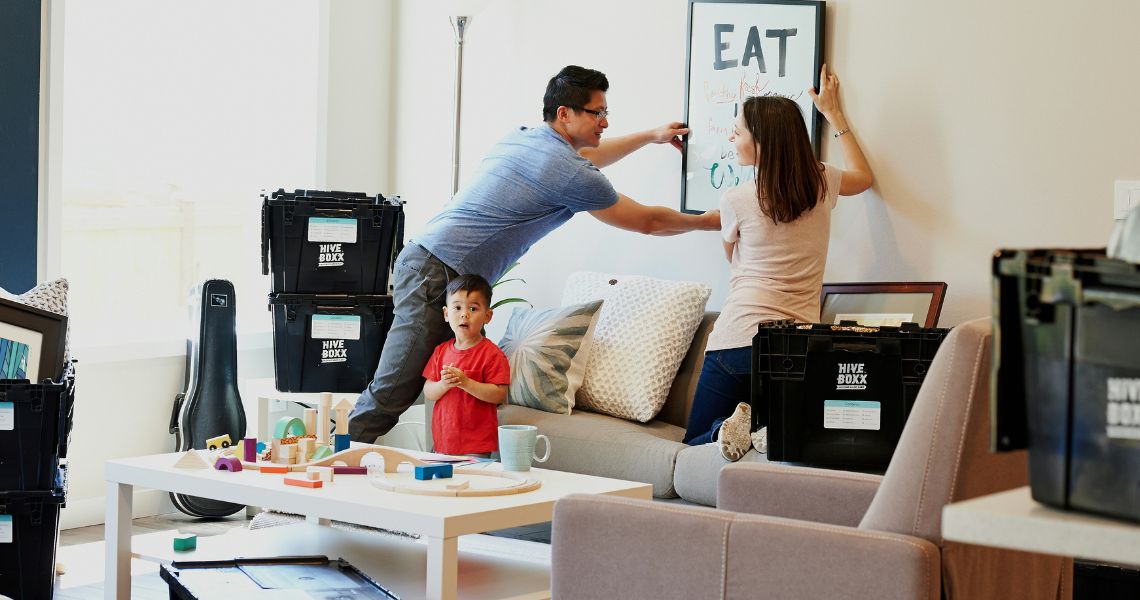
That moment you realise now is the time to start packing up your life for the next journey is one that fills people with dread more often than it does excitement. It’s a big commitment to go through your life and organise it into boxes to relocate. It’s the end of an era and the precipice of something entirely new. But still not a fun job in the slightest. In fact, according to Insight DIY, over half of Brits list this as one of the most stressful life events, more so than becoming a parent and getting a divorce.
Everyone knows the key to a successful pack and move is organisation, but this post is going to look at some things you need to get in place prior to filling your first box when packing.
Declutter with Intent, not Vibes
The last thing you want to do here is “have a clear out”. Have a clear out of what? Where are you clearing it out to and why? Strip out the vagueness and get it done right. You need to reduce the mental load, and typical work from packing and decluttering is the best way to get this done.


Go through each room with purpose. Make a list of all sections that need to be sorted out.
Let’s take the kitchen, list things like:
- Cutlery drawer
- Pan drawer/cupboard
- Tops of cabinets
- Dinnerware cupboards
- Spice drawer
- Tin cupboard
- Junk drawer (everyone has one)
- Under the sink
- Pantry
- Shelving
Any little aspect in each room where stuff “lives” needs adding to a list so the room is properly broken down, and then go through it with a fine-toothed comb.
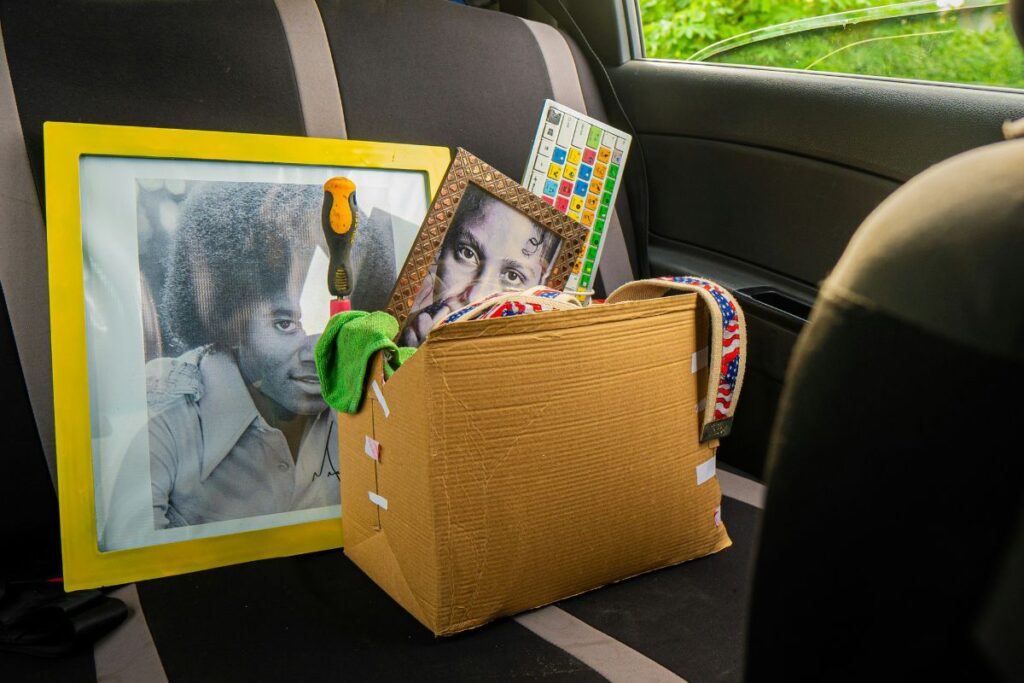
Keep the things you need and use on a regular basis. If it has not seen the light of day for a few months, do you really need it? Then, as you sort through, separate into keep, donate and dispose. When the task is completed, make sure you remove the donate and dispose piles immediately to stop clutter from building up elsewhere.
Measure the New Space
This can’t always be done ahead of time. However, when you get keys to your new place, or you can access the property, take a tape measure and measure everything.
The space in the living room from the corners to the door frame, measure door frames, the width of the windows, hallways, stairs, etc. This will tell you if you’ll easily be able to get your furniture into the house and how it’ll look in the place where it needs to go.


Don’t forget to measure ceiling heights, especially around stairs, so you can understand angles and avoid getting wedged halfway up with a bed that’s entirely too big to manoeuvre over the bannister.
Use masking tape to map out furniture placement so you can adjust if needed or make a choice to buy new to fit. It will just remove some of the moving day headaches if you can do this and desire things run that little bit more smoothly.
Confirm Moving Dates
Honestly, it sounds simple, but the last thing you want is to take everything to move and not actually be able to move. Not only is it disappointing but expensive, and it throws all your plans in the air.
So before you pack anything or make any solid commitments, check and double check the moving day is correct, and that things aren’t going to change at all. If you can get it, get the date in writing for confirmation and peace of mind.
Decide What’s Worth Moving

Not everyone can afford to replace everything they own when they move, but sometimes not everything is worth taking with you.
That rickety old bookcase that’s more than a little bit wobbly, or the mattress that tries to spear your insides when you turn over, and that rug with the questionable stain. All items that could be more hassle than they’re worth to move.
Be strict. Only take what is in good condition and what you actually want and need. If you know you’re planning on replacing any items when you move, then you don’t need to waste time dismantling your current ones.
Book Reliable Movers
You absolutely don’t want to be scrambling to find good movers two weeks before you need to be out. You need to get good, reliable movers booked in as soon as your moving date is confirmed. The earlier you do it, the more time you have to get multiple quotes, check what’s included in each package on offer and determine what will work best for you. This is especially important if you’re moving long distances.

Be mindful of timeline adjustments, ie landlords needing more time to prep the property or chains needing a bit more time due to paperwork issues. Wait for concrete confirmation before locking in the date, talk to different movers about their policy for changing dates, ie can you readjust a certain amount of days prior to the move or are you locked in and will end up with cancellation fees?
Sort Utilities and Address Changes
Typically, you can set up a redirect with Royal Mail for a small fee for a predetermined amount of time, but as soon as that moving date is locked in, get changing addresses for all of your accounts, work, schools, medical providers etc. Anyone who needs to know you’re moving, tell them where you’re going and when.
Don’t forget things like insurance policies, driving licences, banks, GP, dentist, opticians, subscriptions and, of course, your food delivery apps — you do not need to order that end-of-moving-day takeaway only for it to end up at your old address. That’s a disaster.
Get Awkward Admin Sorted
What we mean by awkward admin is the things you don’t realise will impact you often until you happen across them.
It’s the logistical details, such as parking spaces at your current address and the new one, any permits that might be needed or restrictions in the place. It’s getting building management approval if required, access codes, alarm codes, gated entry instructions, etc.
Not all of these will apply to everyone, but for many people, they’re administrative headaches you can do without on moving day. Beforehand, check the lease, check with the local council and take some time to go to the new address to get an idea of transport time to track deliveries and any parking issues you might come up against.
Don’t forget to check bin collection days so you can be prepared at both properties too, important for the post-packing final clean and post-unpacking mess that needs somewhere to go.
Images courtesy of unsplash.com, Freepix and pexels.com