Of all the ways to beautify and extend the lifespan of your home, restoring your wood floors is one of the most effective. While cleaning, polishing, and sealing all play a role in the process of maintaining the floors, sanding remains the cornerstone of durable flooring. It does more than just improve the surface; it fortifies the wood, prepares it for finishing, and makes the job last longer. Sanding helps give a good base that enables the finish to bond properly so that your floors can withstand daily wear and tear.
This article explores why sanding is essential to durable flooring and how it gives your flooring the restoration edge it deserves. If you live in Brighton and would prefer to speak to a professional, contact Alpha Floor Sanding or visit the website today.
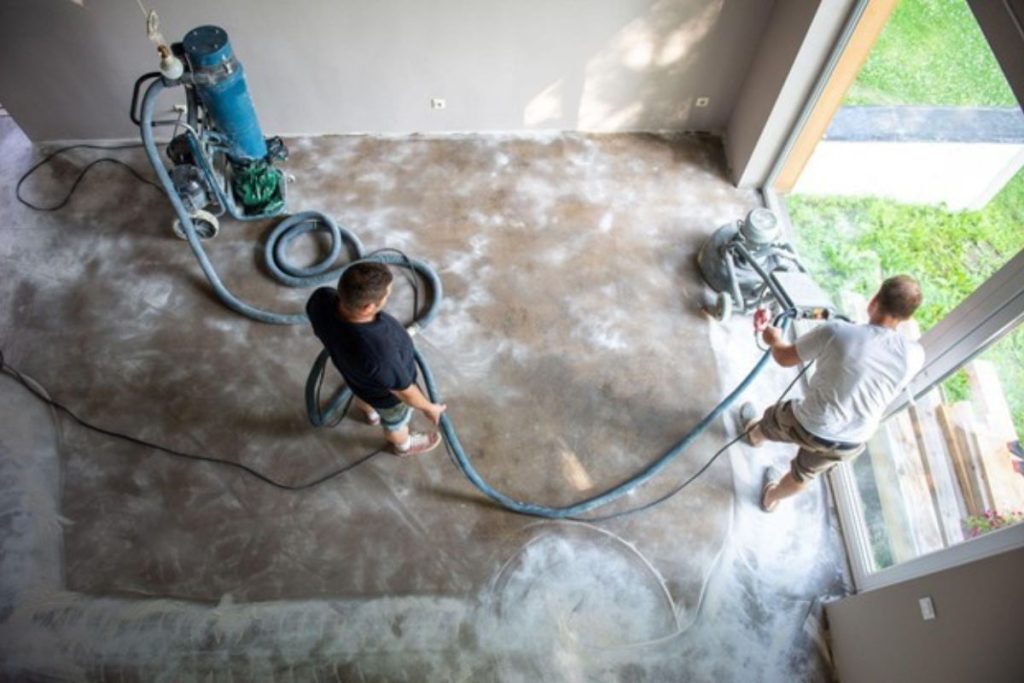
Indeed, sanding will have a big impact on the longevity of a floor. Wood floors obviously take quite a beating. Foot traffic and shifting of furniture, along with spills and moisture, eventually leave their marks in the form of scratches, dings, stains, and texture differences. While regular cleaning and periodic refinishing may help, durability begins with good sanding. Sanding ensures that any subsequent finish will adhere well, removes worn layers, and levels the surface. Beyond the aesthetic appeal, this process helps to safeguard the structural integrity of your flooring and ensures longevity.
Smoothing out Surface Imperfections
One of the major benefits derived from sanding is the removal of surface defects. These in due time begin to show scratches, dents, and stains that weaken the wood and further make it more vulnerable against damage in the future. Sanding fixes such defects by stripping away the damaged layers of the floor so that a fresh solid sub-surface gets exposed. This gives your flooring a stronger foundation that can withstand regular use while also restoring the wood’s original beauty.
Improve Adhesion of Finishing
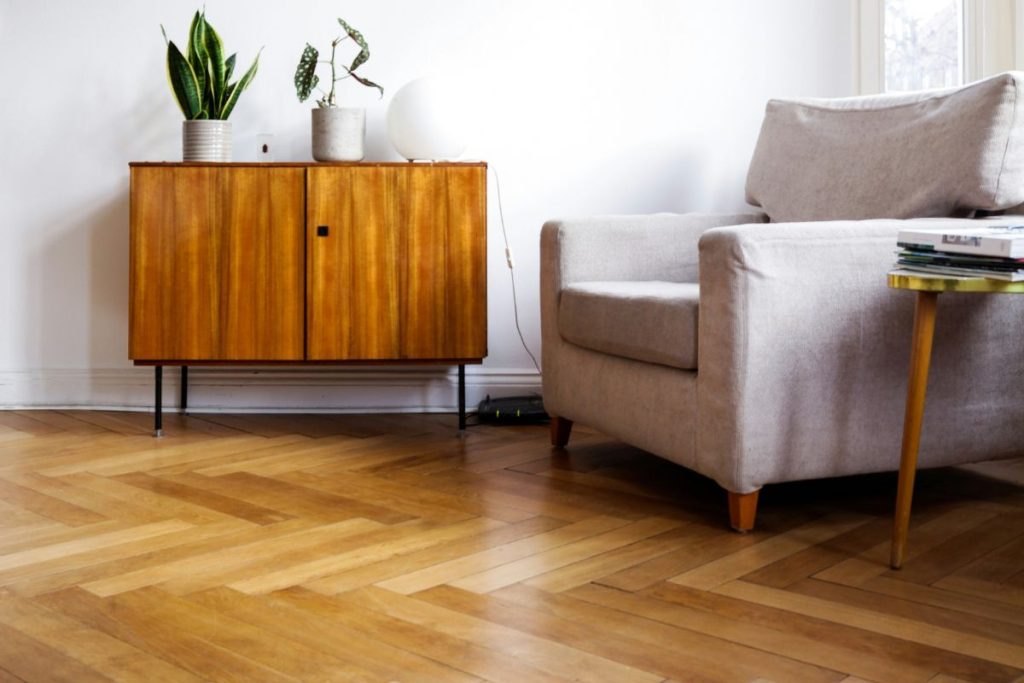
Durable flooring relies greatly on proper adhesion, whether it is with varnish, oil, or sealant. If the texture happens to be uneven, or a little residual finish is left behind, that will impede a coat from bonding well and peeling off prematurely or wearing off faster. Sanding makes a floor smooth and clean for finishes to penetrate deep inside and adhere uniformly. That would mean the protective layers would stay longer, be resistant to scratches, and hold up their protective stance against moisture and stains. By properly preparing the floor, sanding ensures optimum performance and life from whatever finish is applied.
Extending Floor Lifespan by Maintenance
Sanding is not just for seriously damaged floors, but it’s a critical element of regular floor maintenance. Periodic sanding prevents minor issues from becoming major ones. Small scratches, shallow dents, or slight indications of wear can be taken care of before they compromise the integrity of the wood. Periodically sanding your floors preserves the thickness and strength of the wood, hence prolonging the life of your flooring. Proper maintenance through sanding ensures that your investment continues to perform and look great for decades.
Improving Stability and Smoothness
Warped and out-of-level floors are unsightly to look at but also contribute to further damage and compromise safety. Over time, wood shifts, twists, or otherwise develops irregularities due to changes in humidity, heavy foot traffic, or poor initial installation. Sanding levels the surface to create a solid, even base. It minimises the chances of cracking, inhibits uneven wear, and provides a comfortable surface to walk upon. Additionally, a smooth, evenly surfaced floor provides a surface on which the finishing applications adhere uniformly, resulting in a stronger, longer-lasting end product.
Revealing natural beauty in wood.
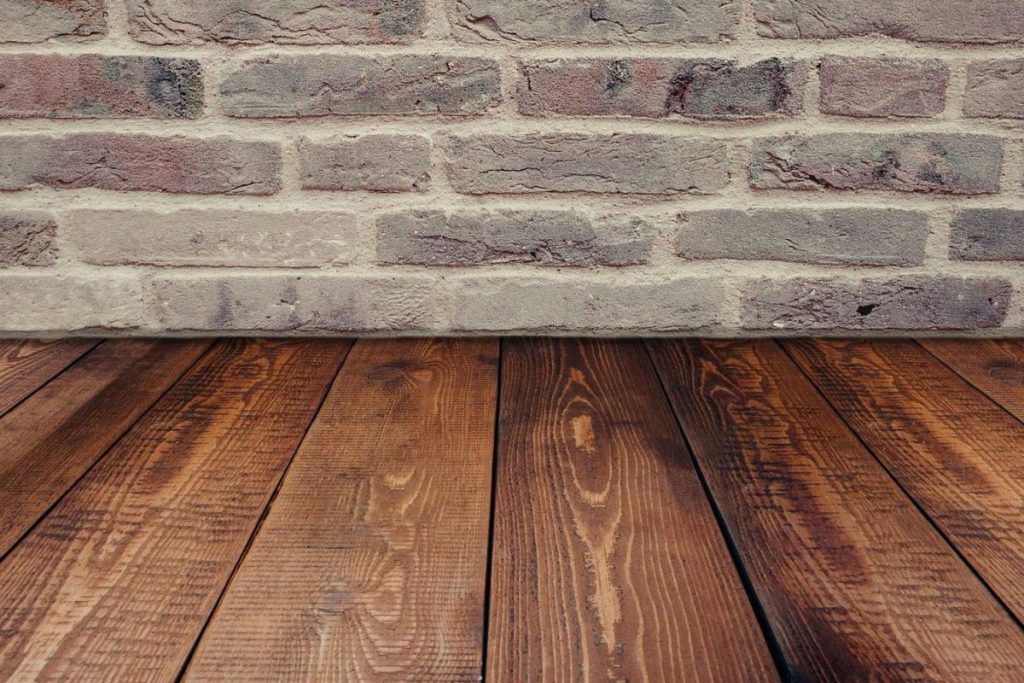
Moreover, sanding is not only good for durability but also brings out the natural beauty of the wood. Years of use can hide the grain patterns and colours that give wood floors their character. Through the removal of old finishes and worn layers, sanding uncovers the rich, natural texture that lies beneath and changes tired flooring into a visually appealing centerpiece. This aesthetic enhancement adds value to your property, since well-maintained wooden floors are taken as a premium feature in any home.
Preparing for Modern Finishes
Modern finishing products have been engineered to provide an excellent level of protection against daily wear, UV damage, moisture, and stains. These finishes will perform optimally on a properly prepared surface. Sanding cleans the wood, makes it even, and free of contaminants for the finishes to bond thoroughly and perform at their peak. By correctly preparing the floor, sanding ensures these advanced coatings look better and prolong the functional life of the flooring.
Sanding is the critical first step in achieving durable and visually stunning flooring. It removes imperfections, improves the adhesion of finishes, prolongs the life of the wood, and brings out its natural beauty. By providing a solid, even surface for today’s finishes, sanding makes floors resilient to daily wear and tear and keeps a home aesthetically appealing. Whether restoring an old hardwood floor or preparing for a new installation, sanding is more than cosmetic; it is a wise investment in longevity and performance. Further, modern dust-free methods make the process cleaner, safer, and more efficient than ever, enabling homeowners to enjoy a restoration experience without stress. Embracing the restoration edge through proper sanding ensures that your floors will be strong, beautiful, and long-lasting into the future.
Images courtesy of unsplash.com and pexels.com