As the new year begins, it’s an opportune time to ensure your home is in optimal condition, addressing potential issues and setting the foundation for a comfortable and efficient living space.
From crucial maintenance tasks to energy efficiency considerations, this checklist for your home covers all aspects to help homeowners proactively address any potential concerns and maintain their property with precision.
Conduct A Home Safety Inspection


Begin your home checklist by ensuring that smoke detectors and carbon monoxide alarms are in proper working condition. Test each device, replace batteries if necessary, and make note of any units that require replacement (but be careful about where you buy from). Verify the expiration date on your fire extinguishers and ensure they are easily accessible. If any extinguishers are expired, replace them promptly.
Assess The Exterior Of Your Home


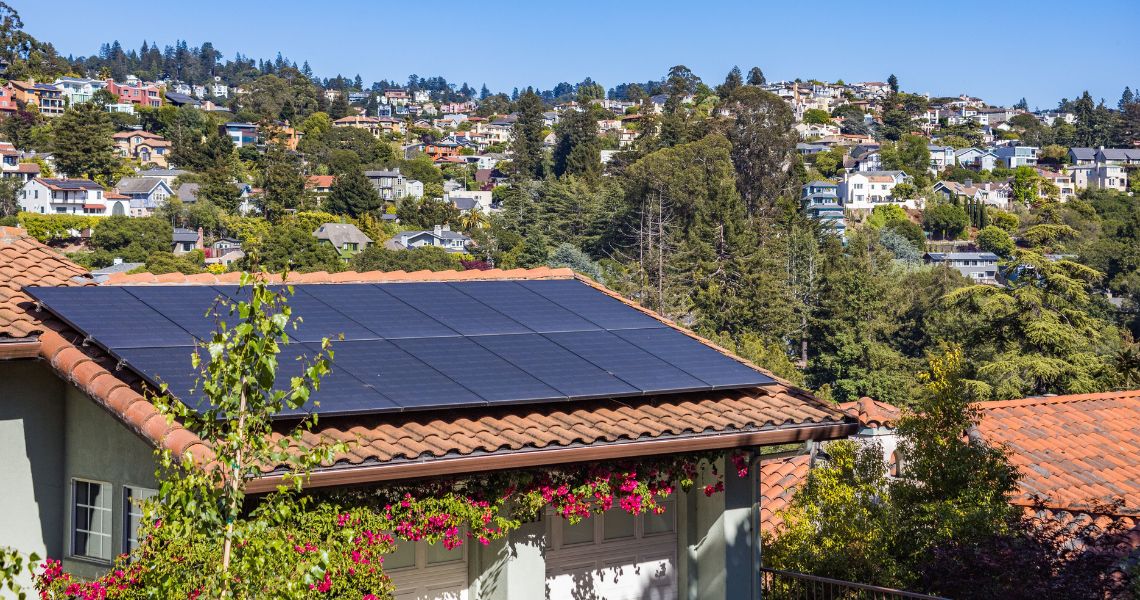
A thorough examination of your roof and gutters is essential. Look for missing or damaged shingles and clean out gutters to prevent blockages. Addressing potential issues early can prevent water damage and prolong the life of your roof.
Inspect windows and doors for drafts, leaks, or damage. Replace weather stripping as needed and consider installing thermal curtains to improve insulation. Ensuring a tight seal contributes to energy efficiency and reduces heating costs.
Do You Need A New Boiler?

Assess the efficiency and performance of your boiler. If you notice irregularities such as strange noises, reduced heating efficiency, or an increase in energy bills, it may be time to consider a replacement. A professional inspection can provide a comprehensive evaluation of your boiler’s condition. If you need a new boiler, then you should compare boiler installation prices. Protect Your Family compares leading brands to get you a quote in minutes.
Regular servicing is crucial for maintaining the functionality of your boiler. Schedule a service with a qualified engineer to check for any potential issues, perform necessary maintenance, and ensure your boiler operates at peak efficiency.
Plumbing And Water Conservation


Inspect your home for leaks, including under sinks, around toilets, and in the basement. Addressing leaks promptly prevents water damage and conserves water, contributing to both the health of your home and the environment.
Check the water pressure in your home. Low water pressure could indicate issues with the plumbing system. If you notice a significant decrease in pressure, consult a professional plumber to diagnose and address the problem.
Evaluate Electrical Systems
Conduct a visual inspection of your home’s wiring and electrical outlets. Replace any frayed or damaged wires, and ensure all outlets are in proper working condition. If you’re uncertain about the state of your electrical system, consult with a qualified electrician.
Upgrade to energy-efficient LED or CFL bulbs throughout your home. These bulbs last longer and consume less energy, contributing to cost savings and reduced environmental impact.
Enhance Energy Efficiency

Insufficient insulation can contribute to energy wastage, and no one can afford that right now. Check the insulation in your attic, walls, and floors. If necessary, consider adding additional insulation to improve energy efficiency and reduce heating costs.
Assess the energy efficiency of your household appliances and consider upgrading to more energy-efficient models. Look for appliances with high energy ratings, such as those certified by the Energy Saving Trust, to minimise energy consumption.
Images courtesy of unsplash.com and pexels.com