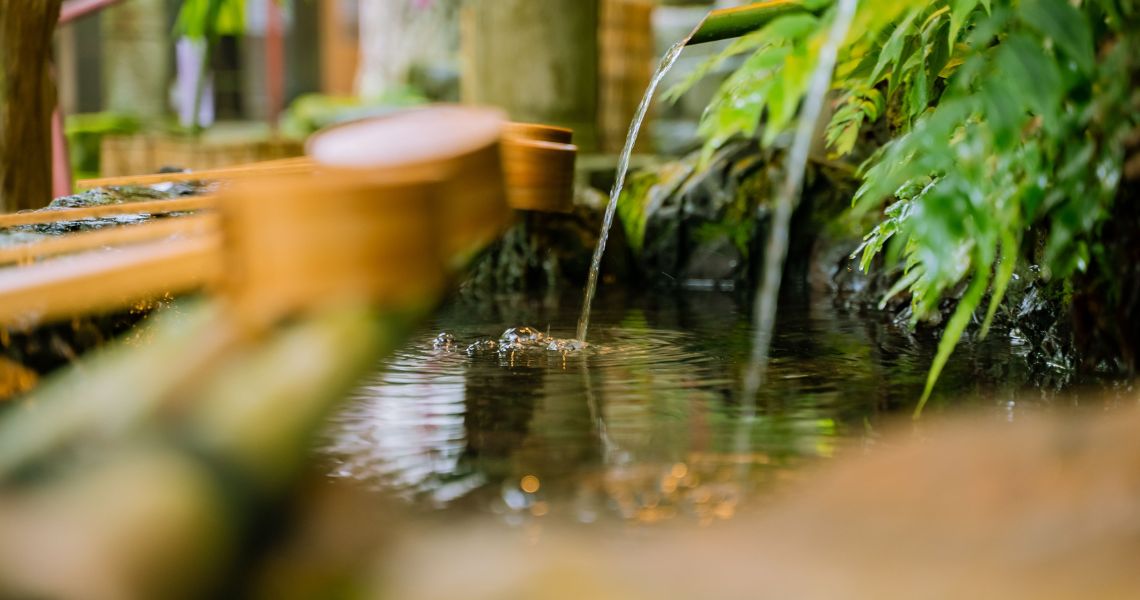
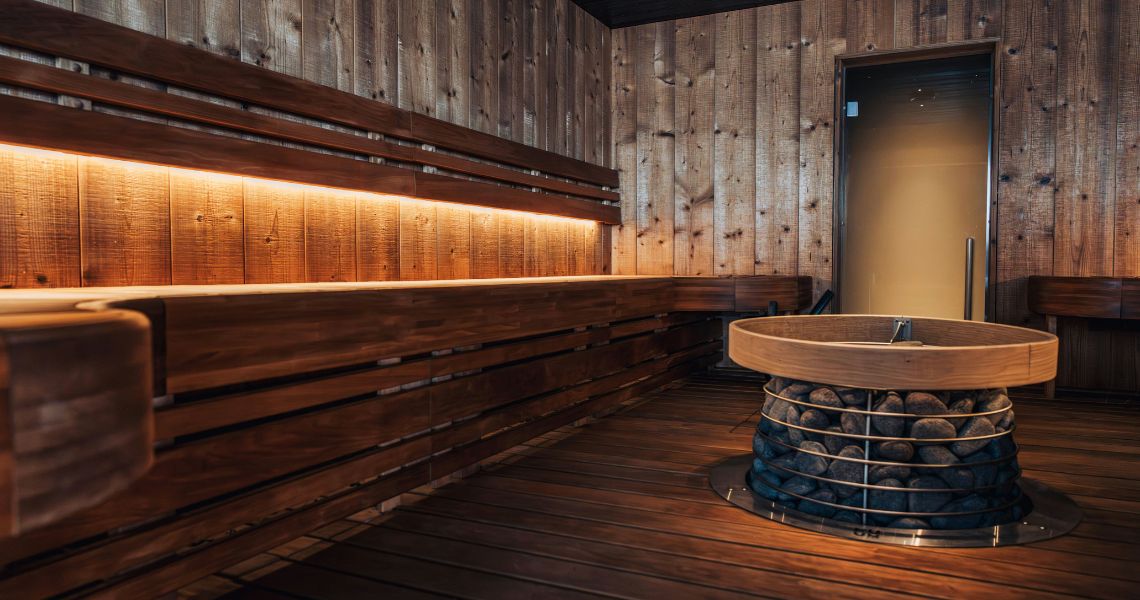
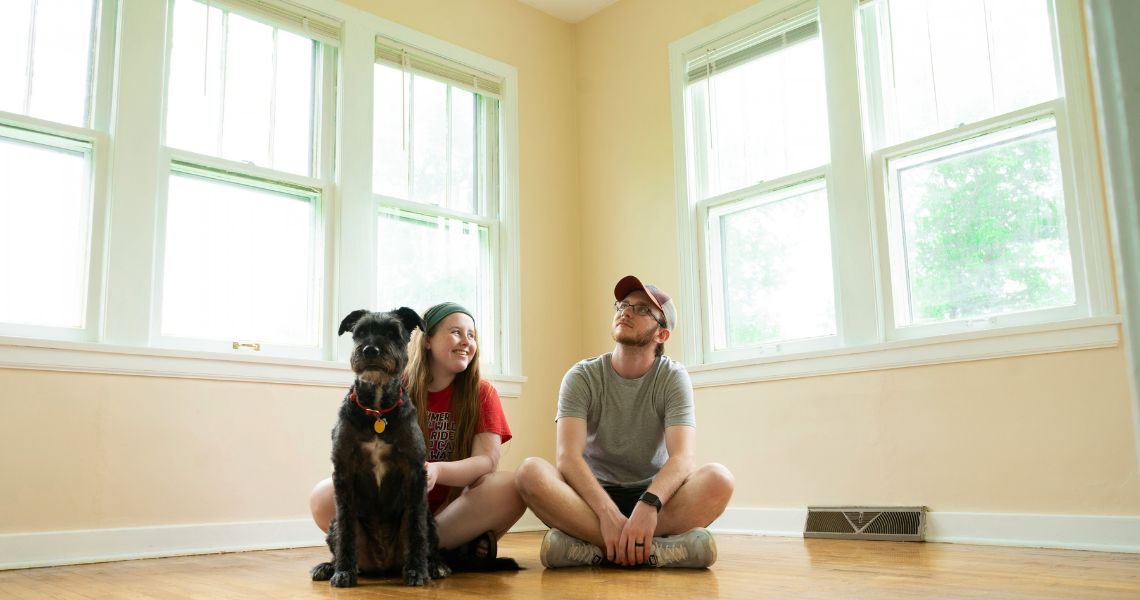
The choices we make for our homes really show what we care about. As we all become more aware of our impact on the environment, lots of us are looking for ways to make our living spaces not just beautiful and practical, but also kind to the planet.
You don’t need a total home makeover to embrace sustainable living; it just starts with thinking a bit more about your decisions, from the materials you pick to your everyday habits. It’s all about creating a healthier, more responsible, and ultimately more enjoyable home.
Why Sustainable Homes Matter
A sustainable home offers so much more than just cutting down your carbon footprint. For starters, it’s about making your living space healthier for you and your family. When you choose natural, non-toxic materials, you can really boost your indoor air quality, meaning less exposure to those harmful chemicals often found in regular building products. This focus on eco-friendly home design is truly changing how we see our homes.

Plus, sustainable homes are designed to be efficient. That means lower energy bills and using less water over time. While there might be a bit more to pay upfront, those savings on utilities often pay for themselves pretty quickly. This approach also helps your home feel more resilient and independent, relying less on outside resources and feeling more connected to its natural surroundings.
Choosing Eco-Conscious Materials
One of the biggest ways to build a sustainable home is by carefully choosing your materials, like eco-friendly curtain options. This means looking for products that are recycled, reclaimed, or come from renewable and responsibly managed sources. Materials like bamboo, cork, and reclaimed timber are fantastic choices for flooring and furniture because they either grow fast or give old resources a new lease of life.
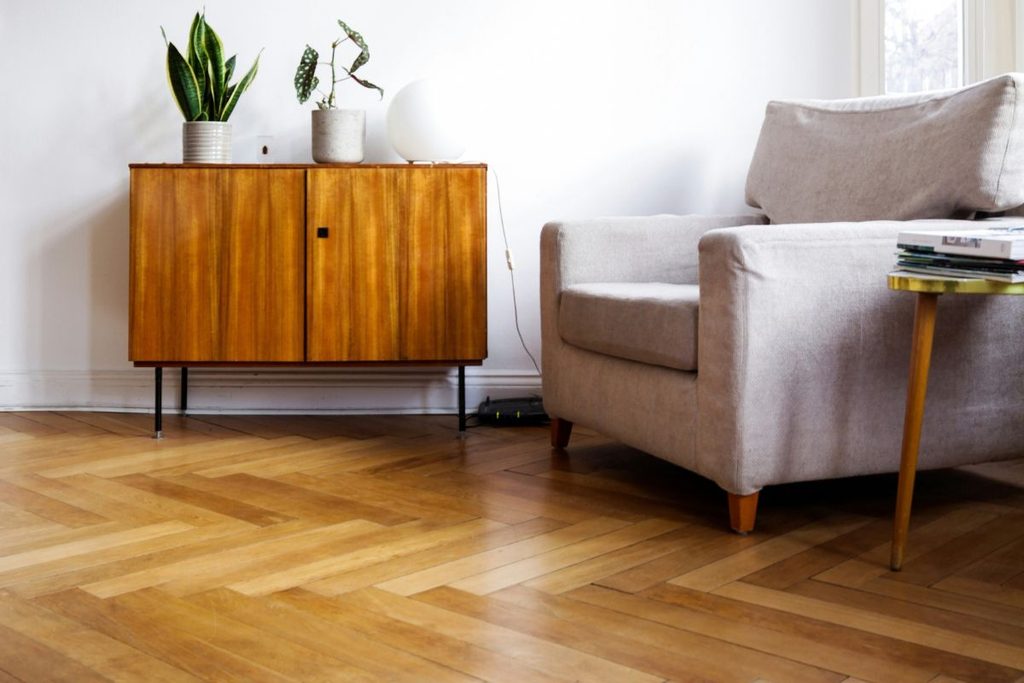
When you’re renovating, try to think about a product’s whole journey. Engineered wood, for example, gives you that classic timber look but often uses a more sustainable, fast-growing wood for its inner layers. Finding a good wood flooring sale can make this tough and eco-friendly option even easier to get your hands on. The same idea goes for everything, from paint (low-VOC options are best) to insulation made from recycled paper or sheep’s wool. Even your décor can make a difference when you go for sustainable living home décor.
Reducing Energy Consumption at Home
How much energy your home uses is a big part of its environmental impact. Luckily, there are tons of practical things you can do to use less without feeling uncomfortable. Good insulation is your first line of defence, stopping heat from escaping in winter and keeping your home cool in summer. Make sure to check your loft, walls, and floors for proper insulation.

Beyond insulation, upgrading to energy-efficient appliances can make a huge difference. When it’s time to replace something, look for appliances with high energy-efficiency ratings. Simple everyday habits also add up:
- Swap to LED light bulbs; they use up to 80% less energy than old-fashioned ones.
- Get a smart thermostat to fine-tune your heating and cooling schedule.
- Unplug electronics when you’re not using them, as many still sip power even when off.
- Seal up any draughts around windows and doors to stop energy from leaking out.
Embracing Durability and Longevity
In a world full of quick trends and throwaway items, choosing durability is a truly radical act of sustainable living. The idea of “buy it once, buy it well” directly pushes back against the throwaway culture that fills up our landfills. Instead of picking cheap, mass-produced furniture that might only last a few years, think about investing in well-made pieces built to last.
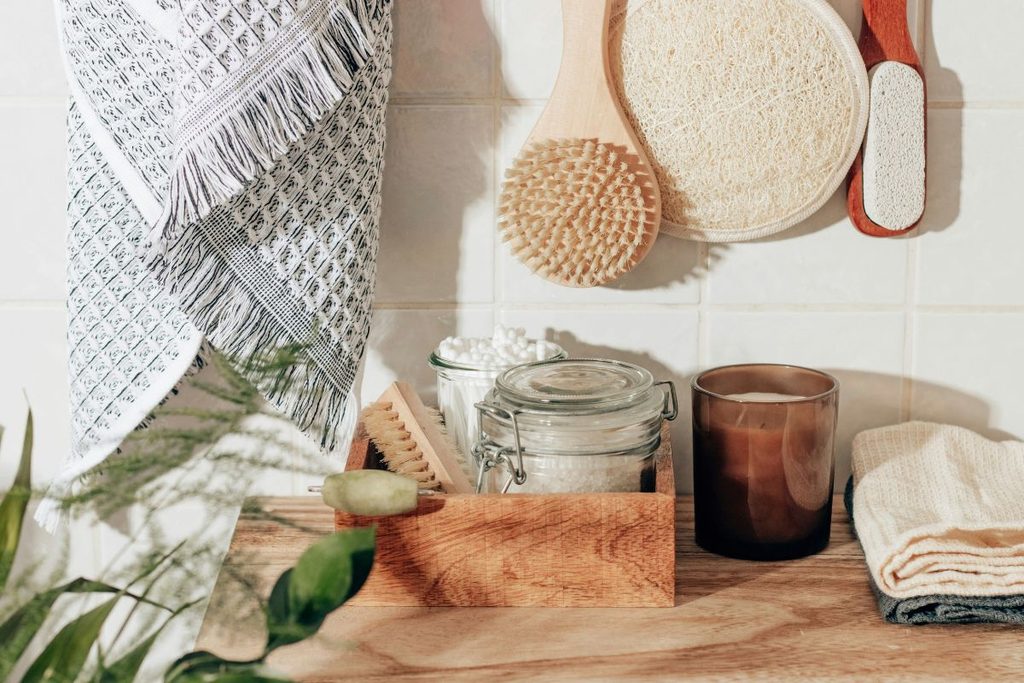
This goes for every part of your home, from your kitchenware to your building materials. A durable, well-installed floor, for instance, will outlast cheaper options many times over, saving you money and resources in the long run. Embracing longevity means you’ll be replacing things less often, which cuts down on waste and all the environmental costs that come with making and shipping new stuff. It’s about appreciating good craftsmanship, quality materials, and timeless design over passing fads.
Ultimately, creating a sustainable home is an ongoing journey of making thoughtful choices. Every little step, from choosing a lasting material to flicking off a light, adds up to a bigger, positive impact on both your own well-being and the planet’s health.
Images courtesy of unsplash.com and pexels.com.