Buying a coastal property is a lucrative opportunity. First, coastal properties always perform well on the market. Second, they make perfect sense when you picture slow mornings, salty air and a short walk to the beach. But these investments aren’t entirely problem-free. The trouble is that the view from the balcony doesn’t tell you what the property will cost to maintain.
Depending on where you want to buy your coastal property, it doesn’t tell you how it handles a severe storm or whether you can renovate it later. These questions won’t keep you in the dark for long.
What Happens To This Property When The Weather Turns Ugly?

This is by far one of the most important questions. Ask how the property has performed during previous storms. What happens during unusually high tides? Do periods of heavy rainfall have any effect on the property? Has water ever entered the garage? You need to know these things. If the seller says there’s never been a problem, ask whether they’ve owned it long enough to know.
You should also check official flood mapping. This might seem like too much, but you want to be thorough, so you should look into coastal erosion information and any available history of storm damage as well. Don’t assume a house is safe.
How Much Will The Sea Air Cost Me Each Year?
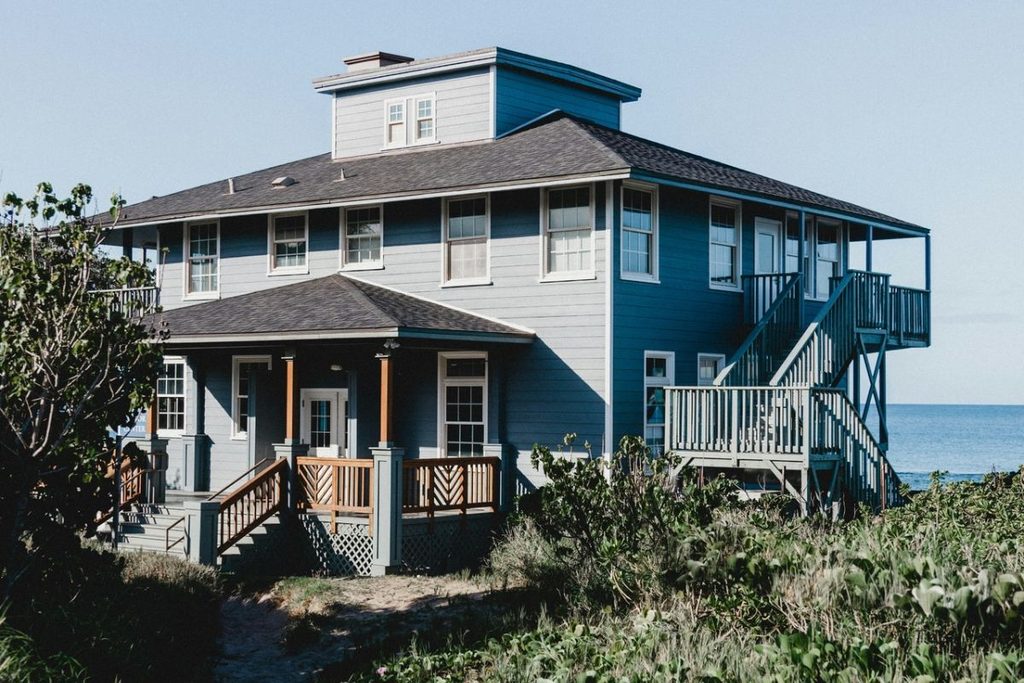
Salt in the air sounds lovely. But unfortunately, the sea salt that we all adore tends to explore the parts of a home you’d rather not think about. Metal fixtures, balcony railings, and window hardware are all affected by the salt. The same goes for outdoor air-conditioning units and exposed fasteners. All of these will likely deteriorate faster in coastal conditions.
This is why you need to invest in inspection. A building inspection should pay attention to exposed materials and waterproofing, roof fixings and balconies. You should also ask whether the property has a documented maintenance history. This will tell you about what to expect in the future.
What Do People Who Live Here Know That Visitors Don’t?
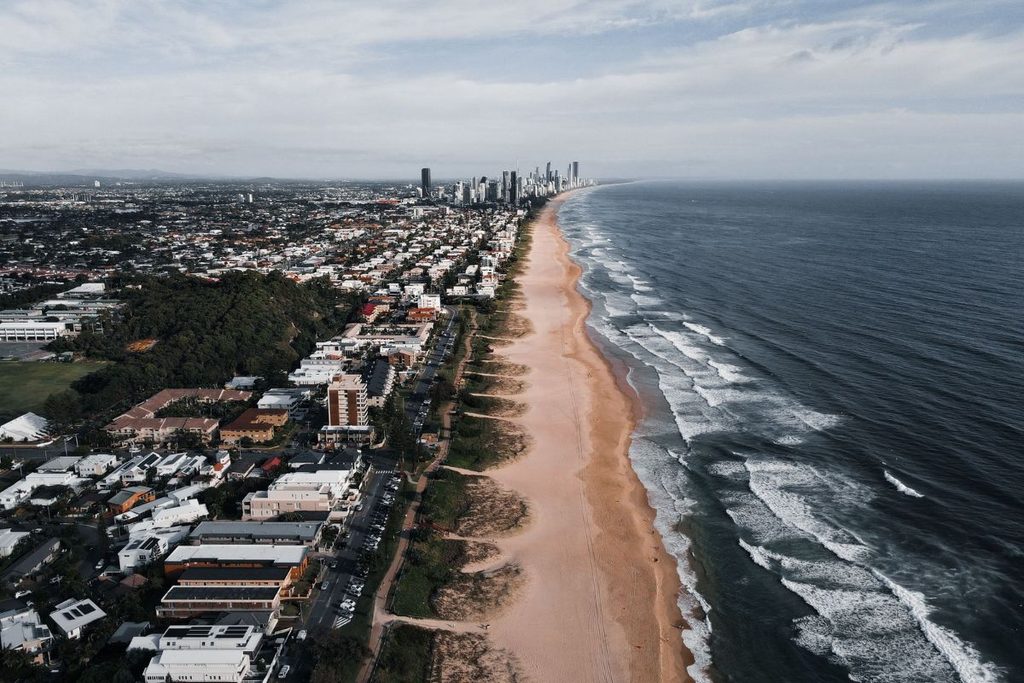
A coastal town usually doesn’t look the same throughout the year. Most towns don’t but it hits differently when your precious beach turns into a vast space of nothing but pebbles surrounded by fog and an endless amount of greyish water. If you’re planning to live there permanently, find out what daily life looks like once the holiday crowds disappear. How do people handle the weather? Some services may operate reduced hours, while others may be much busier during the summer months.
Nothing replaces local knowledge here. You could speak with residents, visit at different times of day and consult local property professionals who understand the area’s less obvious drawbacks. And stick to local folks. If you’re interested in Byron Bay, talk to Byron Bay real estate agents. Treat their insight as a starting point, then verify important claims independently.
Has The Insurance Company Agreed To Cover This Address?
Don’t leave insurance until the week before settlement date. You will regret it. Ask insurers for quotes using the property’s exact address. Provide all the construction details and intended use. Find out whether flood cover is included. Determine whether storm surge is treated differently because that is vital information.
You should also check whether the premium is affordable beyond the first year. A low introductory quote won’t help much if the renewal cost becomes difficult to manage. If you intend to rent the property to holidaymakers, ask about the cover required for that arrangement.
What Must Be Resolved Before I Become Legally Committed?

Before you sign, you must request that your conveyancer clarify the terms of the contract. They should explain the deadlines and potential consequences in plain language. You need to know what you’re getting into and if there are any hidden or suspicious clauses that could hurt you later.
Verify if the agreement provides time for building and pest inspections since those are important. Does the document contain clauses related to financial approval or any other necessary checks? It’s essential to clearly understand when the conditions outlined in the contract must be fulfilled. Don’t assume you can back out without facing repercussions, because you can’t.
Conclusion
A coastal property can be tricky. It can charm you, and you might invest in the wrong one. But that happens only if you aren’t thorough. If you give your best to understand what you’re getting yourself into, you will sign the deal like a winner, and not someone who will feel the consequences later.
Images courtesy of unsplash.com and pexels.com