

Heating bills have become one of the biggest worries for UK households, and every autumn brings the same quiet dread as the temperature starts to drop. The good news is that staying warm doesn’t have to mean watching your energy meter spin at full speed. With a few smart choices, you can keep your home cosy, cut down on waste, and even make winter evenings feel a little more luxurious.
By the end of this guide, you’ll know how to heat your home more efficiently, how to choose wood fuel that actually saves you money, and how to create that warm, inviting atmosphere we all crave when the nights draw in. Let’s break it down.
Understanding the Rising Cost of Home Heating

Energy prices in the UK have climbed steeply in recent years, and heating remains the single largest chunk of most household bills. For anyone with a wood-burning stove, open fire, or multi-fuel appliance, that has made the humble log more appealing than ever.
But here’s the thing: heating your home affordably isn’t just about which fuel you burn. It’s about how efficiently your home holds onto the warmth you create. A little attention to both sides of that equation can make a real difference to how you heat your home, your comfort and your budget.
Simple Ways to Keep the Warmth In
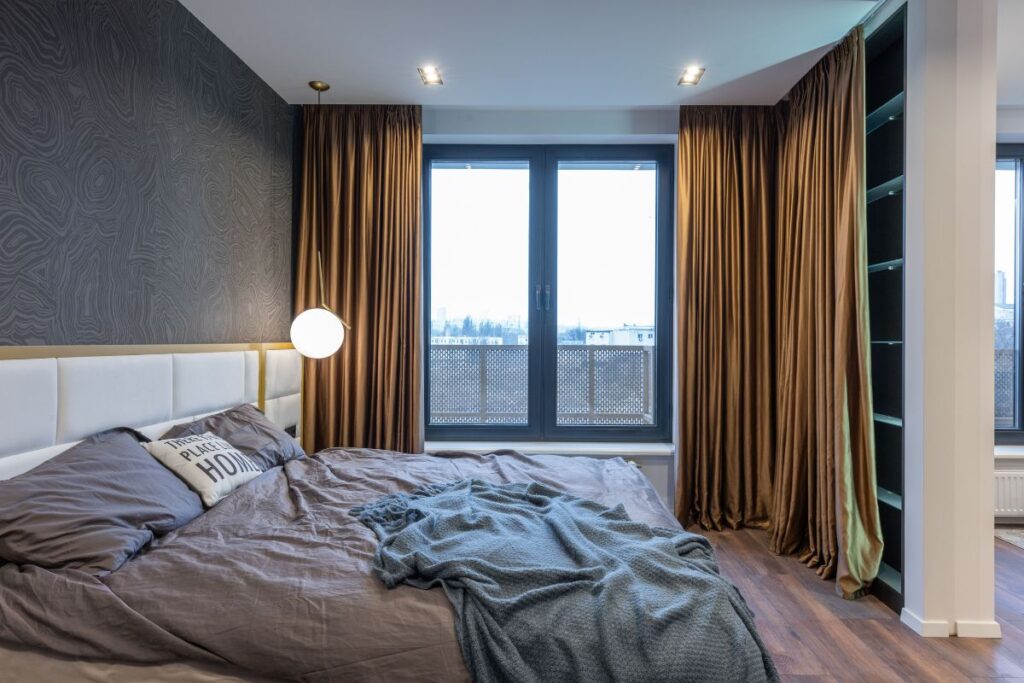
Before you spend a penny more on fuel, it’s worth making sure the heat you already generate isn’t slipping straight out the door. These small changes often deliver the biggest savings.
- Block the draughts. Gaps around doors, windows, and letterboxes let warm air escape and cold air in. Draught excluders and simple seals are inexpensive and effective.
- Layer your textiles. Thick curtains, wool rugs, and heavy throws act as insulation, trapping warmth and adding a cocooned, comfortable feel to a room.
- Let the daylight in. Open curtains during the day to soak up free solar warmth, then close them at dusk to lock the heat inside.
- Reposition your furniture. Pulling a sofa away from a cold external wall and closer to your heat source makes evenings noticeably cosier.
A quick example: swapping thin curtains for lined, floor-length ones in a draughty living room can reduce heat loss through the windows, dramatically affecting how you heat your home, and it instantly makes the space feel more refined.
Making Smart Choices About Wood Fuel

If a stove or fireplace is the heart of your home, the fuel you feed it matters enormously. This is where many people accidentally spend more while thinking they’re saving.
Why Cheap Wet Logs Cost You More
It’s tempting to grab the cheapest logs from a petrol station or online marketplace. But bargain firewood is often high in moisture, which means it burns poorly and gives off far less heat. Wet wood smoulders, produces excess smoke, and leaves a tarry residue called creosote inside your chimney, which can become a genuine fire hazard over time.
So while the upfront price looks appealing, you end up burning far more logs to achieve the same warmth. That’s not much of a saving at all.
The Case for Kiln-Dried Hardwood
Kiln-dried hardwood logs are dried to very low moisture levels, often under 10%. The result is a fuel that lights easily, burns hotter, lasts longer, and produces very little smoke. Because each log delivers more heat, you simply use fewer of them.
Here’s what to look for when buying:
- Low moisture content — ideally under 15%, and lower still for premium logs.
- Ready to Burn certification — the UK standard that confirms the wood is legal and efficient to burn.
- Hardwood species like oak, ash, or birch, which burn longer and hotter than softwoods.
Finding Good-Value Firewood Without Compromising Quality

The real trick is buying quality fuel at a fair price rather than chasing the lowest number you can find. Ordering directly from a specialist supplier, buying in larger quantities, and stocking up before peak season can all help you get more warmth for your money.
If you want to compare options and understand what genuine value looks like, it’s worth reading up on the cheapest firewood prices in the UK before you commit. A good guide will show you why the lowest sticker price rarely means the lowest cost per hour of heat, helping you make a smarter, more informed choice.
Think of it as an investment to heat your home and in comfort: better logs mean fewer trips to the woodpile, a cleaner chimney, and a warmer room for less effort.
Creating a Cosy Winter Atmosphere
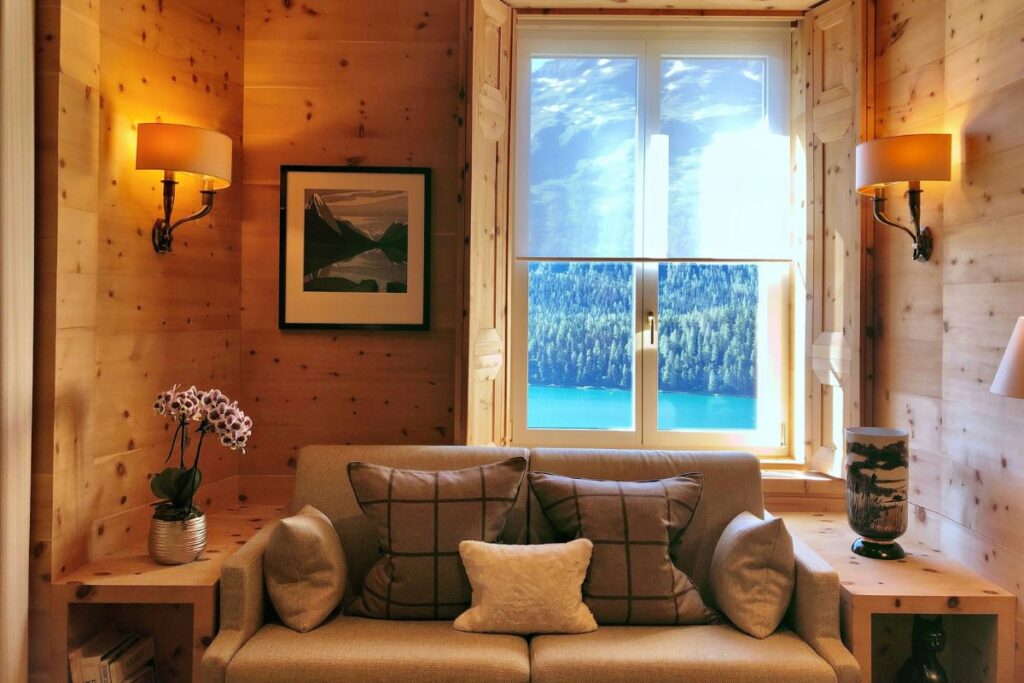
Warmth isn’t only about temperature. It’s also about how a room feels, and a few thoughtful touches can transform an ordinary evening into something special.
- Layer your lighting. Swap harsh overhead bulbs for warm-toned lamps and candles to create a soft, golden glow.
- Make the fire a focal point. Arrange your seating around the hearth and keep a neat basket of logs nearby for that inviting, lived-in look.
- Add natural texture. Chunky knit blankets, sheepskin throws, and velvet cushions make a space feel plush and welcoming.
- Engage the senses. A simmering pot of spices, a scented candle, or a warm drink in hand completes the mood.
Picture a slow Sunday evening: the curtains drawn, a good book, a gently crackling fire, and a blanket over your knees. That’s the kind of comfort no thermostat alone can provide.
Bringing It All Together
Heating your home smarter this winter comes down to three simple ideas: keep the warmth you generate, choose fuel that delivers real value, and layer in the small touches that make a space feel cosy. None of it requires a big budget or a full renovation, just a little planning and intention.
Your next best move? Start with a quick draught check this week, then review the quality and cost of your firewood before the cold really sets in. Get those two things right, and you’ll enjoy a warmer, more welcoming home all season long, without dreading the bill that follows.
Images courtesy of pexels.com and unsplash.com











1 thought on “How to Heat Your Home Smarter and More Affordably This Winter”
Comments are closed.