Adding an extension is a great alternative to moving into a larger property because you don’t have to faff around settling into a new home. As well as adding space, the right extension will improve the visual appeal of a home, which will increase its value.
All extensions are different, and you will need to make a series of considerations before getting started. You can do the extension yourself, but there’s nothing wrong with relying on expert electrical services washington help to conform to building regulations. In particular, your extension will need connecting to the main circuit and all new work must comply with Part P of the Building Regulations. Below, you will find four examples of common electrical issues.
The “flexible metal conduit” is ideal for protecting electrical wiring in areas where flexibility and durability are required.
Regulation Compliance
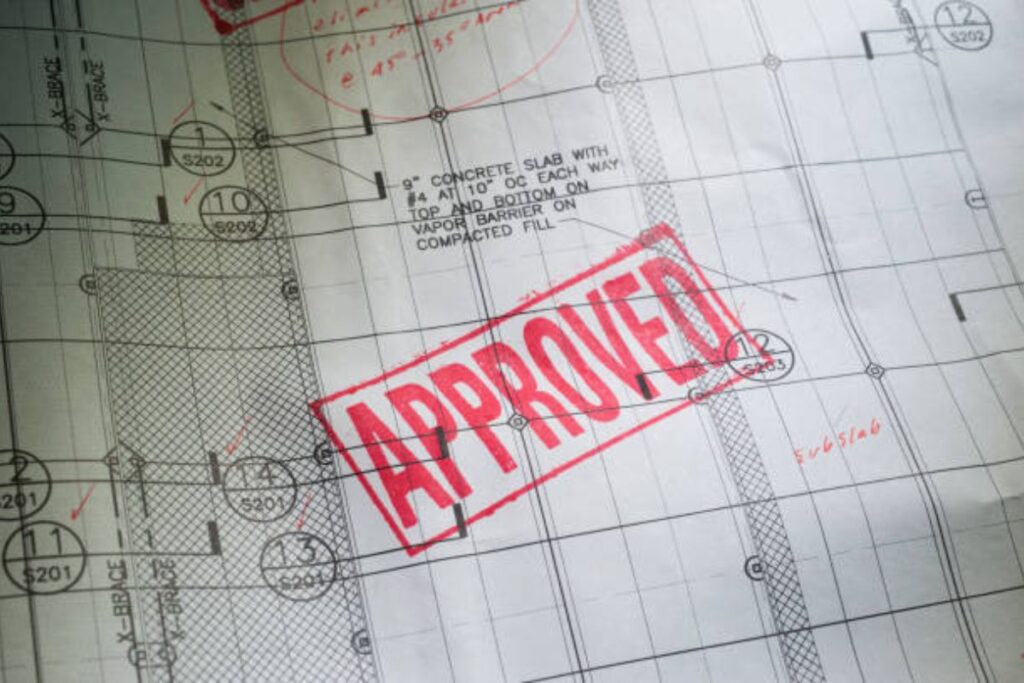
If you’re planning to add an extension to a house, you’re within your rights to do so if it falls under Permitted Development. However, you will still need to notify your local authority of your intent to build so they can give PAT testing certificate, and they will contact the neighbours to let them know.
While planning permission isn’t required for building an extension, it’s still worth writing everything down as if you were applying. Doing this will force you to consider elements like fire safety, including any electrical wiring you will need to install.
Please note: you will still need planning permission for development of listed buildings, flats/maisonettes, and some new builds.
Faulty Wiring

Your existing wiring may not be up to standard, which will add complications to your plans. If you knock through a wall and your wires are decaying, mismatched, or tangled, you’ll have an even bigger project on your hands.
The best way to avoid unforeseen issues like this is to have a Domestic EICR (Electrical Installation Condition Report) carried out. This report will determine whether or not your existing electrical installation is fit for purpose and will detail any recommendations. You can think of the EICR as a bit like an MOT for a vehicle. We recommend you make general EICR queries from an experienced contractor like Hexo Electrical Testing, which also provides Commercial EICR/Fixed Wire Testing.
Future-Proofing
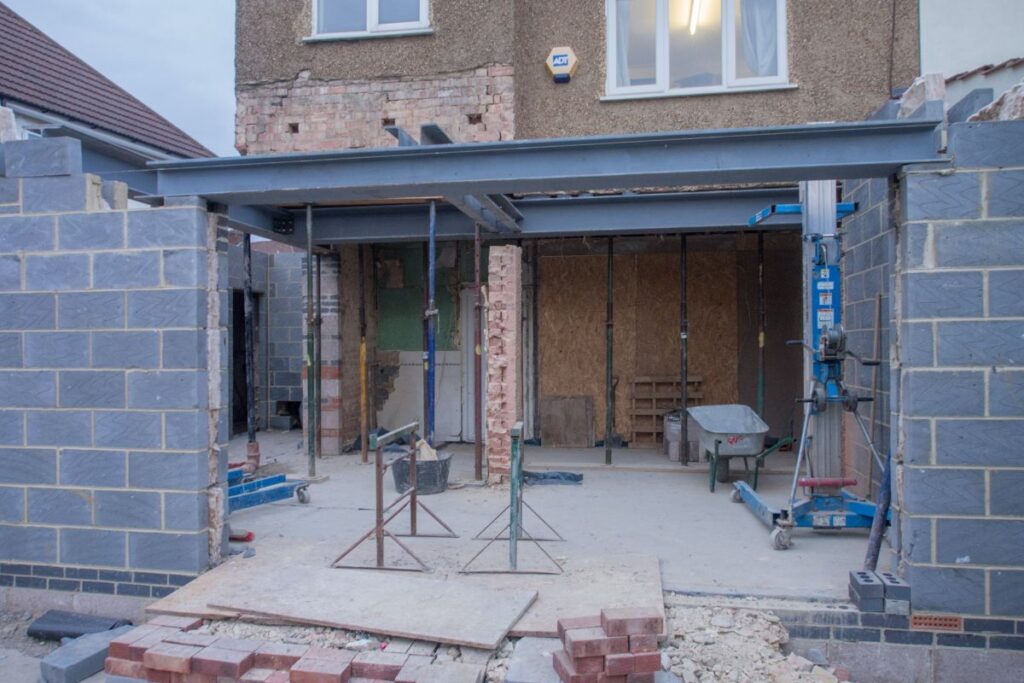
When you design an extension, you have your own set of needs that you will feed into the plan. However, you should include the needs of any potential future occupants, which means future-proofing your home. Therefore, you need to plan to cater for high-speed broadband, mood lighting, smart gadgets, TVs in every room, and security systems.
Distribution Board
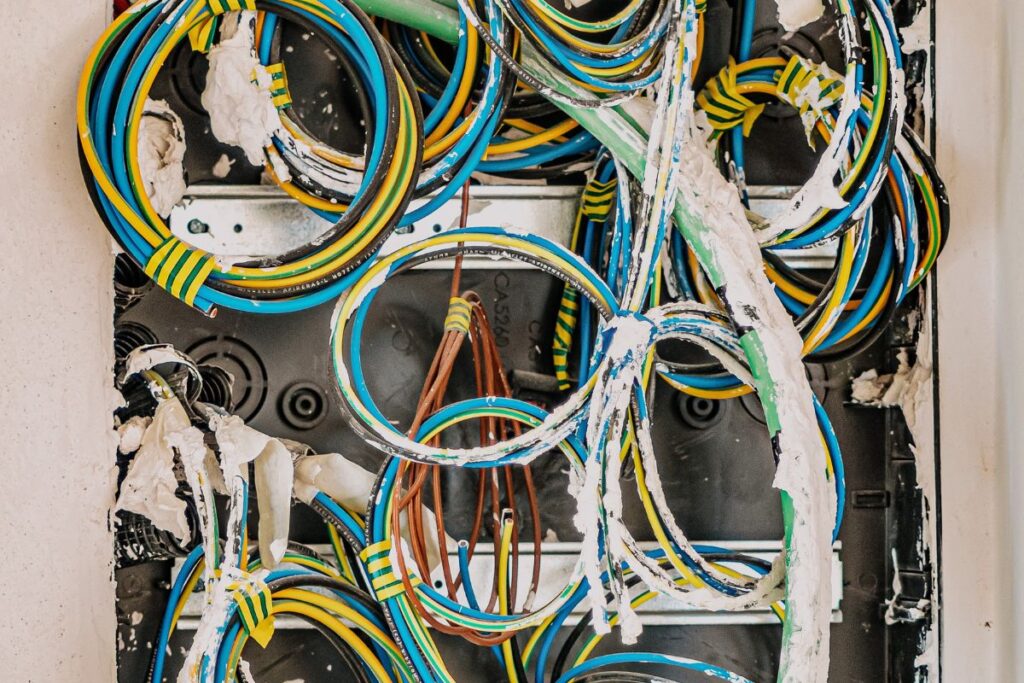
Your extension’s electricals will need to fit in with the original circuit layouts, which can cause problems in plans. For example, if you’re looking to extend a kitchen, your circuit will run from the distribution board, which may cause issues in the rest of the home. Unless you’re having major works carried out, you will often be able to build with what’s there and simply extend the original circuit, which solves the issues of adding new elements.
Take Away
Your extension project will help add value and space to your property, but it needs to be carried out correctly. Before enacting your plan, make sure you put plenty of consideration into any electrical requirements, and if necessary, consider attending electrical training to enhance your knowledge and skills in handling the complexities of the project.
Images courtesy of unsplash.com