People must understand that hearing check ups support health but often neglect them until issues become apparent. Hearing examinations provide confirmation and comfort for those who have noticed minor differences or seek mental assurance.
Early detection through having your hearing checked enables people to manage their health before small problems turn into big ones.
Spotting Hearing Loss Early Saves More Than Just Your Ears
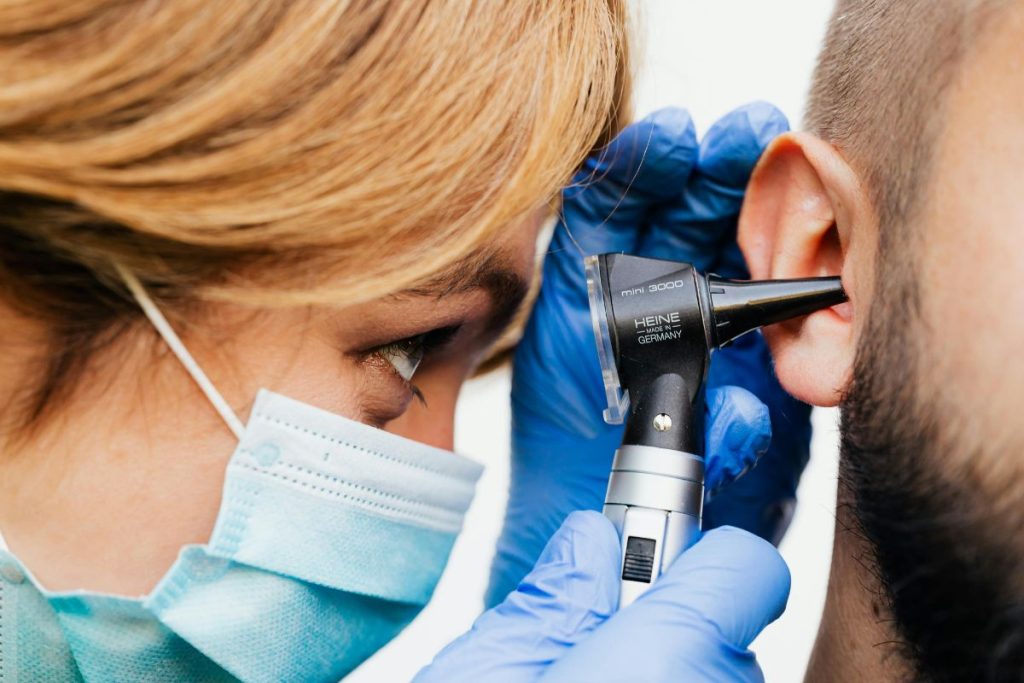
Early diagnosis of hearing loss allows for simpler management using appropriate treatment and lifestyle modifications. Many people delay hearing tests until they find their symptoms disrupting daily activities, although substantial hearing damage might already be present. A hearing aid doctor who meets professional standards delivers accurate assessments and personalized recommendations tailored to your unique requirements. Experts employ sophisticated instruments that identify early indicators that conventional screenings often overlook. Overlooking minor auditory signals can create challenges during social interactions at work and impact personal safety. Early hearing tests lead to improved auditory health results while protecting your general health.
Undiagnosed Hearing Loss Can Impact Mental Health
Studies demonstrate that untreated hearing loss leads to increased depression and anxiety rates as well as social isolation. The exhaustion and frustration from trying to understand conversations lead to this condition. People experience loneliness and emotional distress after they begin to avoid social interactions as time passes. A Johns Hopkins study found that minor hearing loss leads to twice the risk of developing dementia, which creates substantial problems with cognitive decline. Routine hearing examinations are an uncomplicated yet effective measure to preserve emotional stability and brain function. Hearing problems that are not addressed lead to deteriorating mental health conditions.
Your Ears Could Be Warning You About Other Health Issues
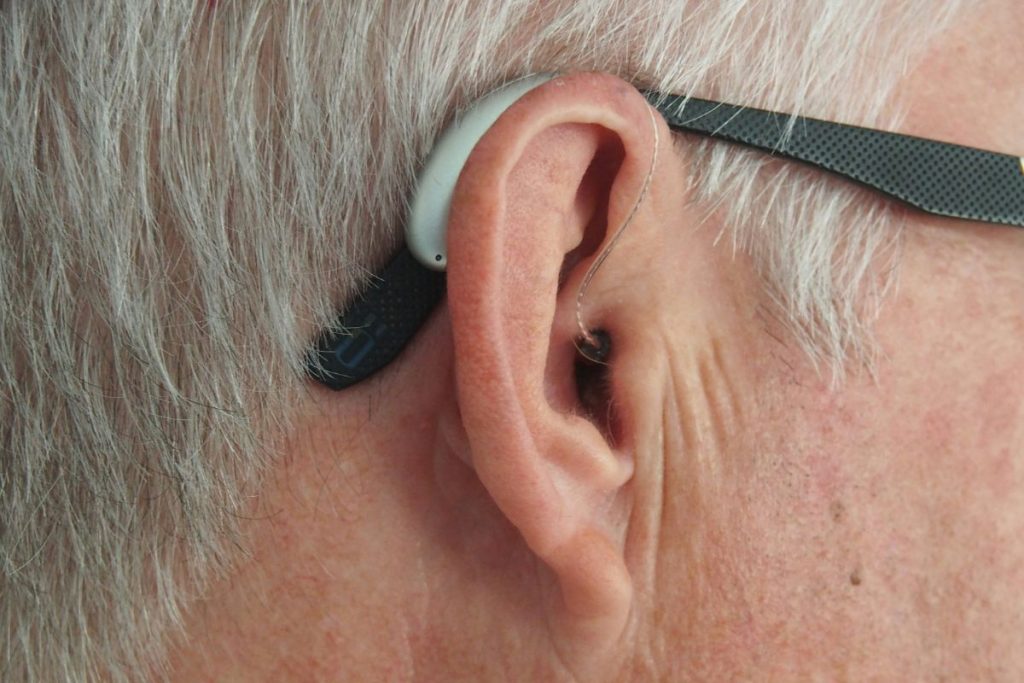
Hearing impairment may signal the onset of more complex health concerns. Auditory decline frequently correlates with conditions such as diabetes and cardiovascular disease, along with high blood pressure. The inner ear responds acutely to blood flow changes, which can disrupt its function without creating visible symptoms. Certain medications can lead to hearing loss through their side effects, while infections and tumours also cause auditory decline. Audiologists specialize in identifying patterns that indicate underlying health problems, which helps you take action early. Hearing evaluations serve as essential preventive healthcare measures.
Hearing Tests Improve Your Communication and Relationships
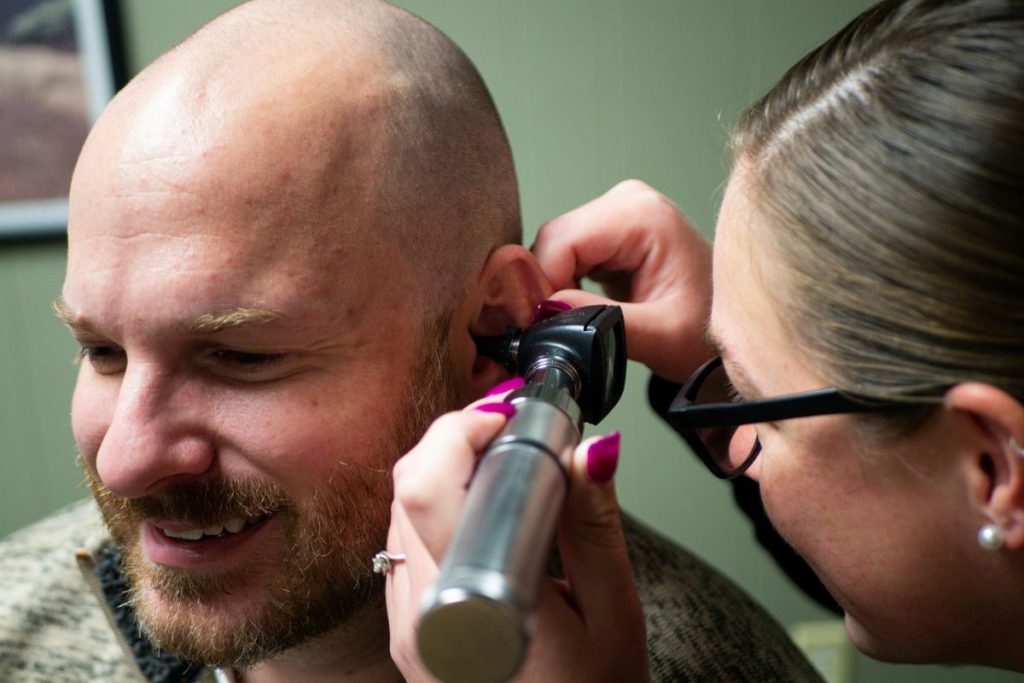
The foundation of any relationship depends on clear and effective communication, which hearing loss frequently puts under stress—struggling to hear leads to frequent misunderstandings. At the same time, conversations become something people tend to avoid. People experience frustration while their strongest connections begin to weaken as a result. Regular hearing examinations maintain communication that stays clear and effortless between people. You can restore comfortable conversation abilities through different auditory checkups and treatments if a hearing decline becomes evident. Good hearing supports meaningful interactions across all environments, including workspaces and social gatherings.
Maintaining hearing health stands alongside vision care, dental health, and heart care. Treat your hearing care with the same importance as your other essential health needs. A simple test to have your hearing checked could make all the difference in staying connected to the world around you. It’s vital to seek treatment before hearing symptoms reach severe levels.
Images courtesy of unsplash.com and pexels.com