The stigma surrounding drug addiction often leads people to suffer in silence. Many who struggle with substance use disorders delay or avoid seeking help because they fear judgment, isolation, or being perceived as weak. Yet the truth is the opposite: acknowledging a problem and taking steps to address it is one of the bravest and most empowering decisions a person can make.
Addiction is not a character flaw or a moral failing. It is a complex health issue that affects the brain, behaviour, and body. Like any chronic illness, it requires treatment, support, and long-term care. Seeking help is not an admission of defeat; it’s a proactive move toward reclaiming health, stability, and self-worth. Understanding addiction’s nature and breaking down the misconceptions associated with treatment can help more people access the life-changing support they deserve.
Addiction Is a Health Condition, Not a Choice
For decades, society framed addiction as a result of poor decision-making or lack of willpower. Neuroscience and clinical research have shown that addiction is a disease. It alters the brain’s chemistry, particularly areas related to reward, decision-making, and self-control. Over time, substance use rewires neural pathways, making it incredibly difficult to stop without medical and psychological intervention.

Genetics, trauma, mental health conditions, and environmental factors all contribute to a person’s susceptibility to addiction. Just as no one chooses to develop diabetes or depression, no one chooses to develop a substance use disorder. Recovery begins when we stop blaming and start supporting those who are ready to take a healthier path. Whether it’s rehabclinic.org.uk or another trusted recovery centre, reaching out for professional help is a sign of strength and self-awareness, not weakness. Whether the journey starts with a hospital visit, a heart-to-heart with family, or an online search for treatment options, taking that first step shows remarkable courage.
The Myth of “Doing It Alone”
Another common misconception is that the “strong” thing to do is to overcome addiction without help. Some people believe that true recovery must happen in isolation, through sheer determination and discipline. But the reality is that addiction recovery is rarely successful without support.
Trying to quit cold turkey can be dangerous and even life-threatening, depending on the substance and duration of use. Medical supervision is often necessary to manage withdrawal symptoms safely and to monitor for complications. Without addressing the underlying psychological and emotional issues, relapse becomes highly likely.
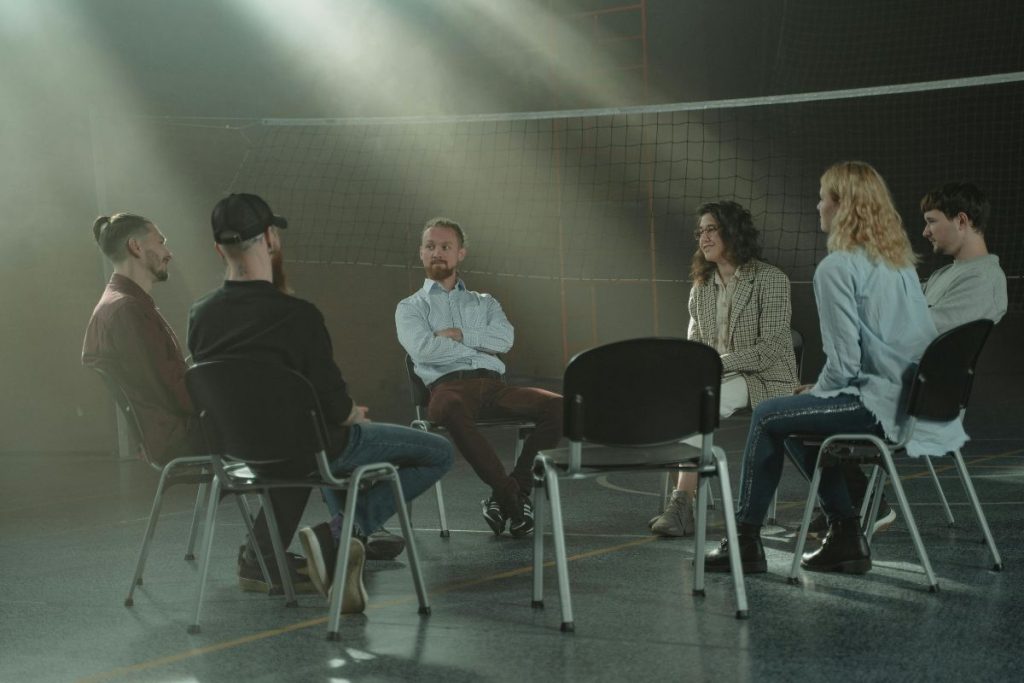
Recovery is not a one-person battle. It involves a community, therapists, medical professionals, support groups, and loved ones, working together to create an environment conducive to healing. Leaning on others is not a weakness; it’s a reflection of our shared humanity and our need for connection.
Seeking Help Is a Step Toward Regaining Control
Addiction often brings chaos, strained relationships, financial trouble, legal issues, and declining physical and mental health. For many, it feels as though the substance is in control, dictating behaviour and decisions.

Seeking treatment helps individuals take back control of their lives. Structured recovery programs offer tools for managing cravings, building healthier habits, and understanding the root causes of substance use. Therapy sessions provide safe spaces to explore trauma, learn coping mechanisms, and rebuild self-esteem.
As progress is made, individuals often discover a renewed sense of purpose. They’re able to mend relationships, pursue careers or education, and reclaim goals that were once pushed aside. Far from being weak, asking for help is an active decision to change, and that is a powerful demonstration of inner strength.
Healing Requires Support, Not Shame
Shame is one of the most destructive emotions associated with addiction. Many individuals internalize the belief that they are broken, unworthy, or beyond help. This shame can be perpetuated by societal attitudes, family dynamics, or previous negative experiences with treatment.

Healing requires self-compassion and community understanding. When people are met with empathy instead of judgment, they are more likely to seek and stick with treatment. Supportive environments empower individuals to see their value and potential beyond their addiction.
Public health campaigns and mental health advocacy have made progress in reducing stigma, but there’s still work to be done. Talking openly about recovery, celebrating milestones, and sharing stories of resilience can help change the narrative around addiction and save lives in the process.
The Bravery of Starting Over
Starting over is never easy. It means leaving behind comfort zones, facing uncomfortable truths, and stepping into unfamiliar routines. For those recovering from addiction, it often means confronting years of pain, rebuilding trust, and learning to live without a substance that once provided escape or relief.

This process requires determination, vulnerability, and immense strength. Every therapy session attended, every craving resisted, and every honest conversation held is a testament to that strength. Seeking help isn’t about weakness, it’s about being brave enough to begin again.
Addiction recovery is not a sign of weakness. It is a choice to fight for your life, your future, and your peace of mind. It takes strength to admit you need help. It takes courage to ask for it. And it takes resilience to keep going when the road is hard.
If you or someone you love is struggling with substance use, know that help is available and recovery is possible. No one should have to walk this path alone, and no one should ever feel ashamed for choosing to heal.
Images courtesy of unsplash.com and pexels.com