Feeling overwhelmed by anxiety and struggling to maintain mental well-being? You’re not alone. Many individuals face the constant challenge of balancing life’s demands with their mental health needs. However, prioritizing self-care can empower individuals in this struggle.
By intentionally nurturing your mind, body, and soul, you can equip yourself with powerful tools to manage anxiety and cultivate a sense of inner peace. This guide explores actionable strategies empowering individuals to take control of their well-being.
Establishing routines tailored to your needs, incorporating mindfulness practices, engaging in physical activity, optimizing nutrition and sleep, fostering social connections, and setting boundaries are practical steps explored in this article. These steps can transform your approach to self-care and open up a path to greater mental wellness.
1. Establishing a Routine Tailored to Personal Needs
The foundation of a healthy self-care practice lies in creating a routine that caters to your unique needs and preferences. A well-structured routine provides a sense of stability and balance, allowing you to allocate time for both responsibilities and relaxation.
Begin by identifying your priorities and incorporating activities that bring you joy and fulfilment. Effective routines should include physical exercise to boost endorphins, engaging hobbies to stimulate creativity and passion, and dedicated time for rest and relaxation to recharge your batteries.
Personalize your routine to align with your natural rhythms, energy levels, and lifestyle demands. Consistency is key, but remember to allow flexibility for spontaneity and adaptation as individual needs evolve over time.
Managing Medications as Part of Your Routine:
As you tailor your daily activities, it’s equally important to manage medications wisely. Being aware of the potential risks of prescription drugs addiction is critical. Strict adherence to your healthcare provider’s advice can safeguard against dependency risks, ensuring that your routine enhances your overall well-being without compromising your health.
2. Mindfulness and Meditation Techniques
Mindfulness and meditation practices have been scientifically proven to reduce symptoms of anxiety and enhance overall mental health. These techniques help cultivate present-moment awareness, allowing you to observe your thoughts and emotions without judgment.
To begin incorporating mindfulness into your daily life, try the following:
- Guided Meditations: Start with short, beginner-friendly guided meditations available online or through apps.
- Mindful Moments: Practice mindfulness during routine activities, such as eating, walking, or brushing your teeth, by bringing your full attention to the present moment.
- Breath Awareness: Take a few minutes throughout the day to focus on your breath, allowing it to anchor you in the present.
Regular mindfulness practice can help you develop a greater sense of calm, clarity, and emotional resilience, ultimately supporting your journey towards better anxiety management.
3. The Role of Physical Activity in Mental Health
Physical activity is a potent ally in the journey toward mental wellness. Regular exercise not only benefits physical health but also plays a crucial role in managing anxiety and improving overall mood. The release of endorphins, often referred to as the body’s natural “feel-good” chemicals, can provide a powerful boost to your emotional state.
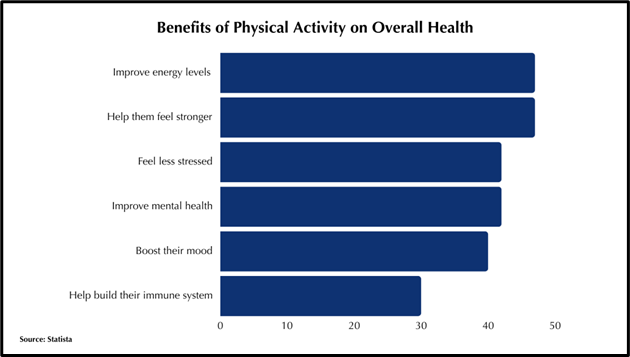
Incorporating a variety of physical activities into your weekly routine can keep your workouts engaging and prevent burnout. Low-intensity exercises like walking, swimming, or gentle yoga can help reduce stress and promote relaxation.
Moderate-intensity activities like cycling, dancing, or strength training can boost endorphins while improving cardiovascular health. For those seeking an adrenaline rush, high-intensity exercises like running, HIIT workouts, or sports can challenge your body and release a surge of mood-enhancing endorphins.
4. Nutritional Strategies to Support Mental Wellness
The connection between diet and mental health is undeniable, and nourishing your body with the right nutrients can play a vital role in managing anxiety and supporting overall well-being. Incorporate omega-3 fatty acids, found in fatty fish like salmon, walnuts, and flaxseeds, into your diet.
These healthy fats support brain function and reduce inflammation, which can contribute to anxiety and depression. Additionally, ensure you’re getting enough of the vitamin B complex, particularly B12 and folate, as they contribute to the production of neurotransmitters that regulate mood.
Magnesium, found in leafy greens, nuts, and whole grains, can also help regulate stress hormones and promote relaxation. Simple dietary changes, such as meal planning and increasing your intake of these beneficial nutrients, can have a profound impact on your mental resilience and ability to manage anxiety.
5. Importance of Sleep Hygiene
Quality sleep is a cornerstone of both physical and mental well-being, and poor sleep hygiene can exacerbate symptoms of anxiety and impair cognitive function. Establishing good sleep habits is crucial for managing anxiety and promoting overall resilience.
Start by creating a sleep-friendly environment by ensuring your bedroom is cool, dark, and quiet, and reserve it solely for sleep and intimacy. Establish a consistent sleep routine by going to bed and waking up at the same time each day, even on weekends, to regulate your body’s natural sleep-wake cycle.
Limit your exposure to blue light from screens at least an hour before bedtime, as it can disrupt your circadian rhythms and make it harder to fall asleep. Finally, practice relaxation techniques like reading, taking a warm bath, or engaging in deep breathing exercises before bed to calm your mind and prepare your body for restful slumber.
6. Social Connections and Support Systems

While self-care practices are essential, social connections and support systems play a vital role in managing anxiety and promoting mental wellness. Strong relationships can provide a sense of belonging, validation, and a buffer against stress.
Nurture your relationships by:
- Making Time for Loved Ones: Schedule regular catch-ups, whether in person or virtually, to maintain meaningful connections.
- Joining Support Groups: Connecting with others who share similar experiences can offer a sense of understanding and solidarity.
- Seeking Professional Help: Don’t hesitate to seek guidance from a mental health professional when needed, as they can provide valuable support and coping strategies.
Remember, asking for help and leaning on your support system is a sign of strength, not weakness.
7. Setting Boundaries and Learning to Say No
While self-care practices are essential, it’s equally important to set healthy boundaries and learn to say no when necessary. Overcommitting and stretching yourself too thin can lead to increased stress, burnout, and ultimately, heightened anxiety levels.
Start by identifying your personal limits and priorities, and be mindful of activities or commitments that may compromise your well-being. Communicate your boundaries clearly and respectfully, both in personal and professional settings and don’t be afraid to decline requests or opportunities that don’t align with your values or capacity.
Remember, saying no is not a sign of weakness; it’s a proactive step to protect your mental health and maintain a sense of balance. By setting appropriate boundaries, you create space for self-care, prevent overwhelm, and ensure that you’re devoting your energy to the things that truly matter most.
Self-Care Activities for Managing Anxiety
| Activity | Benefits | Frequency |
| Mindfulness Meditation | Reduces stress, improves focus | Daily (10-20 minutes) |
| Physical Exercise | Boosts mood, releases endorphins | 3-5 times per week |
| Healthy Eating | Supports brain function, regulates mood | Ongoing |
| Quality Sleep | Enhances cognitive function, regulates emotions | Nightly (7-9 hours) |
| Social Connections | Provides emotional support, and a sense of belonging | Weekly |
| Setting Boundaries | Prevents burnout, reduces stress | As needed |
Conclusion
Prioritizing self-care is a journey, not a destination. By incorporating the strategies outlined in this guide, you’re taking proactive steps toward reclaiming your mental well-being and effectively managing anxiety. Remember, progress may be gradual, but with unwavering commitment and self-compassion, you can cultivate the resilience to navigate life’s challenges and thrive in every aspect of your being.
Frequently Asked Questions
- How can I incorporate self-care into my busy schedule?
Start small by scheduling dedicated time for activities that rejuvenate you, even if it’s just 15-30 minutes per day. Prioritize self-care like any other important commitment.
- Can mindfulness and meditation really help with anxiety?
Absolutely! Mindfulness and meditation have been scientifically proven to reduce anxiety symptoms by promoting present-moment awareness and regulating the body’s stress response.
- Does better sleep actually improve anxiety?
Yes, quality sleep is crucial for mental health. Poor sleep can exacerbate anxiety symptoms, while good sleep hygiene can improve mood regulation and cognitive function.
Images courtesy of unsplash.com and pexels.com. Feature image supplied