Noticing a change in someone we love isn’t always straightforward. It might be a passing comment, a skipped dinner, or a feeling that something’s just a little “off.”
When it comes to eating disorders, trusting that instinct early on can make a real difference, so we’re taking a gentle look at some of the signs worth being aware of.
It’s Not Always Obvious
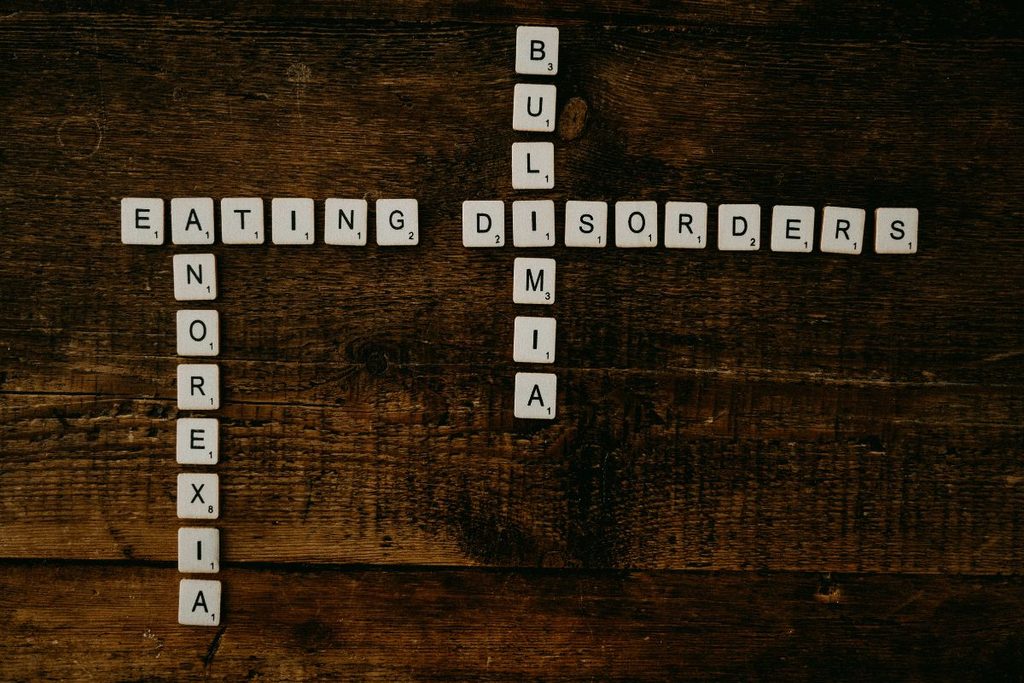
One of the trickiest things about eating disorders is that they don’t always look the way we expect. There are several eating disorders types, each with their own patterns, and someone can be struggling deeply without it being visible in their weight or appearance at all. That’s why it’s less about looking for one specific thing, and more about noticing changes in behaviour, mood, and habits around food.
Signs to Keep an Eye On
Every situation is different, but a few common themes tend to come up. Skipping meals or finding excuses to avoid eating with others. Sudden rules or rituals around food, like cutting things into tiny pieces or avoiding entire food groups. Frequent trips to the bathroom after eating. A noticeable dip in confidence, or comments that focus heavily on weight, calories or body shape. Wearing looser clothing, withdrawing from social occasions, or seeming more anxious around mealtimes than usual.

None of these signs on their own necessarily point to an eating disorder, but if you’re noticing a pattern building up over time, it’s worth paying attention to.
Trust Your Gut, Gently
If something feels off, it’s natural to worry about saying the wrong thing. The good news is, you don’t need the perfect words. A quiet, caring check-in, away from mealtimes and without an audience, tends to go a long way. Keep it simple: let them know you’ve noticed they seem a bit different lately, and that you’re there if they’d like to talk.
Try to steer away from any comments about weight or food, even kind ones, as these can land in unexpected ways. Focus on how they’re feeling rather than how they look.
Getting Support
If your instincts tell you something more serious is going on, a visit to the GP is a good first step. They can carry out an assessment and refer on to specialist support if needed, which usually brings together a mix of talking therapy, nutritional guidance and ongoing check-ins.
Bulimia treatment, for example, typically focuses on breaking the cycle between eating and compensatory behaviours, alongside working through the thoughts and feelings that drive it. Other eating disorders may be approached slightly differently, but the overall aim is the same: helping someone build a calmer, healthier relationship with food over time.
Charities and helplines can also be a softer starting point if a GP appointment feels like a big step. They’re there for both the person struggling and the people who love them, and can offer guidance on what to do next.
Above All, Be Patient

Recovery is rarely quick, and it’s not always a straight line. The best thing you can offer as a friend or family member is consistency: showing up, listening without judgement, and gently encouraging professional support along the way. Sometimes just knowing someone’s noticed, and cares enough to ask, is what makes someone feel able to reach out.
Images courtesy of unsplash.com and pexels.com