Why Creatine Is Finally Getting the Attention It Deserves
For decades, creatine was considered the domain of bodybuilders and elite athletes. Tubs in the back of a gym, big scoops and bigger muscles. That perception has not aged well.
A growing body of research now shows that creatine has meaningful benefits for a much broader group of people, including those focused on general wellness, cognitive performance, healthy aging, and sustained energy levels.
If you have been curious but not quite sure what the science actually says, this guide is for you.
What Creatine Is and How It Works
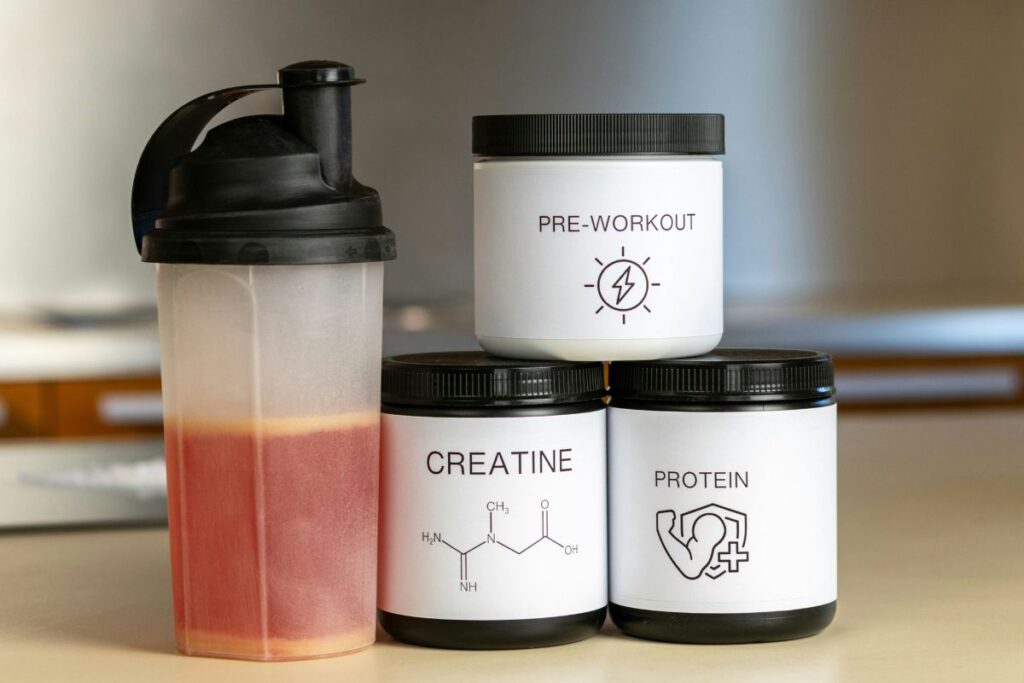
Creatine is a compound produced naturally by the body, primarily in the liver and kidneys, from the amino acids arginine, glycine, and methionine. It is also found in small amounts in red meat and fish.
Its primary function is to support the production of ATP (adenosine triphosphate), the molecule that powers muscular and cellular energy. When you supplement with creatine, you increase the amount stored in your muscles and brain, giving your body more fuel available for high-demand moments.
The most researched and bioavailable form is creatine monohydrate, which has been studied in hundreds of clinical trials over more than 30 years.
The Evidence: What Creatine Actually Does
The research on creatine is unusually consistent for a supplement. Strength and power output improvements are well established in studies involving resistance training and high-intensity exercise.
More recently, studies have focused on cognitive performance. A 2022 systematic review in Nutrients found that creatine supplementation improved short-term memory and intelligence test scores, particularly in people experiencing sleep deprivation or mental fatigue.
For those looking to add a clean, well-tested option to their wellness routine, Creatine Monohydrate from Naked Nutrition delivers pure pharmaceutical-grade creatine monohydrate with no additives, artificial flavours, or fillers, just the active compound at an effective dose.
“Creatine is one of the most thoroughly researched supplements in existence. The evidence for its benefits across strength, cognition, and healthy aging continues to grow, and its safety record is excellent at standard doses.” – Dr. Darren Candow, Professor of Exercise Science, University of Regina
Who Can Benefit: Broader Than You Might Expect
| Group | Key Benefit | Evidence Level |
| Strength athletes | Power output, muscle gain | Very strong |
| Endurance exercisers | Faster recovery | Moderate to strong |
| Women (all ages) | Strength, bone density support | Strong |
| Over 50s | Muscle preservation, cognition | Strong |
| Sleep-deprived adults | Mental focus, reduced fatigue | Emerging |
| Vegetarians / vegans | Higher gains (lower baseline) | Strong |
How to Take It: Dose and Timing
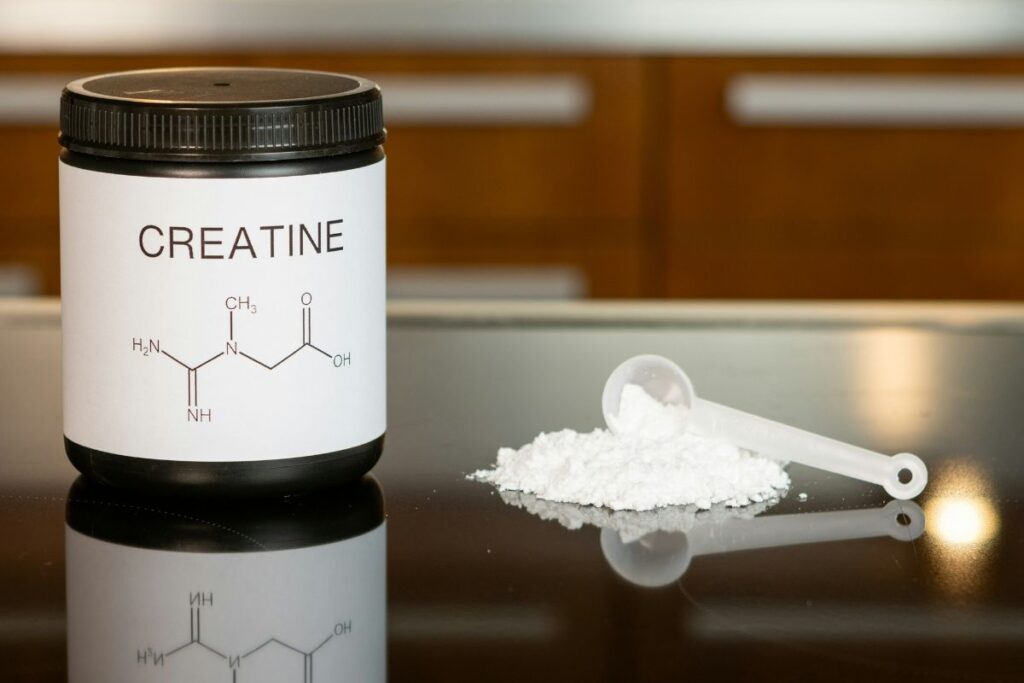
The standard effective dose used in research is 3 to 5g daily. There is no need for a loading phase unless you want to saturate stores faster, in which case 20g per day split into four doses for five to seven days works, followed by a maintenance dose of 3 to 5g.
Timing is flexible. Taking creatine post-workout with a source of carbohydrate or protein may slightly improve uptake, but consistency matters more than precision. Taking it at the same time each day is sufficient for most people.
It mixes easily with water, juice, or a protein shake. There is no need for anything more complex than that.
Addressing the Myths
Two persistent myths about creatine deserve to be addressed directly.
The first is that creatine causes kidney damage. This claim is not supported by clinical research in healthy individuals. Studies following participants over several years show no adverse effect on kidney function at standard doses.
The second is that it is only for men or athletes. As the evidence table above illustrates, women and non-athletes have a great deal to gain from consistent supplementation, particularly for cognitive performance and healthy aging.
For more on evidence-based wellness and performance, explore thehealth and wellness content on HN Magazine. You can also find related articles in the beauty and wellbeing section.
Frequently Asked Questions
Is creatine safe for long-term use?
Yes. Studies tracking participants for up to five years at standard doses have found no adverse health effects in healthy individuals. It is one of the few supplements with this level of long-term safety data.
Will creatine cause water retention or bloating?
Creatine draws water into muscle cells, which is part of how it works. Some people notice a small increase in body weight (typically 1 to 2kg) in the first week, reflecting this intracellular water shift rather than fat or subcutaneous fluid. Bloating is uncommon at standard doses.
Can I take creatine if I do not train regularly?
Yes. The cognitive and general energy benefits of creatine do not require a training programme. That said, combining it with even light exercise tends to amplify the physical benefits significantly.
Does it matter which brand I choose?
Quality and purity do matter. Look for creatine monohydrate with minimal additives and ideally third-party testing. Pharmaceutical-grade products with a single-ingredient list are generally the most reliable choice.
Images courtesy of unsplash.com and pexels.com