Want to learn the easiest way to avoid dental emergencies that cause pain and cost thousands of dollars?
Visiting the dentist regularly is the most neglected (but by far most important) element of good health. 53% of people haven’t had a dental check-up in the last year. It’s costing them way more than they realize.
What you’ll discover:
- Why Most People Skip Routine Dental Visits (And End Up Paying Later)
- The Hidden Health Problems Your Dentist Can Detect Early
- How Regular Dental Cleanings Save You Money In The Long Run
- What Actually Happens During A Dental Check-Up
Why Most People Skip Routine Dental Visits (And End Up Paying Later)
34.1% of American adults didn’t visit the dentist in the past 12 months. That’s over 87 million Americans skipping the one doctor’s appointment that can protect their health and their wallets.
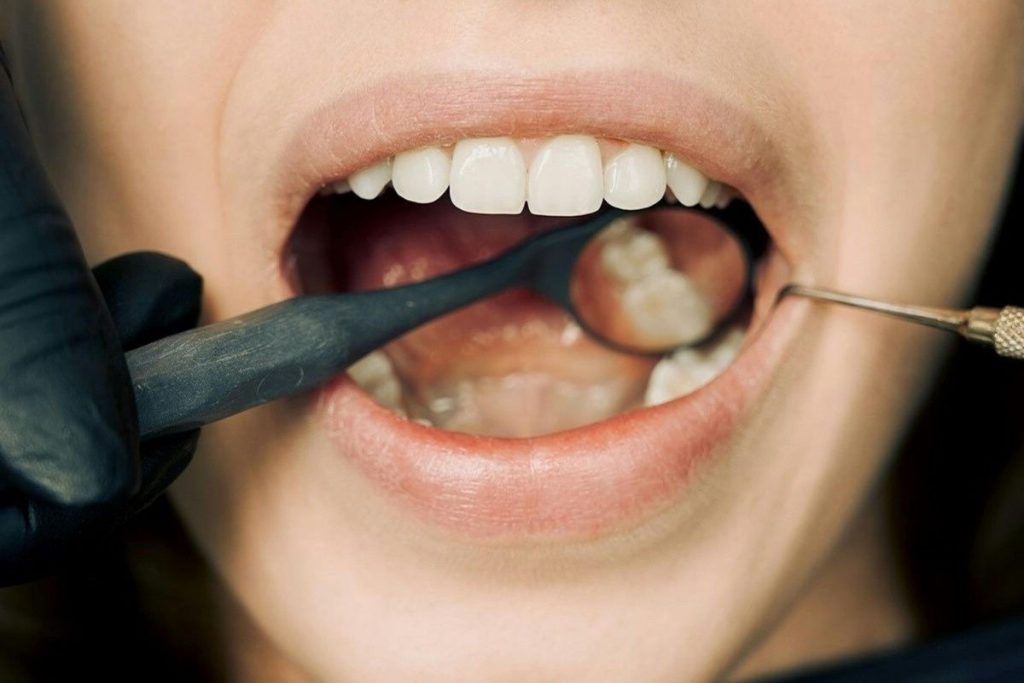
The top reasons most people avoid the dentist are:
- Cost (even though it’s cheaper to prevent than fix)
- Fear of the dentist
- “Nothing hurts so I must be fine” attitude
- Busy schedules
But here’s the real truth…
Waiting until your teeth hurt is like waiting until your car breaks down in the middle of the highway to change the oil. The symptoms are the last sign that something’s wrong, by which point it’s already out of control.
1 in 4 American adults have untreated tooth decay right now. They aren’t a bunch of folks who neglect their oral hygiene, they’re your everyday, hard-working Americans who thought they could get away with skipping their biannual visits.
The result? An easy $200 cleaning has now turned into a $3,000 root canal and crown to fix the problem.
The Hidden Health Problems Your Dentist Can Detect Early
Your mouth is a window to your overall health.
The thing most people don’t realize is this: During a routine dental exam, your dentist can identify the warning signs of major health conditions. We’re talking life-threatening diseases that your primary care doctor might not pick up on.
Here’s what dentists are looking for during each check-up:
- Oral cancer signs (caught early, the survival rate is great)
- Heart disease markers based on gum inflammation patterns
- Diabetes symptoms that show up as gum disease
- Osteoporosis indicators in the jaw bone density
The link between oral and overall health is much deeper than most people realize. In fact, 42% of adults in the United States have some form of gum disease. And studies show that gum disease significantly increases the risk of heart disease, stroke, and complications with diabetes.
If you check out this dentist in Tampa FL, they’ll tell you that by prioritizing these biannual visits, you are doing much more than just maintaining a bright smile; you are establishing a vital line of defense for your entire body. Early detection through a dental lens often leads to faster medical referrals and more successful treatment outcomes for systemic issues. Ultimately, viewing your dentist as a key member of your total wellness team is one of the smartest investments you can make in your long-term longevity.
Pretty scary, right?
The good news is that these issues are much easier to fix when caught early at your dental check-up. Your dentist isn’t just examining your teeth, they’re checking on your overall health.
How Regular Dental Cleanings Save You Money In The Long Run
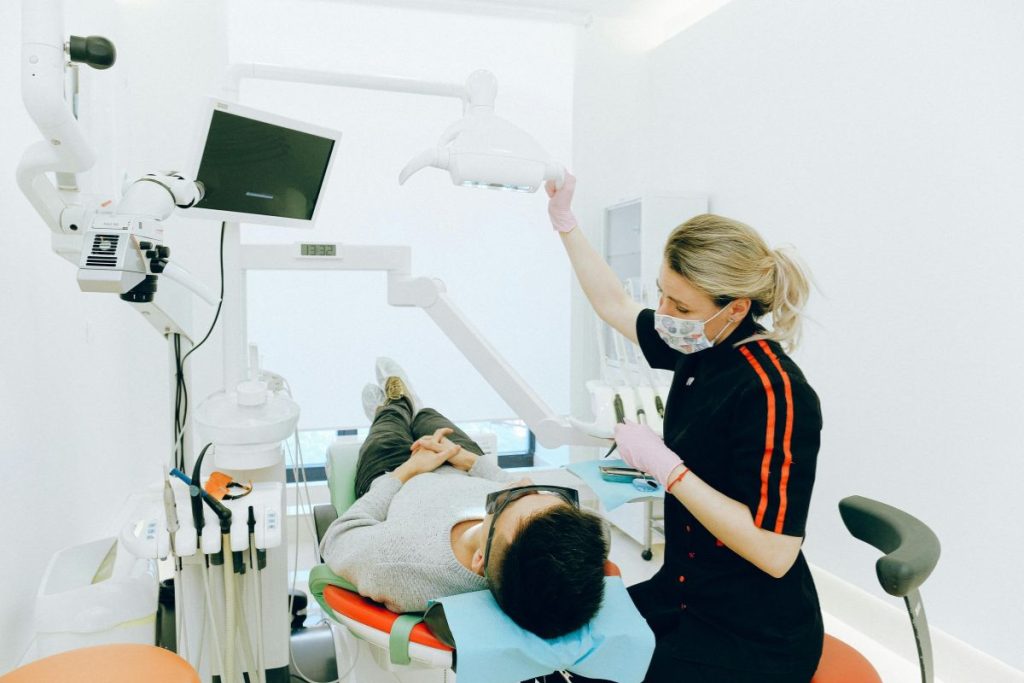
Think dental cleanings are pricey? Wait until you see the tab for all the procedures you’ll need without one.
Here are the real costs to consider:
- Routine cleaning: $100-200
- Filling: $300-500
- Root canal: $1,500-3,000
- Crown: $1,000-2,500
- Dental implant: $3,000-5,000
You get the idea. Prevention is pennies compared to treatment.
Nearly 1 in 2 adults in the United States age 30 or older have some form of gum disease. If left untreated, this causes tooth loss and expensive replacement procedures.
Here’s a breakdown of what the hygienist does during a professional cleaning that you simply can’t do at home:
Professional dental hygienists use specialized instruments to get all the tartar (hardened plaque) buildup that your regular brushing and flossing can’t. They clean in between teeth and below the gum line where bacteria like to hide.
This deep cleaning prevents bacterial infections that lead to cavities and gum disease. It’s the equivalent of having your car detailed rather than just taking it through the car wash.
The time and money you invest in regular dental hygiene and routine cleanings quite literally pay for themselves by avoiding bigger issues down the line.
What Really Happens During A Dental Check-Up
Do you know what your dentist is really doing during those check-ups? Most people don’t.
Here’s what a typical appointment entails…
Visual exam: Dentist inspects every surface of your teeth for signs of decay, cracks, or abnormal wear that could cause problems later.
Gum assessment: They measure the depth of pockets around teeth. Deeper pockets indicate gum disease that needs treatment.
X-ray review: Digital x-rays detect issues invisible to the naked eye like decay between teeth or bone loss around roots.
Professional cleaning: Dental hygienists remove plaque and tartar buildup, then polish your teeth to remove surface stains and bacteria.
Preventive treatments: Fluoride application and sealants help protect vulnerable areas from future decay.
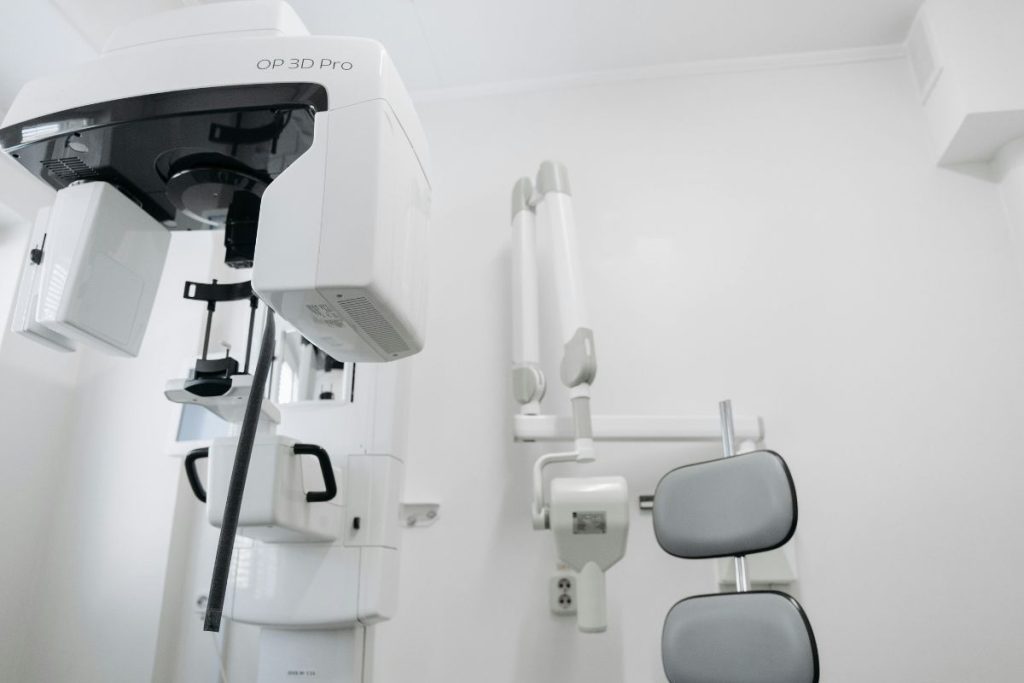
The entire process usually takes about an hour and gives you a full snapshot of your oral health. Your dentist will point out any issues they find, then explain your treatment options before minor issues become major problems.
Most importantly: They’ll give you personalized tips to optimize your specific oral health care routine. Not every patient has the same risk factors or needs, and your dentist can recommend the best routine for your mouth.
The Simple Prevention Strategy That Works
You want to know the simplest oral hygiene strategy that will work every time?
Follow the 2-6-1 rule:
- Brush 2 times daily with fluoride toothpaste
- See your dentist every 6 months
- Floss at least 1 time per day
It’s that easy. No fads or expensive tools required.
The people who religiously follow this 2-6-1 rule are the ones who end up with the fewest dental problems throughout life. They spend less money, deal with less pain, and keep their own teeth much longer.
The key: Consistency is more important than perfection. Miss a day of flossing here and there, no big deal. Miss 6 months of check-ups and you’re asking for trouble.
Your dentist can tailor the frequency of cleanings to your individual risk factors. Some people need to come in every 4 months, while others only need 8 months between visits.
In Conclusion
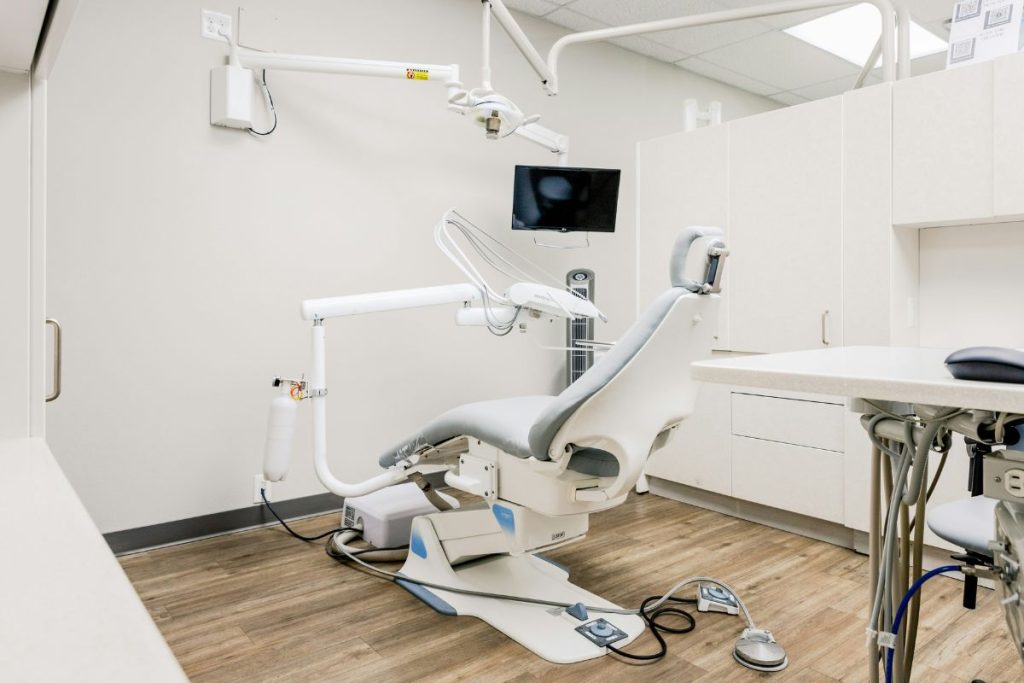
Regular dental check-ups aren’t just important for your teeth – they’re crucial for your overall health and wallet.
With 53% of people not showing up for their routine visits each year, you have an enormous opportunity just by being consistent. You’ll catch issues early, save thousands of dollars in treatment costs, and even potentially save your life by detecting serious health problems before they become emergencies.
The math is simple: spend $200 twice a year on prevention, or be forced to spend thousands later on emergency treatments.
Here are your next steps:
- Schedule your next dental check-up right now (even if it’s been years)
- Put on automatic reminders for appointments every 6 months
- Follow the 2-6-1 rule daily
- Ask your dentist about your individual risk factors
Your future self will thank you for taking this one simple action. As will your bank account.
Some images courtesy of unsplash.com and pexels.com.