Asbestos, once hailed as a “miracle material,” is now known for its severe health risks. It was widely used in construction, insulation, and other industries throughout much of the 20th century. Despite its beneficial properties, including heat resistance and durability, asbestos has a darker side.
Prolonged exposure to asbestos fibres can lead to life-threatening illnesses, with symptoms often appearing decades after the initial contact. In this article, we’ll delve into the hidden dangers of asbestos and explore the importance of addressing any past exposure.
The Health Risks of Asbestos Exposure
Asbestos is a group of naturally occurring minerals that can be separated into fine, durable fibres. When these fibres are disturbed, they become airborne and can be inhaled or ingested by anyone nearby. Unfortunately, the human body cannot expel these fibres easily, allowing them to remain in the lungs or abdomen for years, slowly causing damage.
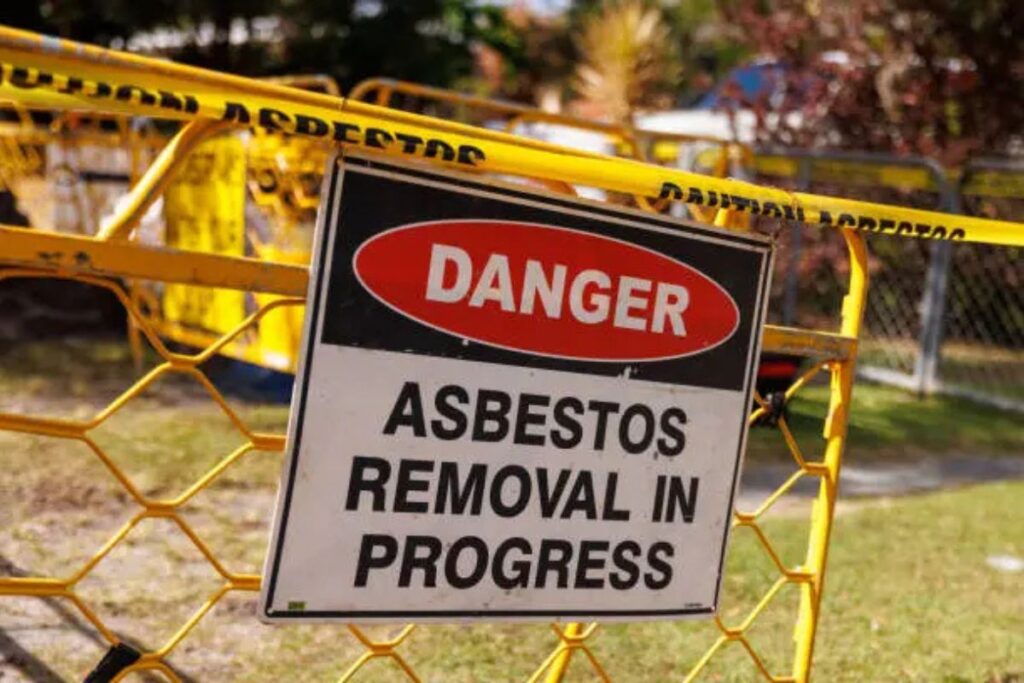
One of the most severe health conditions linked to the dangers of asbestos exposure is mesothelioma, a rare and aggressive form of cancer affecting the lining of the lungs, abdomen, or heart. According to the American Cancer Society, approximately 3,000 new cases of mesothelioma are diagnosed each year in the U.S., nearly all of them caused by asbestos exposure. Other diseases related to asbestos exposure include lung cancer and asbestosis, a chronic lung disease that can severely impair breathing.
Asbestos in Older Buildings
Despite being banned or heavily restricted in many countries, asbestos is still present in millions of older buildings. Homes, schools, and commercial structures built before the 1980s may contain asbestos in insulation, roofing materials, floor tiles, and cement. Disturbing these materials during renovations or repairs can release asbestos fibres into the air, posing a significant risk to anyone nearby.

It’s essential to have older buildings inspected by professionals who are trained to identify and manage asbestos contaminated soil removal safely. Removing asbestos on your own without proper equipment and techniques can be incredibly dangerous. As a result, many countries require specialized teams to handle asbestos removal.
The Long Latency Period of Asbestos-Related Diseases
One of the most insidious aspects of asbestos exposure is the long latency period associated with asbestos-related diseases. Unlike many other environmental hazards, the health effects of asbestos exposure may not appear until 20 to 50 years after initial contact. This means that individuals who were exposed to asbestos long time ago may not experience symptoms until much later in life.

This extended latency period makes it challenging for many people to link their illnesses to asbestos exposure. Furthermore, symptoms such as shortness of breath, chest pain, and persistent cough can be mistaken for other, less severe respiratory conditions. This often results in delayed diagnosis and treatment, reducing the chances of survival for those affected by diseases like mesothelioma.
Seeking Justice for Asbestos Exposure
Given the long latency period of asbestos-related illnesses, many victims only become aware of their exposure years after the fact. In such cases, seeking legal compensation can be an essential step. If you or a loved one was exposed to asbestos decades ago, it is crucial to consult with a legal expert who specializes in asbestos-related cases. They can help determine whether you are eligible to pursue compensation from manufacturers, employers, or other responsible parties.
Legal experts can navigate the complex laws surrounding asbestos litigation, which often involves tracking down the companies responsible for the exposure, even if they have since gone out of business. Additionally, they can assist with filing claims in asbestos trust funds, which were established to compensate victims of asbestos exposure. Compensation can help cover medical bills, loss of income, and the pain and suffering caused by these devastating diseases.
How to Protect Yourself and Your Loved Ones
Even though asbestos use has declined significantly, there are still precautions you should take to protect yourself and your family. If you live in or work in an older building, it’s important to be aware of the potential for asbestos-containing materials. Regular inspections can help identify areas of concern before they pose a risk. Hiring certified asbestos abatement professionals to safely remove or seal off dangerous materials is the best course of action.
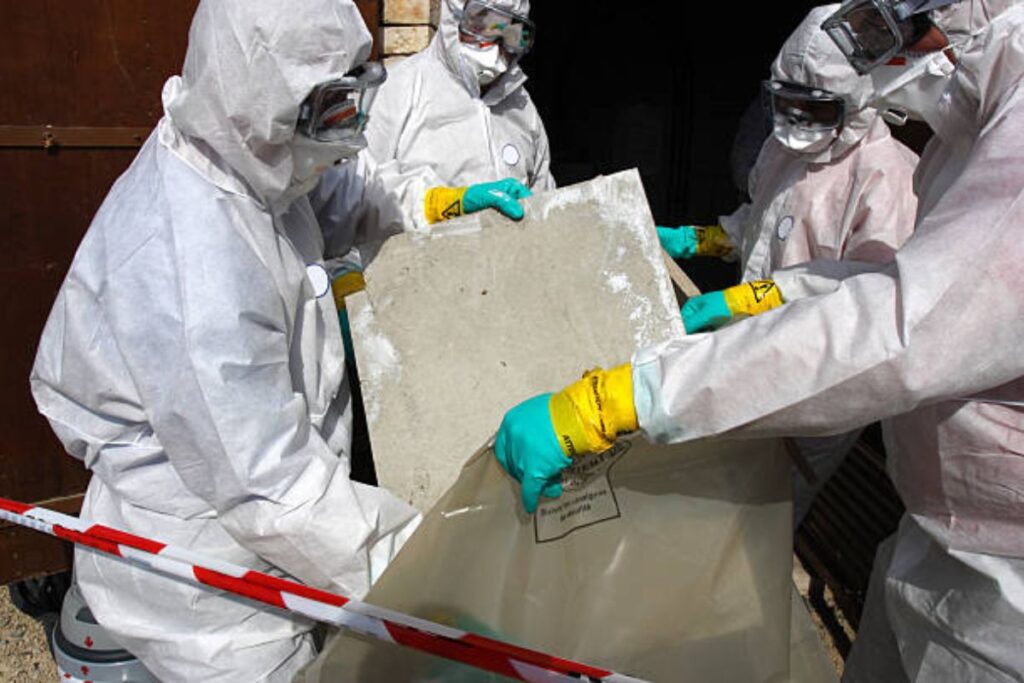
Workers in industries like construction, plumbing, and shipbuilding should also take extra precautions, as they are often at a higher risk of exposure. Employers should provide proper protective equipment and ensure that safety regulations are strictly followed to minimize the risk of inhaling asbestos fibres.
The Future of Asbestos Regulation and Awareness
While progress has been made in limiting asbestos use and increasing public awareness, there is still work to be done. Countries like Canada and the United Kingdom have implemented strict asbestos regulations, but asbestos is not completely banned worldwide. In the U.S., the Environmental Protection Agency (EPA) continues to update regulations, but certain asbestos-containing products are still legally sold and used.

Raising awareness about the dangers of asbestos and advocating for stricter regulations are crucial steps to protect future generations. More education on identifying and managing asbestos risks in older buildings can help individuals avoid exposure and prevent the devastating health effects associated with asbestos fibres.
Asbestos exposure remains a critical issue that should not be taken lightly. The health risks, particularly the long-term damage to the lungs and the potential for cancer, demand vigilance and care, especially for those who live or work in older buildings. By staying informed of the dangers of asbestos and taking the necessary precautions, you can protect yourself and those around you from this silent killer.
Images courtesy of unsplash.com and pexels.com