The disorder known as sleep apnea disturbs peaceful sleep and results in numerous awakenings over the night, leaving people feeling exhausted and sluggish during the day. Many people are looking for natural solutions to control their symptoms even if there are other therapies available. Spa and massage treatments are among the most fun and successful approaches to reduce sleep apnea symptoms.
For those with sleep apnea, these relaxing techniques not only aid with stress management but also encourage improved breathing and relaxation, therefore facilitating a peaceful night’s sleep.
How Stress Impacts Sleep Apnea
Stress makes sleep apnea worse. Your body generates more cortisol, a hormone that can induce physical strain and disturb sleep, when you are stressed. Stress also causes muscular tension, which can aggravate sleep-related obstructions of airflow. Your muscles get more difficult to relax the more agitated you are, which causes irregular breathing patterns all through the night.
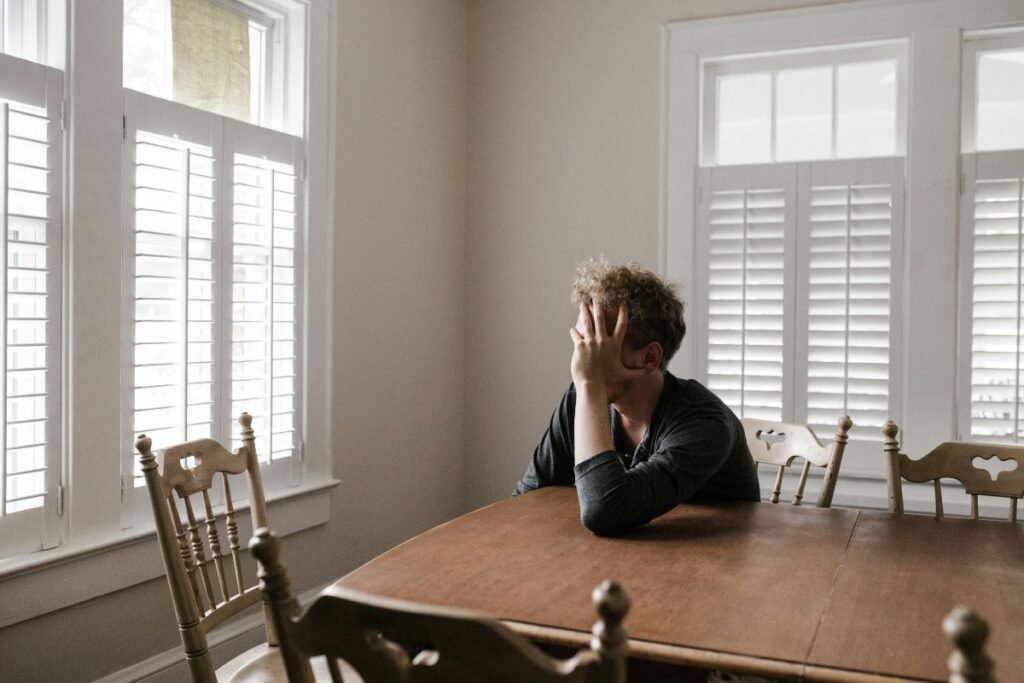
Including massage and spa treatments in your regimen helps to reduce stress, thereby producing a more calm mental and physical condition before bed. Massage’s therapeutic touch combined with the soothing environment of a spa helps your body to release tension, therefore facilitating easier breathing and night-time sleep.
Spa Treatments for Sleep Apnea Relief
Visits to the spa can provide more than simply luxury. For those with sleep apnea, particular treatments centre on relaxation, mental quiet, and breathing improvement—all of which help. Especially good for relieving muscle tension and fostering relaxation are hot stone massages, aromatherapy, and warm baths.
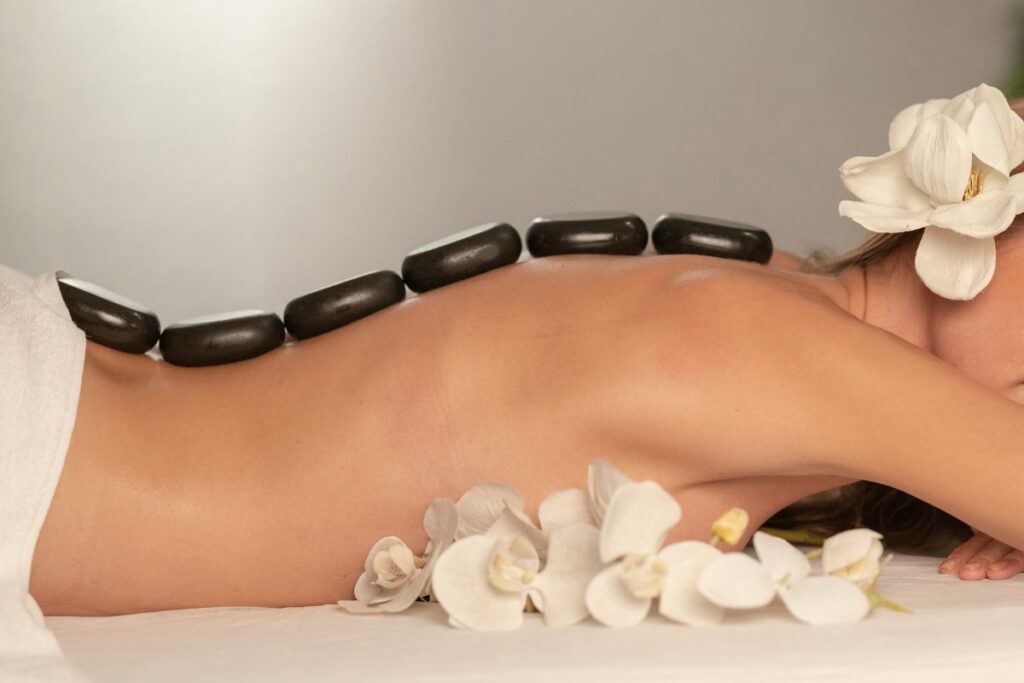
Using heated stones to warm the muscles, a hot stone massage releases deep tension and improves circulation. This helps the muscles surrounding the neck and throat relax, which occasionally causes airway constriction when asleep. After the treatment, the warmth of the stones also tells the body to enter a state of profound relaxation, therefore facilitating the slide into peaceful slumber.
Another great aid in naturally treating sleep apnea is aromatherapy. Lavender, chamomile, and eucalyptus are among the essential oils with documented soothing effects and capacity to encourage simpler breathing. These oils’ calming aroma utilized in a massage or spa session can assist open airways, lower stress, and produce a peaceful surroundings that advances better sleep.
The Power of Massage for Sleep Apnea Management
For people suffering with sleep apnea, massage treatment provides several advantages. Massage’s capacity to release body muscles—especially in places like the neck, shoulders, and upper back that could obstruct airflow during sleep—is among its most important benefits. Targeting these trouble regions, deep tissue massages assist to release chronic tension and increase circulation, therefore promoting more comfortable night-time breathing.
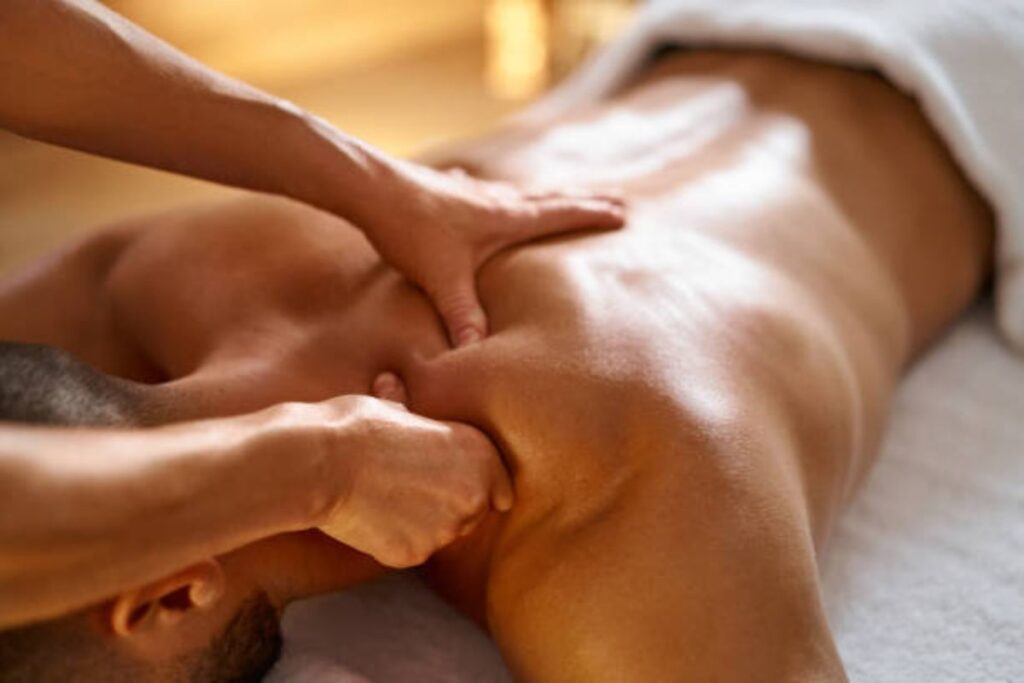
A massage also activates the parasympathetic nerve system, in charge of physical relaxation and digestion. The body relaxes when this mechanism turns on, which facilitates falling asleep and staying asleep. Massage treatment can assist to lessen the severity of sleep apnea symptoms by lowering the stress reaction.
Massage can naturally assist reset the body’s internal rhythms for people who routinely experience daytime tiredness or inadequate sleep quality. Regular massages, such as those offered through massage north lakes, have a relaxing impact that encourages better nighttime recovery of the body and deeper sleep.
Choosing the Right Massage Technique
Targeting sleep apnea symptoms calls for choosing the correct massage technique for your needs. Particularly good for inducing relaxation without overloading the muscles are Swedish massages, which centre on soft pressure and lengthy, flowing strokes. Those new to massage or those seeking a light-pressure, soothing session will find this approach perfect.
Deep tissue massages might be the ideal choice for persons looking for more focused relief. By reaching deeper levels of muscle using harder pressure, these massages help to remove back, shoulder, and neck chronic tension. This more profound relief from sleep apnea symptoms can assist ease muscle stiffness that can be causing airway blockages during sleep.
Another approach worth thought is reflexology. This kind of massage concentrates on particular pressure points in the foot, which are said to match various organs and systems in the body. By balancing the body’s internal energy and therefore enhancing general relaxation and equilibrium, stimulating these areas can aid to promote improved sleep and breathing habits.
Creating a Spa-Like Experience at Home
Although frequent spa visits may not always be possible, you can quickly create a spa-like environment at home to take advantage of leisure and stress release. At Nuffield ENT, we encourage patients to plan evening self-care activities that promote relaxation and prepare the body for restful sleep. Starting with a warm bath enhanced with relaxing essential oils, such as lavender or chamomile, can help soothe both the body and mind, fostering a calm atmosphere that supports better sleep quality.

After your bath, gently work tension in your neck, shoulders, and back with a self-massage or massage roller. Breathing exercises, soft lighting, and soothing music can also help to improve the peaceful surroundings and so equip your body for a peaceful night’s sleep.
In your bedroom, running a humidifier will help you breathe even better during sleep. Warm, moist air helps to keep the airways open, therefore lowering the chance of waking up with dry mouth or restricted breathing. Including a few drops of essential oils into the humidifier will improve the soothing impact and hence support a peaceful sleeping environment.
The Long-Term Benefits of Spa and Massage for Sleep Apnea
Including massage and spa treatments into your regimen not only results in instant relaxation but also helps those with sleep apnea over long terms. Regular massages can lower persistent tension and increase muscle flexibility, so supporting healthier breathing patterns during sleep. Your general sleep quality will probably improve with time, as well as your energy levels during the day and less stress.
Regular self-care activities such massages and spa-like treatments help you to naturally lessen the intensity of sleep apnea symptoms, therefore facilitating deep and regenerative sleep.
Conclusion
Treatments involving spas and massages provide a natural and fun approach to control sleep apnea symptoms. These techniques can help you sleep better and wake up feeling rejuvenated by encouraging relaxation, so lowering muscular tension, and so enhancing breathing. Including these techniques into your life will help you greatly reduce your symptoms of sleep apnea, whether you are developing a relaxing regimen at home or enjoying a professional spa treatment. Accept the advantages of self-care and leisure and let your body get the peaceful sleep it so richly deserves.
Images courtesy of unsplash.com and pexels.com