It is never pleasant to discover a small lump forming on the eyelid. For many people, this tiny bump can feel more frustrating than it looks. It can make blinking uncomfortable, interfere with vision, and sometimes even create self-consciousness in social settings.
When warm compresses and home remedies no longer help, many wonder if medical removal of the chalazion might be the next step. But with that curiosity often comes hesitation. Is it too risky? Could the procedure cause more problems than it solves? These are real concerns that deserve clear and compassionate answers.
Chalazion removal in Singapore clinics offer a procedure designed to ease these worries, but it is natural to want to know what happens during and after. Understanding the safety aspects and possible complications can help anyone facing this decision feel more at ease.
Understanding Chalazion Removal
What is a Chalazion?
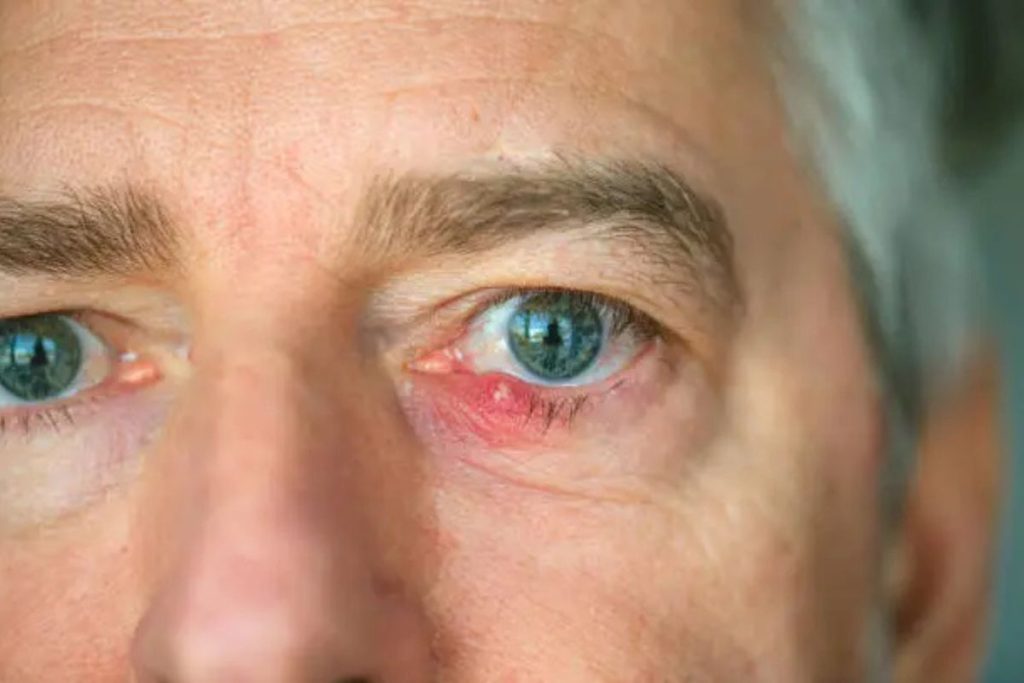
A chalazion is essentially a blocked oil gland in the eyelid, which swells and hardens over time. Unlike a stye, it usually is not caused by infection, but the swollen lump can become tender and noticeable. For many, it can eventually grow enough to blur vision or create cosmetic concerns.
At first, simple approaches like warm compresses or massages may help shrink the lump. But once it reaches a persistent stage, an eye doctor may suggest a small in-office procedure to remove it. This is where people often start to ask questions about risks and safety.
How the Procedure Happens
When removal is necessary, the procedure is usually straightforward. An eye specialist typically injects a small amount of anesthetic into the eyelid, numbing the area so the patient feels no pain. From there, a tiny incision is made, and the contents of the blocked gland are carefully drained.
Most patients describe it as quick and tolerable. While the idea of anything near the eye may feel intimidating, the reality is that the eyelid heals quite well and often with minimal scarring. Doctors are well-trained in ensuring the incision is hidden inside the eyelid whenever possible, which helps reduce visible marks.
Why Do People Choose Chalazion Removal?
The main reason people proceed with removal is to find relief. A long-lasting chalazion can cause discomfort, interfere with daily activities, or become a source of embarrassment. For many, the sense of release after the procedure significantly outweighs the brief anxiety of having it done.
Still, it is important to recognize that no medical procedure is completely without potential risk. Understanding what complications might arise helps patients set realistic expectations.
Safety and Possible Complications

Immediate Side Effects
After the procedure, mild swelling or bruising of the eyelid is common. This is a natural reaction to the small incision and usually settles within a few days. Some patients may also notice temporary tenderness when blinking, but it tends to improve quickly. Cold compresses often speed up recovery and bring comfort after treatment.
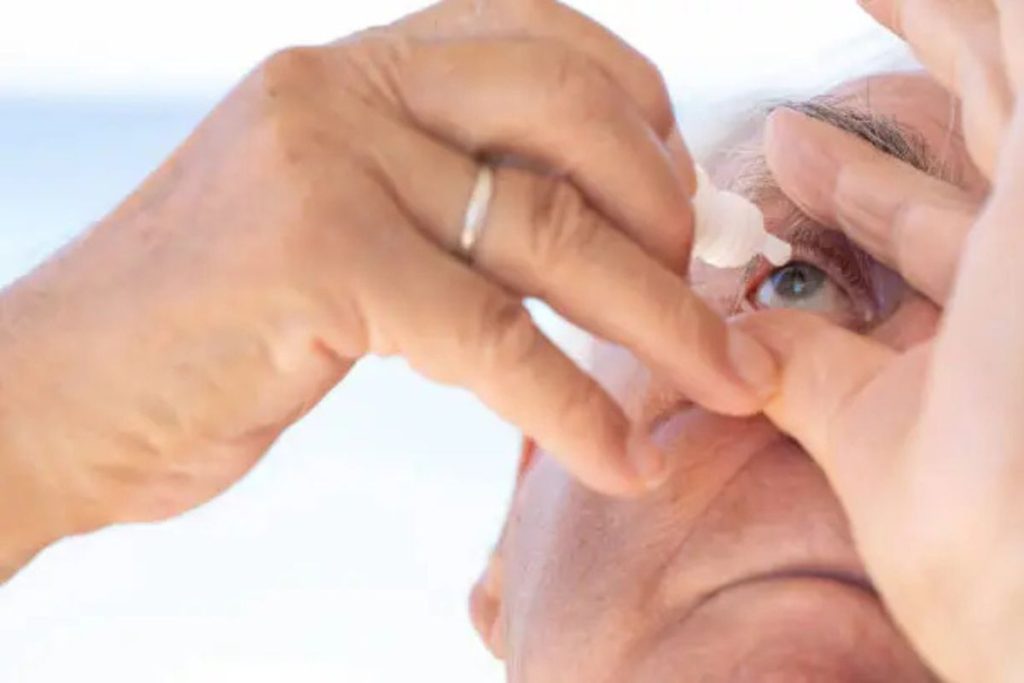
Infection is an uncommon but possible side effect. Since the eyelid is a sensitive area, doctors typically prescribe antibiotic ointment or drops as a preventive measure. Careful aftercare, such as keeping the area clean and avoiding rubbing the eyes, lowers the risk of infection even further.
Rare but Possible Risks
In rare situations, a chalazion may recur even after removal if the underlying gland becomes blocked again. While this can feel discouraging, it does not mean the initial treatment failed. Sometimes, people with oily skin or certain conditions like blepharitis are more prone to developing repeat chalazia.
Another uncommon complication is minor scarring. Most incisions are made on the inner eyelid, so any scar tissue remains hidden, but in some cases a faint mark may be felt or noticed. This does not usually cause functional issues, but it can be a cosmetic concern for some individuals.
There are also situations where patients may experience temporary blurring of vision immediately after removal, often due to mild swelling. This generally resolves on its own as the eyelid returns to normal.
Balancing Risks and Benefits
When weighing the decision, patients often find that the benefits of relief from discomfort and restored confidence outweigh the risks. For those who have struggled with chronic lumps interfering with daily life, removal can feel like regaining a sense of control.
The important part is having a doctor explain the steps, the aftercare, and the realistic chance of recurrence before proceeding. This helps patients feel informed and supported rather than worried by the unknown.
Final Thoughts on Chalazion Removal
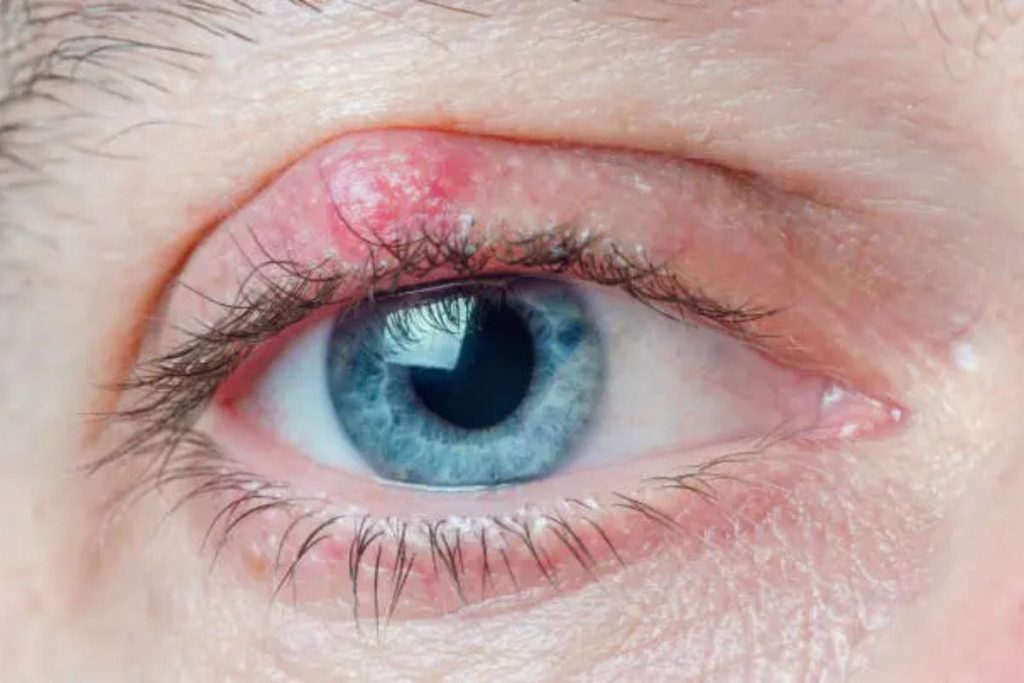
For anyone facing the decision, the idea of chalazion removal can stir understandable hesitation. Yet, in the hands of a qualified eye specialist, it is considered a very safe procedure with a low risk of complications. Most people experience quick recovery, minimal discomfort, and a satisfying return to normal life.
While rare issues like infection or recurrence can happen, these are usually manageable with good aftercare and medical follow-up. For those struggling with a persistent bump that affects comfort or confidence, seeking professional advice can be a gentle step toward lasting relief.
Taking the time to understand the process and risks helps remove the mystery, replacing fear with clarity. If the chalazion has become more than just a small nuisance, discussing removal with a trusted specialist may be the path to feeling like oneself again.
Images courtesy of unsplash.com, pexels.com and freepix.com