Extreme temperatures can be a worrying thing for a parent. Whether their baby is feeling too hot or too cold can cause some stress, especially if they don’t know what to do.
Here are some ways you can manage your baby’s body temperature.
Take their temperature
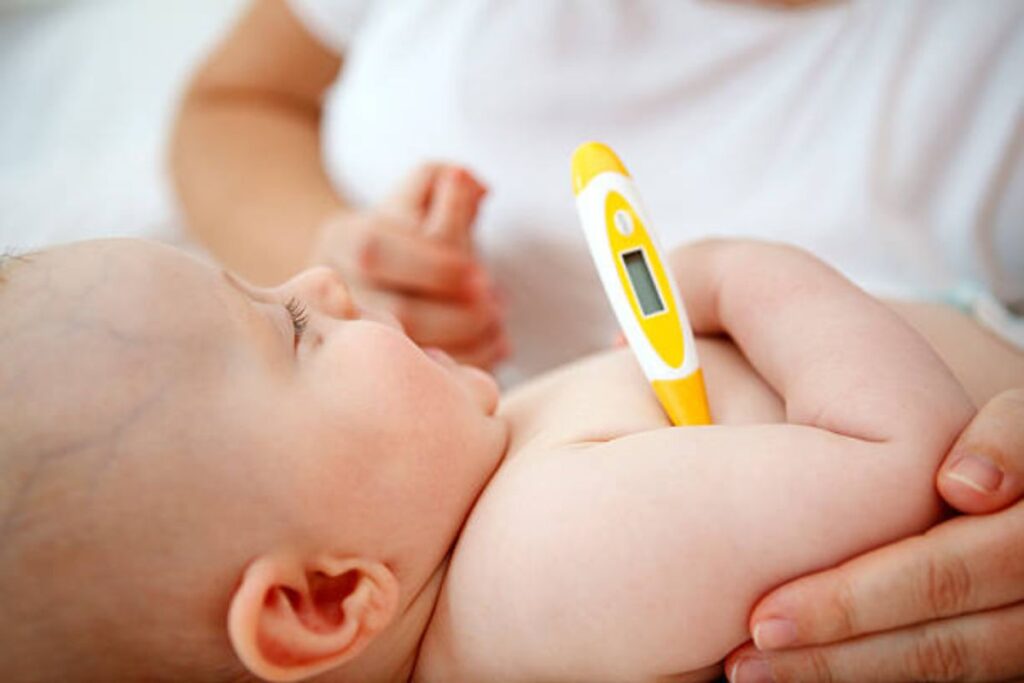
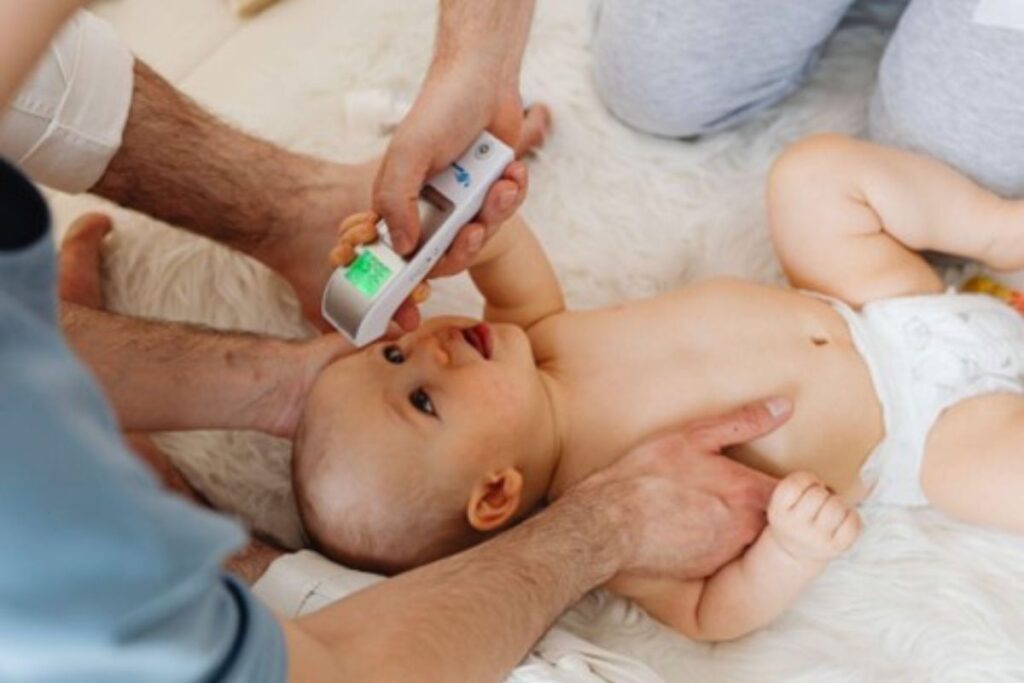
The first thing is to check their temperature. This applies to both hot and cold temperatures.
Before getting the thermometer, you can start by feeling their forehead. If you still need to figure it out, you can bring out the thermometer.
One thing to keep in mind is to not use a mercury thermometer. Use a digital thermometer as much as possible since it is safer to use for a baby while still maintaining accuracy.
There are three ways you can check their temperature using different kinds of thermometers.
A rectal thermometer is the most accurate out of the three and is best used for babies three months old and below.
Oral thermometers are also good for use on babies. Just remember to use it when your baby is around four months old and that it has to be done properly. Wait 30 minutes after your baby drinks something to check the temperature.
The last kind of thermometer you can use is the axillary thermometer. This measures the axillary temperature, which you can find in the armpit.
If the fever isn’t that serious, you can try to mitigate it by using these home treatment methods.
Methods for managing extremely high temperatures
Light Clothing
Most likely, your baby is wearing many layers of clothing. It is recommended to remove extra layers to help your baby feel less hot and breathe properly.
This is especially true during the summer, where you don’t want to be putting on a bunch of layers of clothing. Wearing baby outfits for the summer season can help reduce the chance of extremely high temperatures.
Cold compress is an old reliable go-to solution for mitigating high temperatures. All it takes is placing a washcloth drenched in cold water on your baby’s forehead to help draw out some of the fever.
This can help them fall asleep and take rests without feeling uncomfortable.
Hot temperatures can sometimes exacerbate an already bad fever. Keep a cool temperature to help your child feel less uncomfortable with the heat.
An air conditioner or a low-level electric fan can help cool the room. For a specific temperature, 70 degrees Fahrenheit should do the trick.
Hydration is the number one solution to fighting off fevers, apart from rest and taking the necessary medication.
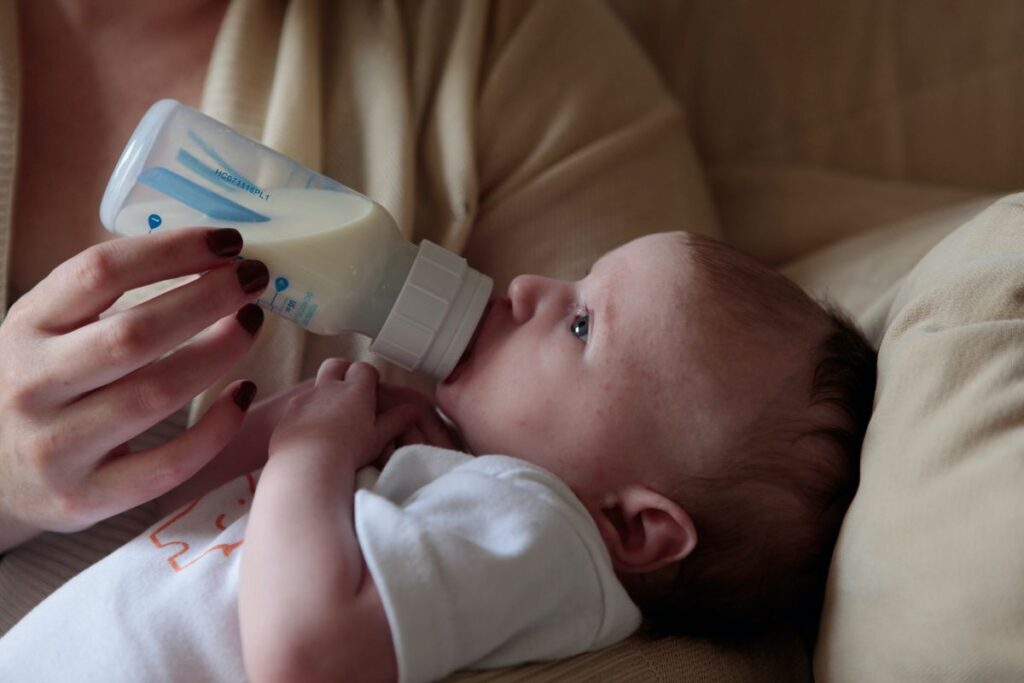
Feed your baby cool water, popsicles, and other cold fluids appropriate for them. Breast milk also helps develop their immune system and fend off viruses and diseases.
You can give your baby a lukewarm bath to help draw out the fever from the baby’s body.
Make sure that the water’s temperature is lukewarm to warm. A cold bath can make them feel cold and cause shivering, which won’t help their case.
At the same time, a hot bath is also not the way to go since extremely high temperatures might make them even more uncomfortable. Keep the temperature lukewarm.
What about low body temperature?
Fevers aren’t the only things to worry about when it comes to temperatures. There is also the risk of extremely low body temperatures.
Just like with the former, this other extremity poses some risks to your baby.
Methods for managing extremely low temperatures

Add clothing
Just as you should decrease the number of layers when babies experience high temperatures, you should do the opposite for low temperatures.
Winter season calls for extra layers of clothing as it can also cause discomfort and sickness due to the cold.
Another way for them to feel some warmth, especially when they are sleeping, is to swaddle them in a blanket.
Similar to the first point, instead of decreasing the room temperature by cooling it, provide some heat to warm up the area.
The winter season will call for you to heat the house just slightly so you can feel the warmth from the sometimes harsh cold of the season.
Babies will not only have a sense of security when they are close to you, but they will also feel warmer thanks to your body heat.
When to take them to the doctor
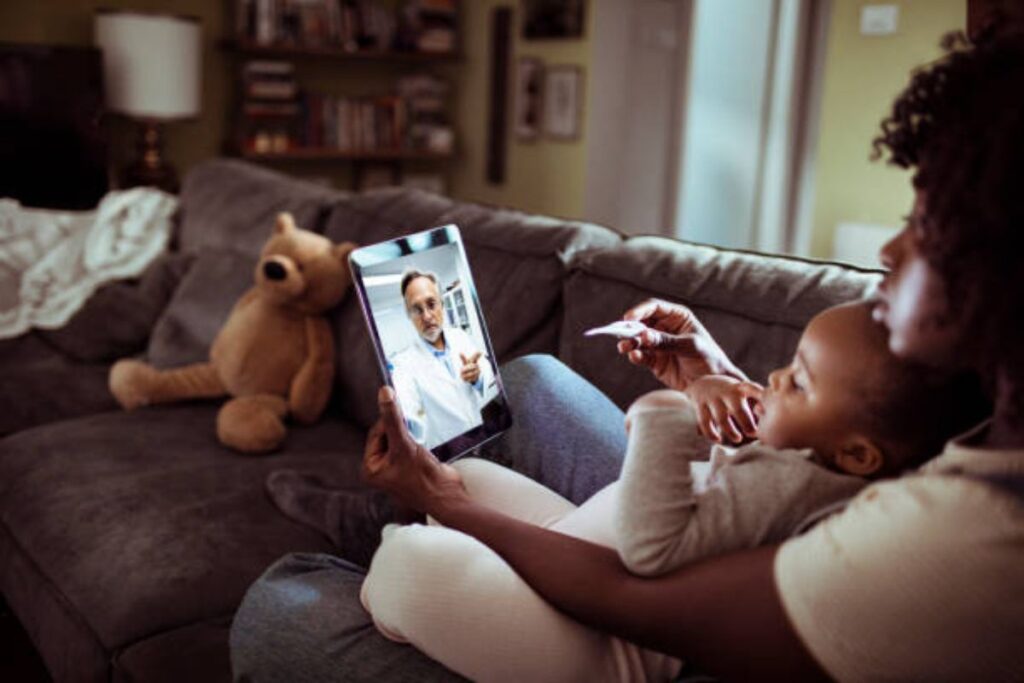

Now once the situation worsens, it is crucial to take them immediately to a doctor and have them treated properly.
What are some signs that they need to be taken to medical help?
Extended periods of extreme body temperature
If the child is still experiencing extreme body temperatures, then take them to the doctor immediately.
Fevers should take around 3-4 days. But if it exceeds that period, then there might be something else wrong with your child. So it is best to take them to the doctor.
Skin irritation may occur with fever. Should the irritation form into rashes that pop up in many parts of the body, seek medical treatment immediately.
If your child is experiencing these symptoms along with the extreme body temperature, take them to the doctor immediately.
Any serious symptom that the baby is experiencing should be treated immediately and by a professional.
Extreme body temperatures can be a symptom of infections or diseases that your child may be experiencing.
Common examples are meningitis and sepsis. Meningitis is typically associated with high fever, while sepsis is linked with low body temperatures. This is why it is so important to manage your baby’s body temperature.
Should your baby start experiencing extended periods of extreme temperature, have a doctor check in on them to confirm whether this is the case.
Conclusion
A balanced body temperature is a good sign of your child’s health. Since they are still too young and their immune system is still developing, they will need extra care and attention when it comes to this.
We hope this helps assess and manage your baby’s body temperature.
Images courtesy of unsplash.com and pexels.com