If you are trying to sustain a healthy diet, the nutrition label on food packaging is an essential tool to use when choosing to eat cleaner. The food label extends further than just traffic lights colours such as red ‘bad’ and green ‘good’.
Understanding the fundamentals of the nutritional content and knowing the basics will help you shop in a more efficient way and eat healthier. It is important to read food nutrition labels before you make your purchases.
The designs typically contain larger text for calories and serving sizes, important to control the portions and calorie counting. For example, the serving size on packages shows the quantity of food based on a standard portion, instead on the quantity you should eat.
To help you select healthier options, a fitness expert at Curves, Joanna Dase, has shared the best tips when reading food labels.
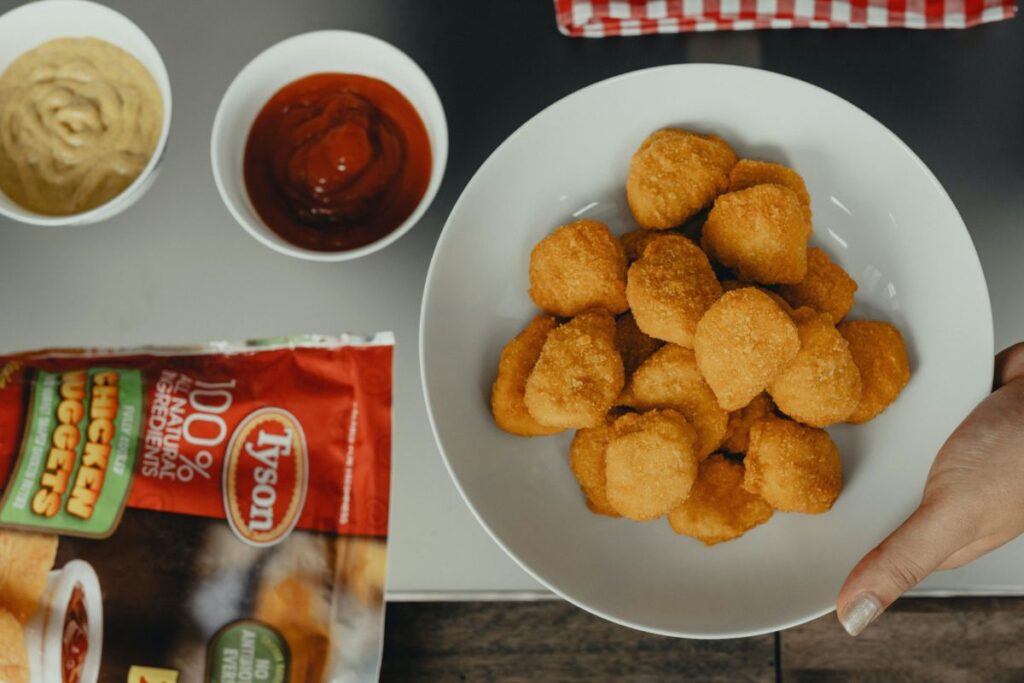
If you are trying to sustain a healthy diet, the nutrition label on food packaging is an essential tool to use when choosing to eat cleaner. The food label extends further than just traffic lights colours such as red ‘bad’ and green ‘good’. Understanding the fundamentals of the nutritional content and knowing the basics will help you shop in a more efficient way and eat healthier.
The designs typically contain larger text for calories and serving sizes, important to control the portions and calorie counting. For example, the serving size on packages shows the quantity of food based on a standard portion, instead on the quantity you should eat. To help you select healthier options, a fitness expert at Curves, Joanna Dase, has shared the best tips when reading food labels.
1. Check the ingredients first
Many pre-packaged foods have an ingredients list on the back of packets. Everything that goes into your food will be listed in weight order, from biggest to smallest. Check the first few ingredients to see if they contain saturated fats such as butter or cream, concentrated fruit juice or white sugar as these will make up the largest percentage. Added sugar can lead to weight gain. Foods with ‘low fat’ labels normally contain a large amount of sugar to boost flavour, with hidden name substitutes such as agave nectar and malt syrup.
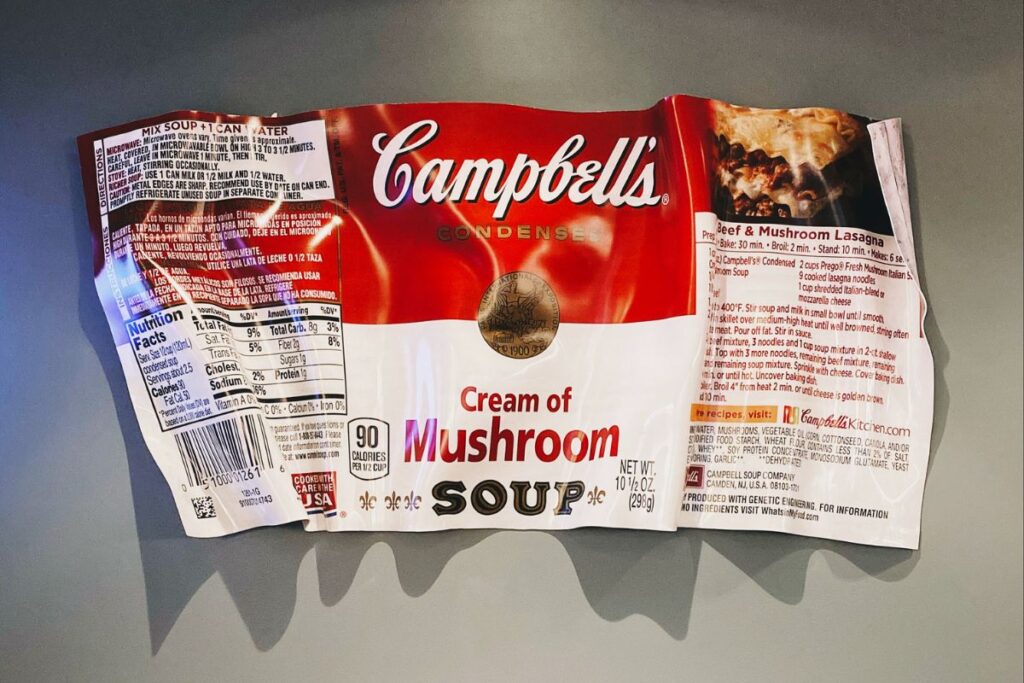
The ingredients that are listed near the end will be smaller quantities, however they are still important additions. Certain vitamins such as B2, can be added to products such as granola and provide positively significant contribution to your daily intake. Also, keep an eye out for fibre, a fibre rich diet helps to prevent constipation and keep our digestive system healthy. The qualified as high fibre products mean you must have at least 5 grams of fibre per day.
2. Traffic lights
Many packages have a clear traffic light indicator on the front of their packages. Whilst they are useful to determine their nutritional value at quick glance, The values are given for levels of fat, saturated fats, sugars, and salts. Green is low, amber is medium, and red is high. I will personally avoid the red label ones and generally green and amber are ok, if you are having a healthy diet.
3. Serving sizes
The size of the serving Whilst food manufacturers declare how many calories are in each ‘serving’, many people fail to recognise the scales of servings. Always take a close look at the small print serving size. For example, a ‘ready meal’ might serve two, so the 400 calories per serving is for half a pack. When it comes to smaller items, such as biscuits, from 1 to 2 biscuits could be different from the amount you might eat.
4. Protein quantities
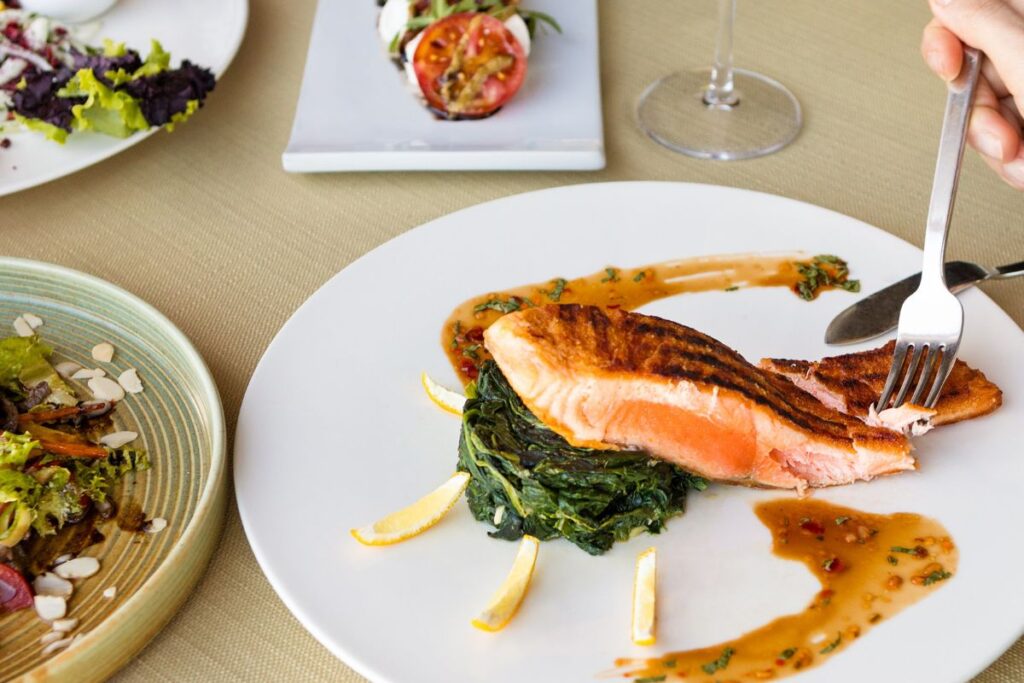
Protein is vital for maintaining muscle mass. Food nutrition labels can be helpful to choose foods that provide protein. However, when scanning a label, take note of the grams of fat to ensure that the number is on the lower side. For every 100 grams, 17.5g is qualified as hight fat and above qualifies as saturated fat. Protein-rich foods are typically high in saturated fat and unhealthy trans-fat. Lean meat products and low-fat dairy products are better quality options.
5. Beware of ‘reduced’ fat claims

Although you might seem tempted to reach for the first item that is advertised as ‘reduced’ or ‘low’ fat, they are not always the healthiest option. Manufacturers sometimes replace fat with more sugar to bring out flavours. Ensure you read the nutrition information to compare sugar and fat content on the original and reduced fat product. As well as increased sugar, the alternatives can be higher in salt. If the low-fat version is not lower in energy (kcal), it is often better to have a smaller amount of the original product.
6) Gluten free and vegan options

Even though gluten free is increasingly popular, it does not necessarily equate to low or less fats. Any food labelled gluten free must contain less than 20ppm of gluten. Gluten-free foods often have higher fat, sugar, and salt to improve the flavour, consistency, and appearance. Unless you are celiac or have a gluten allergy, there is little evidence that a gluten-free diet offers any health benefits, your body needs gluten as you need to cover for the nutritional values alternative from it. Check those food nutrition labels!
Staying healthy does not stop at your food, the physical activity makes a big difference to your progress. If you need an extra hand about your fitness journey, think about hiring a coach or join a fitness club near you. Joining a Curves club will help you to meet likeminded women who can support you in your fitness goals.