

Post workout recovery is a crucial aspect of any fitness regimen, as it allows the body to repair and adapt to the stress placed on it during exercise. Without adequate recovery, the risk of injury, fatigue, and decreased performance increases.
Post workout recovery encompasses various factors such as nutrition, hydration, rest, and sleep, all of which play a vital role in the body’s ability to recuperate and rebuild after physical exertion.
Ignoring the importance of post-workout recovery can lead to overtraining, which can have detrimental effects on both physical and mental well-being. Furthermore, post-workout recovery is essential for muscle growth and repair. During exercise, muscle fibres undergo microscopic damage, and the recovery process allows these fibres to repair and grow stronger.

Without proper recovery, this process is hindered, leading to slower progress and potential muscle imbalances. Therefore, understanding and implementing effective recovery strategies is paramount for anyone looking to optimize their fitness journey.
Nutritional Strategies for Optimal Recovery
Nutrition plays a pivotal role in post-workout recovery. Consuming the right nutrients at the right time can significantly impact the body’s ability to recover and adapt to exercise. After a workout, it is essential to replenish glycogen stores and provide the body with the necessary building blocks for muscle repair and growth.

This includes consuming a combination of carbohydrates and protein within the post-exercise window to maximize recovery. In addition to macronutrients, micronutrients such as vitamins and minerals also play a crucial role in recovery. For example, vitamin C is involved in collagen synthesis, which is essential for connective tissue repair, while magnesium is important for muscle function and relaxation.
Including a variety of nutrient-dense foods in the diet can help ensure that the body has access to all the essential components needed for optimal recovery.
Herbal Remedies for Muscle Soreness and Inflammation
Incorporating herbal remedies into post-workout recovery can provide natural support for managing muscle soreness and inflammation. For instance, turmeric contains curcumin, a compound known for its anti-inflammatory properties. Consuming turmeric or curcumin supplements may help reduce exercise-induced inflammation and support overall recovery.
Similarly, ginger has been shown to possess anti-inflammatory and analgesic properties, making it a popular choice for alleviating muscle soreness. Arnica, another herbal remedy, has been traditionally used topically to relieve muscle aches and bruises. When applied as a cream or gel, arnica may help reduce pain and swelling associated with intense physical activity.
These herbal remedies offer natural alternatives to conventional pain relief methods and can be integrated into a holistic approach to post-workout recovery.
The Role of Hydration in Recovery
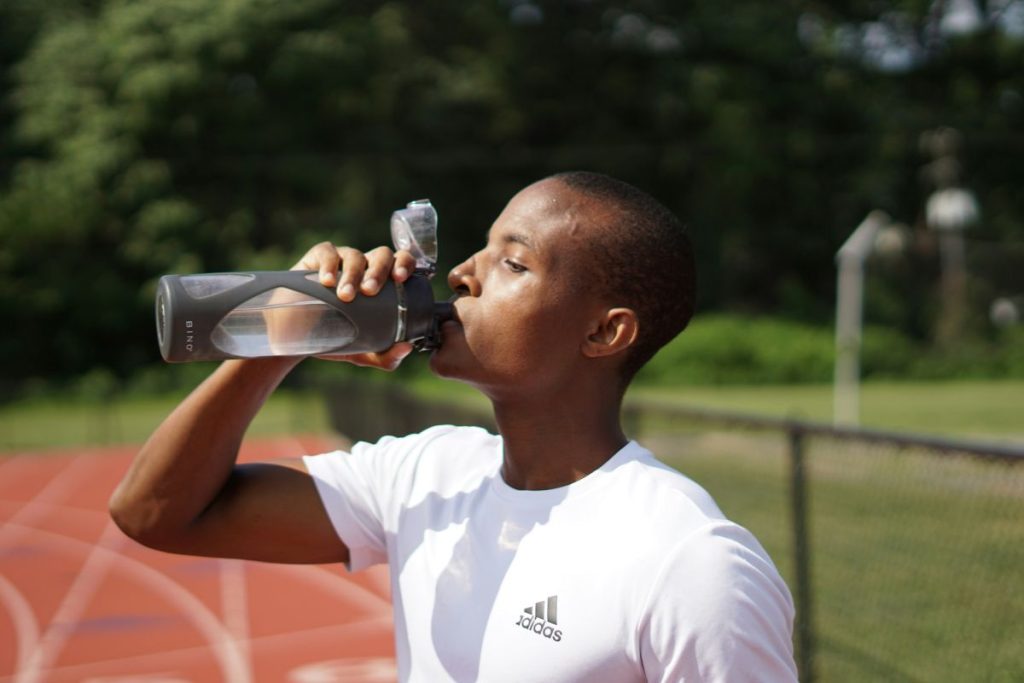
According to research, proper hydration is fundamental for post-workout recovery as it impacts various physiological processes essential for optimal performance and recuperation. During exercise, the body loses fluids through sweat, leading to dehydration if not adequately replenished. Dehydration can impair muscle function, decrease endurance, and hinder the body’s ability to recover effectively.
In addition to water, electrolytes such as sodium, potassium, and magnesium are lost through sweat and need to be replenished to maintain proper hydration and support muscle function. Consuming electrolyte-rich beverages or adding electrolyte supplements to water can help restore the body’s electrolyte balance after intense physical activity. Ensuring adequate hydration before, during, and after workouts is crucial for supporting the body’s recovery processes.
Sleep and Restorative Practices for Recovery
Quality sleep is an often overlooked but critical component of post-workout recovery. During sleep, the body undergoes various physiological processes that are essential for repair, growth, and overall well-being. This includes hormone regulation, muscle repair, and mental restoration.
Lack of sleep can impair these processes, leading to decreased athletic performance, increased perceived exertion during exercise, and compromised recovery. In addition to sleep, incorporating restorative practices such as yoga, meditation, or gentle stretching can aid in relaxation and stress reduction, promoting overall recovery. These practices help lower cortisol levels, reduce muscle tension, and enhance mental clarity, all of which contribute to a more effective recovery process.
By prioritizing quality sleep and integrating restorative practices into one’s routine, individuals can optimize their post-workout recovery and overall fitness journey.
The Role of THCa Flower in Workout Recovery
THCa flower, derived from the cannabis plant, has gained attention for its potential role in workout recovery. THCa is the precursor to THC (tetrahydrocannabinol) and is non-intoxicating in its raw form. It has been suggested that THCa may possess anti-inflammatory properties and could potentially aid in muscle recovery and pain management after intense exercise.
Some athletes have reported using THCa flower or products containing THCa as part of their recovery regimen, citing its potential benefits in reducing muscle soreness and promoting relaxation. You can learn more about THCa flower at https://hyperwolf.la/shop/thca-flower. However, more research is needed to fully understand the effects of THCa on workout recovery and whether it can be safely and effectively integrated into post-exercise routines.
Integrating Natural Recovery Methods into Your Fitness Routine

Integrating natural recovery methods into a fitness routine involves adopting a holistic approach that addresses various aspects of post-workout recovery. This includes incorporating nutritional strategies such as consuming nutrient-dense foods, hydrating effectively, prioritizing quality sleep, and exploring herbal remedies or alternative therapies that support muscle repair and reduce inflammation. Furthermore, individuals can benefit from incorporating active recovery techniques such as light exercise, mobility work, or low-impact activities to promote blood flow and aid in muscle recovery without causing additional stress on the body.
By combining these natural recovery methods with a well-rounded fitness routine, individuals can optimize their overall performance, reduce the risk of injury, and support long-term health and well-being. In conclusion, enhancing post-workout recovery the natural way involves understanding the importance of recovery, implementing nutritional strategies, exploring herbal remedies for muscle soreness and inflammation, prioritizing hydration, embracing restorative practices, considering potential options such as THCa flower with caution, and integrating these natural recovery methods into a comprehensive fitness routine. By doing so, individuals can support their body’s ability to adapt to exercise, promote muscle repair and growth, and ultimately enhance their overall fitness journey.
Images courtesy of unsplash.com and pexels.com












1 thought on “Enhancing Post Workout Recovery the Natural Way”
Comments are closed.