Low testosterone in men has been an increasingly common sign in the past decade. While it can have a negative impact on overall health, many men are unaware of its signs and symptoms.
Typically, the issue can encompass various aspects of physical, mental, and emotional well-being. In this regard, knowing the warning signs of low testosterone can help men identify any issues early on and get the help they need. In this blog post, we will discuss 7 warning signs of low testosterone in men and how to take action to address them.
Decreased Libido
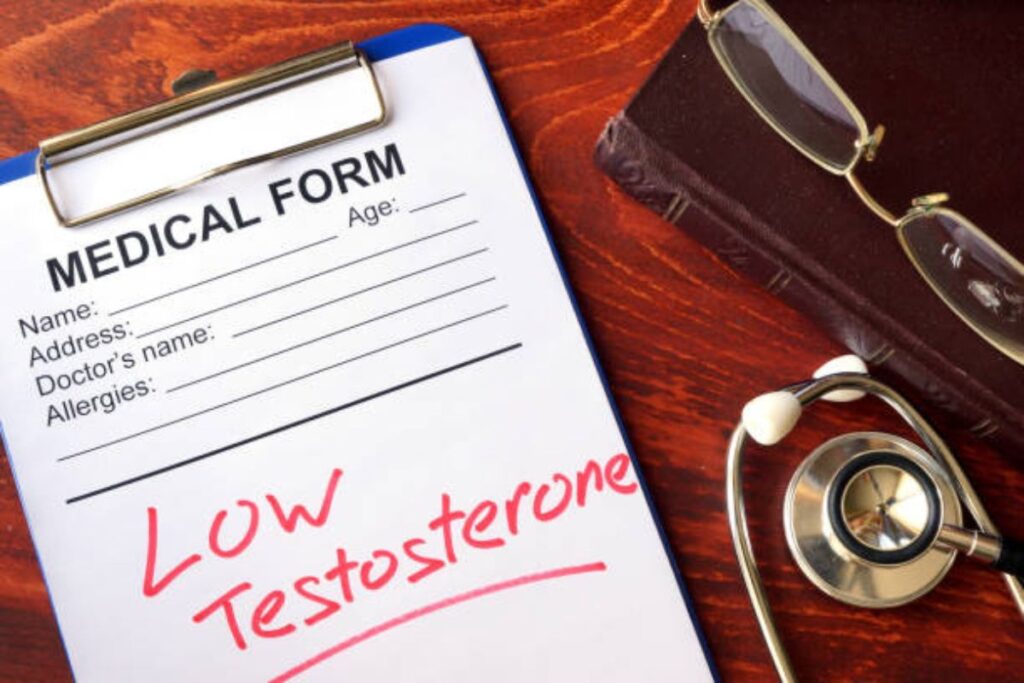
According to https://greaterpittstonurology.com/, low libido is among the most common signs of low testosterone in men. As expected, the lack of enough testosterone can lead to a lack of interest in sex or an inability to perform. Typically, the cause is decreased hormones responsible for sexual arousal. The drop in sex drive can also be due to a decrease in the body’s testosterone. Suppose you’re feeling less interested in sex or having difficulty performing. In that case, it could indicate that your testosterone levels are too low. Talk to your doctor if this is something that concerns you.
Erectile Dysfunction
Erectile dysfunction is a common symptom of low testosterone in men. Typically, the causes are physical or psychological, but it can also result from low testosterone. Low testosterone causes a decrease in libido and an inability to maintain an erection. This can lead to anxiety, depression, and other psychological issues. Treatment for erectile dysfunction due to low testosterone includes receiving a hormone therapy such as Testosterone Replacement Therapy or TRT in Australia, lifestyle changes such as increasing physical activity and decreasing stress, and medications such as Viagra and Cialis.
If you are experiencing such a condition, it is essential to seek medical attention to help determine the cause and find the best solution.
Loss of Muscle Mass
Low testosterone can decrease muscle mass, which may be noticeable when looking in the mirror or comparing recent photos. Usually, this decrease in muscle mass is due to the disruption of the body’s natural hormonal balance. Consequently, the lack of enough testosterone can make lifting heavy objects harder or doing any sort of physical activity.
Not only is there a physical loss of muscle mass, but it can also impact your mental health. As muscles are used for movement, feeling weak can cause a decrease in self-confidence and self-esteem. In this regard, it’s crucial to take steps to keep your testosterone levels in good condition to maintain peak physical performance.
Increased Body Fat

Testosterone plays a vital role in maintaining a healthy body weight. Since it helps control how fat is stored, low levels of it can cause an increase in body fat. Moreover, it can affect the body’s metabolism, leading to an inability to maintain a healthy weight.
One of the most common signs of such a condition is increased body fat, especially around the waist. This type of fat is often called visceral fat and is linked to various health issues. People with low testosterone levels will often experience an increase in belly fat and other areas of their body, such as the thighs and buttocks. In some cases, this weight gain can be challenging to shift, even with exercise and dietary changes.
Decreased Bone Density
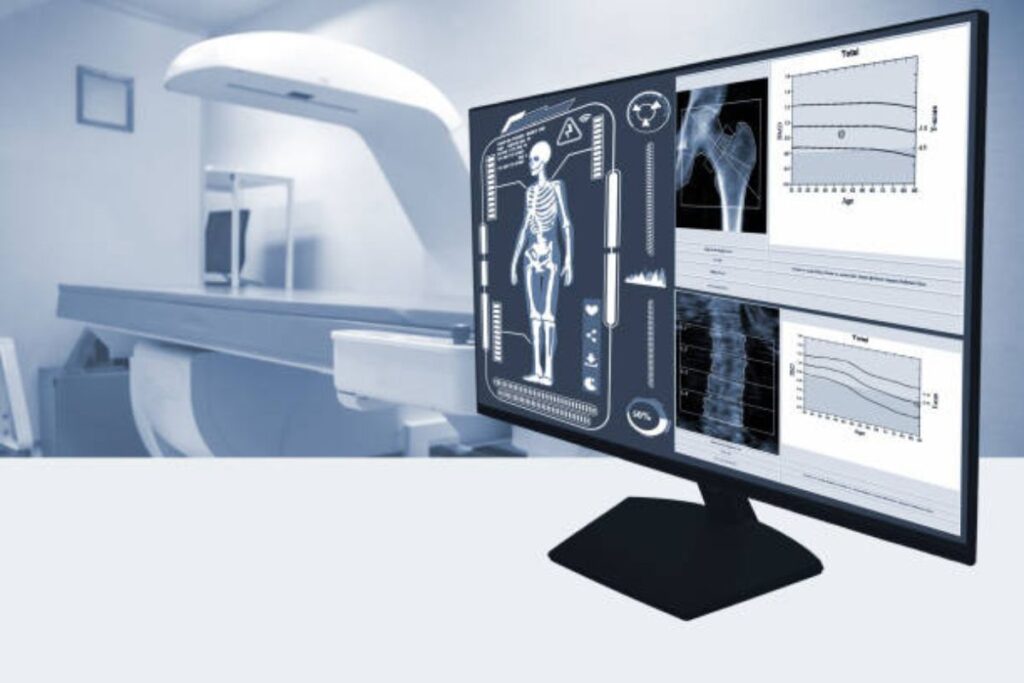
Arguably, bone density is an underrated but essential indicator of overall health. Unfortunately, low testosterone levels can lead to decreased bone density over time. Symptoms of reduced bone density include lowered height, a humped back, and increased fractures or breaks. Low testosterone can also cause osteoporosis, which causes fragile bones and an increased risk of fractures.
Typically, you can measure your bone density through a simple test known as a DEXA scan. This test measures the calcium content in your bones and compares it to the average for your age and sex. If your levels are below average, you are likely suffering from low testosterone and its associated decrease in bone density.
It’s important to understand that decreased bone density due to low testosterone may not only mean a decrease in physical strength. Sometimes, it may mean an increased risk of developing osteoporosis. In this regard, consult with a specialist to take the necessary steps to protect your bones from further damage.
Mood Changes
Surprisingly, mood swings are a frequent sign of low testosterone in men. The hormone helps to regulate a person’s overall emotional state, so when its levels drop, it can manifest in various ways. Men may become easily agitated, experience sudden outbursts of anger, and feel depressed or anxious. Studies have shown that men with lower testosterone levels are more likely to suffer from depression. If you have been feeling down or out of sorts, it may be worth getting a doctor to check your hormone levels.
Sleep Problems

While sleeping issues aren’t as severe as other symptoms, you should not take them lightly. Low testosterone is a frequent cause of such conditions, which are usually easily treatable. Treatment may include lifestyle changes, hormone therapy, and medications.
Conclusion
To conclude, low testosterone can cause many symptoms and health problems in men. That’s why knowing the signs and identifying the issue early is crucial. You must immediately act if you experience any of the symptoms listed above. Contact your doctor and have a testosterone level test done to address the issue promptly and adequately. Ultimately, taking the proper steps to correct any hormone imbalance will help improve your overall quality of life.
Images courtesy of unsplash.com and pexels.com