Efficiency lies at the heart of any industry’s successful operation, and the food industry is no exception to this rule. How to maximize productivity, reduce wastage, optimize resources, and improve the bottom line are some of the questions that lead the agenda of every decision-maker in this sector.
In this article, we present some tried and tested techniques that have helped the food industry conglomerates successfully accelerate their efficiency rates.
Smart Utilization of Machinery
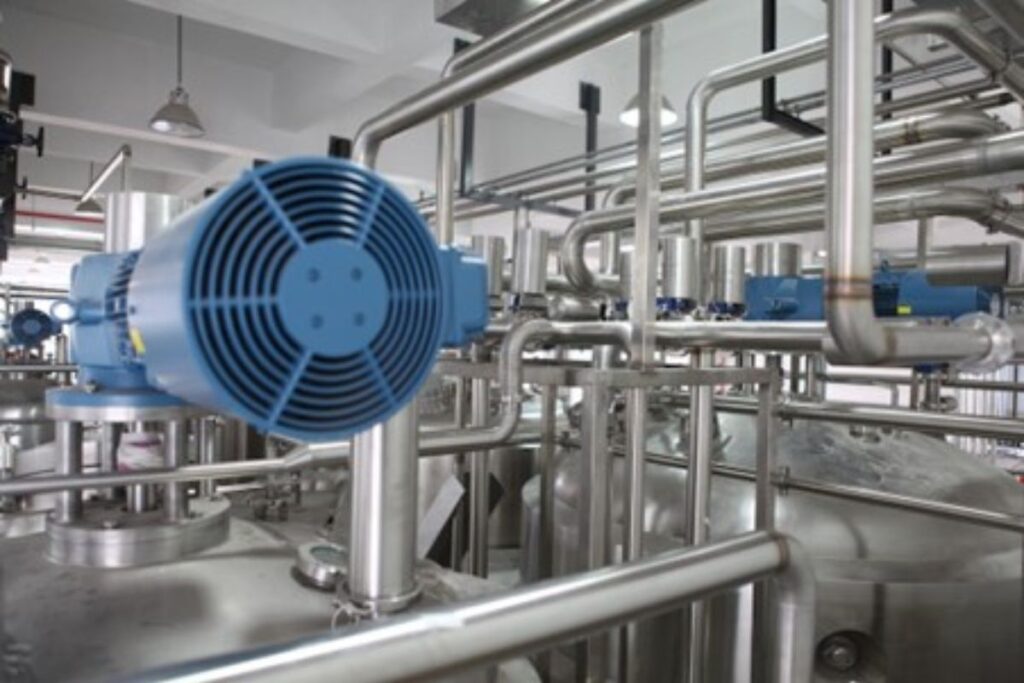
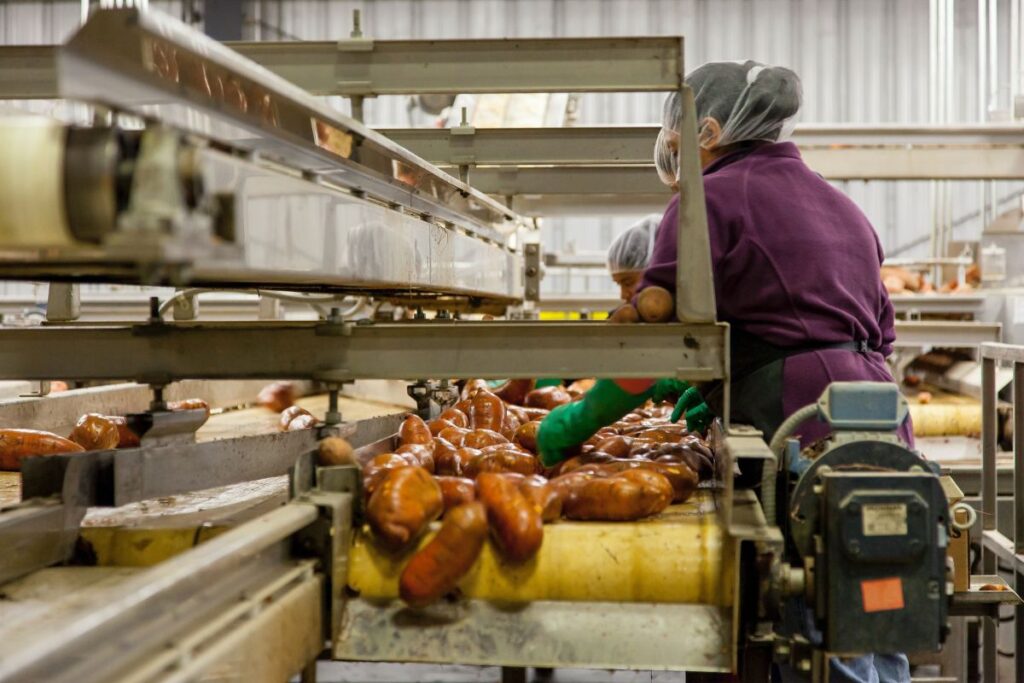
In this era of technological progress, the machinery adopted can create a radical difference in determining the efficiency in the food industry. Automating the production line can help minimize human errors, thereby also reducing wastage. Furthermore, it allows for a more streamlined and quick operation, which can significantly improve efficiency. Industry moguls tend to opt for sophisticated machinery that can facilitate processes like packaging and precision cooking, accelerating production rates.
Choosing energy-efficient machinery is another aspect that shouldn’t be overlooked. Adopting such equipment can drastically lower energy consumption, hence reducing the cost of operation. For instance, used reciprocating compressors are known for their high energy efficiency, durability, and reliability, making them a prime choice in the food processing industry.
Equipment maintenance is crucial as well. Regular maintenance checks can prevent potential mishaps and ensure long-term functionality. The cost incurred in machinery repairs due to neglect can be significantly high and affect overall efficiency. Therefore, a well-maintained machine is a mark of a truly efficient food industry operation.
Effective Procurement and Supply Chain Management
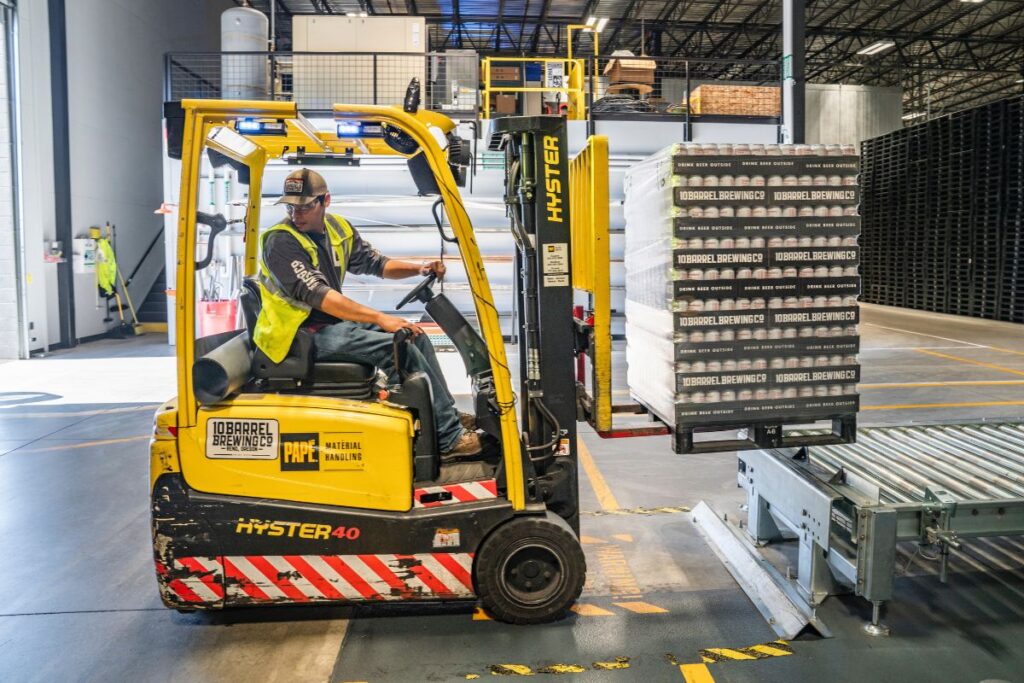
Efficient procurement and supply chain management are key elements in increasing efficiency in the food industry. It accounts for everything from sourcing raw materials, and ensuring proper storage, to delivering products to consumers. The effectiveness of this process can make or break the efficiency ratio in the industry. Opting for an optimized and streamlined supply chain process can significantly reduce unnecessary costs and delays, thereby improving productivity.
Choosing a reliable supplier can also make a considerable difference. For instance, a consistent and dependable, diesel fuel supplier in Saskatchewan, or wherever your operation is located, can provide a steady source of diesel fuel to power your fleet and various other aspects of your facility without any unnecessary delays. This stability can then drastically enhance the overall effectiveness and efficiency of your industry.
Integrating technology into procurement and supply chain management can bring transformational efficiency. For example, leveraging software like enterprise resource planning (ERP) can help track supply chain operations, highlight inefficiencies, and provide opportunities to streamline the process.
Workforce Management

A highly trained and well-managed workforce is integral to achieving high efficiency in the food industry. Implementing effective human resource strategies can decrease employee turnover and enhance productivity. Investing in continuous employee training programs will ensure employees are equipped with the latest trends and technologies in the sector, leading to improved efficiency.
Incorporating a strong communication structure can significantly impact productivity. Clear communication can streamline operations, avoid misunderstandings, and expedite decision-making processes. Moreover, recognizing and appreciating employees’ efforts boosts morale and motivates them to work more effectively, contributing positively to the industry’s efficiency.
Waste Management

Waste generation is inevitable in any industry, but effective management can significantly contribute to improving efficiency. Reducing, reusing, and recycling wastes can positively impact the bottom line by cutting down disposal costs. It also augments the industry’s image as eco-friendly and sustainable, aligning it with the escalating conscious consumer trend.
There are many ways in which waste can be managed effectively. Capitalizing on wastes as raw materials, utilizing food remains as compost, and using wastewater for cleaning are among the few methods that can curb waste and enhance industry efficiency. Besides, implementing digital systems to accurately track raw materials, their use, and any wastage can also bring about significant improvement.
Finally, rigorous employee training on waste management and awareness of its impact is vital to inspire individuals to make a conscious effort to reduce waste. This will not only encourage them to reduce, reuse, and recycle but also improvise and suggest innovative ways to manage waste, thereby contributing to boosting overall efficiency.
Overall, improving efficiency in the food industry is a comprehensive process that requires a balanced approach. It spans efficient machinery usage, effective procurement, workforce management, and waste management strategies. By embodying these aspects, the food industry can undoubtedly achieve a considerable boost in its efficiency.
Some images supplied others courtesy of unsplash.com and pexels.com