If you work in construction or plan to take on a supervisory role on site, you’ve probably heard of SSSTS. This qualification is required for thousands of workers across the UK construction industry. Understanding what it involves can help you decide if it’s the right course for you.
SSSTS stands for Site Supervision Safety Training Scheme, a two-day training programme designed to equip construction site supervisors with essential knowledge of health, safety, welfare, and environmental responsibilities.
The course is accredited by CITB (Construction Industry Training Board) and has become the industry standard for anyone managing workers on a construction site. It covers everything from health and safety law to risk assessments and method statements.


This qualification isn’t just a box-ticking exercise. Site supervisors play a vital role in keeping construction sites safe and compliant with regulations. The SSSTS course provides the practical knowledge needed to manage site activities effectively, conduct toolbox talks, and intervene when poor practices put workers at risk.
What Is SSSTS?
SSSTS stands for Site Supervision Safety Training Scheme, a CITB-accredited qualification that provides site supervisors with essential health and safety knowledge for construction sites. The course covers legal requirements, supervisory responsibilities, and practical skills needed to manage safety effectively.
Meaning of SSSTS
SSSTS is the Site Supervision Safety Training Scheme. The Construction Industry Training Board (CITB) accredits this qualification as the industry standard for site supervisors in construction.
The scheme focuses on health, safety, welfare, and environmental issues that supervisors face daily. It covers legal frameworks and practical applications that matter on active construction sites.
The course typically runs over two consecutive days. Training includes classroom learning, interactive discussions, case studies, and practical exercises.
Purpose of the Scheme
The Site Supervision Safety Training Scheme equips supervisors with the knowledge to control site safety and fulfil their legal duties. It teaches how to conduct risk assessments and understand method statements.
Supervisors learn to deliver effective site inductions, toolbox talks, and method statement briefings. The training covers how to monitor site activities and identify unsafe practices.
The scheme also teaches timely intervention when workers engage in dangerous behaviour. These skills help prevent accidents and create safer working environments across construction sites.
CITB certification remains valid for five years. Supervisors must complete a refresher course before their certificate expires to maintain their qualification.
Who Is SSSTS For?

SSSTS suits anyone currently working as a site supervisor or planning to take on supervisory responsibilities. The course targets those who oversee workers and manage day-to-day safety on construction sites.
New supervisors benefit from learning their legal obligations before starting the role. Experienced supervisors use the training to formalise their knowledge and prove their competence.
The qualification serves as industry-standard proof that a supervisor understands health and safety requirements. Many construction companies require SSSTS certification before allowing staff to supervise site activities.
The refresher course (SSSTS-R) is designed for supervisors who previously completed the full SSSTS training. It updates their knowledge on legislative changes and new industry best practices.
Importance of SSSTS in the Construction Industry
SSSTS plays a vital role in maintaining safe construction sites across the UK by ensuring supervisors understand their legal duties and meet industry standards. The qualification addresses both regulatory requirements and professional expectations within the sector.
Legal and Regulatory Context
UK health and safety legislation places specific responsibilities on those who supervise construction work. The CDM Regulations require competent supervision on all construction sites, regardless of size. Site supervisors must understand these legal obligations to avoid prosecution and ensure worker protection.
The SSSTS course covers essential aspects of construction health and safety law. Supervisors learn about their duties under the Health and Safety at Work Act and how to implement CDM Regulations on site. This health and safety training provides the legal knowledge needed to manage risks effectively.
Failure to meet legal standards can result in serious consequences. Companies face substantial fines when supervisors lack proper qualifications. Individual supervisors may also face personal liability for safety failures under their control.
Industry Recognition and Standards
The Construction Industry Training Board accredits SSSTS as the minimum standard for supervisory roles. Most principal contractors and clients now require this qualification before allowing supervisors on site. It demonstrates a supervisor’s competence in managing construction health and safety.
SSSTS has become the recognised benchmark across the UK construction sector. The qualification signals to employers that a supervisor possesses fundamental site supervisor safety knowledge. Many companies list SSSTS as a mandatory requirement in job specifications for supervisory positions.
The standardised nature of construction industry training through SSSTS ensures consistency. All qualified supervisors receive the same core knowledge about risk assessments, method statements, and safety management. This uniformity helps maintain safety standards across different sites and contractors.
SSSTS Course Structure and Content
The SSSTS course runs over two days and covers essential supervisory safety topics through structured learning. Participants learn about legal duties, risk management, and practical safety implementation across various delivery formats.
Course Duration and Delivery Options
The SSSTS course takes two full days to complete. Most training providers offer flexible delivery methods to suit different needs.
Classroom-based training remains the traditional option. Participants attend a physical venue and learn through face-to-face instruction. This format allows direct interaction with tutors and other learners.
The SSSTS course online provides a virtual classroom alternative. This delivery method covers identical content and leads to the same certification. Online courses use video conferencing technology to deliver interactive sessions. Participants can complete the training from any location with internet access.
Both formats maintain the same standards set by CITB. The course structure and assessment requirements do not change based on delivery method. Training providers registered with Site Safety Plus must follow approved curricula regardless of format.
Core Topics Covered

The course addresses several key areas of supervisory responsibility. Health and safety legislation forms the foundation, including the Health and Safety at Work Act and relevant regulations.
Risk assessments and method statements receive significant attention. Supervisors learn how to read, understand, and implement these documents on site. The training covers method statement briefings and how to communicate requirements to workers.
Site inductions form another crucial element. Participants learn how to conduct effective inductions for new workers arriving on site.
Toolbox talks represent a practical communication tool. The course teaches supervisors how to deliver short, focused safety briefings to their teams.
Additional topics include:
- Identifying and controlling workplace hazards
- Monitoring site activities and worker behaviour
- Understanding welfare facilities requirements
- Emergency procedures and accident reporting
- Leadership skills and effective communication
The four safety critical questions provide a framework for daily safety checks.
Assessment and Examination
Participants complete a multiple-choice exam at the end of the second day. The SSSTS exam contains questions covering all topics taught during the course.
The pass mark requires demonstrating adequate understanding of supervisory safety principles. Candidates who do not pass can retake the examination.
Successful completion leads to a CITB SSSTS certificate valid for five years. After this period, supervisors must attend a refresher course to renew their qualification. The assessment format remains consistent across both classroom and online delivery options.
Certificates, Validity, and Refresher Courses
The SSSTS certificate has a fixed validity period of five years, after which supervisors must complete a one-day refresher course to maintain their certification and stay current with industry regulations.
SSSTS Certificate and Its Validity
When a supervisor passes the CITB SSSTS course, they receive an SSSTS certificate that remains valid for five years from the completion date. This certificate serves as proof that the holder has completed the required training in health and safety supervision for construction sites.
The five-year validity period is standard across the industry. Before this period ends, the certificate holder must take action to renew their qualification.
If the certificate expires without renewal, the supervisor loses their certified status. They cannot simply pick up where they left off. Instead, they must retake the full two-day SSSTS course rather than the shorter refresher option.
SSSTS Refresher Course Essentials
The SSSTS Refresher course (also known as SSSTS-R) is a one-day training programme designed specifically for those who hold a current SSSTS certificate. This CITB approved course must be completed before the existing certificate expires.
The refresher reinforces core health and safety knowledge whilst introducing recent changes to legislation and regulations. It updates supervisors on new guidance and industry best practices that have emerged since their original certification.
Supervisors can complete the SSSTS refresher in a classroom setting or through online virtual sessions. Both formats carry the same validity and recognition from CITB.
The course covers updated legal requirements, changes to supervision responsibilities, and current safety protocols. Upon successful completion, participants receive a new certificate valid for another five years.
Progression, Qualifications, and Linked Schemes
SSSTS serves as a foundation qualification that opens doors to advanced safety roles and related certifications. The course connects directly to CSCS card requirements and creates pathways to senior management positions.
Career Pathways After SSSTS
SSSTS acts as a stepping stone to the Site Management Safety Training Scheme (SMSTS), which prepares individuals for senior management responsibilities on construction sites. The SMSTS course covers more specific aspects of workplace health and safety, including electricity, excavations, and detailed risk management.
Completing SSSTS strengthens a supervisor’s CV and enhances their credibility as a site leader. Many construction companies and principal contractors require supervisors to hold an SSSTS certificate before taking on supervisory duties.
The qualification typically appears alongside the CSCS gold card as an essential requirement for site supervisors. This combination demonstrates both technical competence and safety knowledge to employers and clients.
Related Training and Qualifications
SSSTS connects to several construction industry qualifications. The CSCS card system requires supervisors to hold appropriate safety training, with SSSTS fulfilling this requirement for supervisory roles.
NVQ qualifications in construction supervision often work alongside SSSTS to provide comprehensive competence recognition. Some individuals pursue additional safety qualifications through IOSH or NEBOSH to broaden their expertise.
CHAS accreditation for contractors frequently requires evidence of SSSTS training for supervisory staff. The course is available through traditional classroom settings and e-learning platforms, offering flexibility for different learning preferences.
The SSSTS refresher (SSSTS-R) must be completed every five years to maintain certification. Without renewal, individuals must retake the full two-day course.
Key Responsibilities of a Site Supervisor
Site supervisors bridge the gap between management and workers, taking direct responsibility for day-to-day safety practices and regulatory compliance. Their role requires active oversight of work activities, personnel behaviour, and environmental controls.
Ensuring Compliance On Site


Site supervisors enforce health and safety regulations across all construction activities. They verify that workers follow proper procedures and use correct equipment for each task. This includes checking that method statements are properly implemented and risk assessments are followed.
Supervisors conduct regular site inspections to identify non-compliance issues. When they spot unsafe practices, they must intervene immediately to prevent accidents. They also ensure all workers have received appropriate site inductions before starting work.
Documentation forms a key part of compliance duties. Site supervisors maintain records of safety checks, incidents, and corrective actions taken. These records demonstrate adherence to the health and safety management system and provide evidence during audits or investigations.
Health, Safety, and Environmental Duties
Supervisors verify that all workers wear appropriate PPE for their specific tasks. They check that protective equipment is in good condition and properly fitted. This includes hard hats, safety boots, high-visibility clothing, and task-specific protection like respirators or harnesses.
Monitoring behavioural safety is essential to preventing accidents. Site supervisors watch how workers perform tasks and address risky shortcuts or unsafe habits. They deliver toolbox talks to reinforce health & safety awareness and communicate new hazards.
The role extends to occupational health and environmental protection. Supervisors manage welfare facilities, control dust and noise levels, and ensure proper waste disposal. They respond to environmental incidents and report concerns about worker health or site conditions to management.
Essential Skills and Practical Applications
SSSTS training equips supervisors with practical abilities to manage construction site safety effectively. The course focuses on communication methods and real-world scenarios that supervisors encounter daily.
Monitoring and Communication
Supervisors need strong communication skills to maintain safety standards across their teams. Toolbox talks serve as the primary method for delivering safety information to workers before tasks begin. These short briefings cover specific hazards, control measures, and safe working procedures.
Effective monitoring involves regular site inspections to check compliance with safety rules. Supervisors must observe work practices, identify unsafe behaviour, and address issues immediately. They learn to ask safety critical questions that verify workers understand the risks involved in their tasks.
Documentation forms a key part of supervisory duties. Supervisors complete records of inspections, toolbox talks, and safety observations. They also review method statements and risk assessments with their teams to ensure everyone understands the required controls.
Clear verbal communication helps supervisors give instructions, provide feedback, and reinforce positive safety behaviours. The course teaches delegates how to adapt their communication style to different situations and team members.
Typical On-Site Scenarios
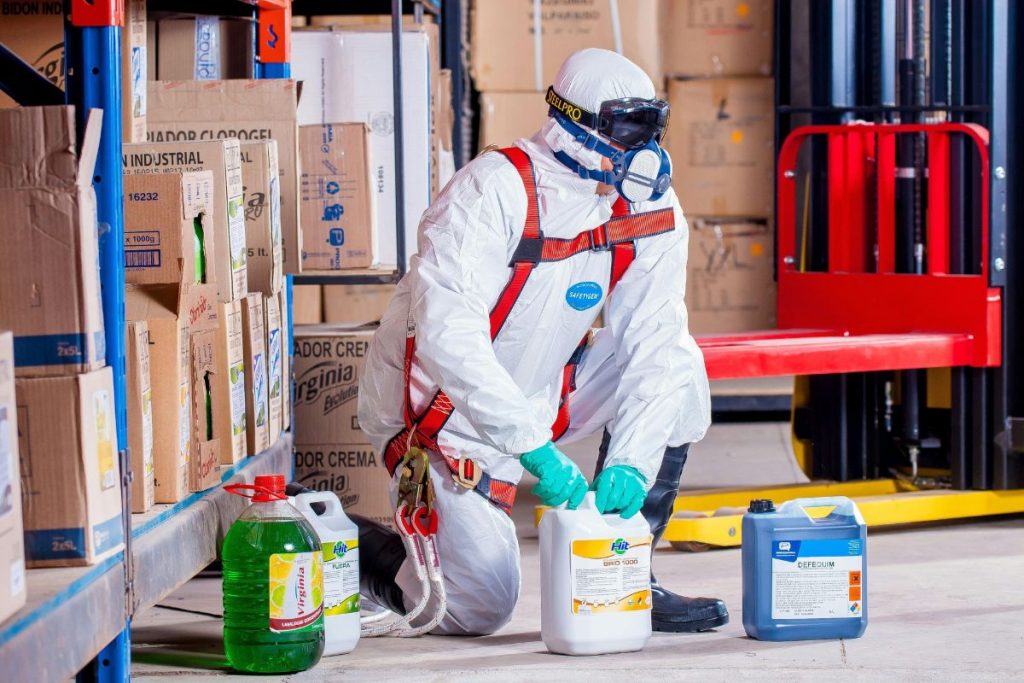
SSSTS training covers common construction hazards that supervisors manage daily. Working at height presents significant risks, and supervisors must verify that scaffolding, ladders, and edge protection meet safety standards before work begins.
Manual handling operations require proper planning and supervision. Delegates learn how to assess lifting tasks, identify mechanical aids, and ensure workers use correct techniques to prevent injury.
Hazardous substances demand careful control measures. Supervisors must check that chemicals are stored safely, workers have appropriate PPE, and adequate ventilation exists in confined spaces.
Fire prevention and control requires supervisors to monitor hot works permits, maintain clear escape routes, and ensure fire extinguishers remain accessible. They must also verify that flammable materials are stored away from ignition sources.
Excavation work, electrical hazards, and plant operations represent additional scenarios covered during training. Each situation requires supervisors to apply their knowledge of risk assessment and safe systems of work.
Images courtesy of unsplash.com and pexels.com