A restraining order can be a lifeline, offering immediate protection to someone dealing with ongoing threats, harassment, or abuse. But it’s not something the court hands out lightly. Judges rely on specific legal standards to determine whether the request is based on real, demonstrable risk or simply personal conflict. That’s where the conversation around understanding the proof needed for a restraining order to be granted becomes incredibly important.
Many people hear about surveillance and texts as restraining order proof, but the legal process requires more than just a couple of messages or video clips. Each case must meet a defined burden of proof, which shapes how the court evaluates whether the situation truly calls for a protective order.
What Exactly Is the “Standard of Proof”?
In legal terms, the “standard of proof” is the level of certainty and evidence a court requires to make a ruling. This isn’t just legal jargon, it’s the backbone of how restraining order decisions are made. In criminal cases, the standard is “beyond a reasonable doubt,” which is very high. But when it comes to restraining orders, especially civil protective orders, courts often work with a lower threshold.

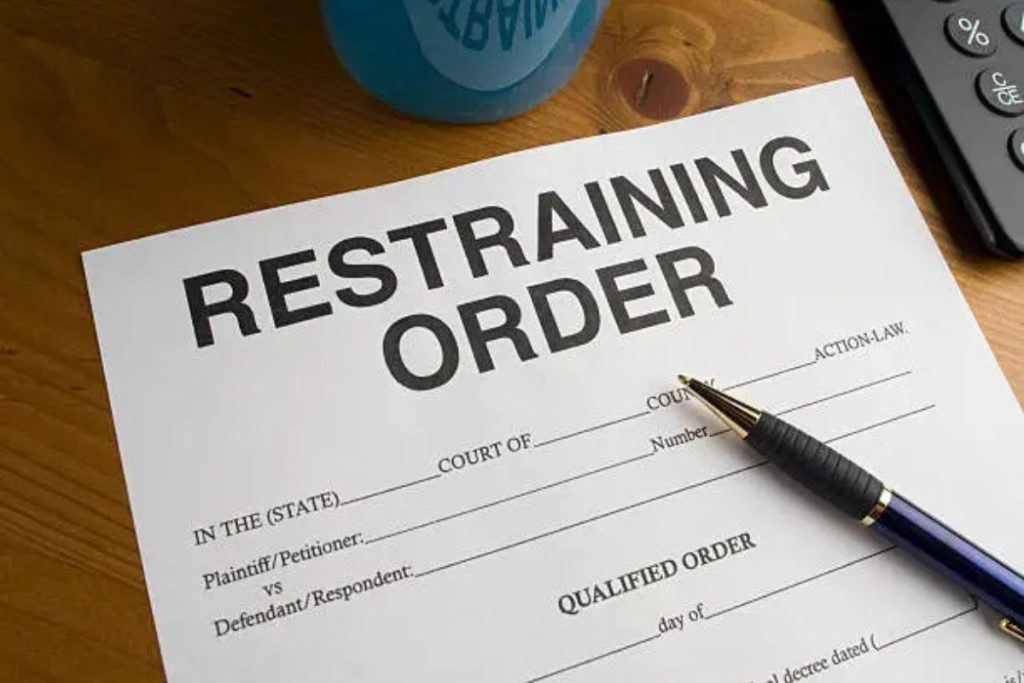
In most states, the standard for a civil restraining order is called a “preponderance of the evidence.” That simply means the judge must be convinced that it is more likely than not that the alleged abuse, harassment, or threat occurred. So, think of it as tipping the scale just past 50 percent. Not absolute certainty, but enough credible evidence to believe the claims carry weight.
For temporary restraining orders, the bar can be even lower. Courts may grant emergency protection based on “reasonable grounds” or a “reasonable belief” that harm is imminent. It’s meant to protect people quickly, especially in situations where waiting for a full hearing would put someone at risk.
The Types of Evidence Courts Look For
Knowing the standard of proof is one thing. Meeting it is another. That’s where the type of evidence submitted can make or break a request for protection, or a defense against it.
1. Personal Testimony
This is often the core of a restraining order hearing. The person requesting the order explains what happened, when, and how it affected them. While testimony alone can be enough under the law, supporting evidence is what solidifies the story. The more consistent and specific the details, the more weight the court is likely to give the account.
2. Police Reports and Medical Records
These can add strong credibility to claims. A police report showing an officer was called to a disturbance, or medical documentation of injuries, can reinforce the narrative with outside, objective sources. Judges look for these types of corroboration to help gauge whether the allegations stand up under scrutiny.


3. Surveillance and Texts as Restraining Order Proof
In today’s digital world, video footage and messages often speak louder than words. Courts regularly review doorbell camera recordings, security footage, and text messages to evaluate intent, frequency, and tone. For example, a message saying “I’m watching you” may be considered a clear threat, especially if it follows prior uninvited visits. Similarly, footage showing someone pacing outside a home for hours or attempting to enter uninvited adds a layer of visual confirmation that’s hard to dispute.
4. Witness Statements
Friends, neighbors, or coworkers who witnessed the behavior in question can testify or provide written statements. Even a brief confirmation of a key detail, such as someone being seen outside a house late at night multiple times, can help build a fuller picture.
5. Voicemails, Emails, Social Media Posts
Any form of communication that shows harassment, stalking behavior, or threats can be entered into evidence. Judges look at patterns, repetition, and escalation, so even small comments may carry weight when placed in context with other incidents.
When the Evidence Isn’t So Clear
Not every case is obvious. Sometimes there’s no footage, no texts, no police reports. Just one person’s word against another’s. In those cases, credibility becomes everything. Courts will look at how the person requesting the order presents their story. Are the details specific? Does the timeline make sense? Are there inconsistencies? On the other side, the person defending against the order must also present their own account, and possibly explain or rebut any claims made against them.
Criminal defense attorneys are well-versed in dissecting this kind of evidence. They ask tough questions: Is the behavior truly threatening, or is it being misinterpreted? Were the texts edited? Is the footage taken out of context? There are cases where restraining orders are misused or filed in the middle of personal disputes, which is why the defense side matters just as much.
Temporary vs. Permanent Orders: The Proof Shifts
It’s important to understand that not all restraining orders are created equal. A temporary restraining order (TRO) is often issued with very little notice to the other party, sometimes based on an affidavit alone. The idea is to offer immediate protection. But within a few weeks, a full hearing is usually scheduled to determine whether the order should become long-term.
At that hearing, both sides get to present evidence. This is where the “preponderance of the evidence” standard takes full effect. The judge wants to see if the facts support a longer-lasting legal order that could remain in place for months or even years.
This is also when many people realize just how serious restraining orders can be. They affect gun rights, employment opportunities, housing options, and personal reputation. They often show up in background checks and can influence everything from custody arrangements to immigration cases.
How a Defense Attorney Builds a Case

Someone on the receiving end of a restraining order often feels shocked, overwhelmed, or even blindsided. At that moment, it’s easy to panic or say too much without legal advice. That’s where a defense attorney can step in to analyze the allegations, review all submitted evidence, and prepare a strategy that fits the case.
Defense often involves gathering text messages that provide context, locating phone records to disprove claims, or submitting witness statements to counter the accusations. The goal isn’t just to avoid a restraining order, it’s to ensure that rights are protected and false or exaggerated claims don’t go unchallenged.
Attorneys emphasize not only legal knowledge, but attention to detail. Because when a judge is weighing whether a restraining order should be granted, every detail counts.
What Happens When the Burden of Proof Isn’t Met?
Sometimes the person requesting the order doesn’t meet the standard. Maybe the story doesn’t add up, or the evidence feels too thin. In those situations, the court may deny the order. While that can be a huge relief for the accused, it’s also a reminder of how carefully courts consider each request.
But here’s a key point: just because an order is denied doesn’t mean the situation is over. The court’s decision is based solely on whether the evidence at that time meets the legal threshold. If new evidence comes to light, or if behavior escalates, another request can be filed.
Similarly, even after an order is granted, the accused has options. They may file a motion to modify or terminate the order, especially if there’s evidence the circumstances have changed.
The Bottom Line: Every Case Is a Puzzle
When it comes to restraining orders, no two situations are alike. Some involve clear threats and disturbing messages. Others unfold from misunderstandings or emotional breakups. But in every case, understanding the legal standard and the kind of proof that counts is what shapes the outcome.
Those seeking safety need to know how to document their experience clearly and thoroughly. Those defending themselves need skilled representation to ensure their rights aren’t steamrolled by incomplete or misleading claims.
In both cases, it comes down to facts, evidence, and credibility. The courtroom isn’t a place for vague feelings. It’s where stories must be supported by proof. Knowing that, and preparing accordingly, can be the difference between protection and overreach, or justice and error.
Images courtesy of unsplash.com, pexels.com and Canva.com