Here in the UK, we have a plastic bottle problem. A serious one. According to Surfers Against Sewage, UK households throw away approximately 100 billion pieces of plastic packaging every year. That figure is almost impossible to picture, but here is one way to start: 7.7 billion plastic water bottles are sold in the UK annually, and a significant proportion of them end up in landfill, in rivers, or in the ocean.
The good news? One of the most effective things you can do about it is already well within your reach. And helping to save the ocean it starts with the humble reusable water bottle.
Why the Problem Is Bigger Than You Might Realise
The Numbers Are Alarming
Plastic bottles take around 450 years to decompose, according to the WWF. During that time, they do not simply sit still. They fragment into microplastics that contaminate soil, waterways, and marine environments, ultimately entering the food chain and, increasingly, our own bodies.

Approximately 11 million tonnes of plastic enter the world’s oceans every year. That is the equivalent of emptying two thousand rubbish trucks full of plastic into the sea every single day.
The UK Is One of the Worst Offenders
This is not a faraway problem. Research cited by Waste Direct’s 2026 Plastic Waste Statistics guide reveals that the UK is one of the largest single-use plastic waste generating countries worldwide. When measured per person, we rank second only to the US.
And yet, British tap water is consistently rated among the finest and cleanest in the world. The fact that we are buying billions of plastic bottles of water every year, when perfectly good water flows freely from the tap, is one of the more puzzling contradictions of modern life and goes against all initiatives to save the ocean.
Recycling Alone Is Not the Answer
Many people assume that recycling takes care of the problem. Sadly, it does not go nearly far enough. Only around 9% of plastic ever produced has been recycled globally. The rest has been burned, buried, or has ended up polluting the environment.
The most effective solution is to stop the problem at the source, and that means reducing the number of single-use plastic bottles we use in the first place.
The Real Impact of Switching to Reusable
Your Carbon Footprint Will Thank You
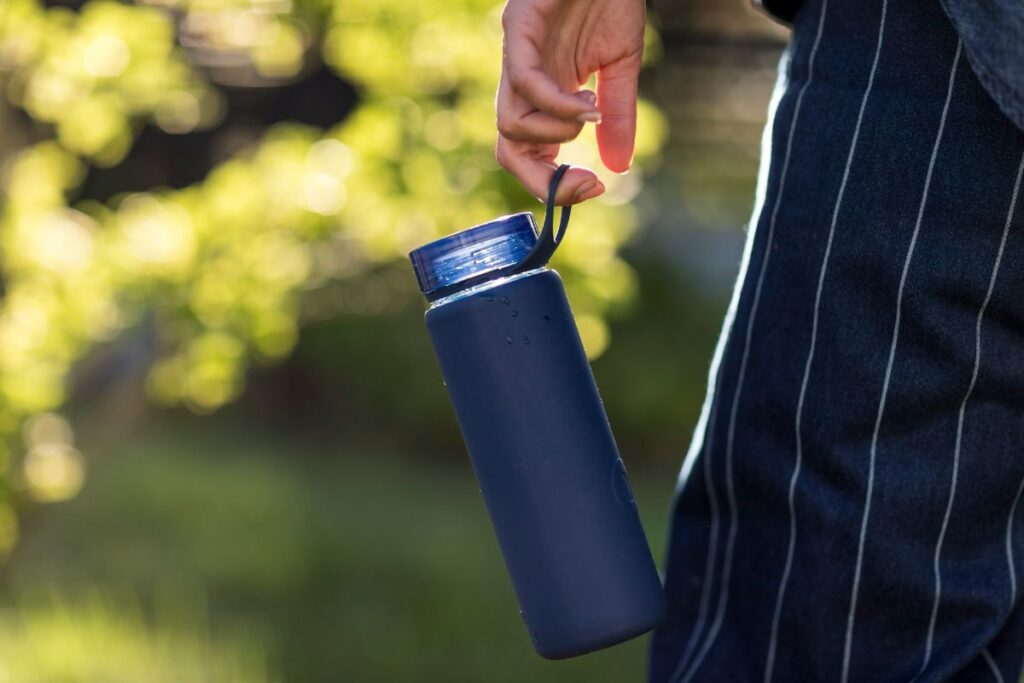
Switching to a reusable water bottle is not just about ocean health. According to data from The Eco Experts, the average Brit could reduce their carbon footprint by 94.4 kilograms of CO2 per year simply by making the switch from single-use plastic to a refillable bottle. That is a genuinely meaningful individual contribution to help save the ocean and reducing greenhouse gas emissions.
It Is Better for Your Health, Too
Microplastics have now been detected in drinking water, human blood, and even lung tissue. By reducing your reliance on single-use plastic packaging, you are also reducing your exposure to the chemicals and particles that leach from it, including BPA and phthalates, which are linked to hormone disruption.
And It Saves You Money
This is one switch that makes practical as well as environmental sense. Refilling a reusable bottle with tap water costs a fraction of a penny per litre. Buying bottled water every day can easily cost hundreds of pounds over the course of a year.
Why the Ocean Bottle Stands Out

When we are recommending sustainable switches here at HN Magazine, we look for products that do more than simply avoid harm. We want to champion brands that actively do good.
The Ocean Bottle sits in a genuinely compelling category. For every bottle sold, the brand funds the collection of the equivalent of 11.4 kilograms of ocean-bound plastic from coastal communities, specifically in regions where waste infrastructure is most under pressure and where the risk of plastic entering the sea is highest.
How It Works in Practice
The brand partners with plastic collection networks in countries across South and Southeast Asia, working with waste pickers and local cooperatives who collect plastic from coastal areas before it reaches the ocean. The funding model means that each purchase directly enables those collection efforts.
It Performs as Well as It Looks
Beyond its environmental credentials, the bottle itself is double-walled and vacuum-insulated, keeping cold drinks cold for up to 24 hours and hot drinks warm for up to eight hours. It is made from stainless steel, which is durable, taste-neutral, and genuinely built to last.
This is not a novelty product. It is a well-engineered everyday carry that replaces hundreds of single-use bottles over its lifetime.
Simple Swaps to Reduce Your Plastic Footprint Today
Making the shift away from single-use plastic does not have to happen all at once. Here are a few easy places to start.
Start With Hydration
This is the biggest win in terms of volume. Committing to a reusable bottle for your daily water means eliminating the most frequent single-use plastic purchase most of us make.
Choose a Reusable Coffee Cup
Most coffee shops in the UK now offer a discount for customers who bring their own cup. It is a small gesture, but across a year of daily coffee runs, it adds up to a significant reduction in disposable cups and lids.
Say No to Plastic Straws and Cutlery
Since England banned many single-use plastic items in 2023, alternatives are increasingly available. Pack a small bamboo or stainless steel cutlery set in your bag for days out, and keep a reusable straw if that is something you use regularly.
Filter Your Tap Water at Home
If the taste of your tap water is what drives you to buy bottled, a simple filter jug is a low-cost, one-off investment that makes a significant difference. British tap water is already excellent quality, and a filter takes it one step further.
Carry a Tote Bag
It sounds obvious, but having a compact tote bag in your everyday bag eliminates the need for plastic carrier bags on unexpected shopping trips. This has been one of the most successful behavioural shifts in the UK since the carrier bag charge came into force.
The Bigger Picture

It is easy to feel that individual choices are too small to matter when confronted with statistics about billions of tonnes of plastic entering the ocean every year. But collective behaviour is simply the sum of individual decisions, and the evidence consistently shows that when people shift their habits, markets follow.
The rise in demand for reusable, sustainably designed products has driven real investment in alternatives, encouraged legislation such as the UK’s single-use plastics ban, and created financial models like the one behind the Ocean Bottle that directly fund environmental remediation.
Every reusable bottle is a vote for a different relationship with plastic. And right now, those votes genuinely count and can help save the ocean.
Make the Switch Today
Living more sustainably does not have to mean sacrificing quality or convenience. It means choosing products that work beautifully and do a little more good in the world at the same time.
Whether you are a long-time eco-conscious consumer already helping to save the ocean, or just beginning to think about your household’s plastic footprint, switching to a quality reusable bottle is one of the most impactful, practical, and genuinely satisfying changes you can make.
Images courtesy of unsplash.com, pexels.com and Freepix.com