When something goes wrong with a commercial building’s electrical system, the consequences rarely stay small. A tripped breaker can halt production. A frayed wire can start a fire. An overloaded panel can destroy expensive equipment overnight.
Most business owners only think about their electrical system when something breaks. That’s the wrong approach. Most serious electrical failures don’t happen out of nowhere. They build gradually through wear, corrosion, loose connections, and aging parts. Electrical maintenance and a proper inspection can catch all of that before it turns into an emergency.
What Is Preventive Electrical Maintenance?
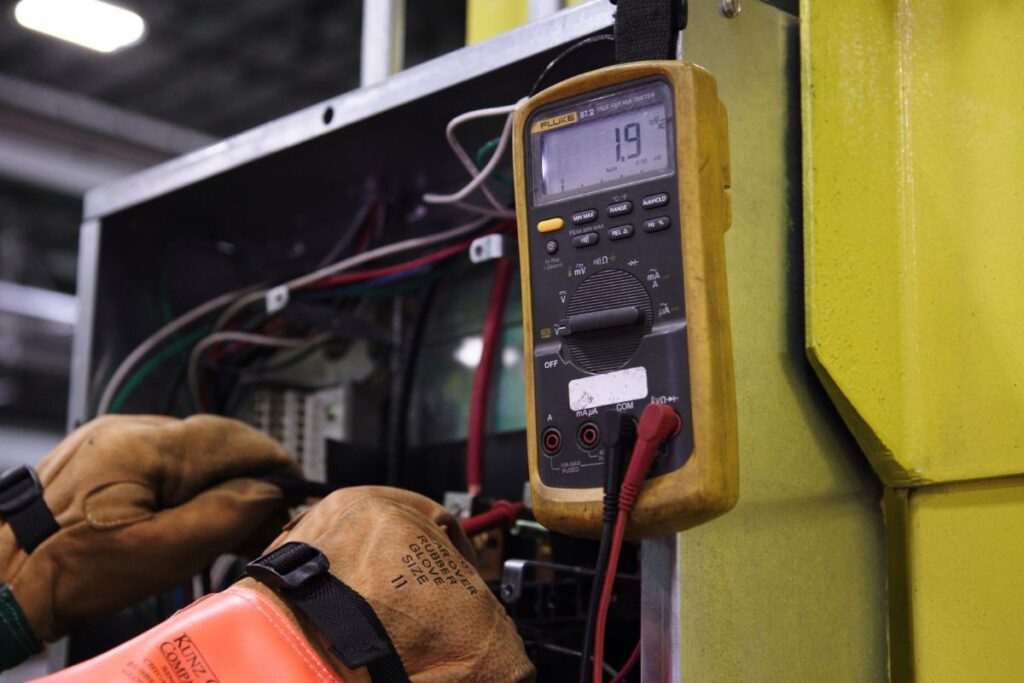
Preventive electrical maintenance means scheduling regular inspections and servicing of your building’s electrical system before problems show up. Instead of waiting for something to fail, you bring in licensed electricians on a set schedule to examine every critical component.
That includes circuit breakers, distribution panels, wiring, transformers, grounding systems, emergency lighting, and backup power sources.
Each part gets tested, checked for damage, tightened if connections have loosened, and replaced if it’s no longer up to standard.
The difference between preventive and reactive maintenance is simple. One costs a fraction of the other. Emergency electrical repairs can run two to five times the cost of routine maintenance. And that’s before you account for downtime or lost revenue.
Why Commercial Buildings Face Greater Risk
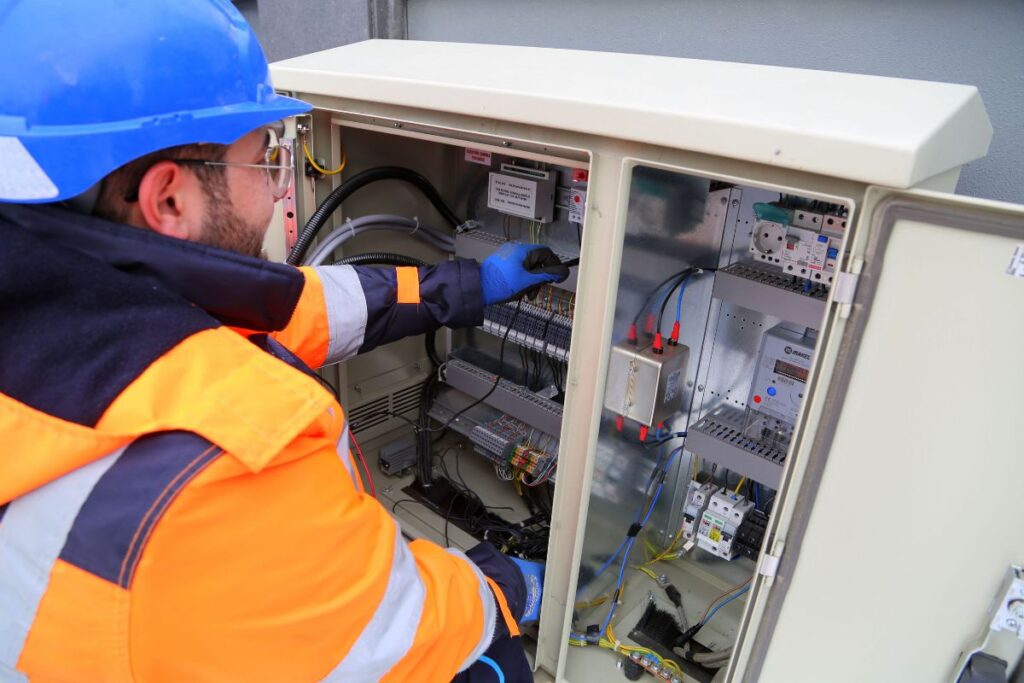
Residential electrical systems handle modest, predictable loads. Commercial buildings are a completely different situation. They run HVAC systems, industrial equipment, server rooms, lighting arrays, and kitchen appliances at the same time, often around the clock.
That constant demand puts serious stress on wiring, connections, and protective devices. Things wear out much faster than in a home setting.
Older buildings carry even more risk. Electrical codes are updated regularly, and a system that was compliant twenty years ago may no longer meet current safety standards.
Wiring insulation gets brittle. Old circuit breakers may fail to trip when they should. Without regular inspections, these problems build up quietly in the background.
Renovations and tenant improvements add another layer of risk. Every time new lighting, outlets, or equipment gets added, the load on the system changes. Without reviewing the panel capacity after those changes, overloaded circuits become a real possibility.
What It Actually Costs to Skip Maintenance
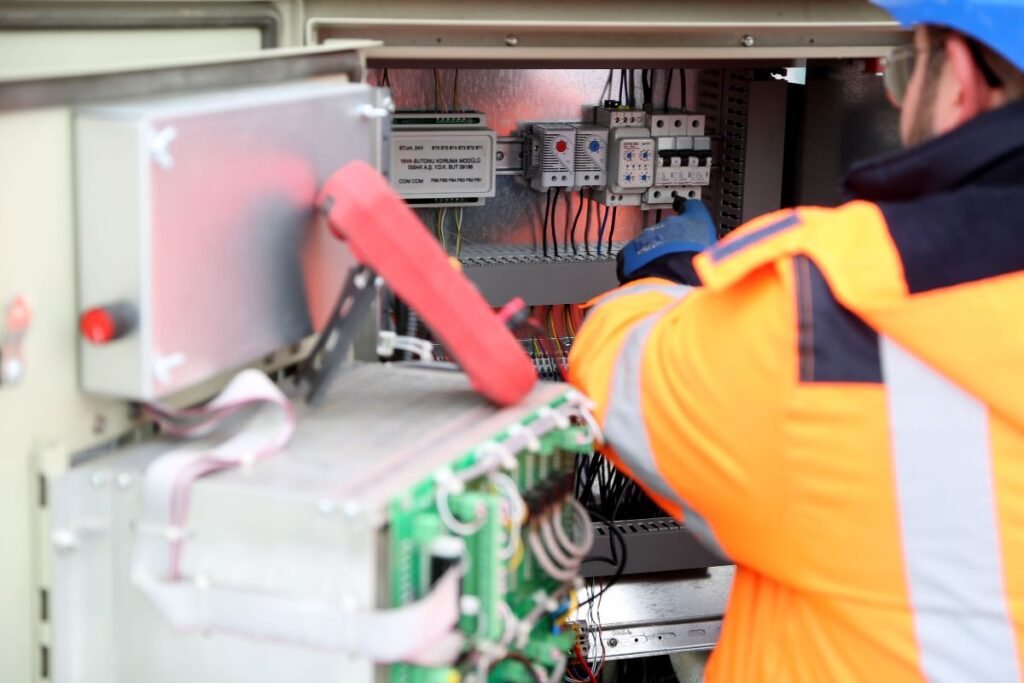
Many business owners put off electrical maintenance because it feels unnecessary when everything seems to be working fine. That thinking gets expensive fast.
Electrical fires cause billions of dollars in commercial property damage every year. A large portion of those fires trace back to electrical faults that regular maintenance would have caught.
Beyond fire risk, power surges and unstable voltage can destroy servers, HVAC units, and manufacturing equipment in an instant.
Then there is downtime. An unexpected electrical failure can shut a business down for hours or even days while emergency repairs are arranged and permits are pulled.
For a restaurant, a retail store, or a warehouse, that lost revenue can be devastating. A scheduled maintenance visit, planned during off hours, costs a small fraction of that.
What a Maintenance Visit Actually Covers
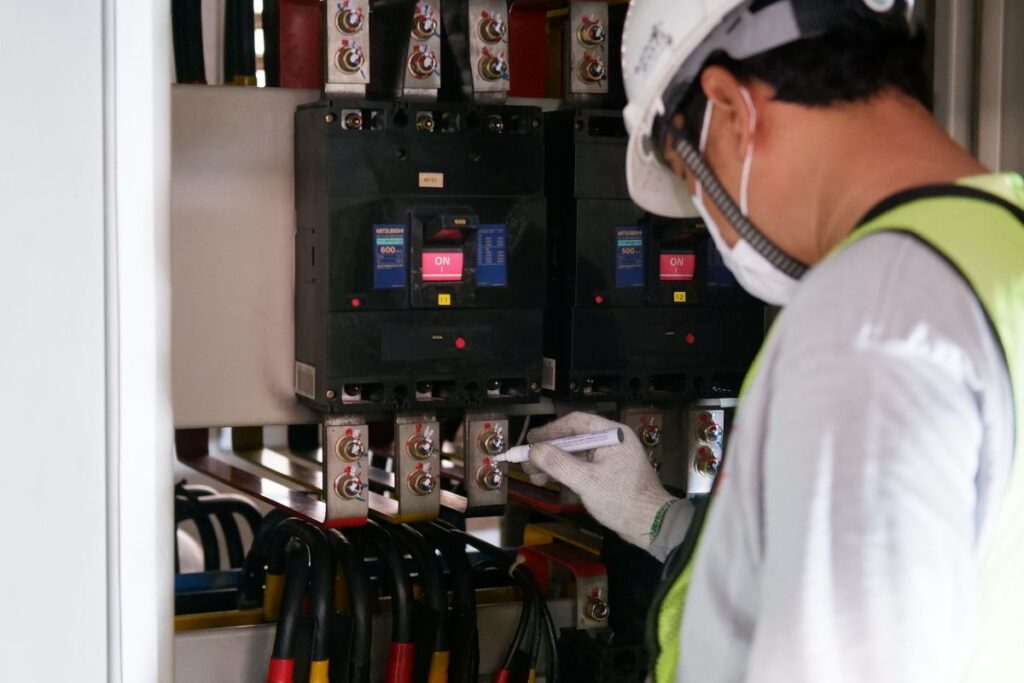
A thorough commercial electrical inspection covers more than just a visual check. Electricians use thermal imaging on electrical panels to find hot spots that indicate failing connections or overloaded circuits before they become visible problems.
They also load test circuit breakers to confirm they will trip correctly under fault conditions. They inspect and tighten bus bars and terminal connections.
They test emergency lighting and exit signs. They verify grounding integrity and review whether the overall system can handle current load demands.
After the visit, you should receive a detailed written report covering what was inspected, what was found, what was fixed on the spot, and what needs to be followed up.
That documentation is valuable for insurance purposes and for demonstrating code compliance during building inspections.
Finding the Right Electrical Partner
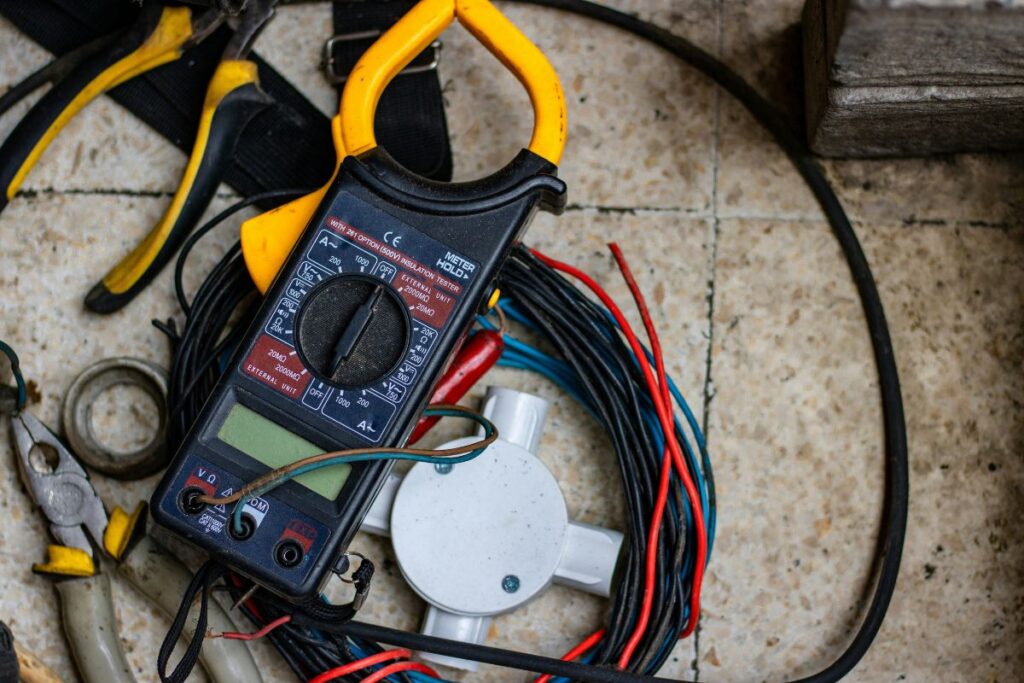
Preventive maintenance is only as effective as the team doing the work. For businesses in the St. Louis area, working with experienced Commercial Electrical Contractors in St. Louis means having professionals who understand high load commercial environments and know what to look for in aging or heavily used systems.
A good contractor will also help you build a maintenance schedule based on your building’s specific situation. Its age, occupancy type, equipment load, and any past electrical issues all factor into how frequent inspections should happen.
Building It Into Your Operations
The easiest way to stay consistent with electrical maintenance is to treat it like any other operational necessity. Put it on the calendar, assign someone to own it, and set a budget for it each year.
Most commercial buildings benefit from at least one full inspection annually. Buildings with heavy equipment or older infrastructure may need more frequent visits.
It also helps to train facility staff on early warning signs. Breakers that trip often, lights that flicker, burning smells near panels, or outlets that feel warm are all signals worth taking seriously.
Catching them early and getting a licensed electrician involved can prevent a small issue from turning into a major failure.
Electrical systems are easy to ignore when they are working. That is exactly when they deserve the most attention.
Images courtesy of unsplash.com, pexels.com and Freepix.com