The human drive to explore has always pushed against the limits of our own biology. From the first transoceanic voyages to the scaling of the world’s highest peaks, each new frontier has demanded more from our bodies and minds.
Today, as we look towards even more extreme environments, the intersection of travel, technology and human performance is poised to redefine what is possible.
The future of personal performance is not just about athletic achievement; it’s about enabling human beings to exist and thrive in places we were not built for, whether that’s the deep sea, high orbit or the challenging terrains of our own planet.
This evolution requires a deeper understanding of our own biological systems and the innovative tools that can help us adapt and excel.
Adventure Travel’s Next Frontier
For decades, adventure travel has been defined by climbing mountains, trekking through jungles and navigating remote rivers. Whilst these challenges remain formidable, the concept of an “expedition” is expanding.
The next frontier of adventure involves environments that are fundamentally hostile to human life. We are on the cusp of an era where private citizens can journey wherever they might wish: from Portugal’s coast, the edge of space, or the abyssal plains of the ocean floor.

These new forms of travel present physiological challenges that go far beyond what traditional adventurers face. Instead of simply dealing with cold or altitude, future travellers will need to withstand extreme pressures, radiation exposure and the effects of microgravity. Preparing for such journeys requires more than just physical fitness; it demands a new level of biological resilience.
This shift is driving a demand for innovative training methods and technologies that can prepare the body for unprecedented stress. The focus is moving from simply enduring an environment to performing optimally within it.
This could involve everything from advanced acclimatisation protocols to nutritional strategies designed to protect and enhance cellular function. As the destinations become more extreme, the preparation must become more sophisticated, turning every traveller into a finely tuned explorer.
Innovations in Human Biology
To meet the demands of these future adventures, scientists are exploring every facet of human biology. The goal is to understand how we can safely push our physiological boundaries.
This research is opening up the biotechnology, where the focus is shifting from simply treating illness to actively enhancing human capability, resilience and longevity. This field covers everything from genetic insights to the development of novel compounds that can influence specific biological pathways.
One area of significant interest is the study of molecules that can modulate bodily processes like muscle growth, fat loss and endurance. Researchers are investigating compounds that can selectively target certain receptors in the body to produce desired effects, potentially aiding in recovery or adaptation to extreme physical stress.
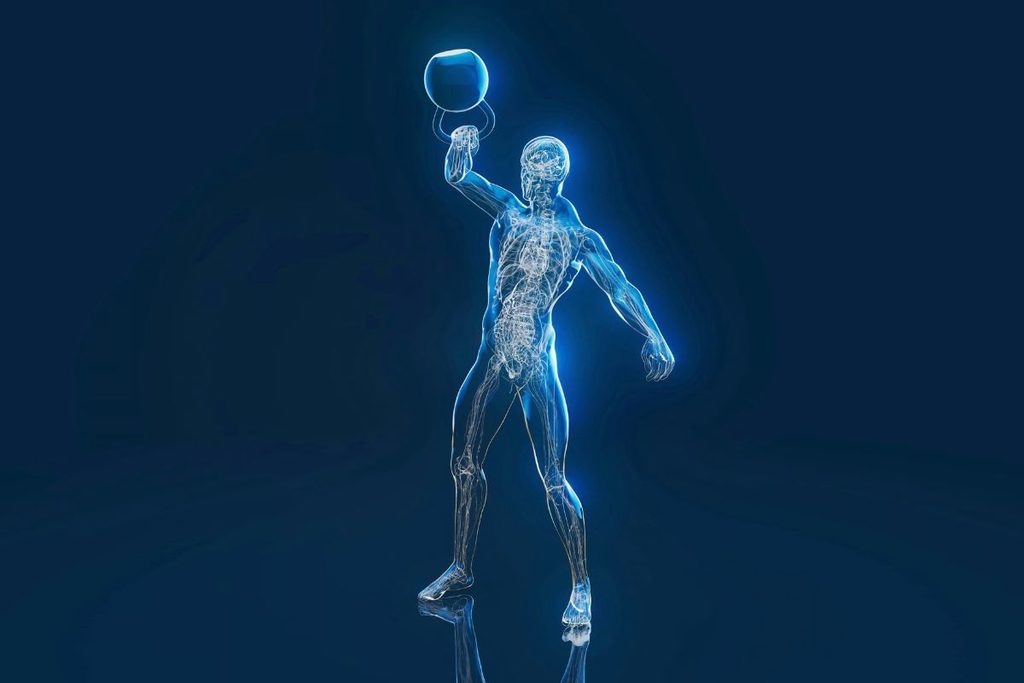
For scientists engaged in this work, having access to foundational information is crucial. A comprehensive guide like a SARMs 101 can provide the essential background on the mechanisms and classifications of these compounds for laboratory research purposes.
This exploration into biological optimisation is not science fiction. It’s happening in laboratories around the world. The insights gained could one day lead to supplements that help astronauts mitigate bone density loss in space, or protocols that allow deep-sea divers to better manage oxygen levels. The key is responsible, methodical research aimed at understanding how these innovations can be applied safely and effectively.
Exploring Research in Human Potential
The quest to enhance human performance extends beyond chemistry and into the very code of life itself.
Imagine a future where your genetic profile can be used to create a personalised training and nutrition plan designed to prepare you for a specific challenge, like a high-altitude climb or a long-duration space mission.
This field, often called bio-hacking, involves using data to understand and influence our own biology. This can range from simple practices like tracking sleep and heart rate variability to more advanced interventions.
Researchers are studying how specific genes affect everything from oxygen uptake to muscle fibre type. By understanding these individual differences, it may one day be possible to identify individuals naturally suited for certain extreme environments or develop interventions to help others adapt.
Furthermore, scientists are investigating how to trigger the body’s own regenerative and protective mechanisms. This includes research into cellular repair, managing inflammation and optimising metabolic function. The ultimate aim is to create a state of heightened resilience, where the body is better equipped to handle physical and environmental stressors.
Ethical Considerations in Science
The rapid advancement of technologies aimed at enhancing human performance raises important ethical questions. As we move from treating deficiencies to augmenting normal human capabilities, we must consider the potential societal consequences.
The conversation around bioethics is crucial to ensure that these powerful tools are developed and used responsibly. Organisations like the Nuffield Council on Bioethics are dedicated to examining these complex issues and providing guidance for policymakers, scientists and the public.
One of the primary concerns is the distinction between therapy and enhancement. Where do we draw the line between helping someone overcome a physical limitation and giving them a superhuman advantage?
This question is particularly relevant in competitive sports, but it also applies to adventure travel and other fields. If performance-enhancing technologies are only available to the wealthy, it could create a new form of inequality, a biological divide between the enhanced and the unenhanced.
There are also questions about long-term safety and unintended consequences. Modifying complex biological systems can have unforeseen effects, and it’s essential that any new intervention is subjected to rigorous, long-term study.
A transparent and public dialogue is needed to establish clear guidelines and regulations. The goal should be to harness the incredible potential of this science to improve human health and expand our capabilities, whilst safeguarding against misuse and ensuring equitable access for all.
The journey towards enhanced human performance is as much a philosophical one as it is a scientific one. It forces us to ask what it means to be human and what limits, if any, we should place on our own potential. As we stand on the brink of this new era, these ethical considerations must be at the forefront of the conversation.
Images courtesy of unsplash.com and pexels.com