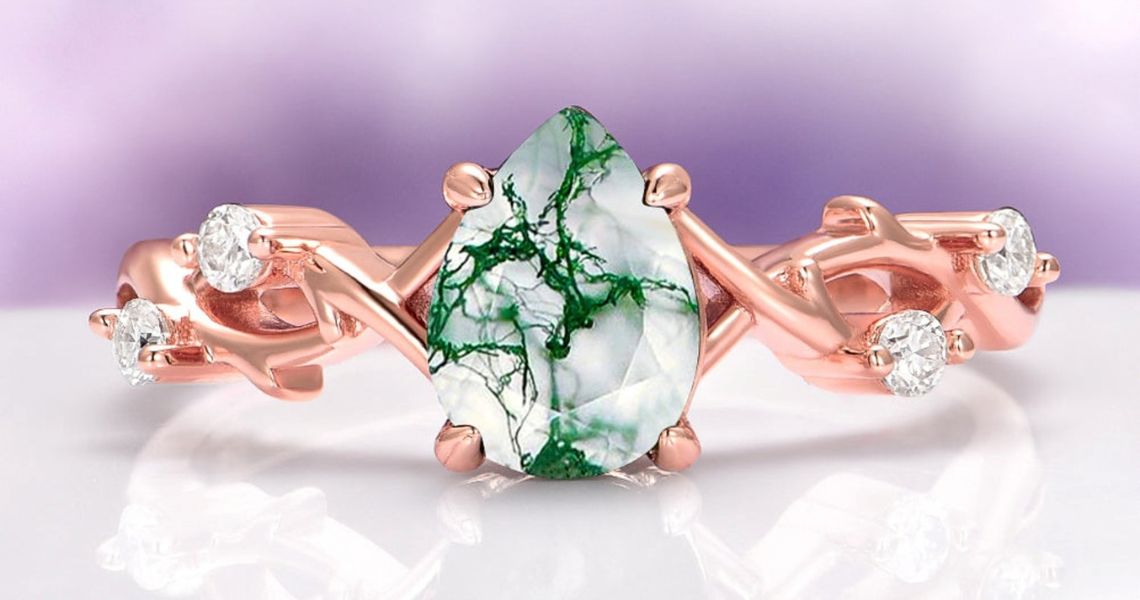
Luxury isn’t just about indulgence—it’s often about investment. Whether it’s a vintage Rolex, a limited-edition handbag, or custom-built audio gear, the value of luxury items can go far beyond price tags. And as collections grow, so does the need to protect them smartly.
That’s where asset labels step in. While they might sound like something reserved for office tech or warehouse bins, modern asset labels have evolved into sleek, highly functional tools that offer peace of mind to private collectors, frequent travellers, and style-forward homeowners. Their role? Quietly keeping tabs on the things you treasure most.
Whether you own one prized piece or an entire vault’s worth, using asset labels isn’t about overkill—it’s about smart stewardship. With better design and tamper-proof tech, these small labels deliver big protection in an understated way.
Why Luxury Needs More Than a Lock

We often think of safes, locks, and home alarms when it comes to securing valuables—and those things absolutely matter. But luxury ownership comes with unique challenges that go beyond theft prevention.
You might loan a designer jacket to a stylist, send rare artwork to be appraised, or rotate high-end décor between homes. Luxury doesn’t sit still, and neither should your security strategy. Traditional methods can’t track the movement, location, or ownership status of items once they’re out of your sight.
Asset labels offer a new layer of control—one that works with how people actually use and move their possessions.
What Are Asset Labels, Really?
In plain terms, asset labels are small, durable tags that adhere to an item’s surface and carry identifying information. That could be a barcode, a serial number, a QR code, or even an RFID chip, depending on the type of label used.
They’re commonly found on laptops and cameras—but their applications are expanding fast. For luxury use, labels are designed to be sleek, tamper-evident, and often custom-printed to fit the item’s style or purpose. Think brushed metal tags on art frames, or discreet vinyl labels inside a bag’s lining.
The main goal? To create a unique identifier that links the item to a database or log, making it easier to track, verify, and recover.
Smart Features That Add Real Value

Here’s where things get a little more high-tech. Asset labels today do far more than just sit on a surface.
Tamper Resistance
Most luxury asset labels are made with tamper-evident materials. That means if someone tries to remove or alter them, they leave visible damage. This deters theft, especially during transit or storage, and helps prove authenticity later on.
Custom Serialization
Each label can be printed with a unique code or number that matches a record in your personal inventory system. This is especially helpful if you have multiple similar items—like a collection of watches or designer sunglasses.
QR or Barcode Integration
Labels can include scannable codes that open up a whole world of tracking. A quick scan with a smartphone can bring up ownership details, provenance info, service history, or even return instructions if the item is lost and found.
RFID/NFC Chips
For high-end use, some asset labels include chips that allow items to be scanned wirelessly—even through packaging or storage boxes. Great for galleries, collectors, or home organizers who don’t want to unwrap everything just to do a check.
What Types of Items Can Be Tagged?
Basically, if you can stick something to it, you can label it. But let’s talk specifics. Here are a few luxury categories where asset labeling makes real sense:
Designer Handbags and Luggage

Luxury bags are a top target for counterfeits and theft. Placing a discreet label inside the lining—paired with a registration number—helps prove authenticity and ownership, especially for resale or insurance claims.
Fine Jewellery and Watches
For pieces that are worn often but small in size, labels can be affixed to packaging, storage pouches, or display stands. That way, each item still has an ID trail without affecting wearability.

High-End Electronics
Whether it’s a premium speaker system or a custom gaming rig, electronics are both valuable and easy to relocate. Asset tags let you track what’s where—especially across multiple homes or studios.
Rare Art and Collectibles
Labels placed on the back of frames or display bases help galleries, collectors, and interior designers keep track of items as they move between installations or events.
Custom Furniture and Décor
If you’ve invested in bespoke furnishings, tagging them protects not just the item but its story—designer name, wood type, dimensions, etc. All of which can be stored in the associated tracking system.

At Home, On the Move, or On Display
One of the best things about asset labels is their flexibility. You don’t need to be running a gallery or museum to use them. You don’t even need to leave your home.
Let’s break it down:
- At Home: For families with valuable items scattered throughout the home, asset labels act as a quiet inventory system. Think of them like a smart tag for your belongings.
- In Transit: For luxury owners who travel, loan, or ship their items, having a trackable label on each piece can help with recovery in the event of loss or mishandling.
- In Storage: If you’re rotating seasonal items like coats, décor, or watches, labels help maintain a clear log of what’s where, and when it was last accessed.
- On Display: For interior designers or collectors, asset labels on display pieces add a layer of cataloguing without interfering with the aesthetics.
When Looks Matter, So Should Labels
You might be thinking: all this sounds great, but won’t these labels look out of place on designer goods?
Not anymore.
Label technology has caught up with taste. Today’s labels come in sleek finishes, minimalist fonts, and even clear, transparent styles that won’t clash with polished wood, leather, or glass. They’re built to blend in or stay completely hidden—while still doing their job.
For example:
- Metallic foil labels complement chrome décor or brushed metal finishes.
- Matte black labels can sit inside a dark bag interior unnoticed.
- Clear polyester labels allow the design underneath to show through.
Style doesn’t have to take a backseat to security.
Peace of Mind for the Style-Conscious Collector
Here’s where it all comes together: luxury isn’t just about how something looks or feels. It’s also about how it makes you feel.
Using asset labels for your high-end items isn’t about being paranoid. It’s about being smart. It means knowing that if something goes missing, you have a trail. If something gets damaged, you’ve documented it. If you ever want to resell or insure an item, you’ve got the paperwork ready—because you’ve been tracking it all along.
Building a Simple Asset System at Home
You don’t need a tech degree or warehouse setup to start labelling. Here’s a quick-start plan anyone can follow:
- Pick Your Items: Start with 5–10 of your most valuable or frequently moved items.
- Choose a Label Type: Use tamper-evident or stylish asset labels suited to the surface type.
- Create a Spreadsheet or App Log: Note the item name, description, serial number, and the code on the label.
- Stick and Scan: Apply the label and test any QR or RFID features you’re using.
- Update Over Time: Add new items, update records after appraisals, or remove old entries.
Over time, this becomes a full inventory that can be shared with your insurer, estate planner, or household manager.
The Luxury of Being Prepared
There’s something oddly satisfying about knowing your valuables are tagged, tracked, and accounted for—especially when they’ve taken years to acquire.
And while asset labels may not be the flashiest luxury accessory, they might just be the smartest one.
Because at the end of the day, security and peace of mind are luxuries too. Why not label them as such?
Some images courtesy of unsplash.com and pexels.com.