Diamonds have long been associated with love, luxury, and timeless beauty. Whether used in engagement rings, fine jewellery, or investment pieces, diamonds have held a special place in people’s hearts for centuries.
However, in recent years, a new player has emerged in the diamond industry – lab-grown diamonds. As their popularity rises, many people are asking the question: What is better – a lab-grown diamond or a natural diamond? This blog will break down the key differences between lab-grown and natural diamonds, making it easier for you to decide which might be the better option for you.
What Are Natural Diamonds?
Natural diamonds are formed deep within the Earth over millions, or even billions, of years. They are created under intense heat and pressure, which causes carbon atoms to crystallise and form diamonds. These diamonds are then mined from deep within the Earth’s surface, typically from countries like Russia, Canada, and parts of Africa.
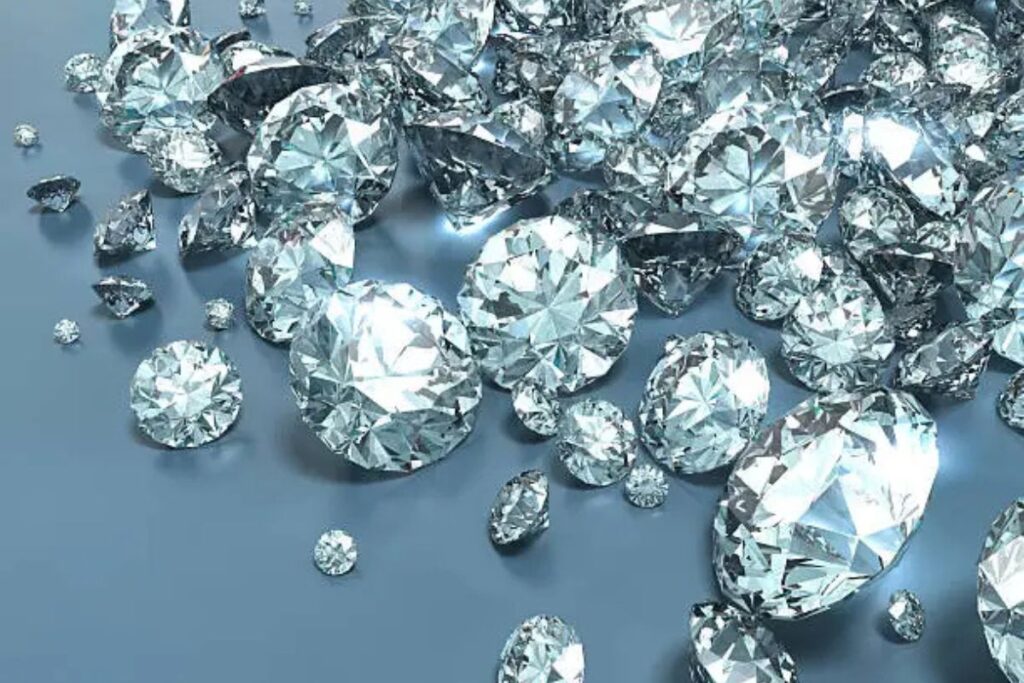
The fact that natural diamonds are formed through this unique geological process makes them rare and precious. No two diamonds are exactly alike due to variations in their formation, which adds to their appeal for collectors and investors.
What Are Lab-Grown Diamonds?
Lab-grown diamonds, as the name suggests, are created in a laboratory setting. These diamonds are produced using advanced technology that replicates the conditions under which natural diamonds form. There are two main methods used: High Pressure, High Temperature (HPHT) and Chemical Vapour Deposition (CVD). Both processes result in a diamond that is chemically, physically, and visually identical to a natural diamond.
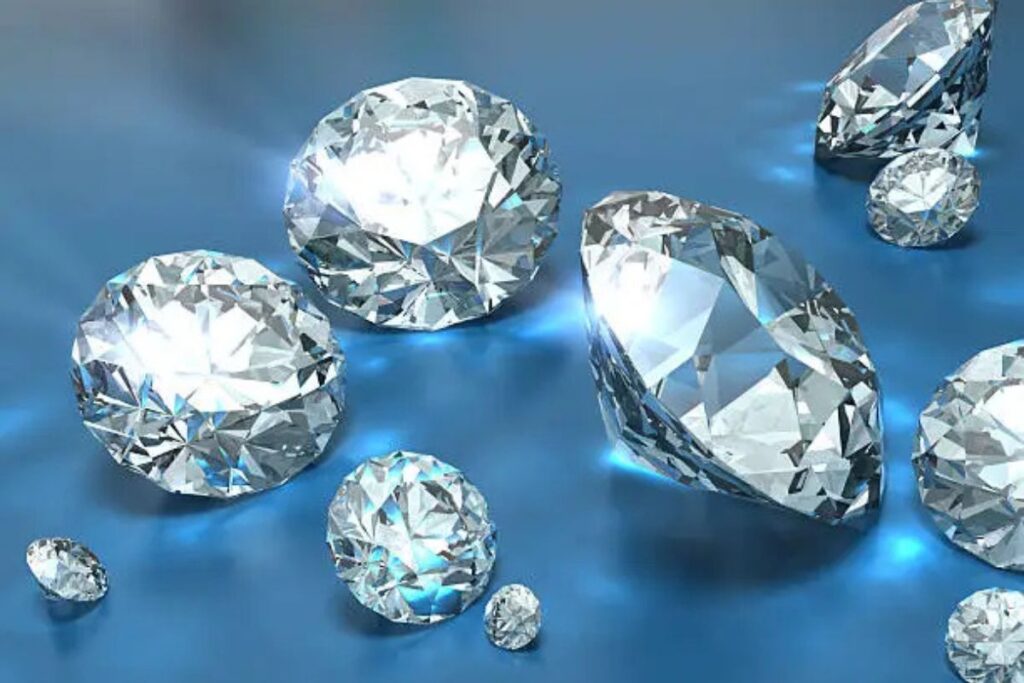
In essence, a lab-grown diamond is a real diamond – the only difference is where it comes from. It is not a diamond substitute like cubic zirconia or moissanite, which are used to mimic the appearance of diamonds without having the same properties.
How Do They Compare?
Let’s look at a few important factors to consider when comparing lab-grown and natural diamonds.
1. The Cost
One of the most significant differences between lab-grown and natural diamonds is the price. Lab-grown diamonds are generally much more affordable than natural diamonds. This is because they are less expensive to produce, and the supply is not limited by the Earth’s natural processes. On average, a lab-grown diamond can cost 30-40% less than a natural diamond of the same size and quality.
For those on a budget or those wanting a larger diamond for less money, lab-grown diamonds are an attractive option.
2. How Does it Impact the Environment?
Mining natural diamonds has a significant environmental footprint. The process involves heavy machinery, large-scale excavation, and the destruction of natural habitats. Even with efforts to make mining more sustainable, the impact on the environment remains a concern.
Lab-grown diamonds, on the other hand, are considered more eco-friendly. Growing diamonds in a lab requires less energy and doesn’t involve damaging the Earth’s ecosystems.
However, it’s worth noting that the energy required to grow diamonds can still be substantial, especially if it comes from non-renewable sources. Despite this, lab-grown diamonds are widely regarded as the more sustainable choice.
3. Is it Ethical?
The ethical debate surrounding diamonds mainly revolves around “conflict diamonds” or “blood diamonds” – diamonds that are mined in war zones and sold to fund armed conflict. The diamond industry has made significant efforts to combat this issue with initiatives like the Kimberley Process, but concerns still linger.
Lab-grown diamonds bypass this issue entirely. Since they are made in a controlled environment, there is no risk of them being associated with conflict or unethical mining practices. For individuals who prioritise ethical sourcing, lab-grown diamonds offer peace of mind.
4. The Rarity and Value
Natural diamonds are rare, and their value tends to hold or increase over time. Because they are limited in supply and each one is unique, they are often seen as a long-term investment. Some people believe that a natural diamond carries a sense of history and authenticity that a lab-grown diamond simply cannot replicate.
Lab-grown diamonds, while beautiful, do not have the same rarity. Their value in the resale market is generally lower because they can be produced in unlimited quantities. For this reason, people who see diamonds as an investment might prefer natural ones.
5. The Appearance and Quality
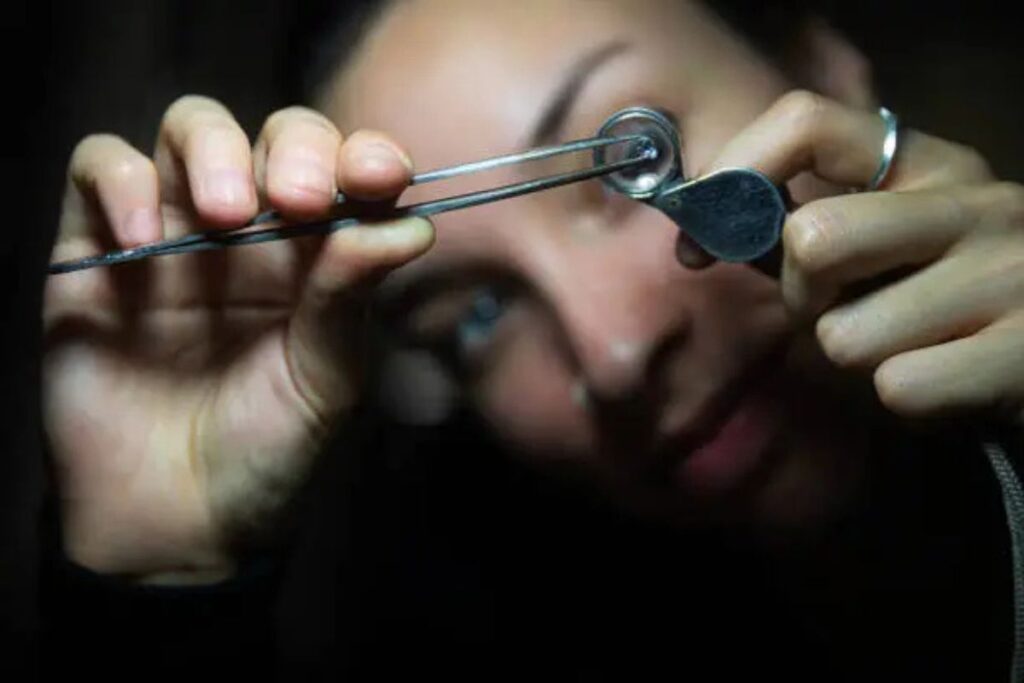
To the naked eye, there is no visible difference between lab-grown and natural diamonds. Both types are available in the same range of colours, cuts, and sizes, and they are graded according to the same standards by gemmological institutes. In fact, even trained jewellers need specialised equipment to distinguish between the two.
When it comes to appearance and quality, lab-grown diamonds are just as stunning and durable as their natural counterparts.
So, Which Is Better?
The answer to this question largely depends on what you value most. If you’re looking for a diamond that is more affordable, eco-friendly, and ethically sourced, a lab-grown diamond might be the best choice for you. Lab-grown diamonds offer the same beauty and brilliance as natural diamonds at a fraction of the cost, without the environmental and ethical concerns.
On the other hand, if you place importance on rarity, long-term value, and the unique natural origins of a diamond, then a natural diamond might be the better option. Natural diamonds carry a history and uniqueness that many people find appealing, particularly for sentimental purchases like engagement rings.
Ultimately, whether you choose a lab-grown or natural diamond, you’re still getting a beautiful gemstone that will last a lifetime. The decision comes down to your personal values and priorities.
Images courtesy of unsplash.com and pexels.com